REGENT's Electric Seaglider Aims to Revive Wing-in-Ground-Effect Travel with 2027 Commercial Launch
Why It MattersA maritime rather than aviation certification path could let electric ground-effect vessels open short coastal and island routes without new airport infrastructure.
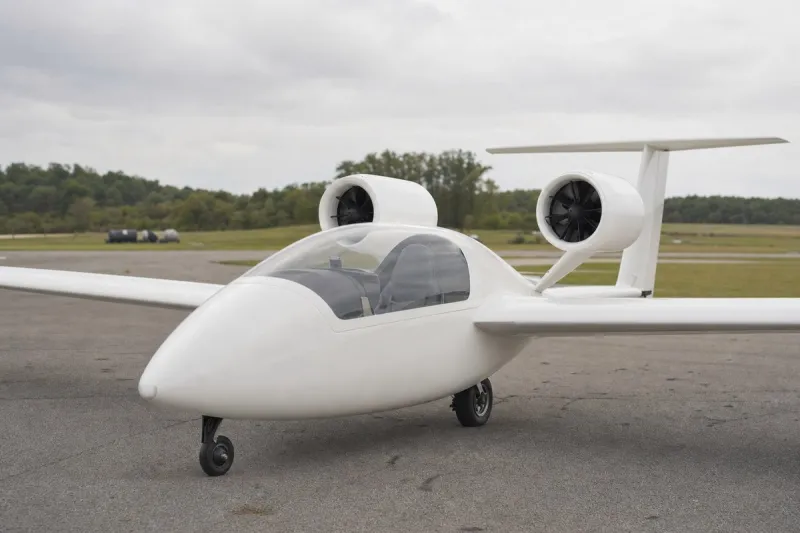
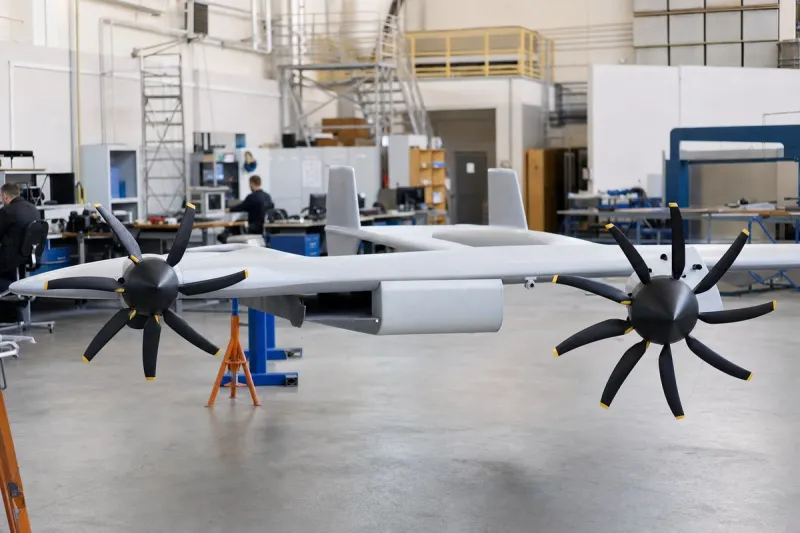
Rhode Island startup REGENT — Regional Electric Ground Effect Nautical Transport — is developing the Seaglider, a fully electric wing-in-ground-effect vehicle that flies a few feet above water at speeds up to 180 mph (290 km/h), drawing on the same principle as the Soviet Ekranoplane, which reached speeds near 310 mph (500 km/h) before being abandoned over engineering and operational limitations. The Seaglider is fully fly-by-wire, controlled by sidesticks, and uses panoramic displays showing moving maps, electronic charts, synthetic vision, infrared imagery, maritime radar, forward-looking sonar and traffic information; with current batteries it has a range of about 180 miles (290 km), which REGENT expects to grow to nearly 500 miles (800 km) as battery technology improves.
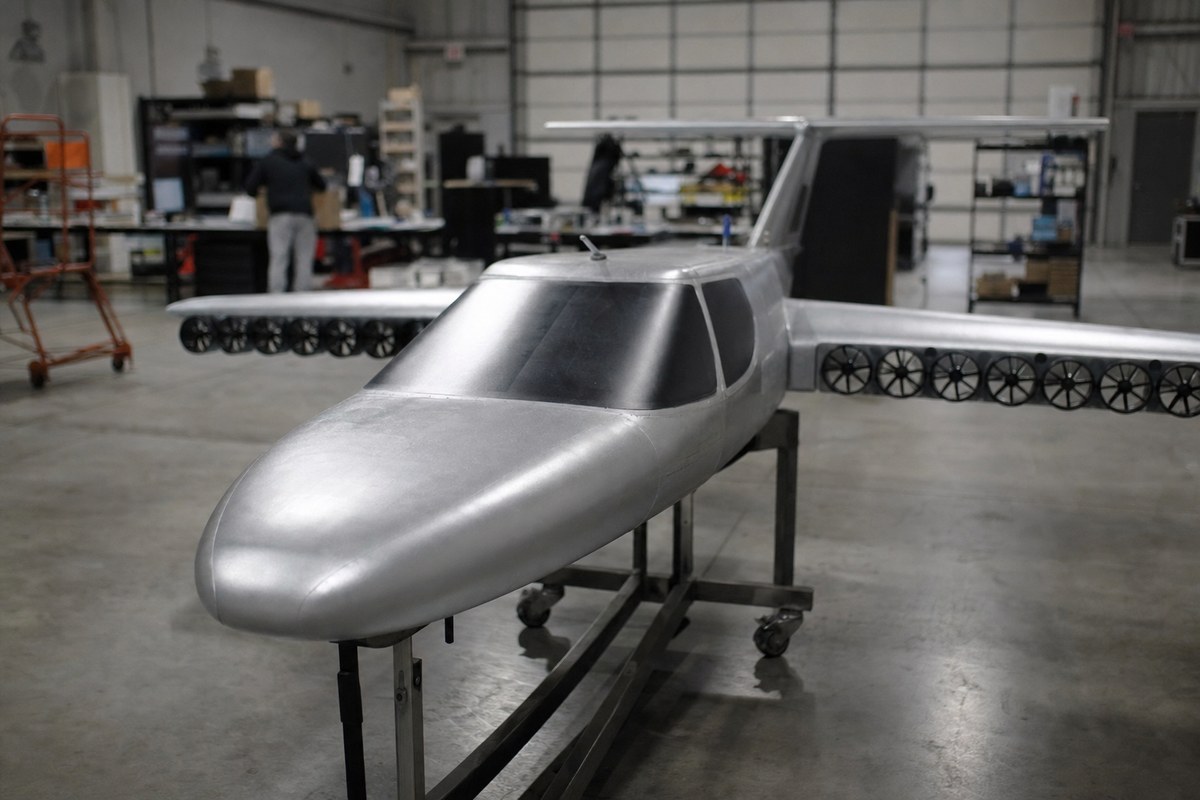
The first production model, the Viceroy, will seat two crew and twelve passengers and is designed to operate from existing docks rather than airports, avoiding new infrastructure costs, with customer deliveries targeted for 2027. Brittany Ferries has placed the first commercial order. Because it is classified as a Type A Wing-in-Ground Effect craft — a maritime vessel rather than an aircraft — the Seaglider is certified under maritime rules set by the International Maritime Organization and, in the United States, the Coast Guard, rather than the FAA.
REGENT has identified potential markets including Hawaii, the Greek Islands, Europe's North Sea coastal routes, the English Channel crossing and the California corridor between San Diego and Los Angeles, and larger variants carrying around 100 passengers are under study.