FAA to Launch AI Air Traffic Tool 'SMART' as Early as Monday, Full Rollout by 2028
Why It MattersThe rollout signals that U.S. airspace management is shifting toward centralized, predictive coordination between regulators and airlines rather than carrier-led scheduling, with human controllers retaining final authority.
What happened
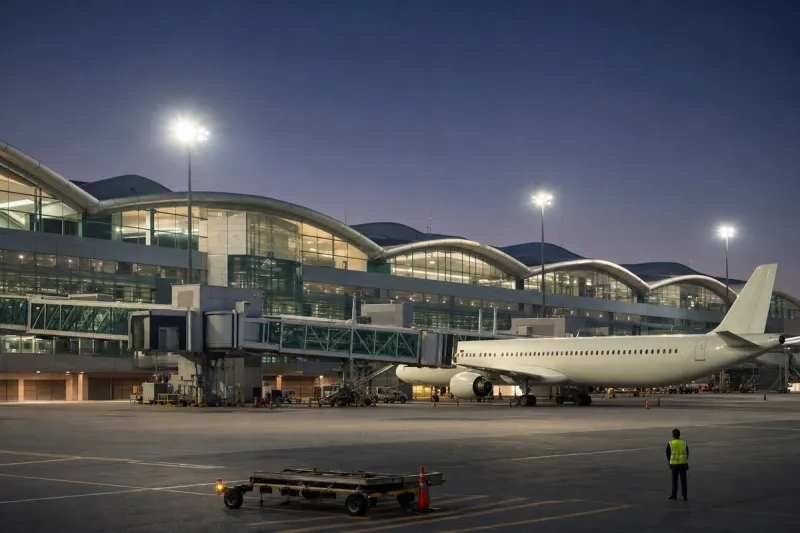
The Federal Aviation Administration is set to introduce SMART — Strategic Management of Airspace Routes and Trajectories — as early as Monday, with a full nationwide rollout planned by the end of 2028. The system analyzes flight schedules alongside weather forecasts, airport runway capacities, and operational limits to predict traffic flows and identify potential congestion more than 45 days ahead, and it will recommend small adjustments to flight times while giving airlines and air traffic controllers a shared digital view.
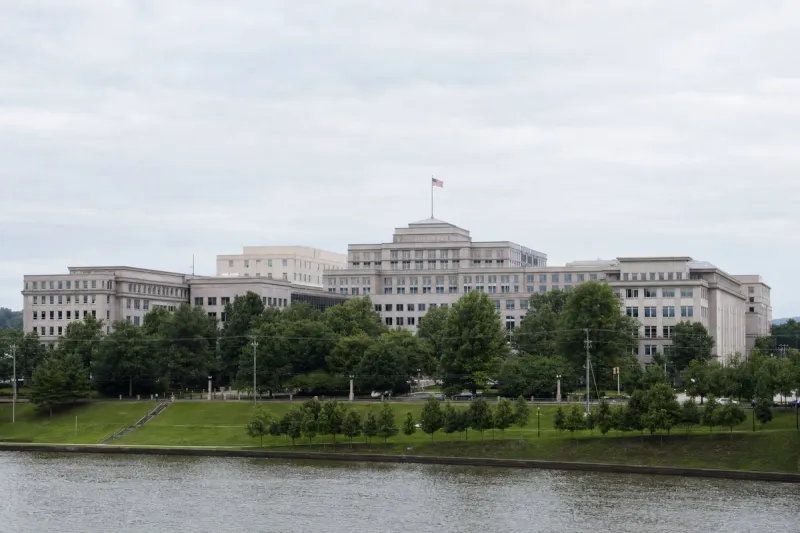
SMART is part of a broader $875 million, 12-year contract awarded to Air Space Intelligence to provide centralized intelligence for the nation's airspace. In its initial phase, SMART will function as a decision-support tool during complex operational disruptions, with future iterations expected to assist with managing flight arrivals and intervals and planning aircraft routes days in advance. Coinciding with Monday's launch, the FAA plans to open a centralized office for the program at the U.S. Department of Transportation headquarters on New Jersey Avenue in Washington, D.C.
FAA Administrator Bryan Bedford said: "The way we manage traffic today is chaotic, and we can do better. We need to manage that at the FAA, rather than rely on commercial airlines to simply schedule however they want." Officials have stressed that SMART is not intended to replace human air traffic controllers, and U.S. Department of Transportation Secretary Sean Duffy and the relevant union have both emphasized that humans will remain in charge, with the system acting solely as an advisor. Airlines for America, the trade association representing most major U.S. airlines, has said it expects the software to deliver significant safety benefits and expand airspace capacity while improving operational efficiency. The initiative is also described as part of President Donald Trump's push to modernize the United States' aviation infrastructure and complements a broader controller hiring program aimed at addressing staffing shortages.
Industry impact & what to watch
This case sits within a wider effort to bring predictive, data-driven planning into airspace management that has historically relied on airline scheduling decisions and controller judgment made close to the moment of disruption. Centralizing forecasting of congestion weeks in advance, rather than reacting to it as it develops, changes who holds the first view of where bottlenecks will form.
Air traffic coordination in the U.S. has worked as a distributed system: airlines set schedules, controllers manage flow tactically, and the FAA intervenes through ground delay programs or reroutes once congestion is already visible. A shared digital view and standing advisory recommendations shift some of that anticipatory work to a government-run tool, while final authority over any individual aircraft's movement stays with a human controller, as officials and the union have both stated.
What happens next depends on how the initial decision-support phase performs during real disruptions before the FAA extends SMART into arrival sequencing and multi-day route planning. Airlines for America's expectation of capacity and efficiency gains will be tested against actual delay outcomes once the tool is operating nationwide, and the pace of that expansion through 2028 will show how much of the scheduling function the FAA is prepared to take on from carriers.