NTU Completes Flight Testing of Singapore's Homegrown eVTOL After Three-Year R&D Programme
Why It MattersEarly eVTOL programmes remain years from commercial service, with progress gated by funding, autonomy development and range rather than by flight-test milestones alone.
What happened
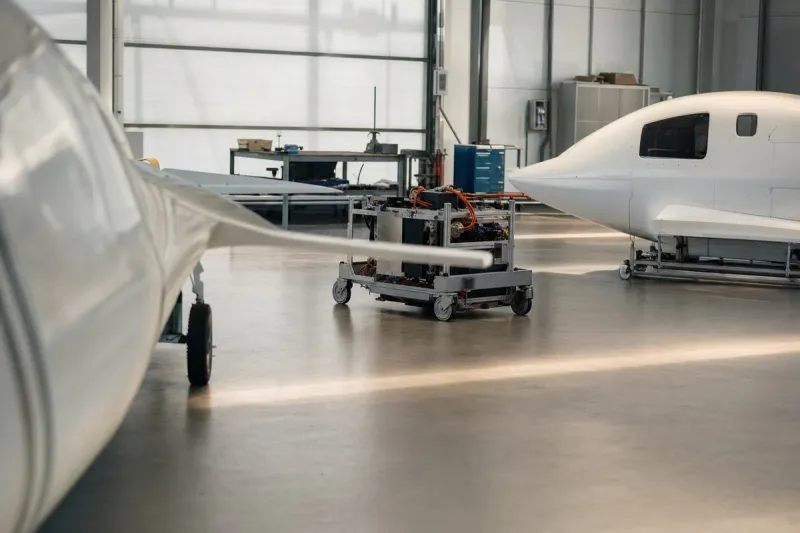
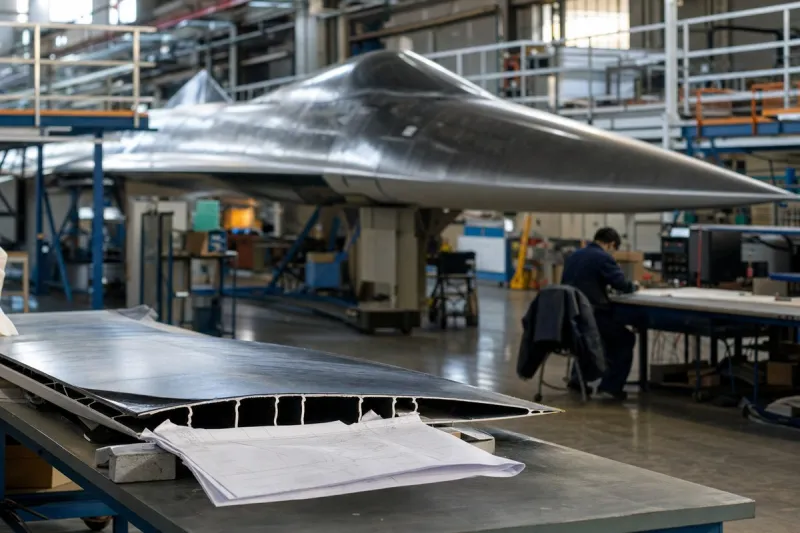
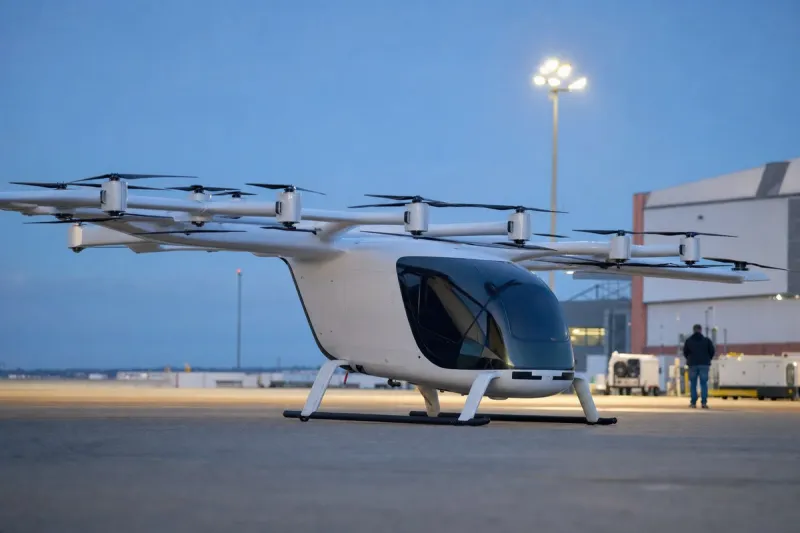
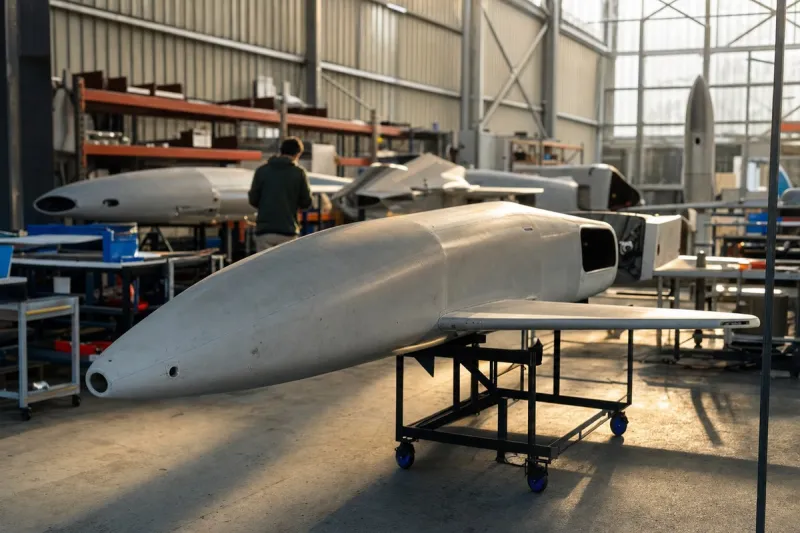
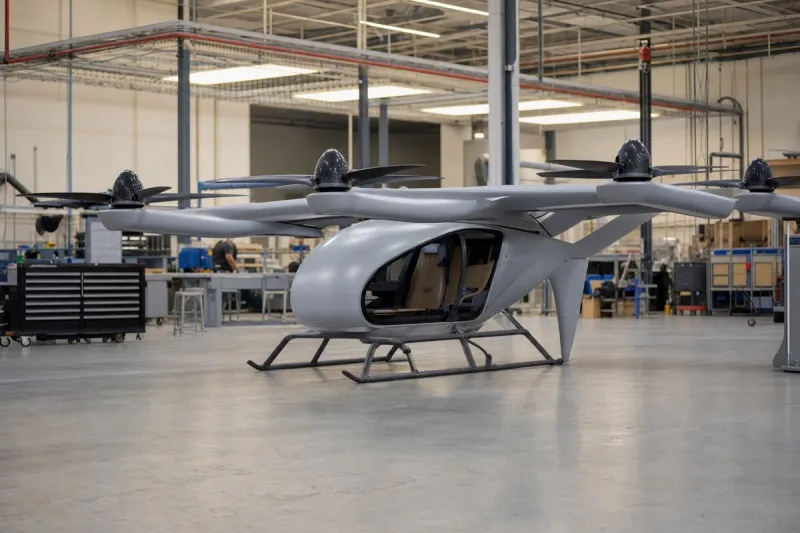
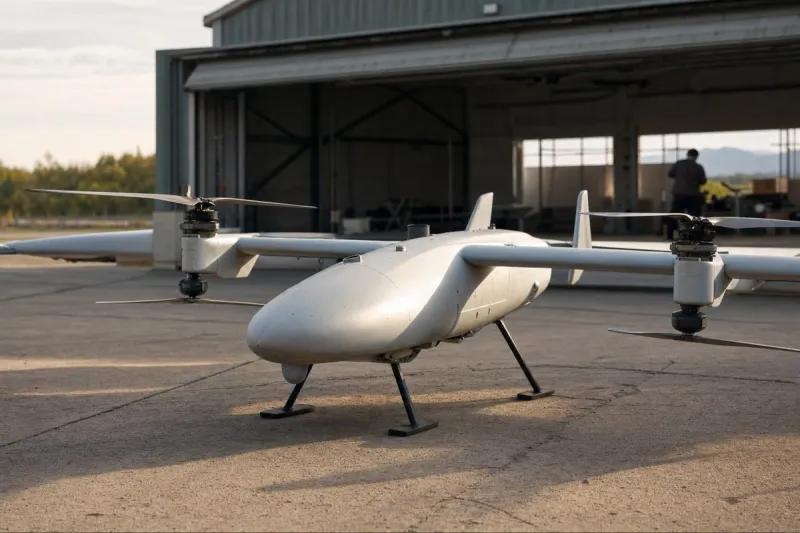
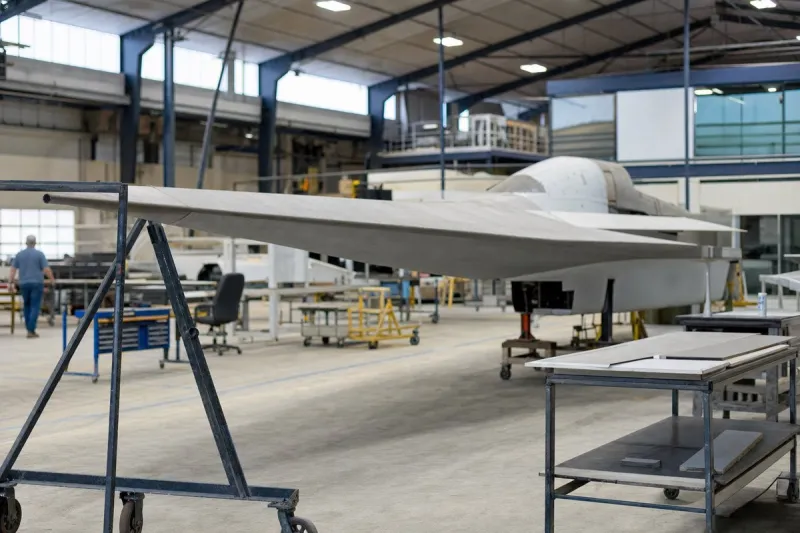
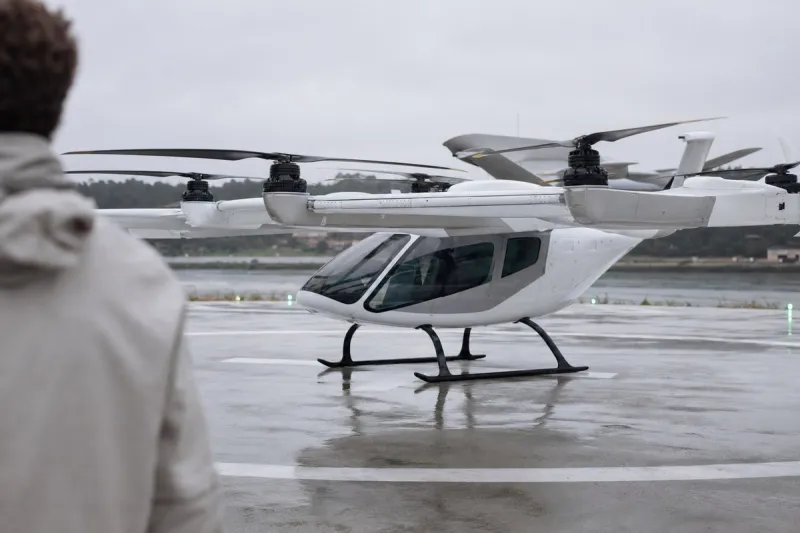
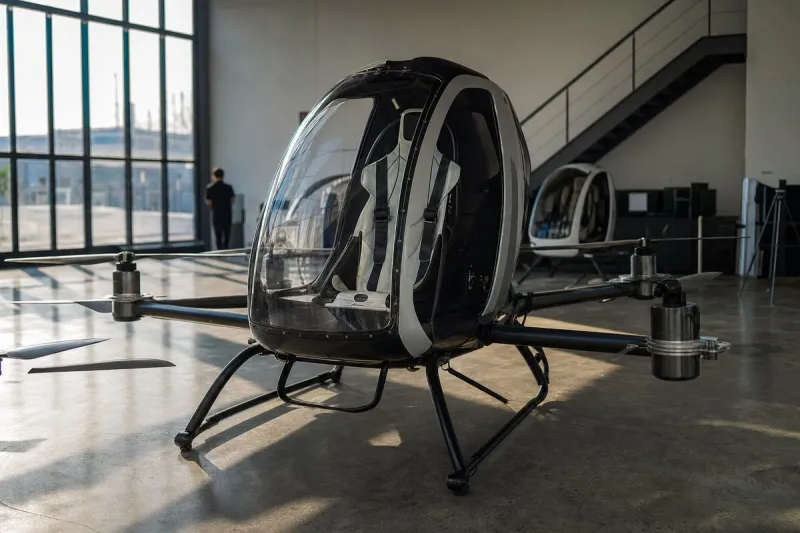
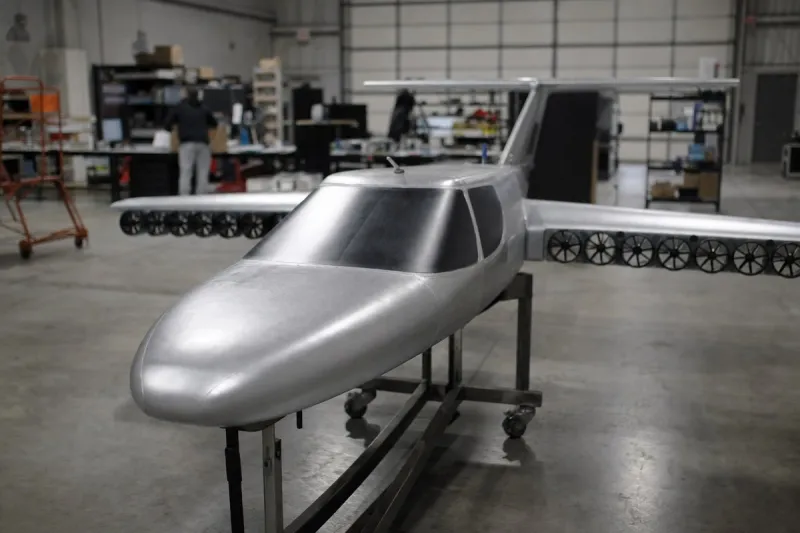
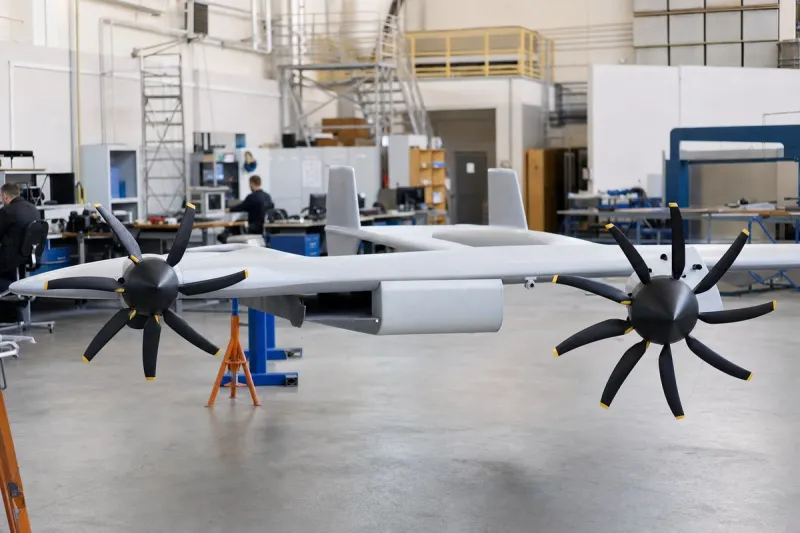
Nanyang Technological University has completed flight testing of Singapore's domestically developed eVTOL aircraft programme, closing out three years of research and development. Two demonstrators, one with an 8-metre (26ft) wingspan and another with a 3-metre wingspan, conducted a month-long series of test flights in July at DLR's flight-test centre in Cochstedt, Germany.
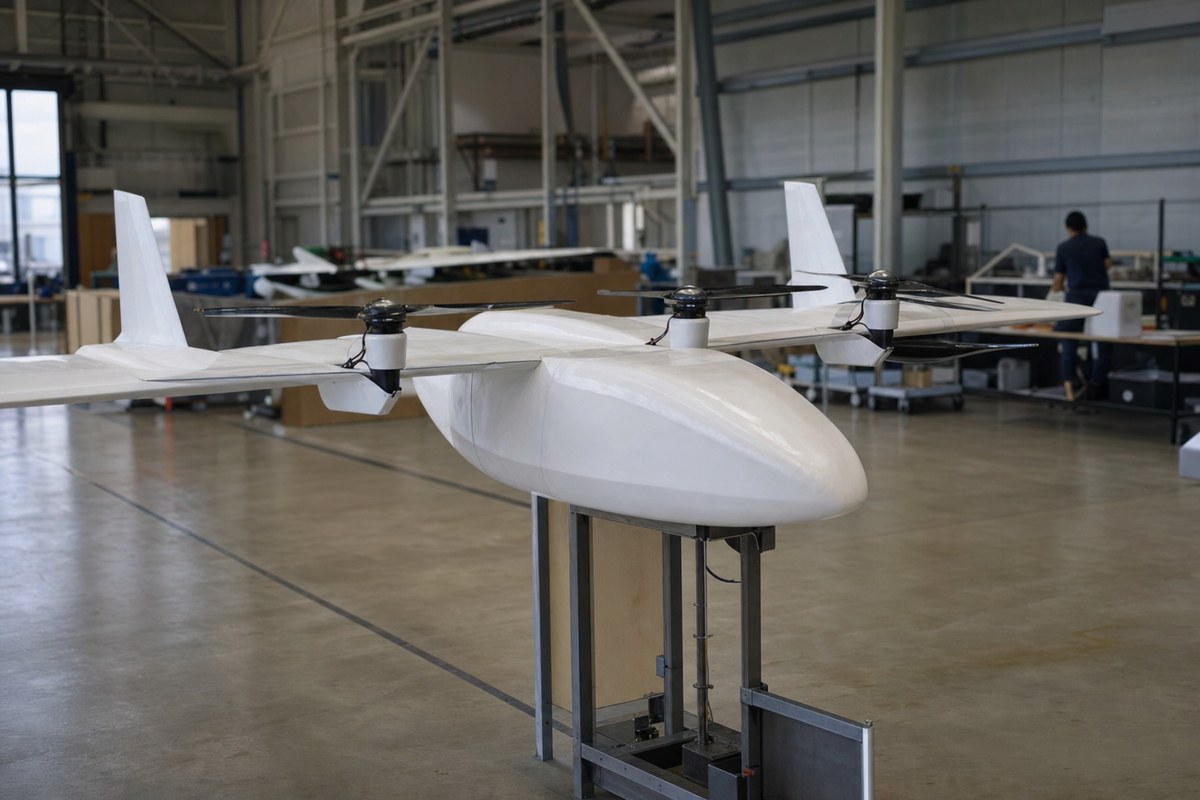
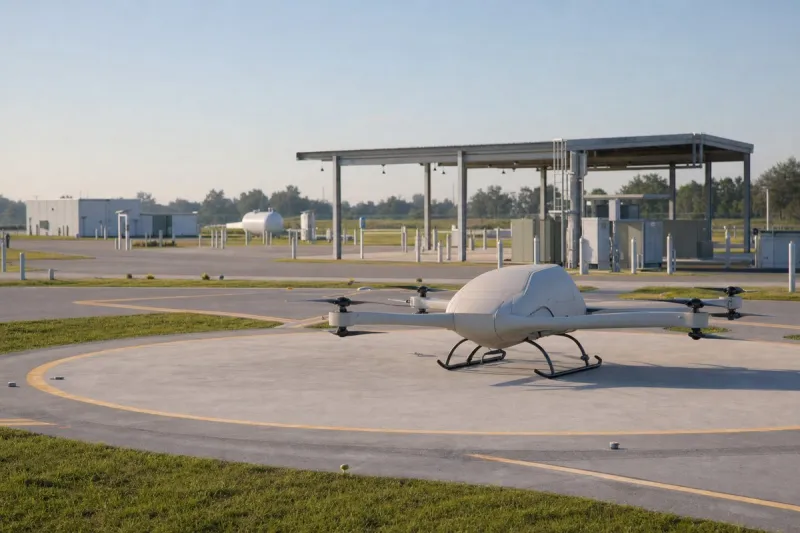
The prototypes completed close to 40 test flights between them. The larger variant accumulated 43 minutes of flight time and reached an altitude of up to 92 metres, while the smaller variant flew for 108 minutes and reached up to 60 metres. Both aircraft achieved forward flight speeds of up to 65 knots (120km/h). Each demonstrator carries eight wing-mounted rotors for vertical flight and a larger pusher-propeller for cruise, and was flown remotely with two controllers apiece — one managing hover flight via line of sight outdoors, and a second taking over once the aircraft transitioned to fixed-wing flight.
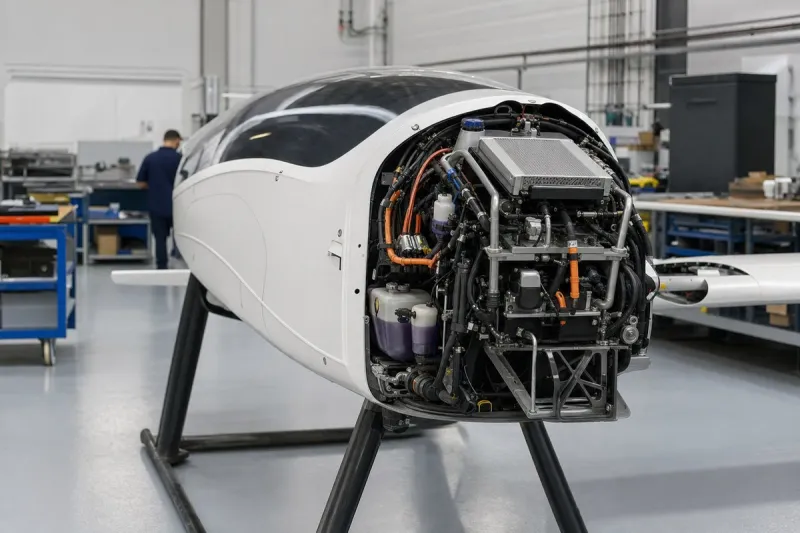
The programme has been led by NTU Professor James Wang, a former chief of research and development at Leonardo Helicopters, with a team of about 30 members made up mostly of undergraduate and postgraduate students. It has received around S$25 million ($19.7 million) in government funding, with additional support from Eaton Aerospace, Embention and Flare Dynamics. The larger demonstrator was unveiled at the Singapore Airshow earlier this year before being shipped to Germany for testing. Wang said the team is now working to enhance autonomous flight capability, extend range to up to 162 nautical miles (300km), and explore conversion to a hybrid-electric system using hydrogen fuel cells, adding that commercialisation remains uncertain and will depend on available funding and manpower.
Industry impact & what to watch
This programme sits inside a broader pattern of university- and government-backed eVTOL development that uses remote-piloted demonstrators to validate transition flight between hover and forward flight before any move toward crewed or autonomous operation. Testing at a dedicated flight-test centre in Germany rather than in Singapore reflects how early-stage eVTOL work often depends on borrowed test infrastructure and cross-border partnerships involving avionics and propulsion suppliers.
In this segment, flight-hour totals and altitude figures function as development checkpoints rather than proof of commercial readiness — the next hurdles named are autonomy, a tenfold-plus range increase to 300km, and a possible switch to hydrogen fuel cells, each a separate technical programme in its own right.
Wang's own framing of commercialisation as dependent on funding and manpower points to where the story goes next: whether the S$25 million already committed is extended or matched by new government or industry backing, and whether the team can scale from roughly 30 mostly student researchers to a programme capable of pursuing certification.