Medical Air Insurance Explained: Air Ambulance Costs Can Exceed $100,000 and 77% of Claims Are Out-of-Network
Why It MattersBecause insurers often cap reimbursement at allowed amounts far below billed charges, out-of-network exposure remains structurally built into air medical transport pricing.
What happened
A 2017 study found the median charge for a helicopter air ambulance flight was $36,400, while fixed-wing flights carried a median charge of $40,600. Allowed insurance amounts for helicopter transports averaged closer to $23,000, leaving patients with surprise out-of-network bills averaging nearly $20,000. Domestic air medical transport costs range from $10,000 to $75,000 depending on distance and crew requirements, and international transports can exceed $100,000.
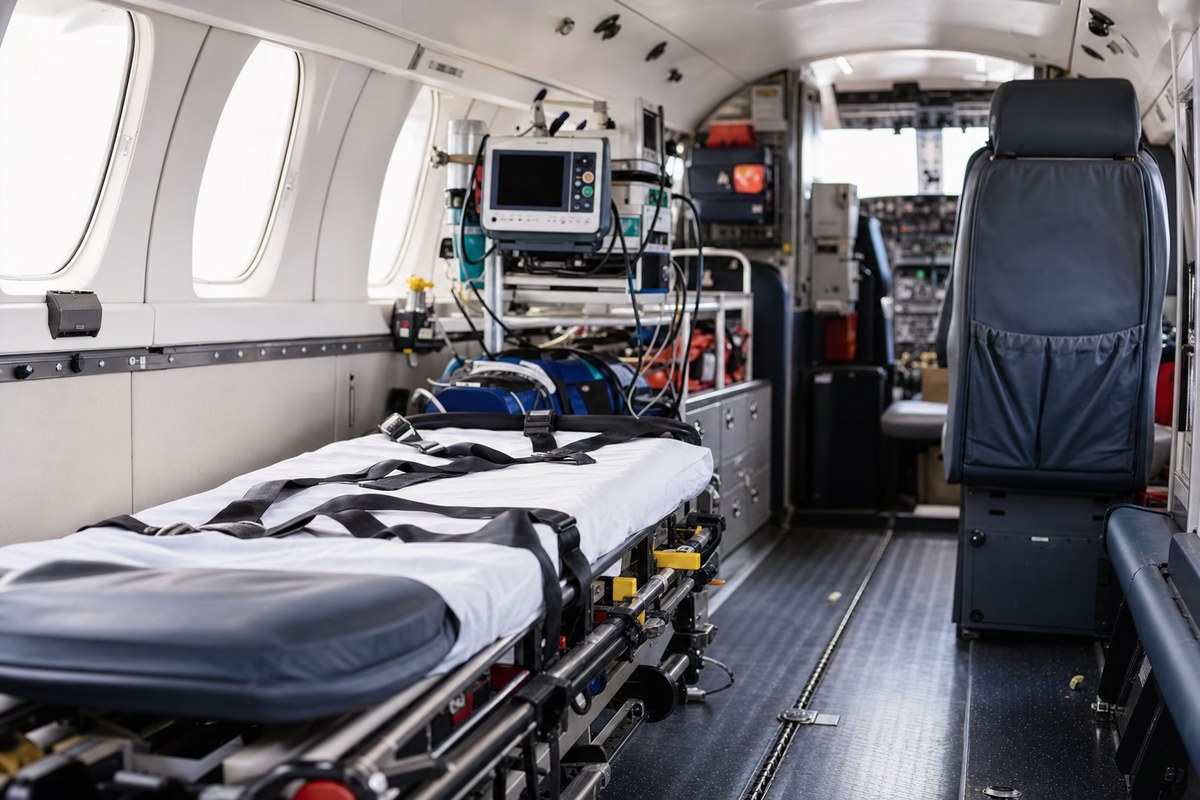
Cost by aircraft type breaks down further: rotary-wing (helicopter) flights typically run $10,000 to $40,000 or more, at approximately $238 per mile, while fixed-wing (airplane) flights typically run $40,000 to $80,000 or more, at approximately $104 per mile. Helicopters are described as best suited to scene calls and short-range trauma, while fixed-wing aircraft handle interfacility transfers over longer distances.
A large U.S. study found that approximately 77% of air ambulance claims were out-of-network. Many health plans limit coverage to transport to the nearest appropriate facility rather than a patient's preferred or home hospital. Emergency air transport typically requires a declaration of medical necessity from local emergency medical services or a treating physician, and insurers may require prior authorization, which is sometimes granted retroactively in true emergencies. Air ambulance memberships are described as prepaid subscription arrangements with specific providers, distinct from insurance products, standard travel insurance, and medical air insurance policies, each with different coverage triggers.
Industry impact & what to watch
This case illustrates a persistent gap between billed charges and allowed insurance amounts in emergency air medical transport, a gap that falls directly on the patient when the provider is out-of-network. With 77% of claims out-of-network in the cited study, surprise billing is not an edge case in this segment but a routine feature of how air ambulance transport gets paid for.
The economics reflect fixed costs that do not scale down: critical care equipment, 24-hour crew readiness, and flight medicine staffing apply whether a helicopter flies ten miles or a fixed-wing aircraft crosses a border, which is why per-mile costs stay high relative to ground transport and why insurers' allowed amounts often lag far behind billed charges.
What determines a patient's actual exposure is whether medical necessity is declared, whether the specific provider is in-network, and whether the destination is the nearest appropriate facility or a preferred one — three separate triggers that standard health insurance, medical air insurance riders, and membership subscriptions each handle differently.