Airlines accuse Airservices Australia of understating ATC-related delays, citing uncounted knock-on effects
Why It MattersThe dispute shows how flow-management statistics can understate real network disruption when knock-on cancellations, crew and connection effects go uncounted in official delay attribution.
What happened
Airlines for Australia and New Zealand (A4ANZ) has accused Airservices Australia of lacking transparency about the extent of air traffic control-related delays, arguing that official figures capture only initial delays and not the broader network-wide disruptions that follow. A4ANZ CEO Stephen Beckett said Airservices is "not being upfront about the full extent of delays resulting from its actions," noting that a delay to one aircraft can cascade across schedules, crew movements and passenger connections throughout the day.
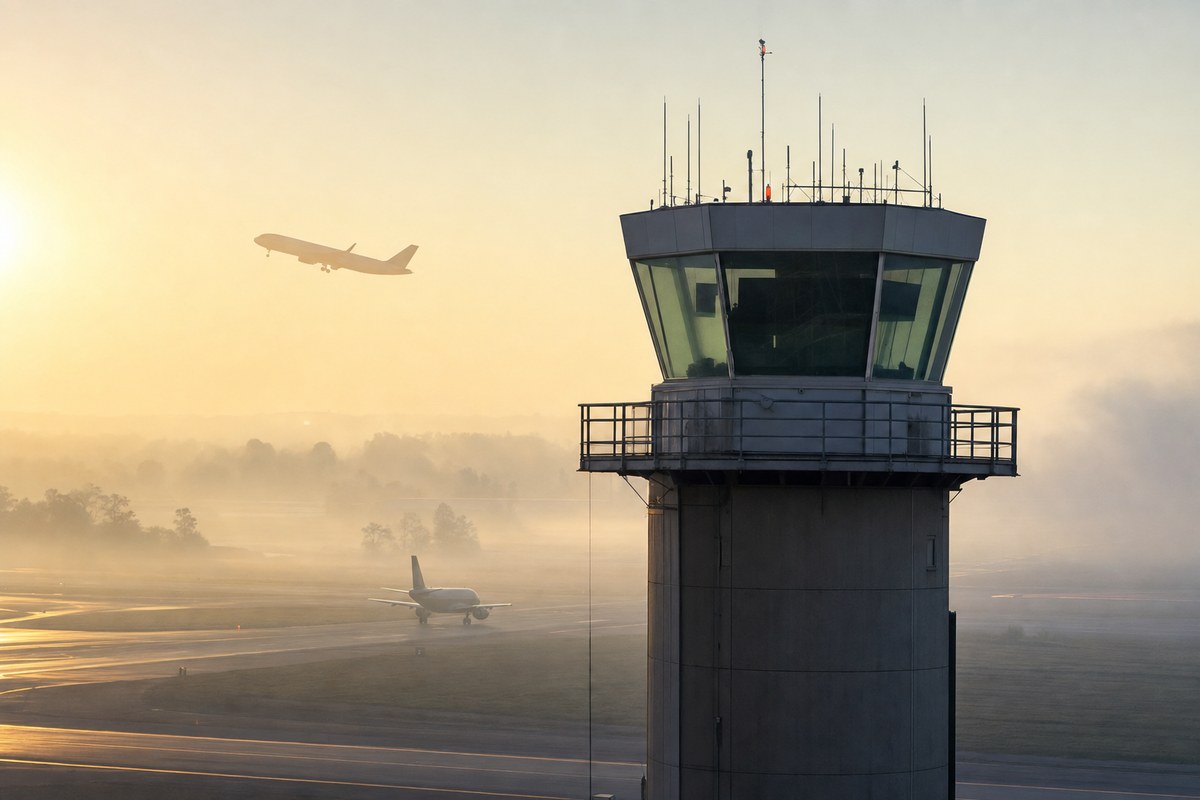
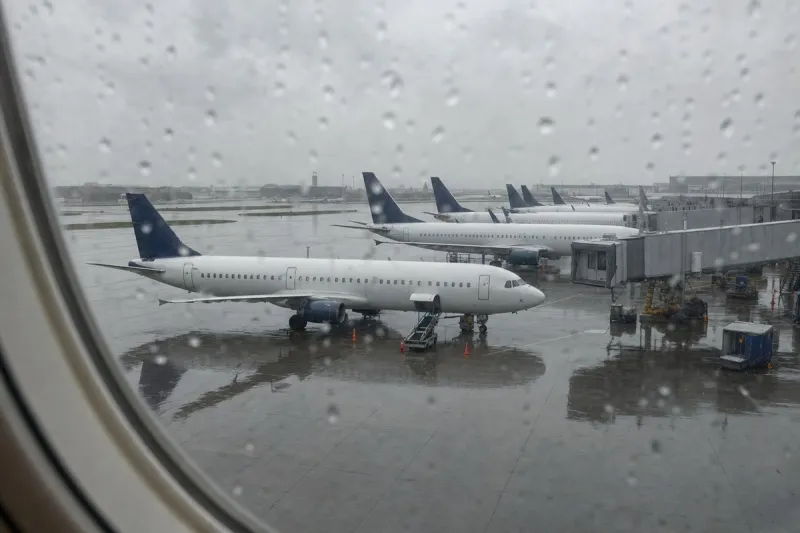
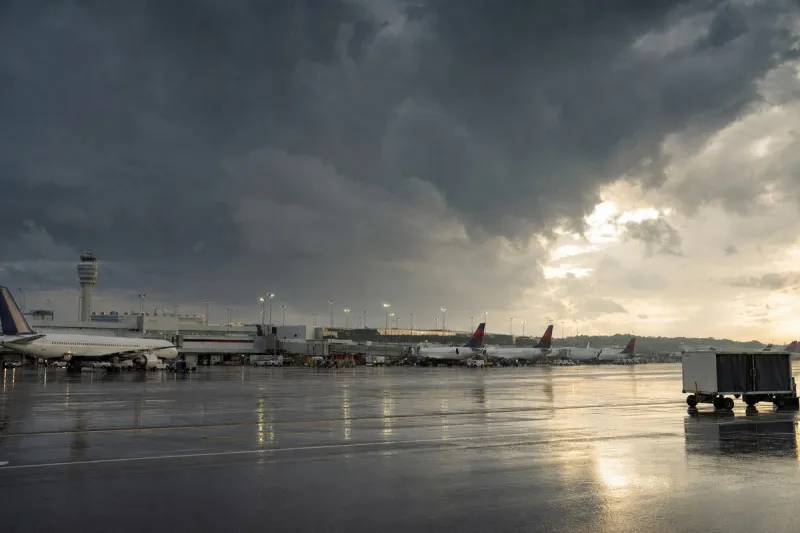
Airservices reported that ground delay programs from air traffic flow management (ATFM) accounted for only 2.1 per cent of total network delays in July, a figure airlines contend understates the true impact once knock-on effects are counted. The dispute followed disruptions at Sydney Airport due to "roster constraints" at air traffic control, with at least six flights cancelled and others delayed by up to 90 minutes. Melbourne Airport separately saw ground delays due to weather on the same day. Airservices said the ATFM measures imposed at Sydney were cancelled at 8:15am following improved conditions, with departure delays for domestic and international flights subsequently running mostly under 10 minutes, though additional ATFM measures were enacted later that afternoon.
Appearing before a Senate committee, Airservices deputy chief executive Peter Curran said the day's events were recorded "as a matter of course" and estimated approximately 14 inbound cancellations, with a consequent number of outbound cancellations also expected. He said attribution data would be published on Airservices' website and that airlines have a weekly review process to contest figures they believe are inaccurate. Curran said Airservices has been holding weekly meetings with chief-level officers at Qantas and Virgin to provide status updates on delay attribution.
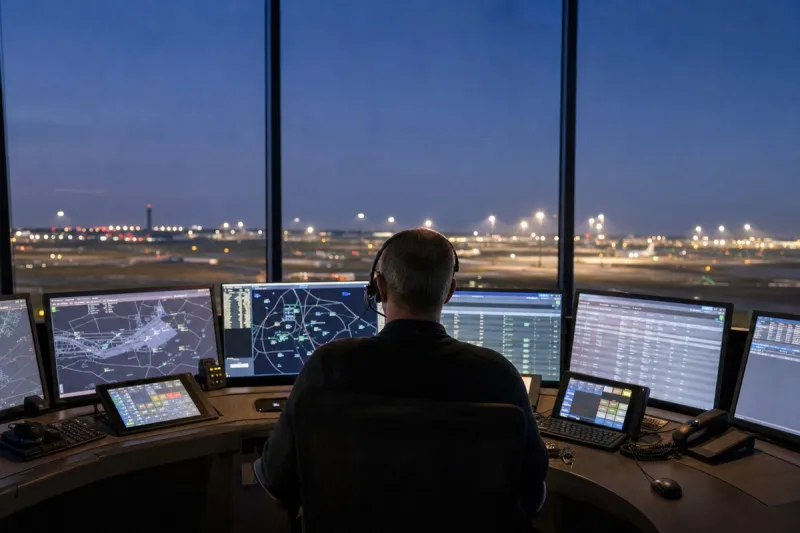
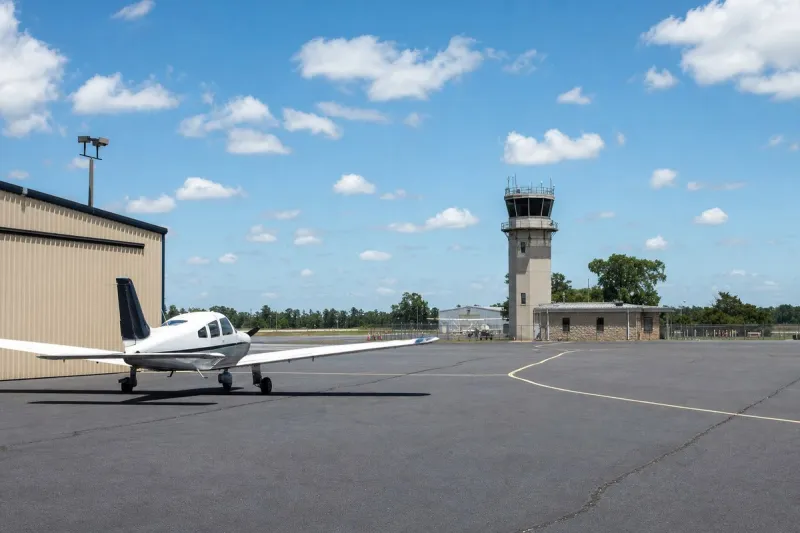
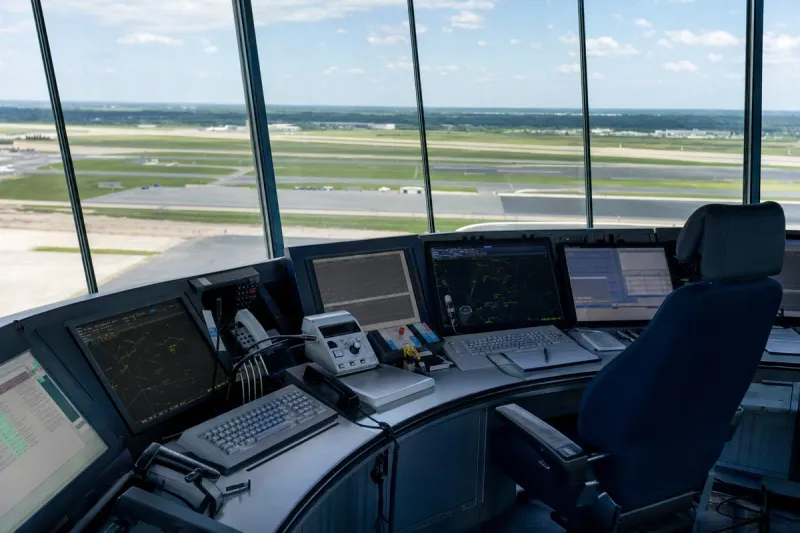
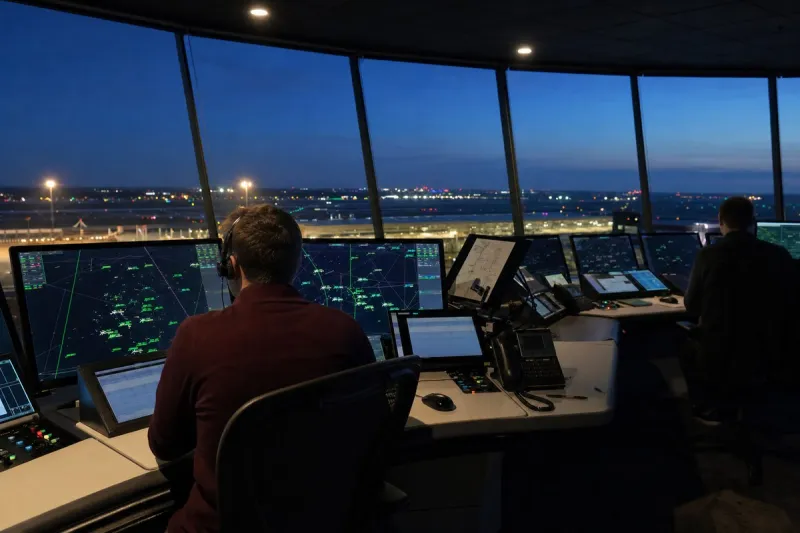
Curran told the committee that Sydney employs 49 air traffic controllers, with 41 required for rostering, but that long-term medical unavailability had left eight or nine controllers unable to work. "When we have a bit of short-term sickness like we had last night, it makes it very difficult to recover … we were one down in the tower this morning and that led to some significant delays," he said. Airservices is seeking to grow its ATC workforce from the current 1,100 to 1,200 by July 2028, with 914 of those presently available to work as controllers against a stated need of 890, and around 120 trainees in its pipeline. In its Australian Aviation Network Overview report for July 2026, Airservices described July as "a disappointing month," citing increased service variations and three activations of ground delay programs due to constraints at Sydney Airport, and said it "still has work to do to strengthen service resilience, particularly in Sydney."
Industry impact & what to watch
The disagreement over a single figure — 2.1 per cent — illustrates a recurring tension in air traffic management reporting: headline delay-attribution statistics typically measure the first-order cause of a ground delay program, not the cascading disruption it triggers across crew rosters, aircraft rotations and passenger connections later in the day. Airlines and air navigation service providers routinely disagree on where responsibility sits precisely because the metrics each side publishes answer different questions, and a weekly review process for contesting attribution, as Curran described, only works if both sides agree on what counts as a knock-on effect in the first place.
Staffing is the more concrete thread to track. Sydney's tower needs 41 rostered controllers out of 49 employed, and Curran's account of being "one down" after short-term sickness compounding existing medical unavailability shows how thin that margin runs at a major hub. Airservices' plan to grow the national controller workforce from 1,100 to 1,200 by July 2028, alongside 120 trainees already in the pipeline, is the structural fix; whether it arrives fast enough to prevent repeats before the 2028 target is the open question.
The proposed temporary closure of Sydney's tower during curfew hours from November 1, with curfew-exempt freight rerouted to Western Sydney Airport, is the nearest concrete step to watch, alongside whatever attribution data Airservices publishes for the disputed Sydney event and how Qantas and Virgin respond to it in their weekly meetings with the organisation.