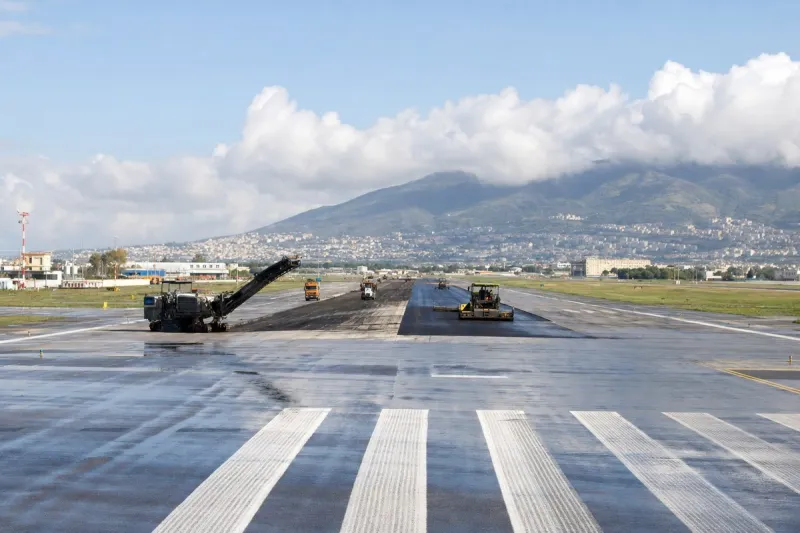
FAA Ground Delay Program in Effect at Austin-Bergstrom International Airport Due to Runway and Taxiway Construction
Why It MattersMulti-year airfield expansion projects at capacity-constrained airports can force recurring ground delay programs each construction season, as phased runway and taxiway work temporarily narrows arrival flexibility.
What happened
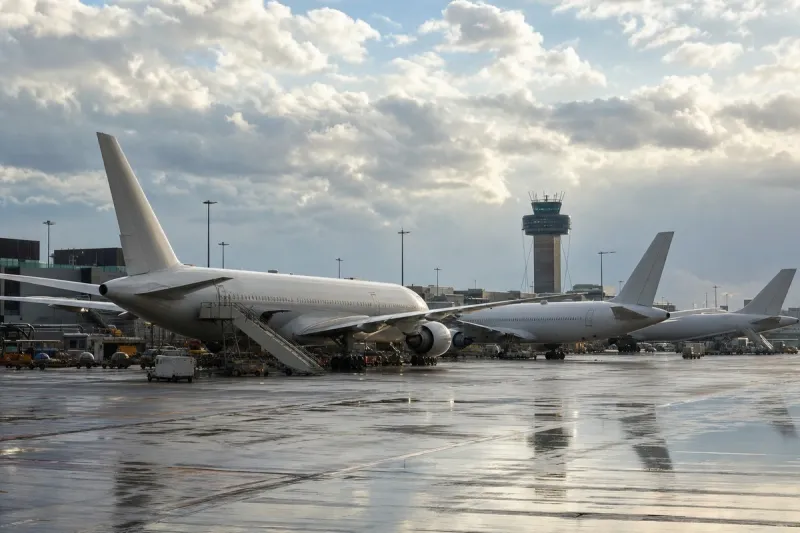
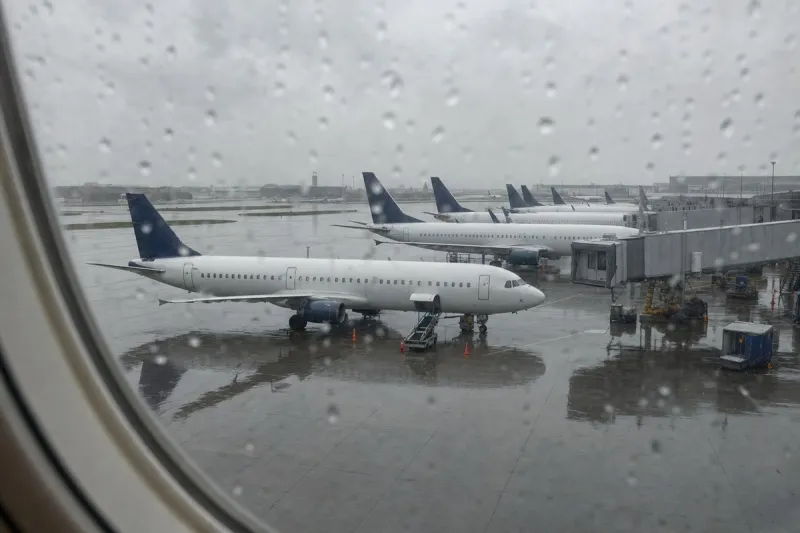
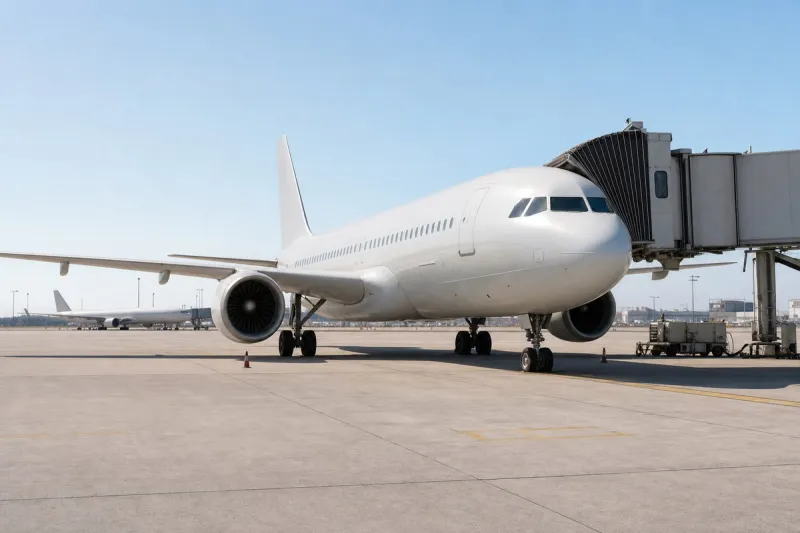
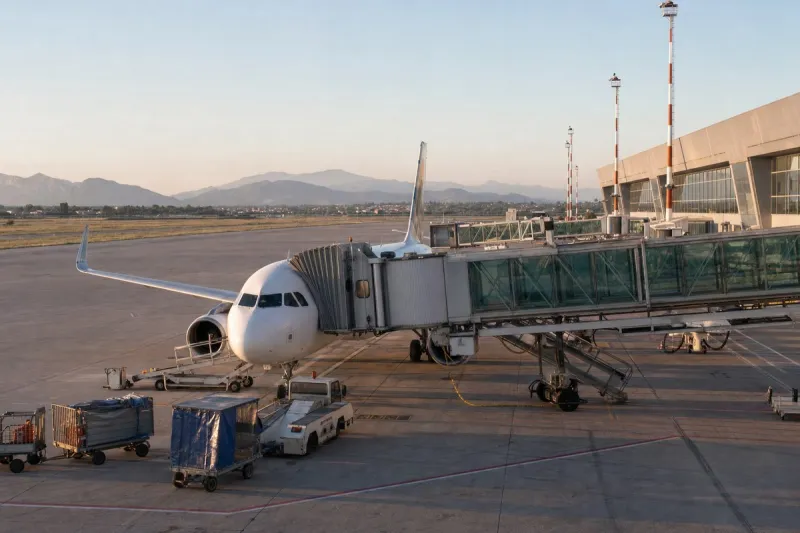
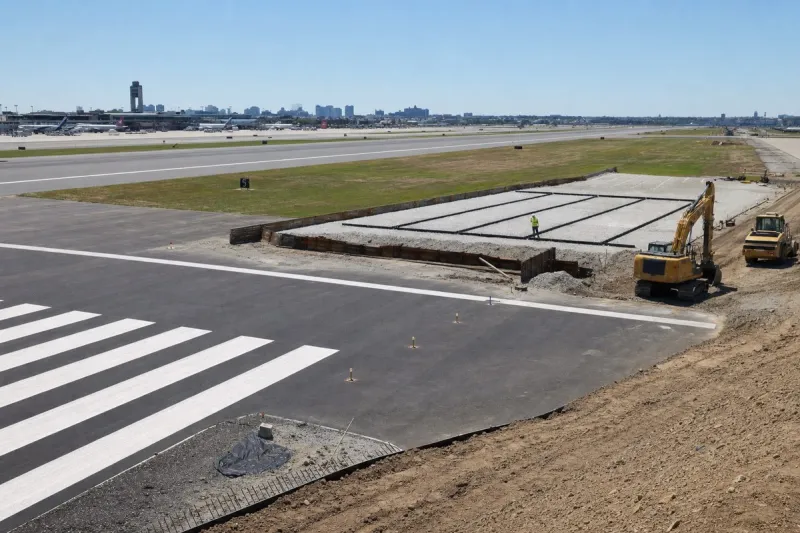
The Federal Aviation Administration has put a ground delay program in place at Austin-Bergstrom International Airport, citing ongoing runway and taxiway construction that is temporarily reducing the airport's arrival capacity. Under the program, flights departing for Austin are assigned controlled departure times from their origin airports based on available landing slots at AUS, keeping aircraft on the ground at their departure points rather than holding in airborne queues near Austin.
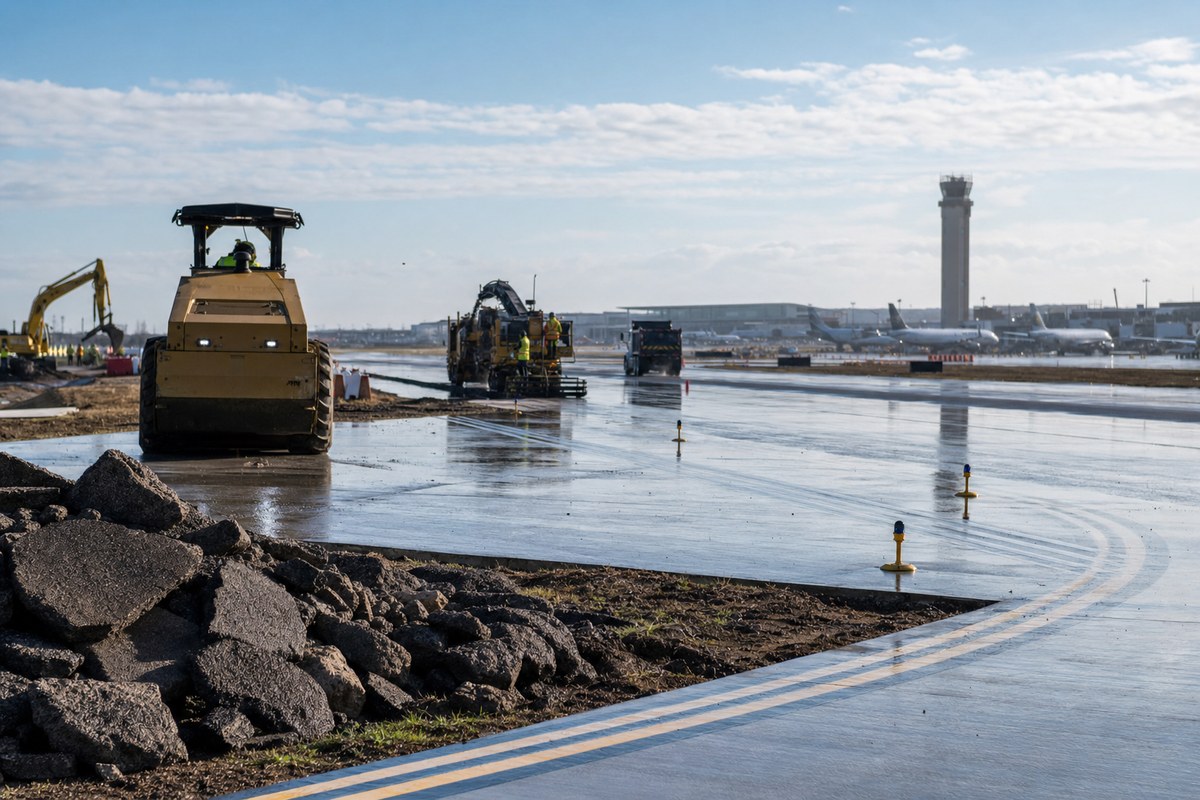
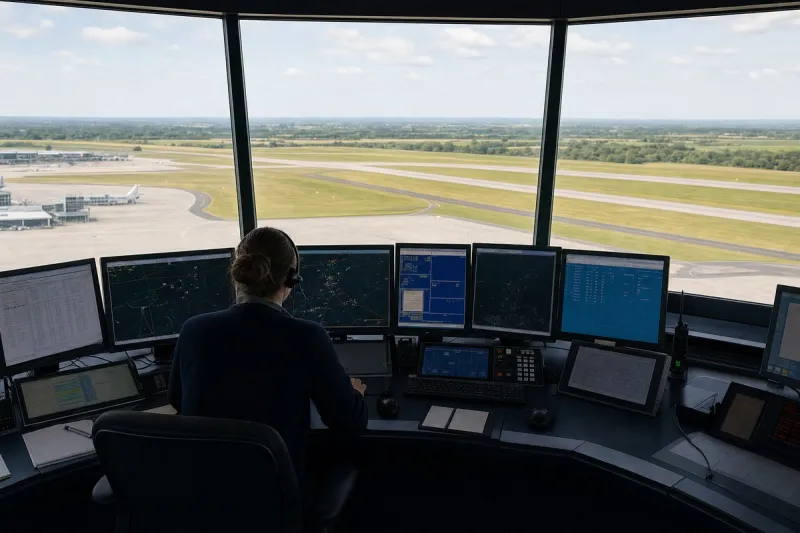
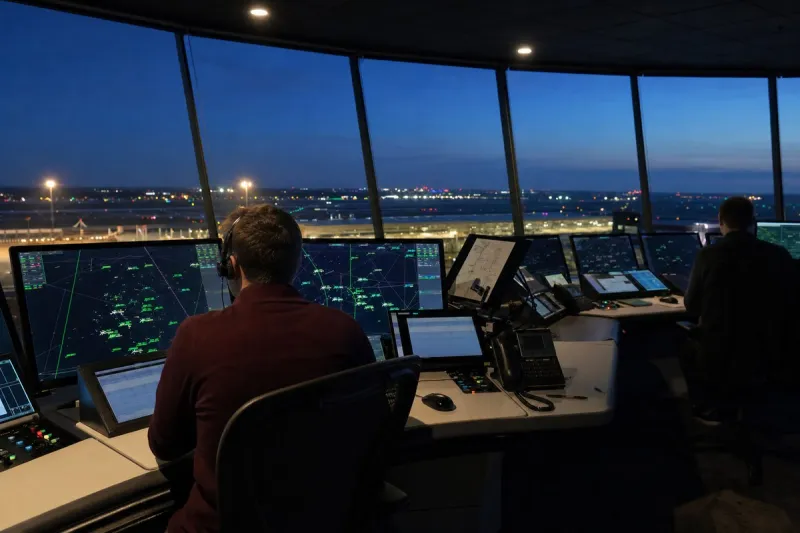
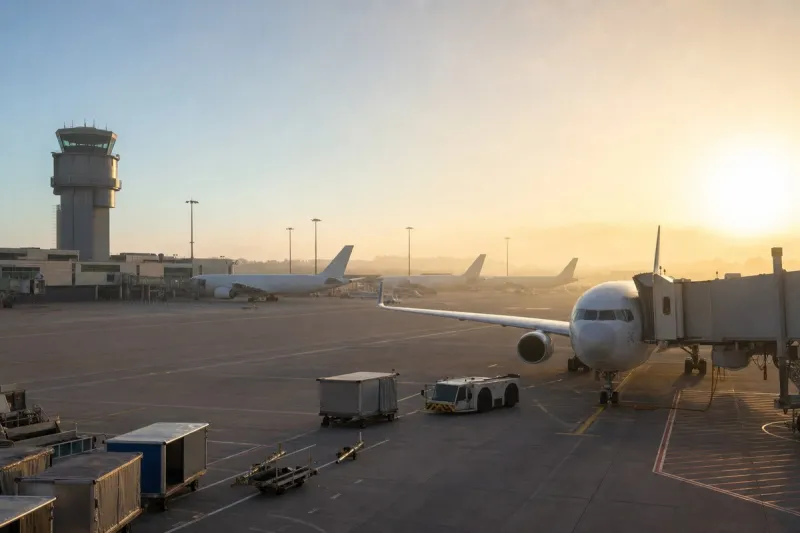
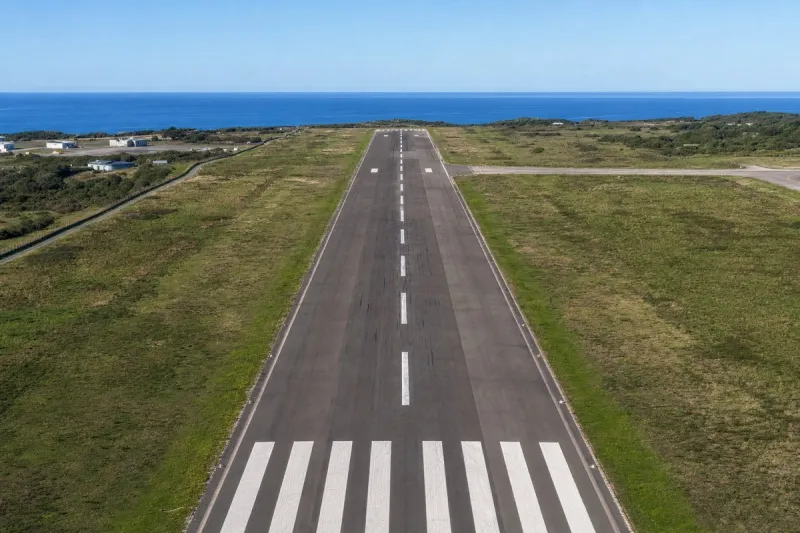
FAA air traffic management data shows arrival delays currently averaging in the tens of minutes for some flights, with impacts varying by airline and route. The construction is part of Austin-Bergstrom's multi-year expansion initiative, known as the "Journey With AUS" program, which includes new taxiways, additional gates, and a midfield concourse. Austin operates a two-runway layout, and restrictions on critical taxiway pavement are limiting the number of usable arrival paths and reducing controllers' flexibility to sequence aircraft.
FAA construction guidance notes that airfield projects are typically divided into phases to keep at least one primary runway and associated taxi routes open at all times, with Notices to Air Missions and updated airport diagrams issued for each phase to inform pilots and dispatchers of closed intersections, altered taxi paths, and temporary markings. FAA documentation indicates the airfield construction at Austin is structured to continue across multiple construction seasons.
Industry impact & what to watch
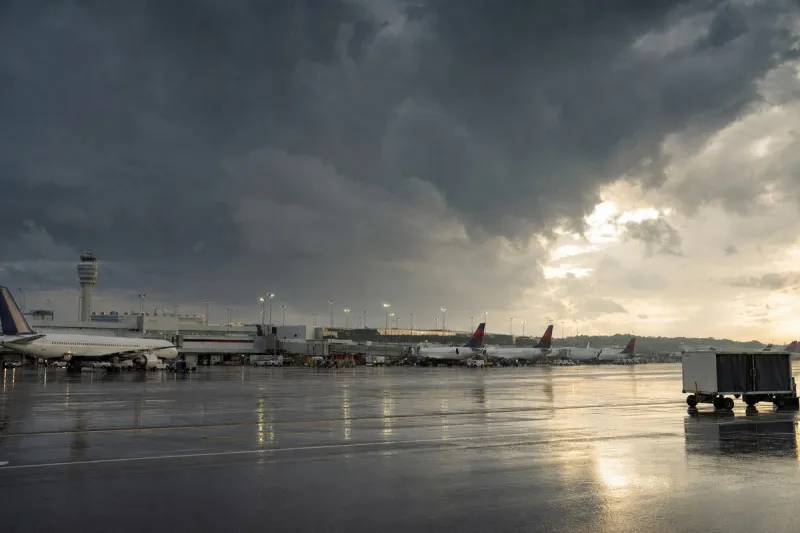
This is a case of infrastructure investment producing short-term capacity loss at the same airport it is meant to eventually expand: work meant to add taxiways, gates, and a midfield concourse is, in its active phases, narrowing the arrival paths controllers can use today. Ground delay programs are the FAA's standard tool for this trade-off, absorbing the capacity shortfall by holding aircraft at their origin rather than in the air over the constrained field, which conserves fuel even as it pushes delay earlier into a flight's timeline.
Because Austin runs a two-runway layout, it has less slack to absorb taxiway closures than airports with more parallel routing, so even a single work zone can compress arrival rates measurably. With construction structured across multiple seasons, similar ground delay programs are likely to recur as later project phases close different taxiway sections, meaning the pattern seen now is not a one-off but a recurring feature of the airport's build-out. The next markers to watch are the NOTAMs and airport diagrams issued for each new construction phase, which will show when and where the next round of restrictions lands.