Illinois DOT outlines advanced air mobility and next-generation airport planning strategy at 2026 Global Aerospace Summit
Why It MattersState-level AAM planning and ADS-B-based traffic counting signal growing pressure on airport systems to justify capital investment with data as eVTOL and drone operations expand.
Illinois Department of Transportation officials BJ Murray, Section Chief of Aviation Transportation Program Planning, and Todd Dugan, Aviation Annual Program Planning Specialist, presented a statewide roadmap for advanced air mobility and airport planning at the 2026 Global Aerospace Summit, held August 19–20 in O'Fallon, Illinois. The session covered statewide studies on AAM infrastructure, airspace policy, airport operations tracking and aviation's role in economic development.

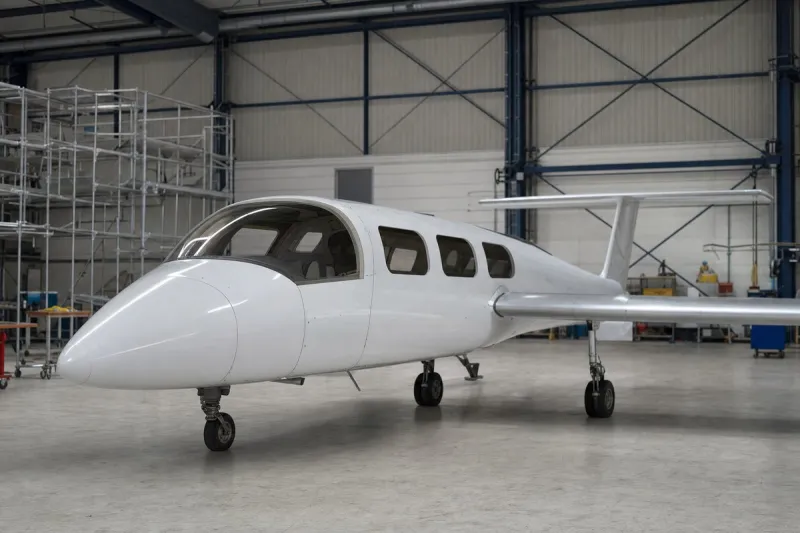
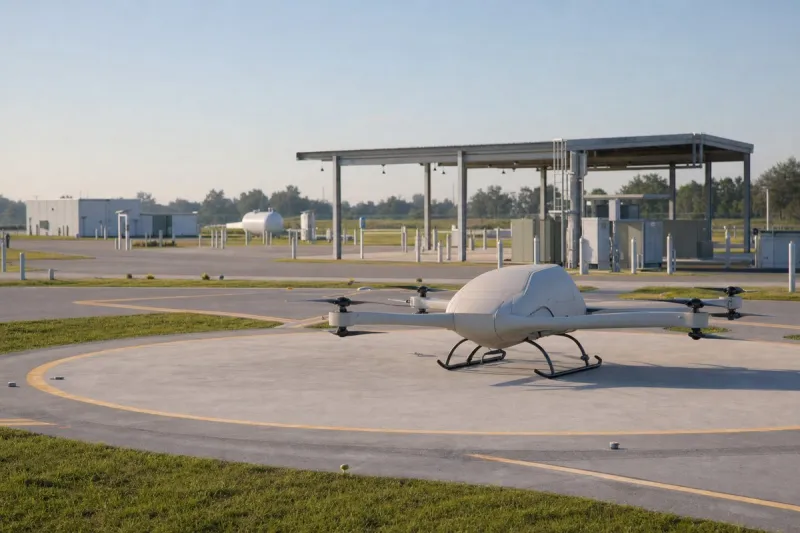
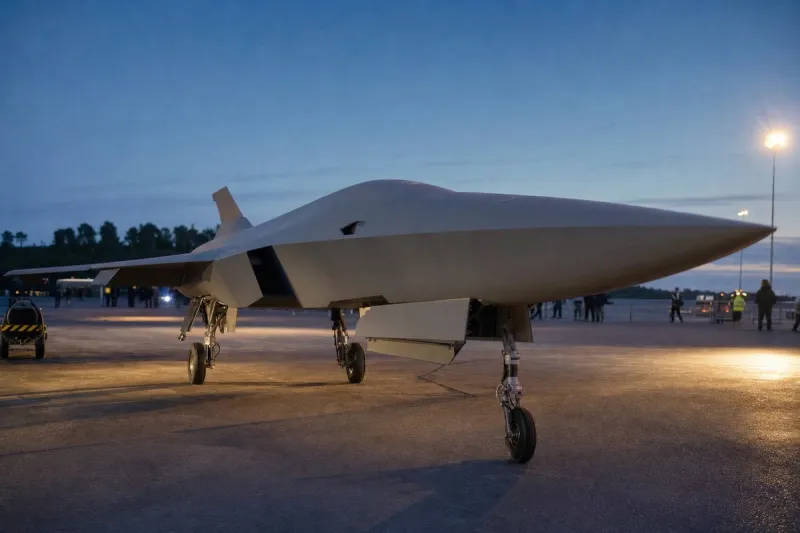
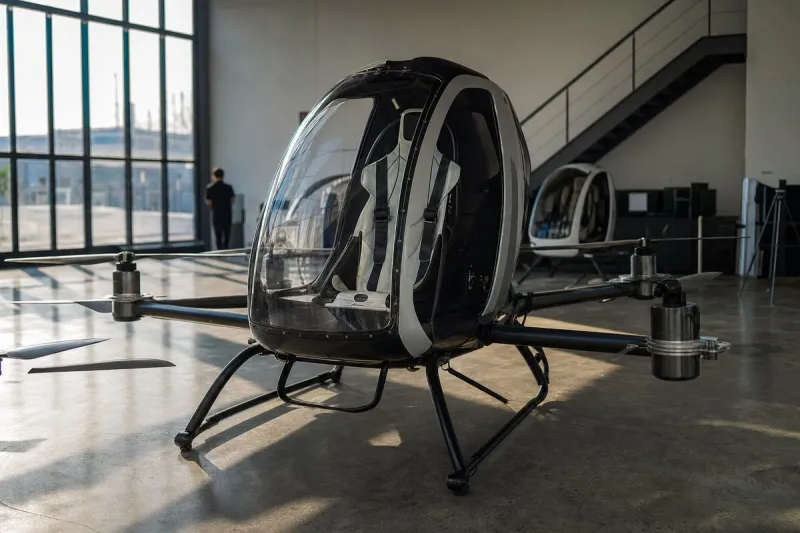
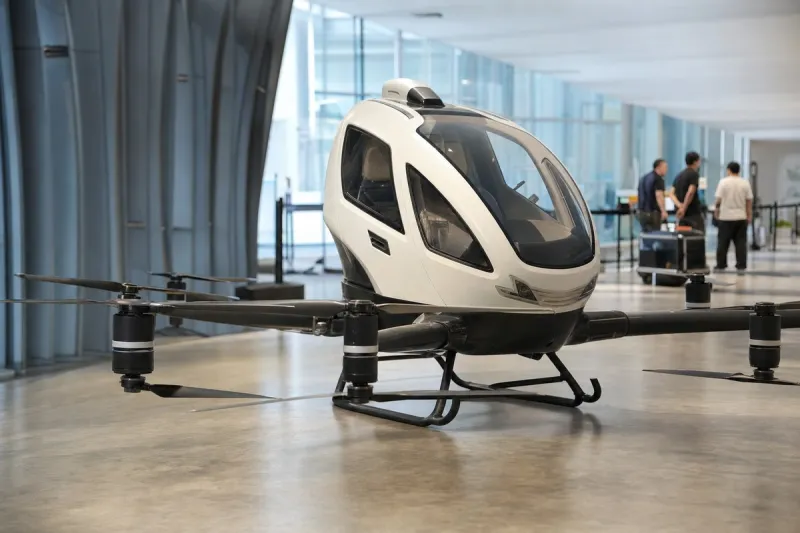
Through its Advanced Air Mobility System Plan Study, IDOT is evaluating infrastructure, airspace and policy requirements for eVTOL aircraft, autonomous systems and drone-based operations. Dugan said Illinois launched the study after recognizing other states were already laying groundwork for the technology, noting Illinois was falling behind in planning. Presenters cited medical drone systems transporting blood and supplies in Rwanda, Northwestern Medicine's exploration of drone-based medical sample transport in Chicago, expanding retail and logistics drone delivery programs, agricultural operators evaluating autonomous aircraft, and Boeing's MQ-25 Stingray program at MidAmerica St. Louis Airport as examples of next-generation aerospace activity already present in Illinois.
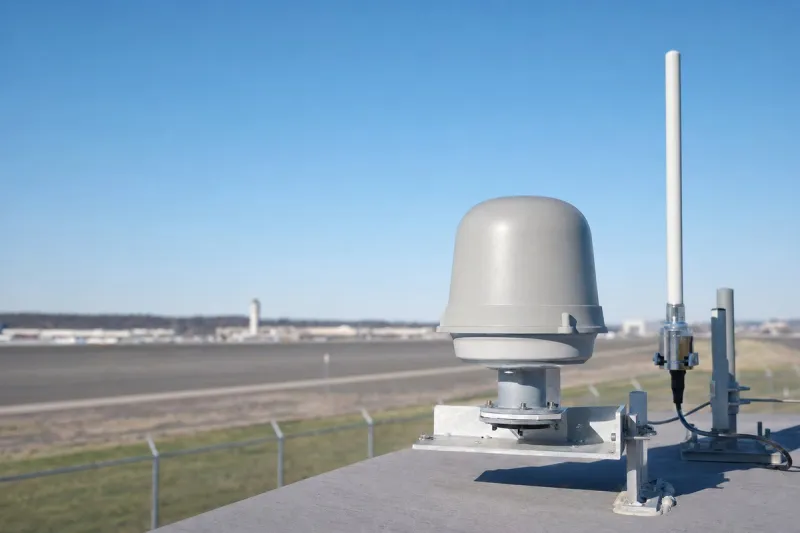
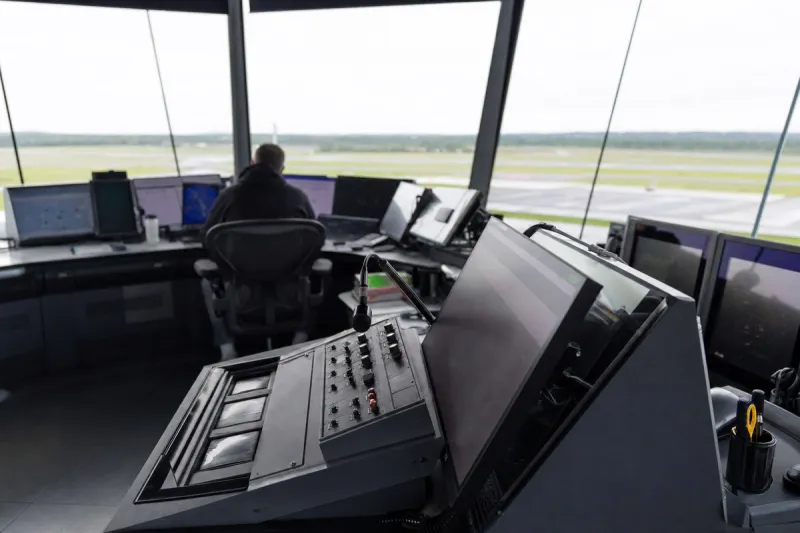
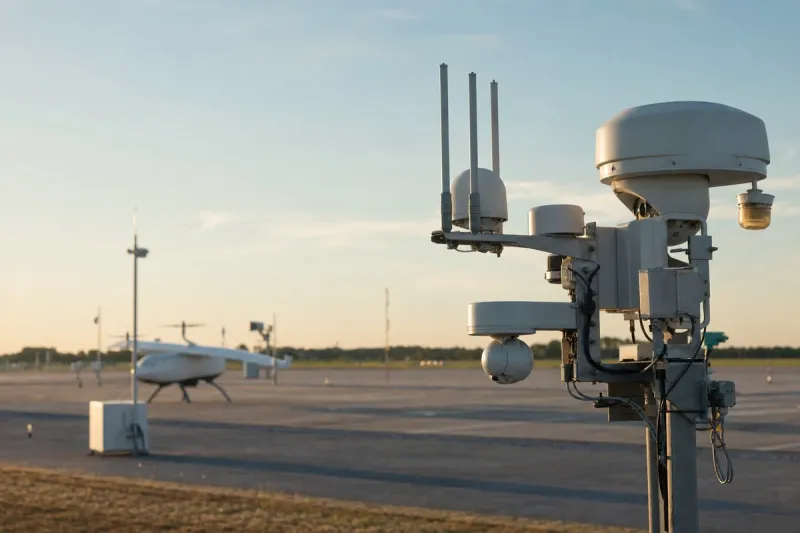
The session also addressed a statewide airport operations counting initiative using ADS-B technology to generate more accurate aircraft activity data for master plans, environmental reviews and capital investment decisions, which Murray said helps justify capital developments at individual airports and within the system. IDOT stated Illinois airports collectively generate approximately $95.5 billion in annual economic impact, support nearly 500,000 jobs, and connect the state to 48 states, 73 countries and five continents, with MidAmerica St. Louis Airport, St. Louis Downtown Airport and St. Louis Regional Airport together generating more than $4 billion in annual economic impact in the St. Louis Metro East region. IDOT is updating its statewide economic impact analysis, conducted every five years, with new findings expected in spring 2027.