Rolls-Royce Says 3D Printing for Jet Engine Parts Still Years Away
Why It MattersAdditive manufacturing in aerospace is advancing fastest on small, simple components while certification for structural or high-stress engine parts remains a longer, unresolved hurdle.
What happened
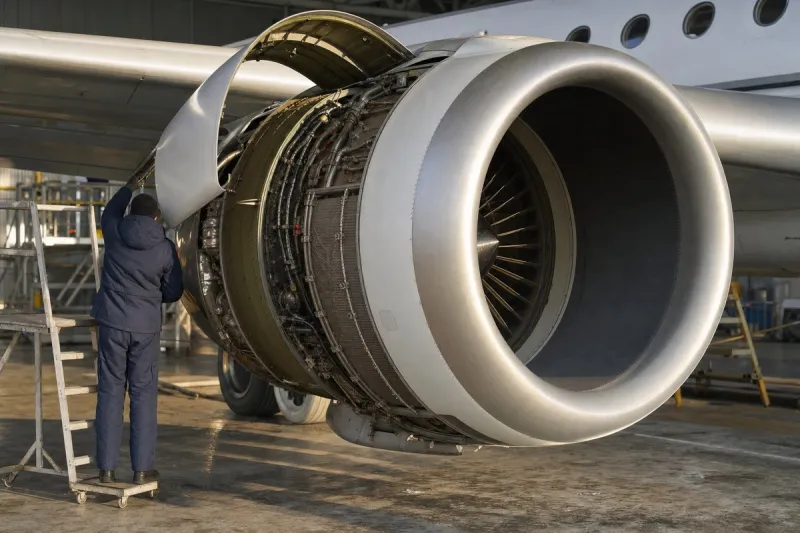
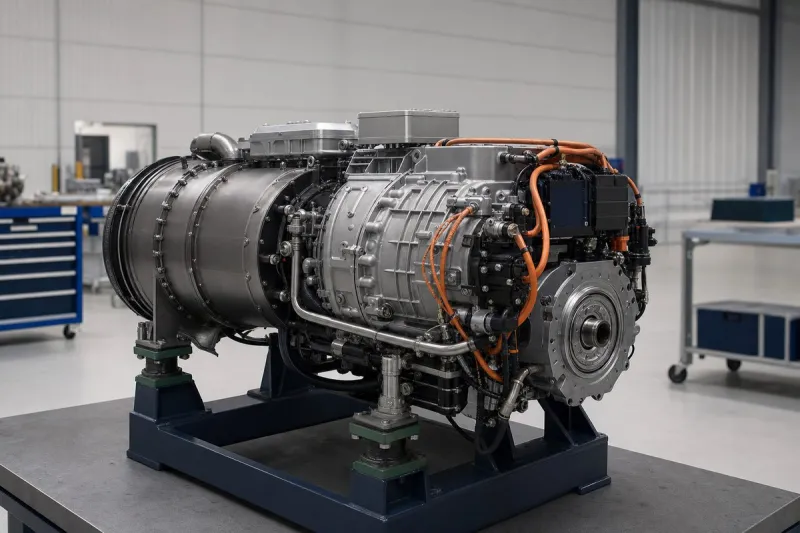
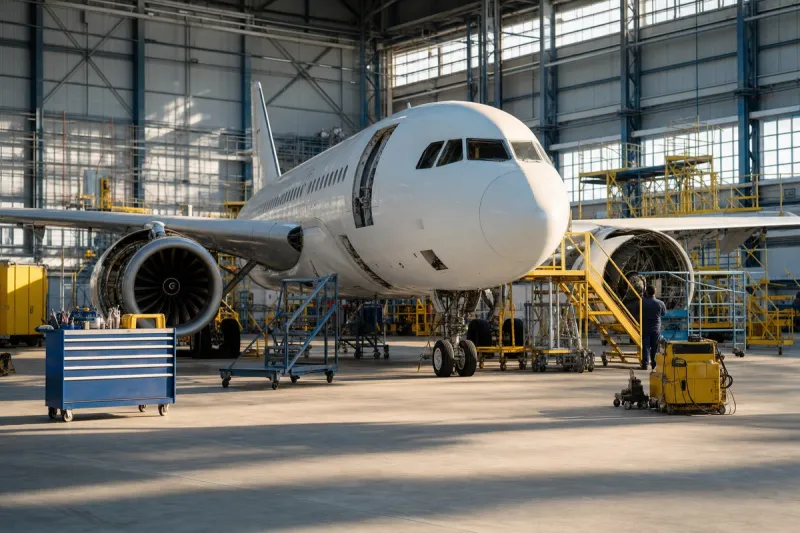
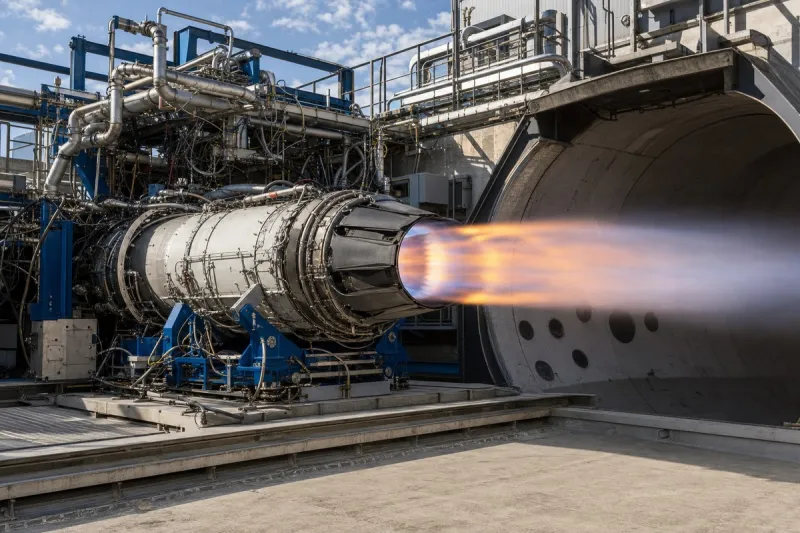
Rolls-Royce is exploring 3D printing to manufacture jet engine components, but Dr. Henner Wapenhans, the company's Head of Technology and Innovation, said the technology remains "a few years away" from producing parts fit for service.
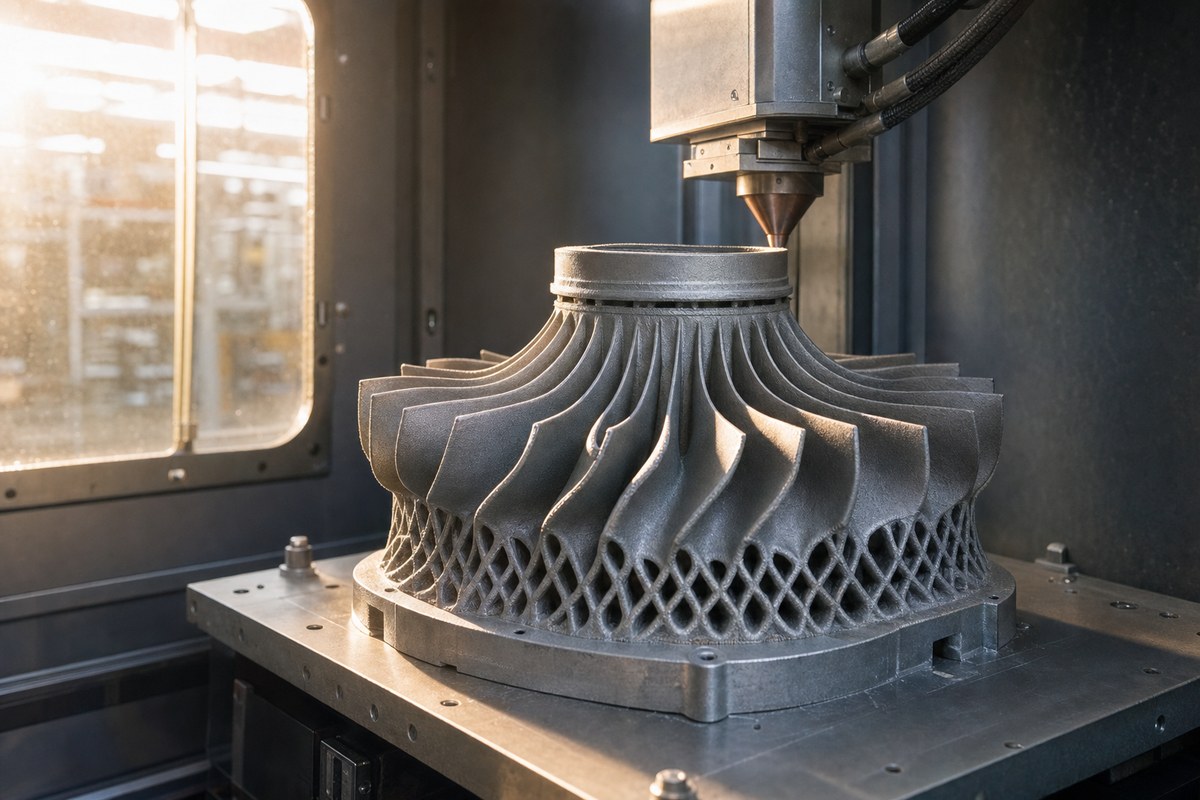
Dr. Wapenhans said 3D printing "opens up new possibilities, new design space," explaining that the process removes the need for a tool to create a shape, unlike traditional manufacturing. He said current 3D printers can build complex shapes from ceramics and metal, and that simple components such as brackets can be made significantly lighter. He added that Rolls-Royce's focus is on "individual parts that are ready to be released into serious production, as opposed to large parts of an engine."
Rolls-Royce joins a growing list of manufacturers investigating 3D printing, with General Electric having announced plans to use the technology to produce fuel nozzles for jet engines.
Industry impact & what to watch
This case fits a broader industry pattern in which engine makers treat additive manufacturing as a tool for small, non-structural parts first, saving the harder question of larger, load-bearing components for later. Brackets and fuel nozzles are the kind of parts where design freedom and weight savings can be captured without the certification burden that comes with components exposed to the full stresses of a running engine.
How this segment matures depends on whether manufacturers can move from simple shapes to individual parts ready for serious production, as Dr. Wapenhans put it, and eventually to larger structural sections. That progression is gradual because each new part category requires its own qualification path before it can fly in service.
What happens next will show up in which specific parts, beyond brackets and fuel nozzles, get cleared for production use, and how quickly Rolls-Royce narrows its own timeline from "a few years away" to a stated date.