Falcon 900LX Production Winds Down as Challenger 650 Holds Steady; Analysis Points to Derivative and Refresh Paths for Dassault and Bombardier
Why It MattersIn the large-cabin segment, manufacturers now favor derating existing platforms into new variants over clean-sheet designs, using performance-index and price gaps to justify staged refreshes rather than fresh certification programs.
What happened
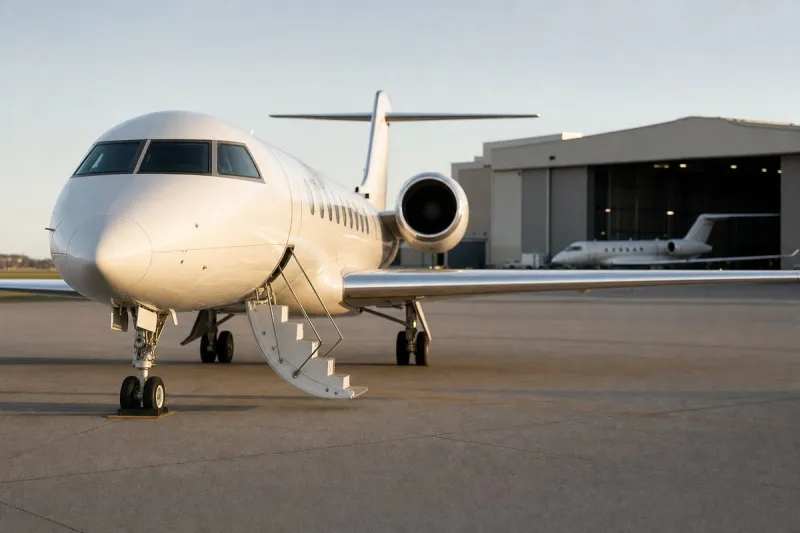
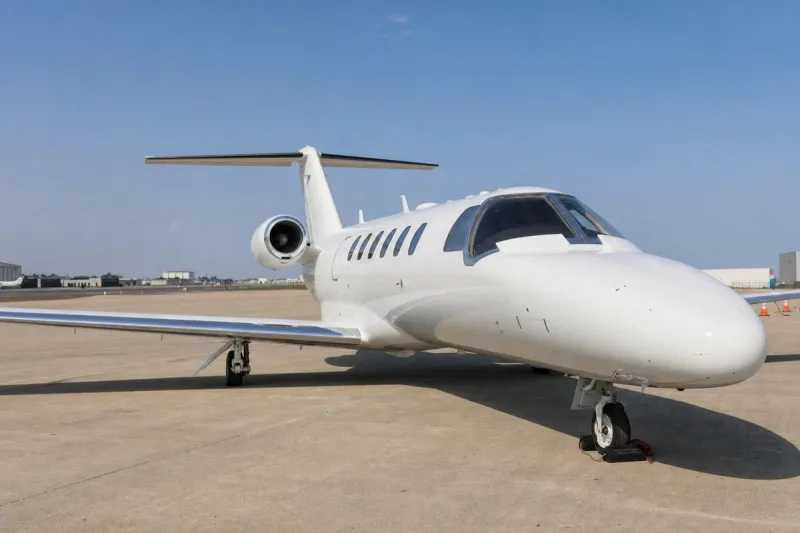
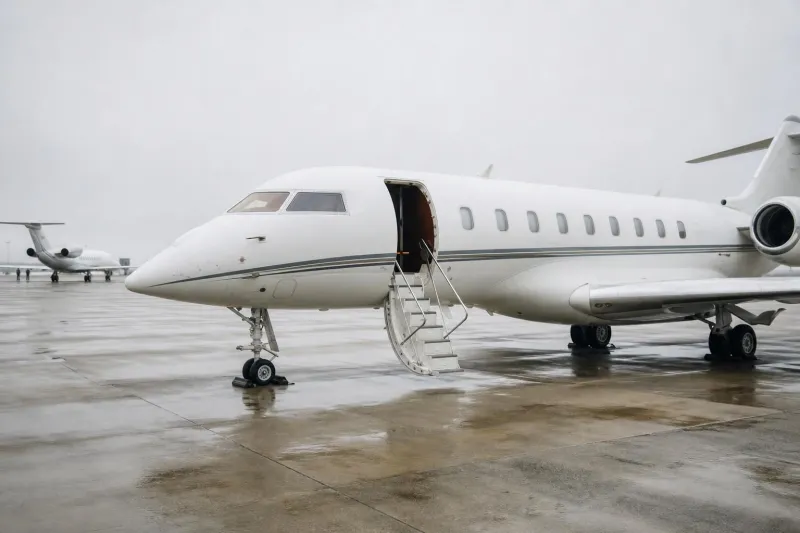
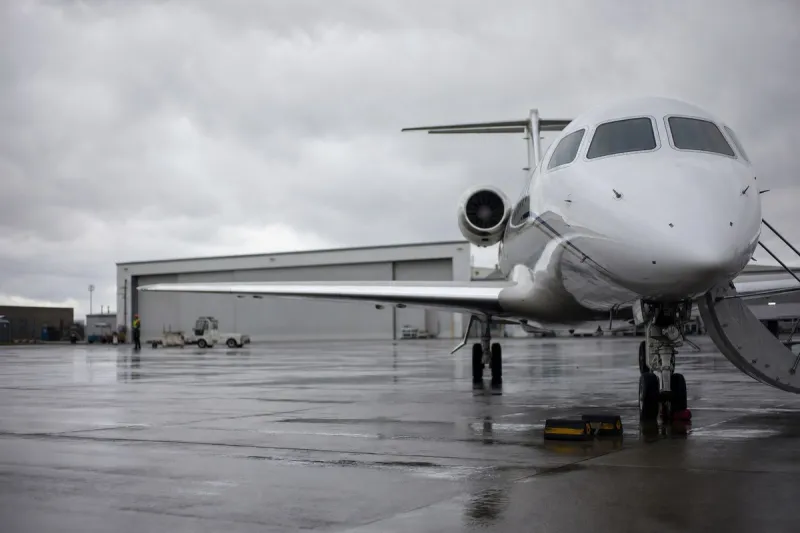
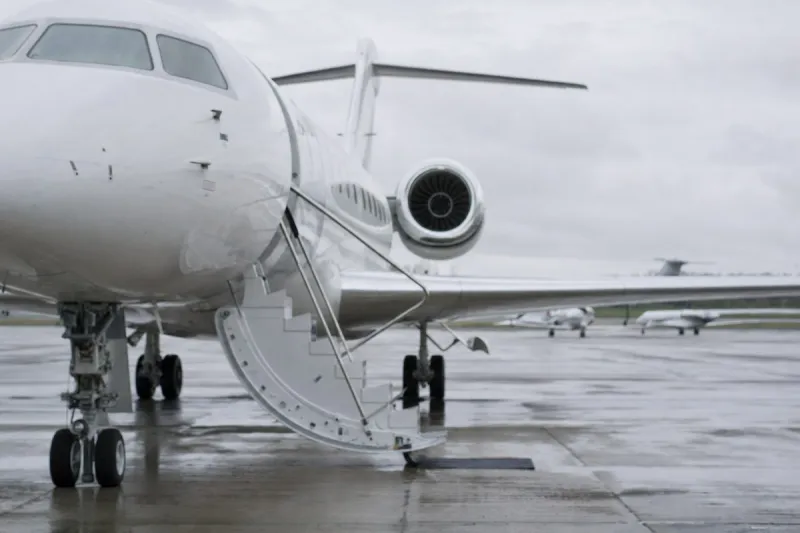
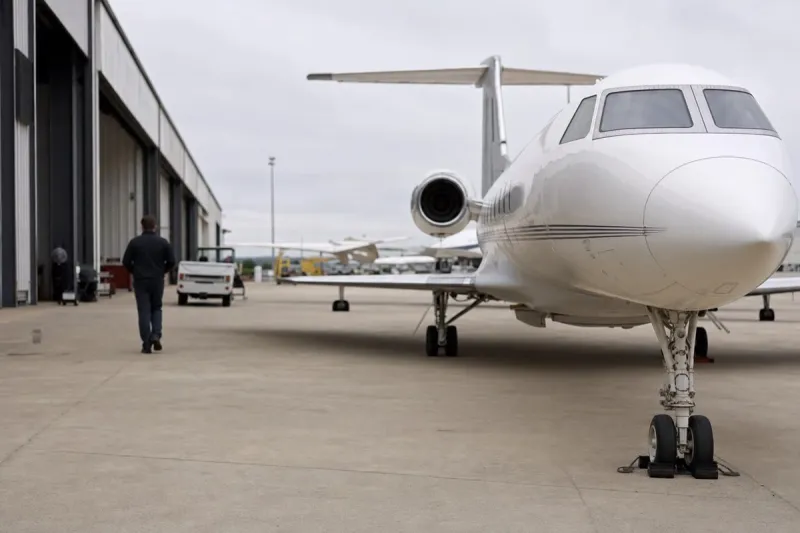
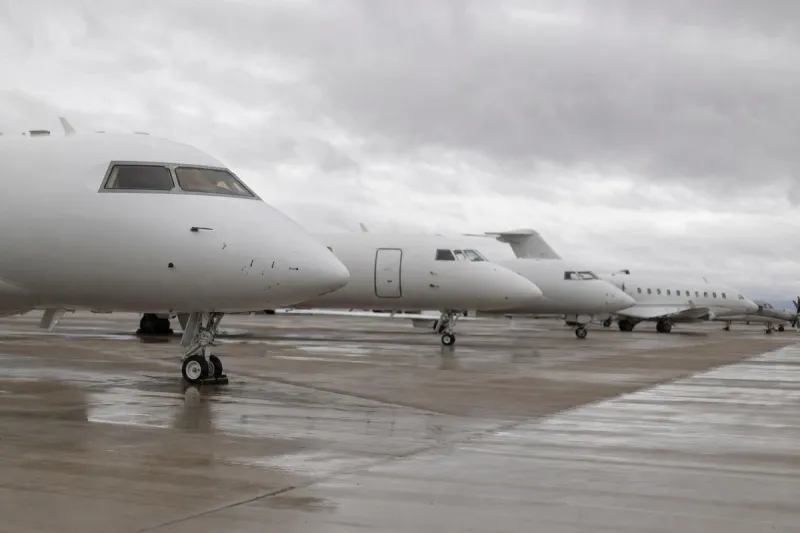
Production data covering January 2025 through July 2026 show the Falcon 900LX effectively ending its manufacturing run, with only three new airframes completed, all in the first seven months of 2025, followed by twelve consecutive months of zero output. Industry brokers now describe 2026 as the model's final delivery year, and Dassault's own marketing website no longer lists the F900LX in its primary aircraft lineup. The Challenger 650, over the same period, delivered 25 airframes at a cadence averaging roughly 16 per year, accelerating to a run-rate approaching 17 annually in the first seven months of 2026.
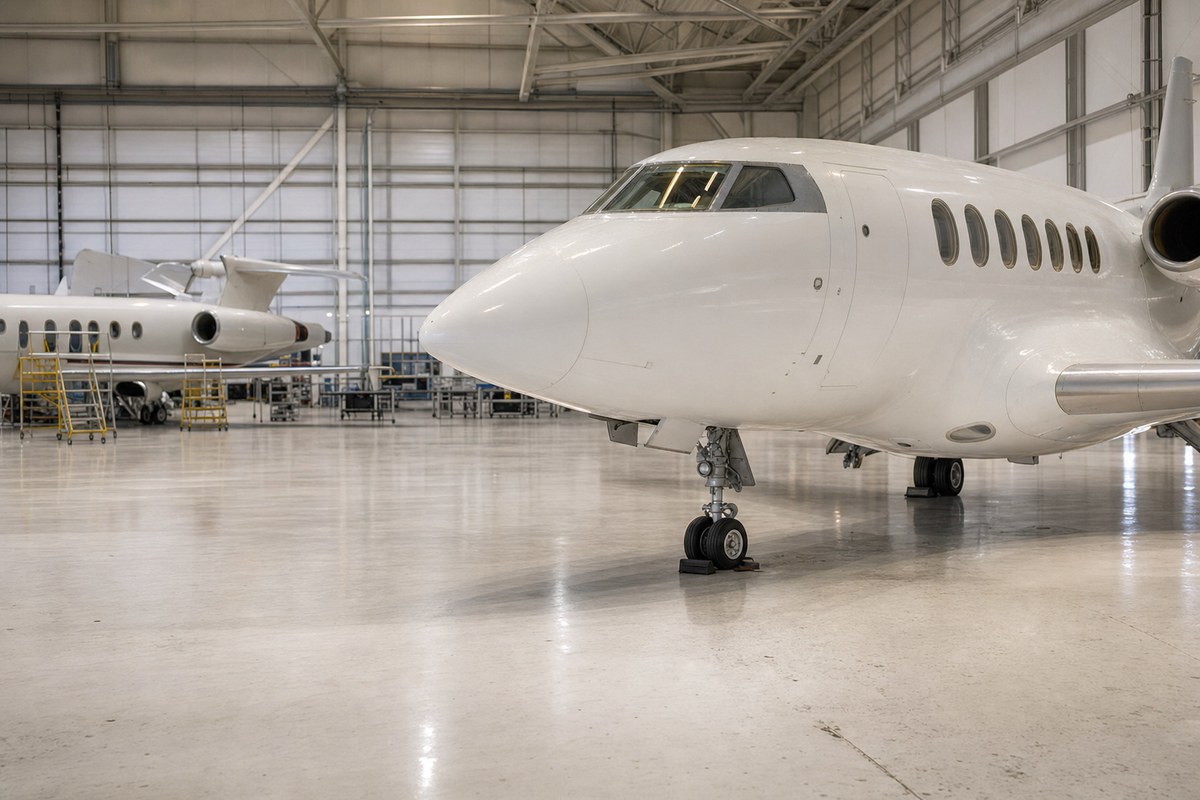
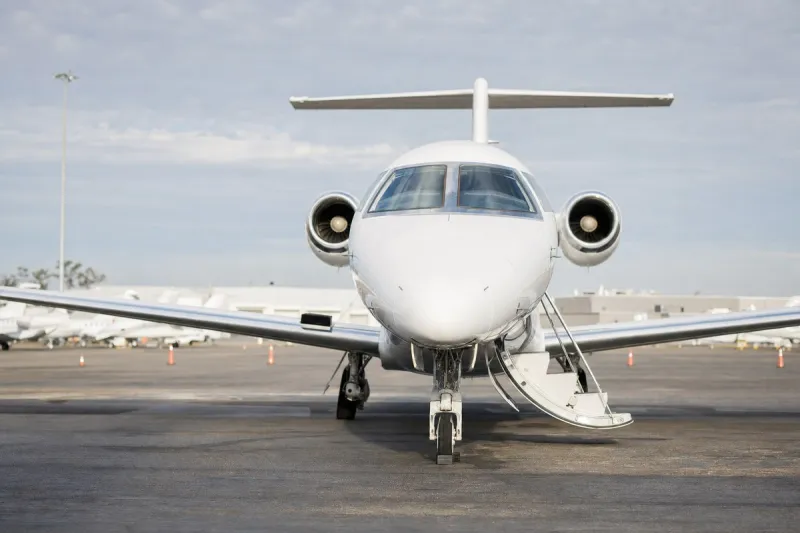
The two platforms compete in the 4,000-to-5,300-nautical-mile large-cabin segment, a class also being reshaped by Gulfstream's certified G500 and the not-yet-certified G400. On a performance index basis, the G400 is projected to carry a 14% performance-index advantage over the F900LX and a 52% advantage over the Challenger 650. The F900LX ranks second in performance index at 2.59, the Challenger 650 third at 1.94, and the Falcon 2000LXS last at 1.80. The G400, when certified, is expected to price within $0.55 million of the F900LX, undercutting it by roughly 1.2% while exceeding it by 14% on performance index.
A price-versus-performance-index analysis identifies two white-space gaps in the segment: a lower gap with a performance index of roughly 2.3 to 3.0 priced between $35.5 million and $44 million, and a top-end gap with a performance index above roughly 3.0 priced between $44 million and $53.5 million, just below the G500's price point.
Industry impact & what to watch
The analysis concludes that neither Dassault nor Bombardier has the balance-sheet appetite or market urgency for a clean-sheet design in this segment. Bombardier's most credible near-term option is a staged aerodynamic and engine-tuning refresh of the Challenger 650, described in the analysis as a potential "Challenger 680," that could achieve a 6% improvement in speed and range, lifting performance index by approximately 12% to 2.18 at an estimated price of $37.6 million, a 6% increase over the current $35.5 million. For Dassault, the more credible mid-capital-expenditure path is a derivative built on the existing Falcon 6X platform, referred to as the F4X, modeled at 76% to 79% of the Falcon 6X's $59.4 million price, a band of roughly $45.1 million to $46.9 million, retaining the 6X's 8-foot-6-inch by 6-foot-6-inch cross-section while reducing cabin length by roughly one-fifth, targeting a volume of approximately 1,500 cubic feet and a range of 4,500 to 4,700 nautical miles through engine derating of the PW812D.
This is how the large-cabin segment now absorbs competitive pressure without a new type certificate: instead of building a fresh airframe, manufacturers reposition an existing platform's engines, aerodynamics or cabin length to shift its price and performance-index position into an open pricing band. The two white-space gaps identified here give both manufacturers a target to derate or stretch toward rather than a reason to start from a blank sheet.
Absent a decision to pursue the F4X derivative, the most probable near-term outcome for Dassault is a managed wind-down of the F900LX, continuing parts and maintenance support for the in-service fleet while directing large-cabin customers toward the full-size Falcon 6X. Whether Bombardier commits to the Challenger 680 refresh, and whether Dassault greenlights the F4X, will determine whether either white-space gap actually gets filled or stays open for a new entrant.