Nova Pangaea's REFNOVA waste-to-SAF process completes 72-hour endurance trials at Teesside demonstration plant
Why It MattersSustained multi-day runs at demonstration scale are the proof point SAF feedstock technologies need before waste-biomass conversion can be sized up for commercial production commitments.
What happened
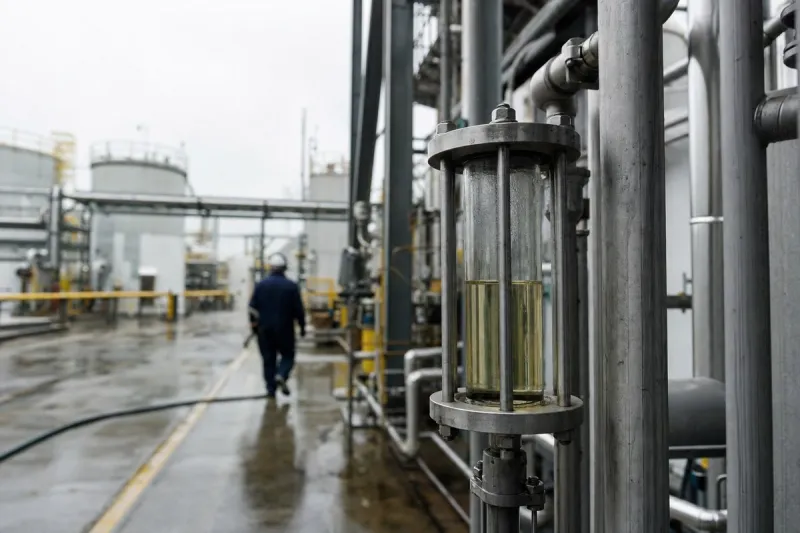
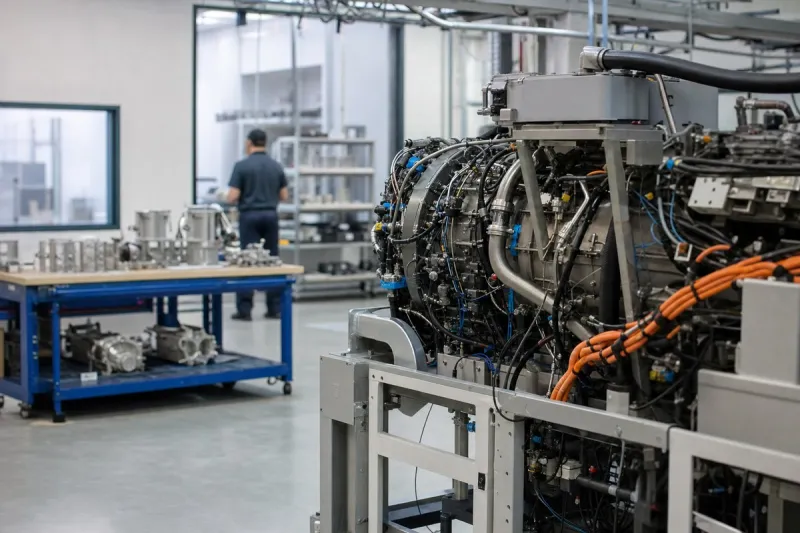
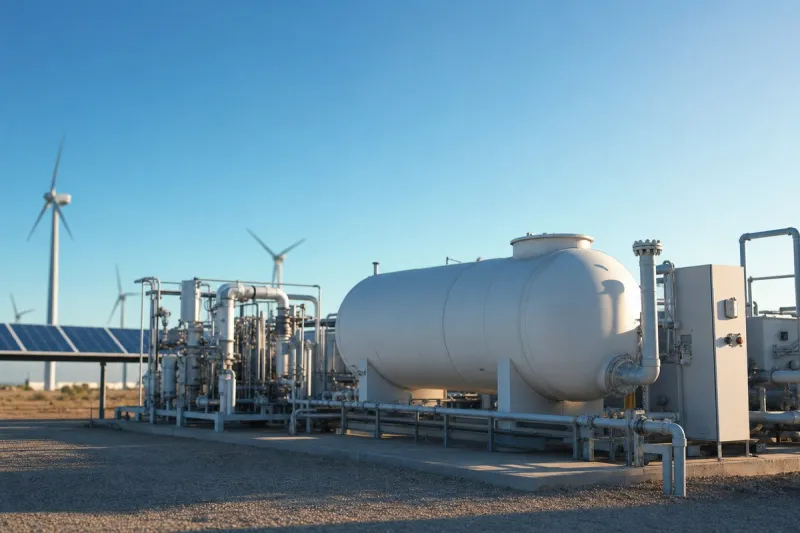
Nova Pangaea's REFNOVA technology has completed continuous production runs lasting up to 72 hours, converting waste biomass into feedstock for sustainable aviation fuel. The trials took place at the company's demonstration plant on Teesside in the UK.
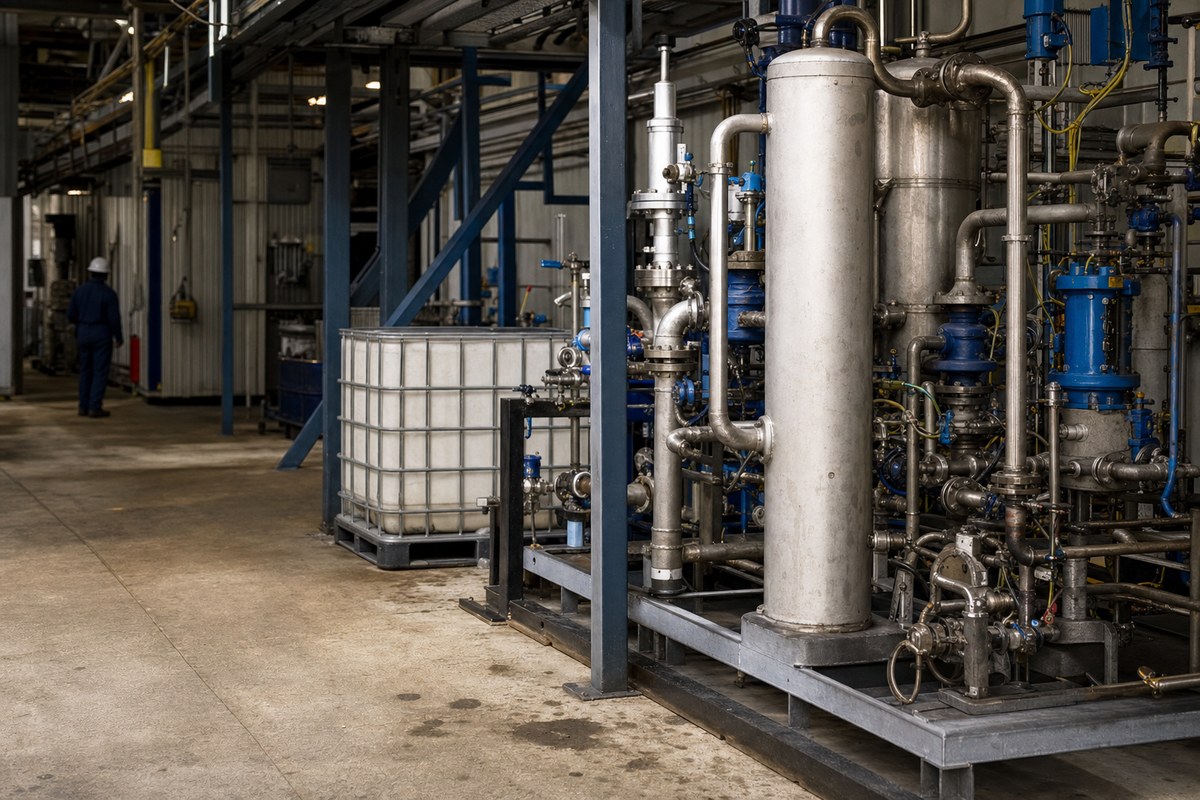
The endurance trials showed the process can sustain uninterrupted operation over that period, which was described as a key step toward commercial-scale deployment of waste-derived SAF feedstock production.
Industry impact & what to watch
Waste-to-SAF feedstock technologies typically move from batch or short-run testing toward continuous operation before they can be scaled into commercial plants, since refiners and offtake partners need confidence that a process will run reliably for extended periods rather than in short bursts. A 72-hour continuous run is the kind of demonstration-plant milestone that underpins that confidence.
In feedstock development, uninterrupted run length at demonstration scale is one of the clearest signals that a process is approaching readiness for larger commercial facilities, since interruptions at pilot scale tend to multiply into costly downtime once a plant is built at full size.
What comes next for REFNOVA is whether Nova Pangaea can translate this Teesside endurance result into a commercial-scale facility, and on what timeline the company or its partners disclose plans for that next stage.