Embraer Analyzing Proposed 10% US Duty on Finished Brazilian Aircraft; USTR Hearing Set for January 14
Why It MattersAircraft have been largely spared from US tariffs, so removing their exemption would break a zero-tariff norm that U.S. regional carriers and Embraer's U.S. supplier base both depend on.
What happened
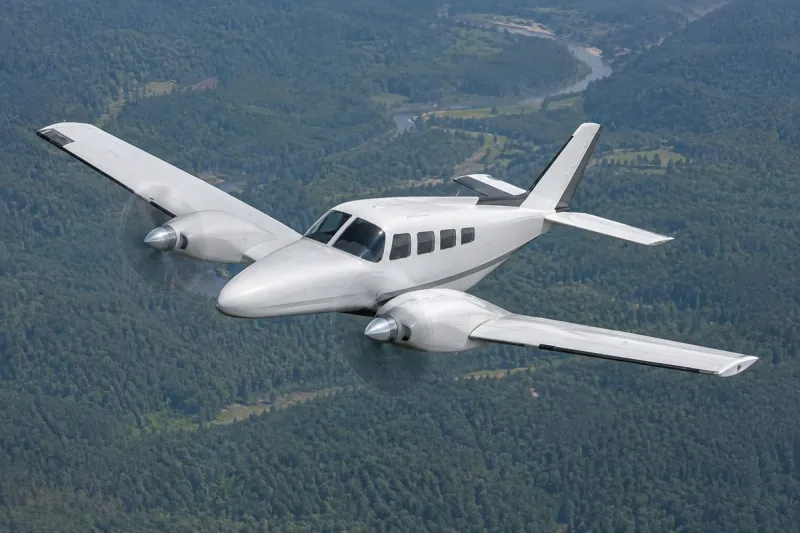
Embraer said Tuesday that it is analyzing a 10 percent duty on finished aircraft from Brazil proposed by the administration of President Donald Trump, a measure that could significantly affect its business. Aircraft are currently exempt from a 25 percent tariff on certain Brazilian goods imposed in July under Section 301 of the Trade Act of 1974. Embraer said no tariffs are currently applied to its products exported to the U.S., and that it continues to advocate for maintaining the zero-tariff rule for the global aerospace industry, in place since the 1980s.
The U.S. Trade Representative (USTR) will hold a hearing on the proposed duty on January 14. After Trump directed the USTR in 2025 to investigate Brazil's trade practices, the agency in June chose to act under Section 301, imposing 25 percent tariffs on Brazilian goods while exempting finished aircraft and other products. The USTR said that since the duties took effect in July, Brazil has taken legal steps to retaliate, prompting further action. Ambassador Jamieson Greer said removing the finished-aircraft exemption would give the U.S. "greater leverage" over Brazilian trade practices it considers unfair.
Embraer said it has invested in the U.S. for over 45 years and expects to generate an $8 billion trade surplus for the American economy over the next five years. It employs more than 2,500 people across 16 facilities in Florida, California, Texas, Arizona, Tennessee, Georgia and Washington, D.C. Embraer Defense & Security's website estimates that 55 percent of all Embraer aircraft parts come from U.S. suppliers.
Except for steep duties on foreign-made drones, aerospace products have largely been exempt from the administration's tariff regime, so the proposal would be a rare departure. Finished aircraft are Brazil's fourth-largest export to the U.S., per the USTR.
Which aircraft would be affected
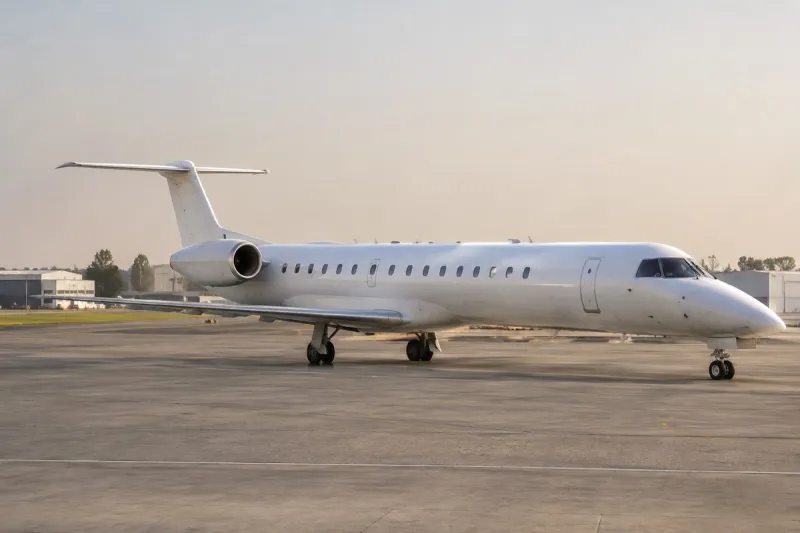
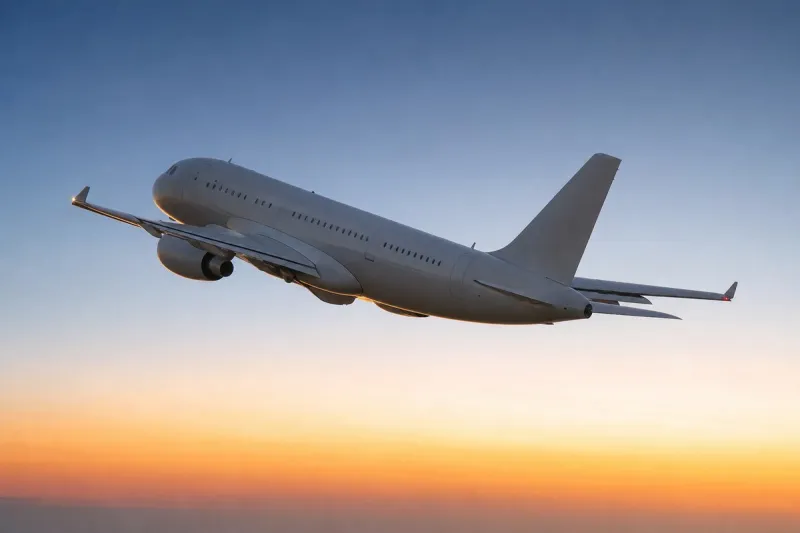
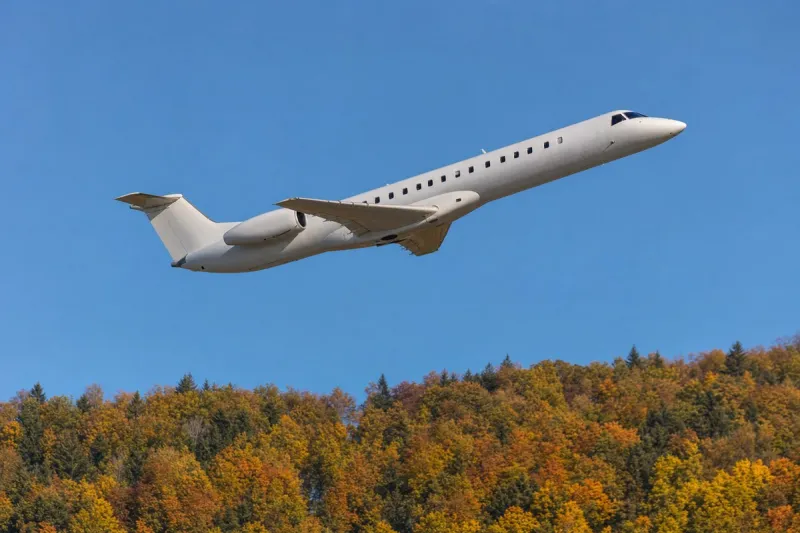
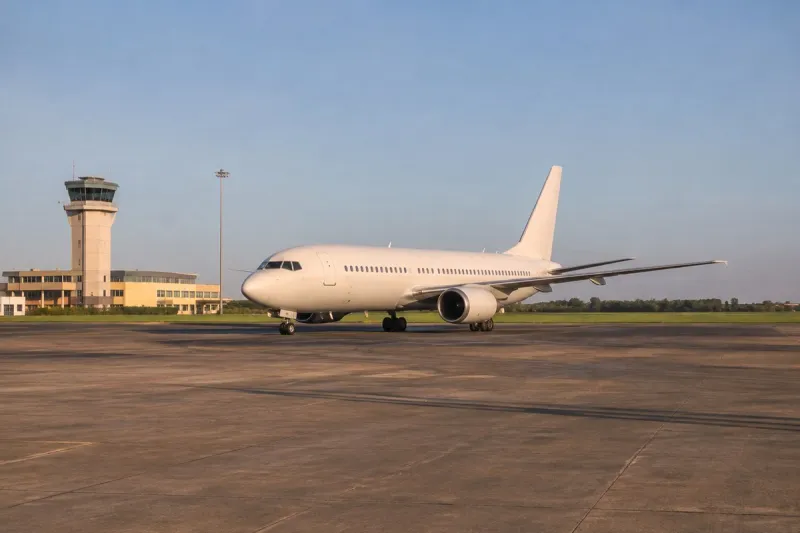
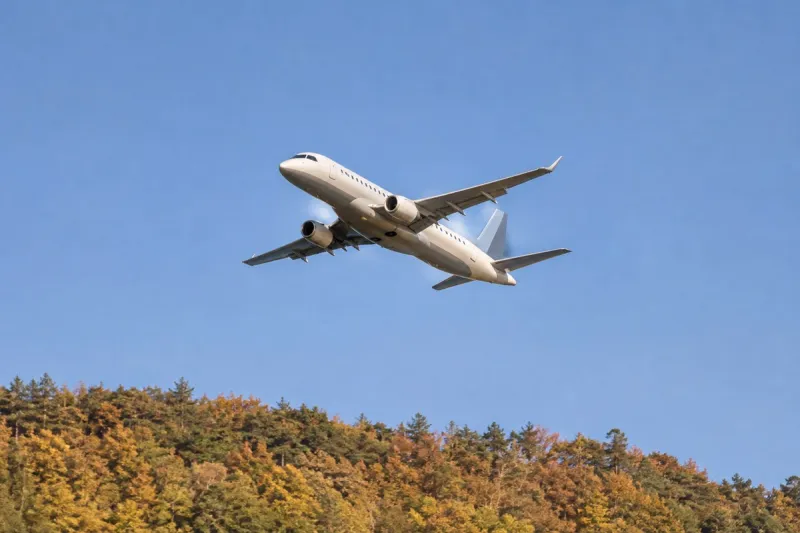
The duties would mainly affect new deliveries of Embraer commercial jets, including the ERJ and E-Jet families, which are built and assembled mainly in Brazil. The E175 and E170 are the most popular among U.S. customers, flying regional service for carriers such as SkyWest, Republic Airways and Envoy Air on behalf of American Airlines, United Airlines, Delta Air Lines and others. Republic operates the world's largest all-Embraer fleet. Embraer Defense & Security says more than 5 million U.S. passengers fly on Embraer aircraft each month.
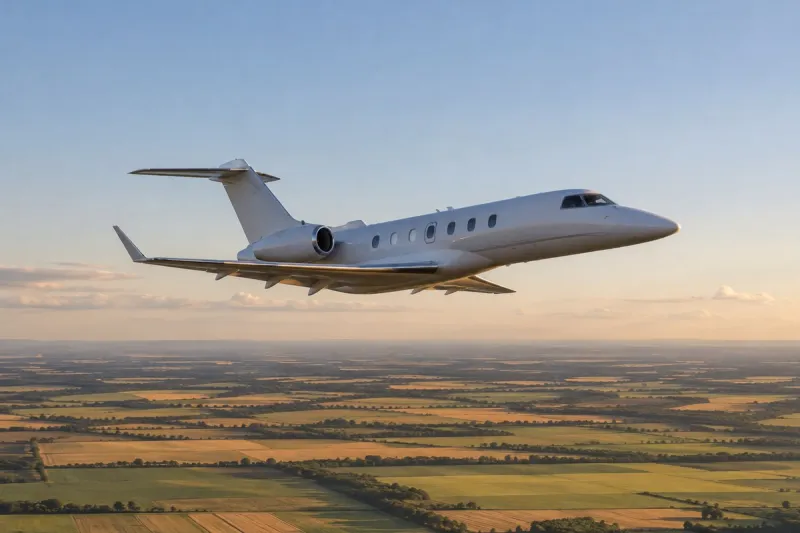
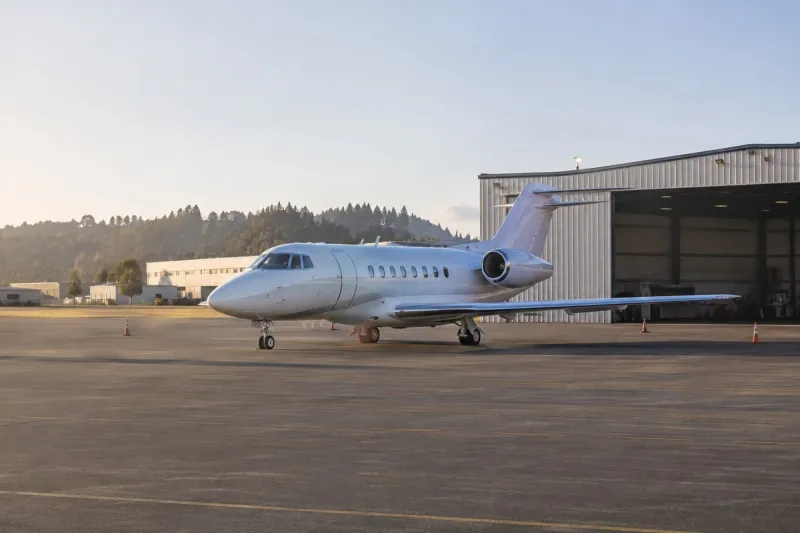
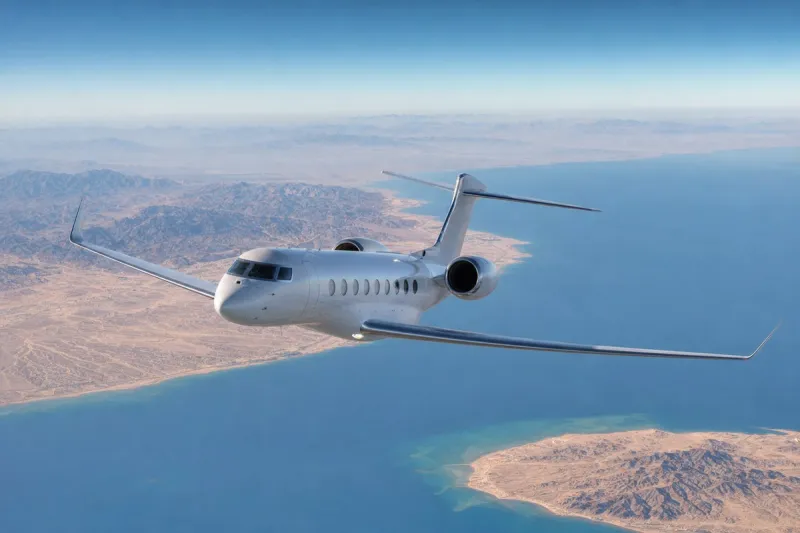
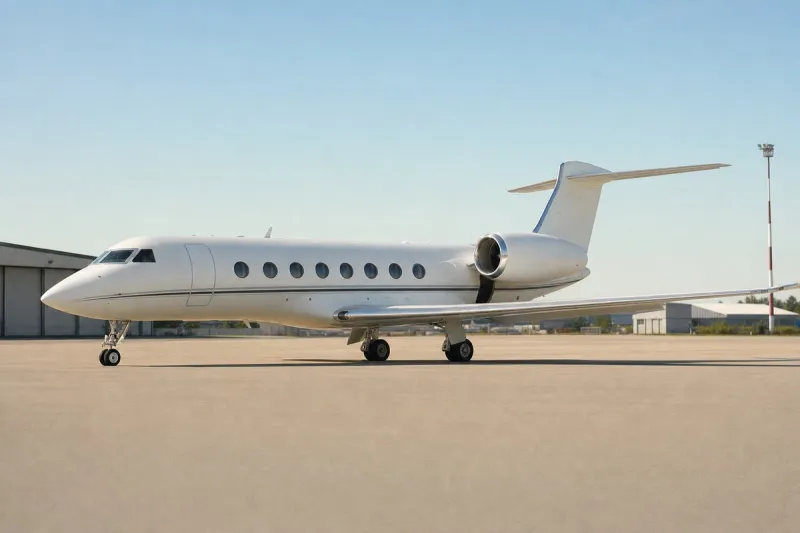
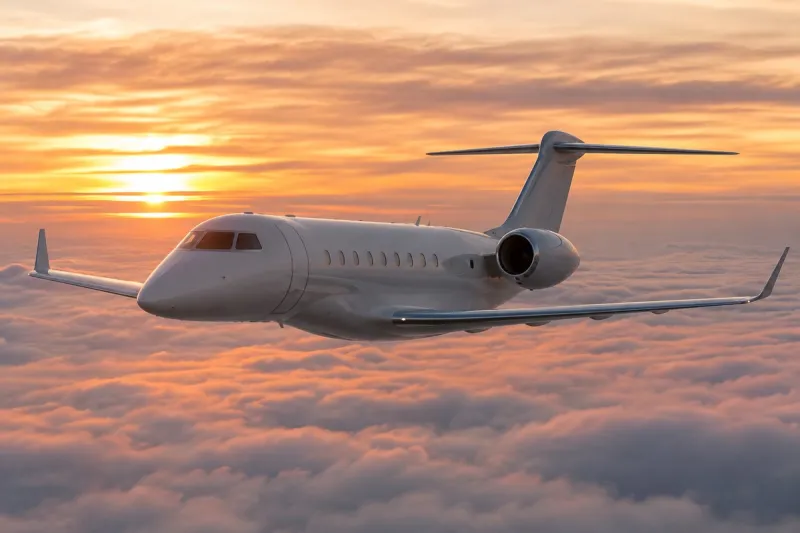
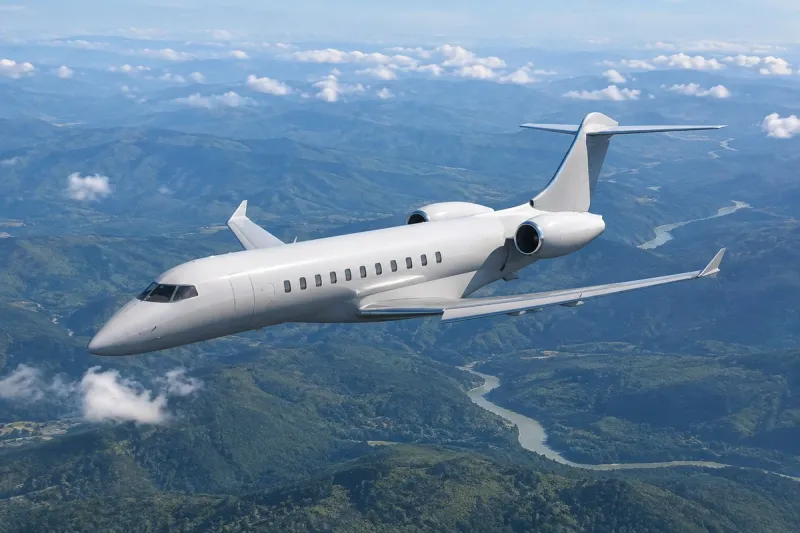
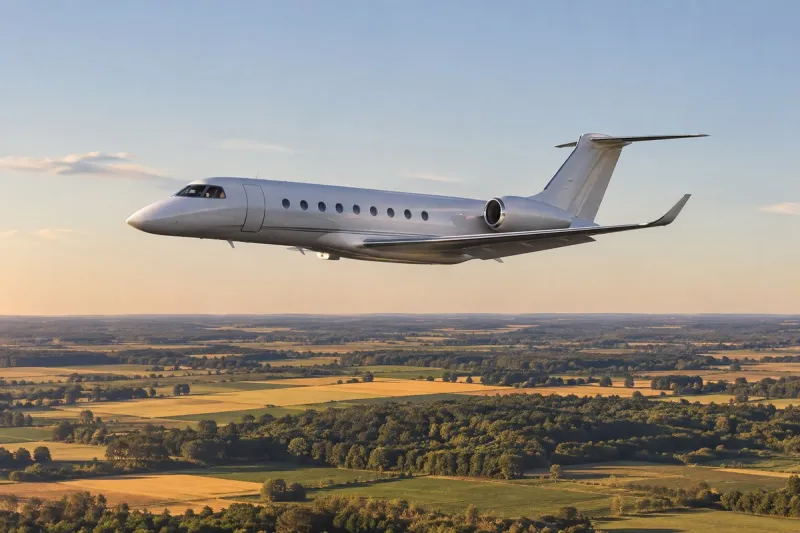
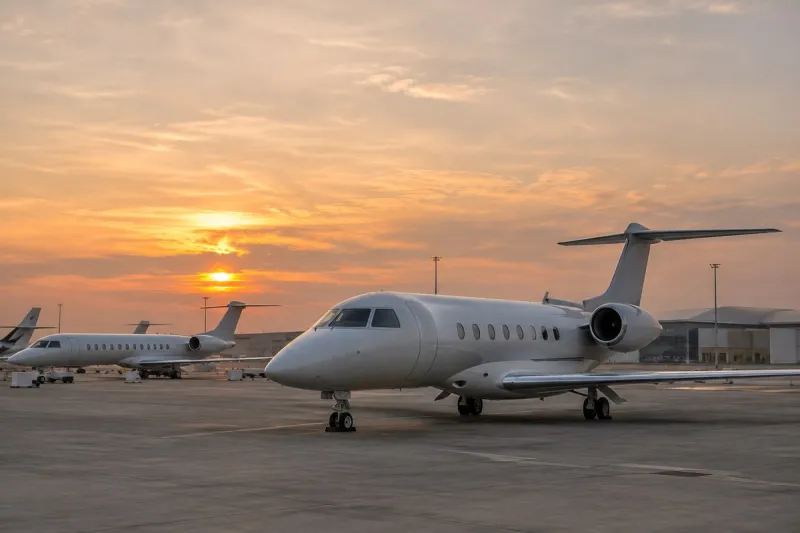
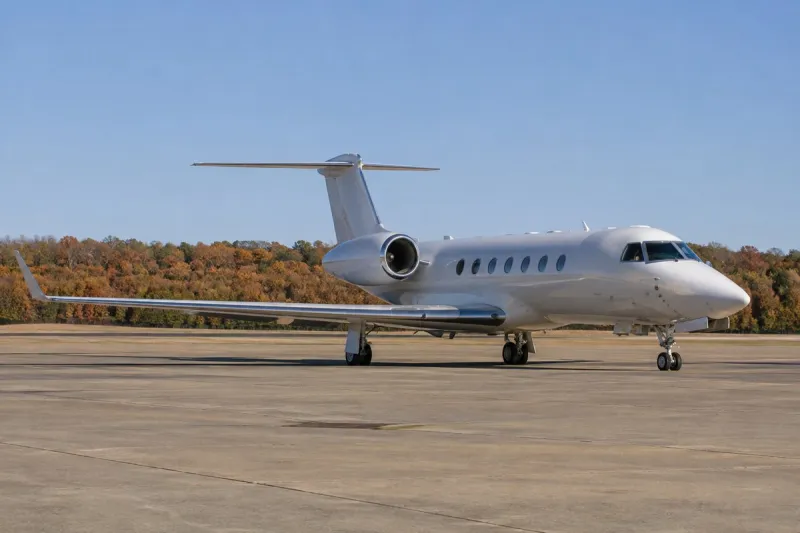
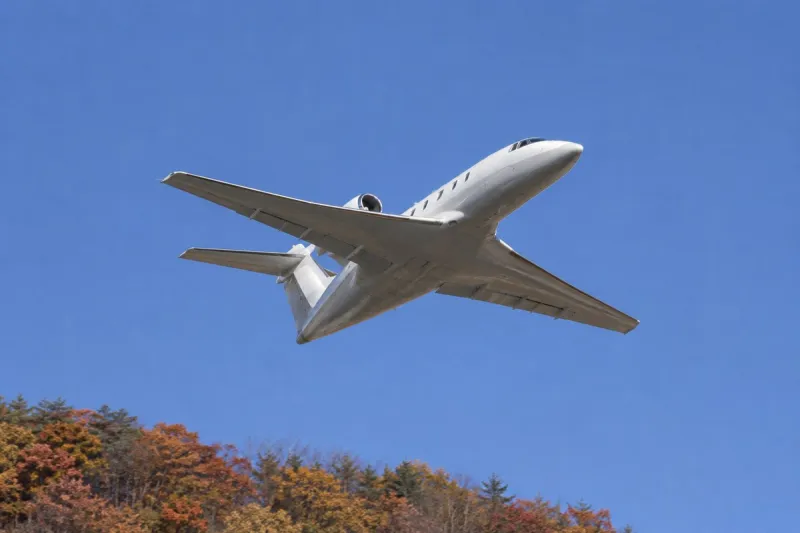
Embraer's U.S. headquarters and Executive Jets division are in Melbourne, Florida, where final assembly of business jets such as the Phenom 100, Phenom 300, Praetor 500/500E and Praetor 600/600E takes place. Per Embraer Defense & Security, more than 985 Embraer Executive Jets operate in the U.S., with over 250 in the company's U.S. backlog.
Industry impact & what to watch
The proposal targets the one category the administration had deliberately carved out of the Section 301 action. Aircraft trade has run on near-universal zero tariffs since the 1980s because airframes cross borders many times in their supply chains, and a duty on the finished product lands on a design that also draws heavily on U.S. content. Embraer's own estimate that 55 percent of its aircraft parts come from U.S. suppliers shows why a levy on the final aircraft would tax a product partly made of American components.
For regional airlines, the exposure is concentrated in new-delivery E-Jets, since the duty would apply to finished aircraft entering the U.S. In the business-jet segment, final assembly of the Phenom and Praetor families in Melbourne, Florida means the direct effect on that line is less clear from what has been announced. The distinction matters because the proposal, as described, is aimed at finished aircraft from Brazil, not at aircraft completed on U.S. soil.
The next dated milestone is the USTR hearing on January 14, where Embraer and its U.S. customers and suppliers can put their case on the record. The outcome will show whether the aircraft exemption was a durable feature of the tariff regime or a bargaining chip held in reserve.