Malaysia Aviation Group Commits to 10 Boeing 787-10 Jets, With Option for Six More, in First 787 Order
Why It MattersA carrier that last flew Boeing widebodies as 747s and 777s is rebuilding long-haul capacity on the largest 787 variant, reflecting how Southeast Asian airlines are sizing fleets for demand growth.
What happened
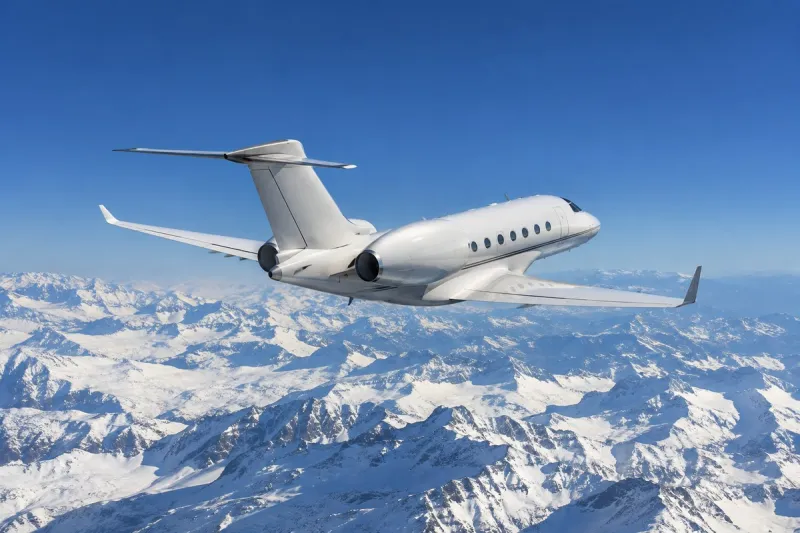
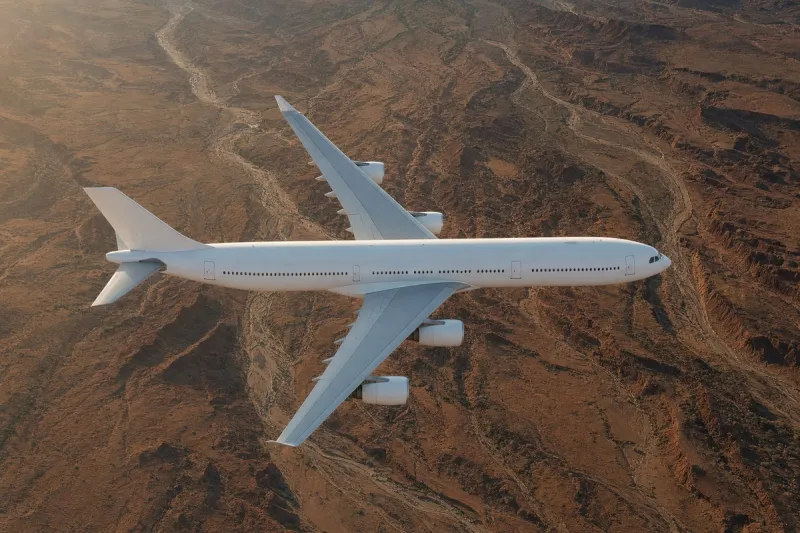
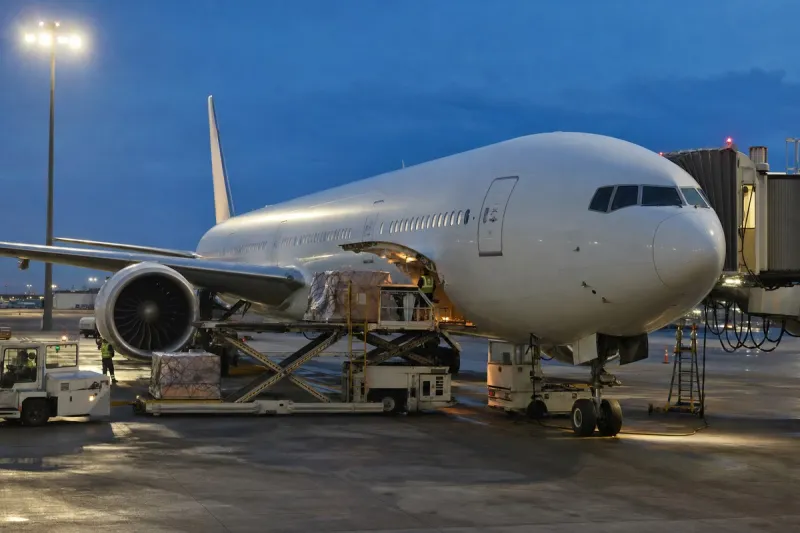
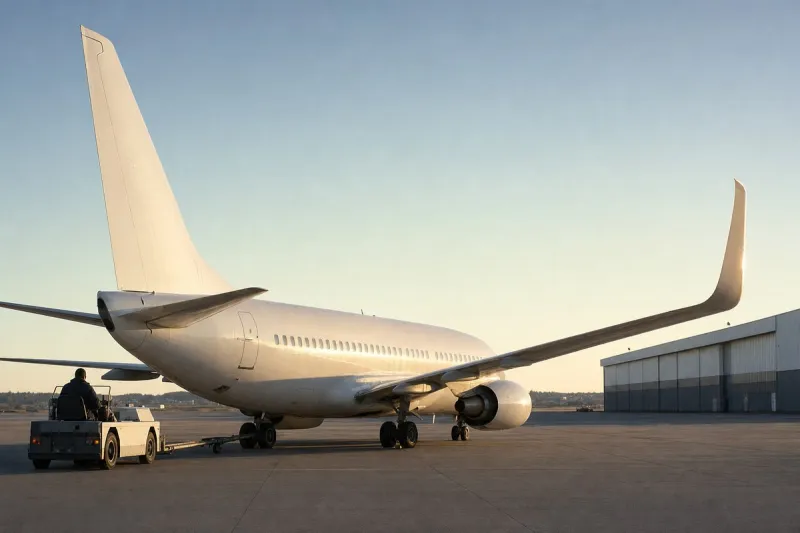
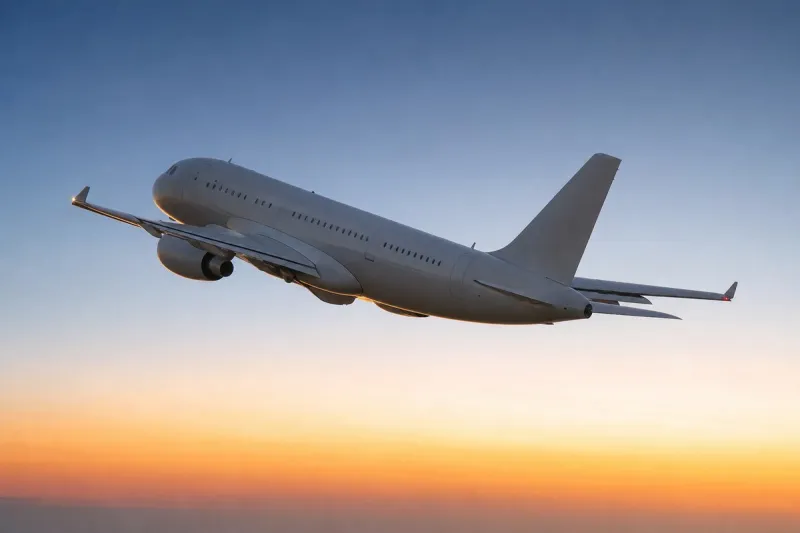
Boeing and Malaysia Aviation Group (MAG) announced on Nov. 25, 2026, in Kuala Lumpur that the airline group will place its first-ever 787 Dreamliner order, selecting the 787-10, the largest variant of the widebody family. Once finalized, the purchase covers 10 787-10 airplanes, with the opportunity to acquire six more, for up to 16 aircraft in total.
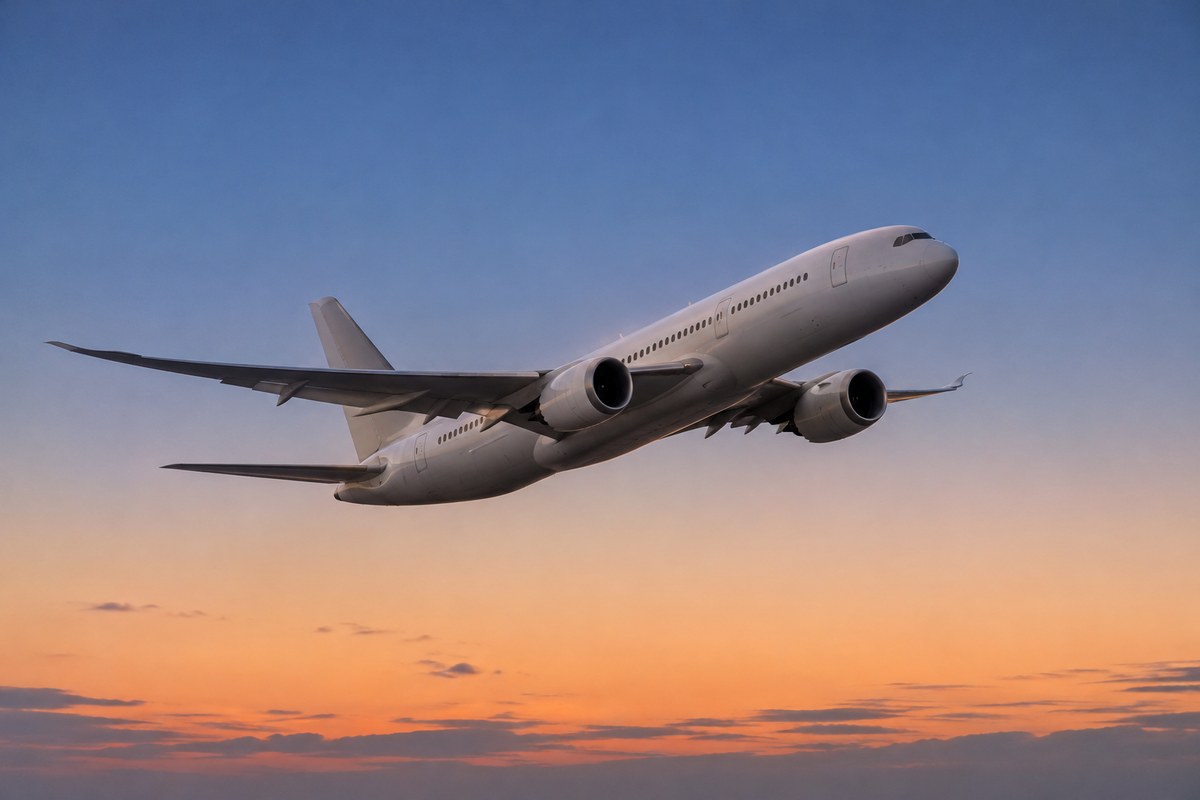
The aircraft will support Malaysia Airlines' long-haul fleet modernization and international expansion. The airline plans to operate the 787-10 across its long-haul network, including high-demand routes between Malaysia and Europe and destinations throughout the Asia-Pacific region. Long-haul flights to and from Southeast Asia have risen by more than 50% in the last decade.
The 787-10 can carry up to 375 passengers and uses 25% less fuel than the airplanes it typically replaces. MAG president and group CEO Captain Nasaruddin A. Bakar described the acquisition as a strategic investment that will strengthen the group's ability to serve key international markets with greater capacity, efficiency and flexibility. Erika Pearson, Boeing vice president of Sales and Marketing for Southeast Asia and Oceania, said the 787-10 will play an integral role in the airline's next chapter.
The commitment marks a return to Boeing widebody airplanes for Malaysia Airlines, which previously operated 747 and 777 jets. The 787-10 will complement the carrier's 737 fleet. Its current Boeing fleet comprises 19 737-8 and 38 737 Next-Generation airplanes, with 18 737-8 and 12 737-10 airplanes on order.
Regional demand and Boeing's Malaysian footprint
Boeing projects demand for nearly 5,000 new airplanes in Southeast Asia through 2045, including more than 850 widebody jets. The 787 Dreamliner family has helped airlines open more than 550 new nonstop routes worldwide over 15 years of service.
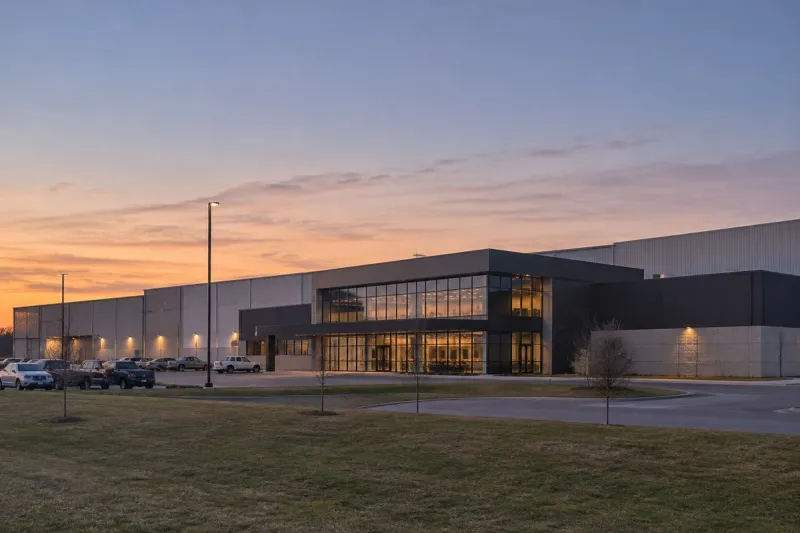
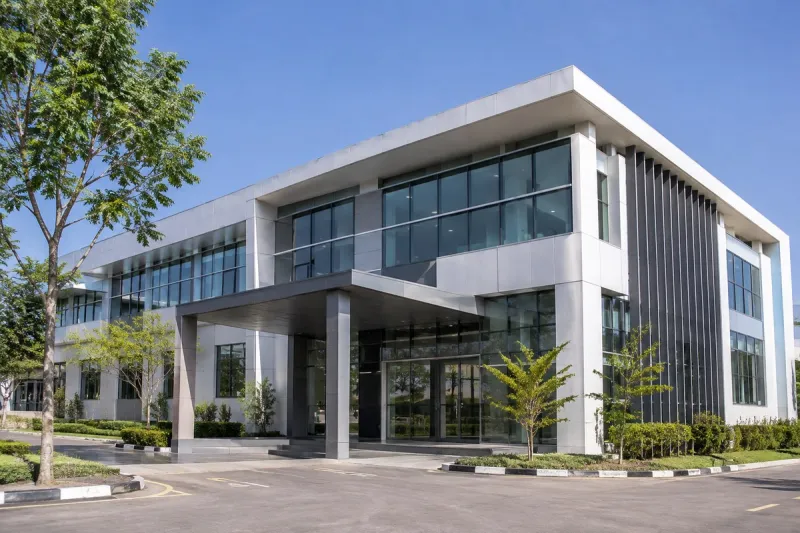
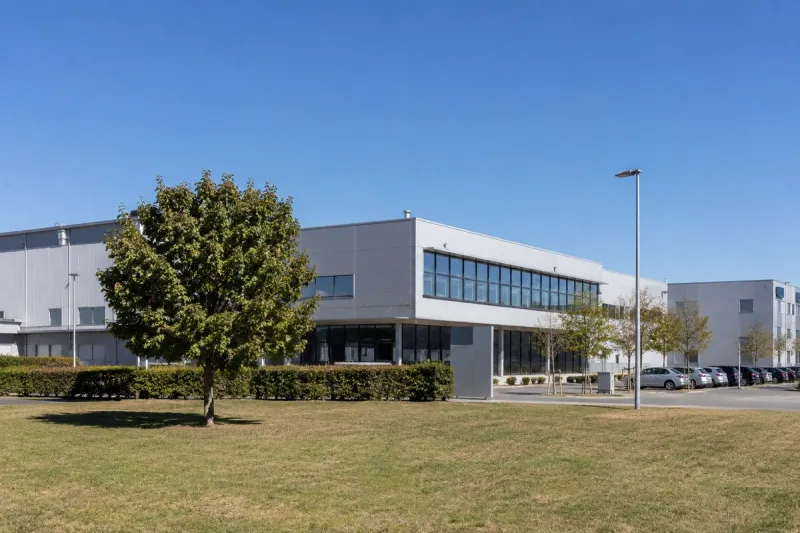
Boeing's presence in Malaysia includes Boeing Composites Malaysia, the company's first wholly owned manufacturing facility in Southeast Asia, staffed by an all-Malaysian workforce. It supplies composite products and subassemblies for all Boeing commercial airplane programs, including the 787.
Industry impact & what to watch
A first-time 787 customer choosing the largest variant signals how a flag carrier with an all-Boeing narrowbody fleet sees its long-haul future: more seats per departure on routes where demand has grown by more than 50% in a decade, with fuel burn per seat as the stated efficiency argument. Orders of this kind tend to be sized in two layers, a firm block and an option block, so the carrier can match deliveries to how quickly traffic builds.
For Boeing, the deal adds a new widebody operator in a region it expects to need more than 850 widebody jets through 2045, and it ties a customer that already has 737-8 and 737-10 aircraft on order more closely to the Boeing product line.
The next milestone is finalization of the order, since the 10-aircraft commitment becomes firm only at that point. Whether the six optional aircraft are exercised will show how far the group intends to push long-haul growth beyond the initial block.