Embraer Forecasts Asia Pacific Demand for About 2,500 Small Jets by 2045 Including China
Why It MattersThe pitch ties small-jet demand to turboprop replacement and airport-access limits in island markets, showing the segment's growth depends on route-opening economics and runway capacity as much as on aircraft supply.
What happened
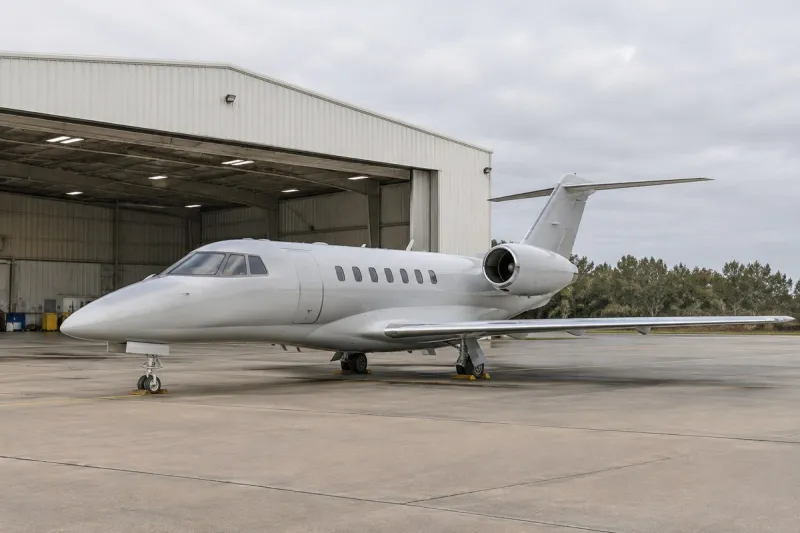
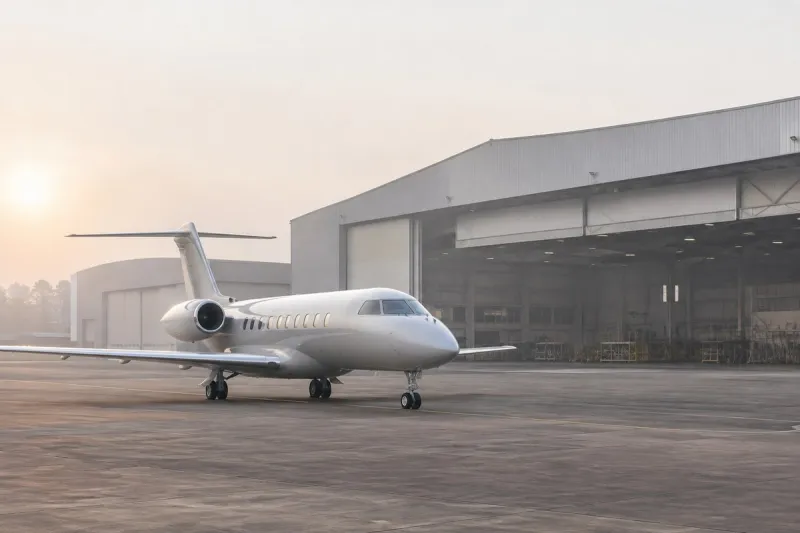
Embraer forecasts that airlines in Asia Pacific will need about 1,050 small jets by 2045, a figure that rises to more than 2,500 when China is included. Around 295 small narrowbody aircraft fly in the region today, and 16 airlines in six countries currently operate E-Jets. Globally, Embraer expects demand for about 8,500 jets of up to 150 seats over the next 20 years, with Asia Pacific accounting for roughly a third of future deliveries.

Raul Villaron, Senior Vice President and Head of Asia Pacific at Embraer, spoke at the 70th Assembly of Presidents of the Association of Asia Pacific Airlines (AAPA) in Kuala Lumpur. He said Embraer built its E-Jet business with major carriers in the United States and Europe and lagged in Asia Pacific until about four years ago, when traction began with Scoot, followed by Virgin Australia and ANA in Japan. Japan Airlines ordered 16 E190-E2s, with options for 10 more, to replace the E170 and E190 fleet of its regional subsidiary J-AIR.
Villaron cited post-pandemic shifts, including remote work, moves to smaller cities and supply chains built closer to home, as boosting regional flying. He also pointed to a K-shaped economy: over the past 12 months, full-service carriers in the region grew about 5% while low-cost carriers declined about 1.5%. He said low-cost carriers can no longer depend on a single fleet type and that smaller aircraft let airlines test new routes with less risk.
Turboprop upgrade and the Philippines
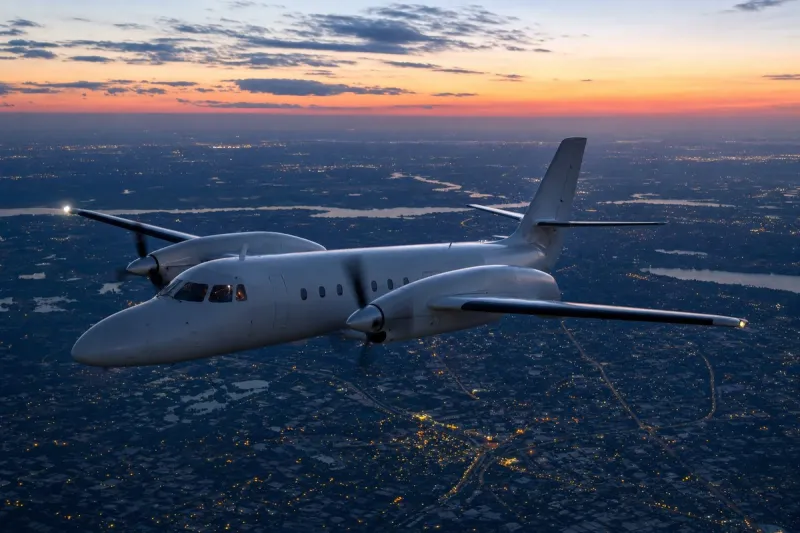
Embraer also pitches a "turboprop upgrade," noting around 800 turboprops fly in Asia, and sees the most potential in Indonesia, India and the Philippines.
In the Philippines, carriers moved remaining turboprop flights from Manila's Ninoy Aquino International Airport to Clark and other airports by March 29, 2026. Villaron said travelers to destinations such as Siargao, Busuanga and El Nido now often face a two- to three-hour drive to Clark and that demand on those routes has dropped significantly. He said a jet could restore direct links from Manila, though some airports may need longer runways.
Scoot, support network and target markets
Scoot, Embraer's main Southeast Asian customer, flies E2s from Singapore to destinations such as Phuket, Nha Trang and Koh Samui, feeding the Singapore Airlines Group network. Villaron sees opportunities in Vietnam, Indonesia, Malaysia's Sarawak and the Philippines.
Embraer operates an E2 full-flight simulator in Singapore, plus E1 simulators in Japan, Australia and China. It holds about $120 million of spare parts in Singapore and has MRO partnerships with SIA Engineering in the Philippines and Fokker in Singapore. Villaron said customers achieve 99.8% schedule reliability.
Industry impact & what to watch
The forecast places Asia Pacific at roughly a third of Embraer's global small-jet deliveries, yet the region's installed base of about 295 small narrowbodies is modest against the 1,050 aircraft the company projects. Closing that gap depends less on airline appetite than on whether carriers can make thin routes pay, which is the argument Villaron made about smaller aircraft testing new routes with less risk.
The Philippine case shows how infrastructure shapes the market. Turboprop flights leaving Manila's main airport left island destinations a long drive from the nearest served airport, and demand fell. A jet that restores direct service only works where runways can take it, so airport investment in secondary cities becomes a precondition for the turboprop-replacement thesis rather than an afterthought.
The next milestones are customer decisions. Embraer named Vietnam, Indonesia, Sarawak and the Philippines as the places it sees openings, so orders or airport runway commitments there would be the clearest sign that the pitch is converting into aircraft.