GE Aerospace Donates $100,000 to Embry-Riddle Aviation Maintenance SkillBridge Program
Why It MattersEmployer-funded transition pipelines like this show how aviation maintenance training for veterans is increasingly underwritten by engine and component makers that depend on a steady supply of certified technicians.
What happened
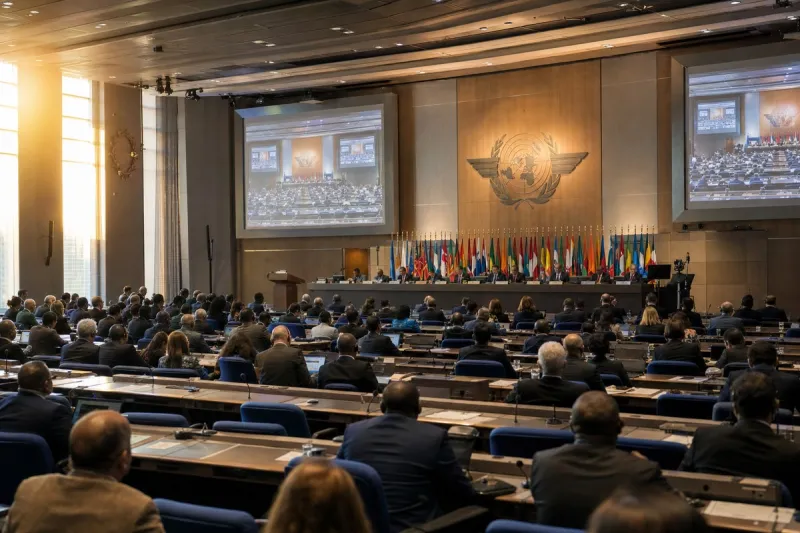
GE Aerospace Chairman and CEO H. Lawrence Culp, Jr., announced a $100,000 donation to Embry-Riddle Aeronautical University to support its Aviation Maintenance Technology SkillBridge program. He made the announcement during the university's Presidential Speaker Series, which coincided with the institution's 100th anniversary.

University officials said the gift will cover tuition and FAA testing expenses for transitioning service members taking part in the initiative. The program is offered through Embry-Riddle's Worldwide Campus. Its nine-week curriculum combines aviation maintenance training with career preparation and employer networking, and it has more than 1,000 graduates to date.
Culp said: "Embry-Riddle and GE Aerospace trace our roots to Ohio, and we both believe the industry's future depends on a skilled workforce. Veterans and service members are essential to this effort, bringing leadership, technical skills, and commitment to a mission. As Embry-Riddle celebrates 100 years, we're committed to supporting service members as they transition into aerospace careers."
Dr. P. Barry Butler, Embry-Riddle president, said helping service members transition to civilian careers is central to the missions of both Embry-Riddle and GE Aerospace. He added that the university is honored the gift will prepare more service members to enter roles critical to the aerospace industry from Day One.
Industry impact & what to watch
Maintenance technician supply is a constraint that touches every segment of business aviation, from charter and fractional fleets to FBO line services and MRO shops. Programs that move separating service members into FAA-certified roles in a matter of weeks address that constraint at the entry point, and the cost barrier of tuition and testing is one of the practical obstacles a donation like this removes.
Funding that comes from a major engine and systems manufacturer also reflects how the sector tends to invest in its own labor pipeline. Manufacturers and large maintenance providers benefit directly when more certified technicians enter the workforce, so sponsorship of training is closer to supply-chain planning than to philanthropy alone.
The next point of evidence will be what the program itself reports: how many service members the $100,000 supports and how many of them go on to maintenance employment after the nine-week course.