NBAA, NATA, AOPA and VAI Back FAA Proposal to Relax Pilot Oxygen Mask Requirements
Why It MattersThe joint backing signals that business aviation treats mask rules written for earlier-generation aircraft as a regulatory lag, and expects rulemaking to track pressurization technology and accumulated safety data.
What happened
The National Business Aviation Association (NBAA) has voiced strong support for the Federal Aviation Administration's notice of proposed rulemaking (NPRM) on required oxygen use by pilots. NBAA said the rule "modernizes the regulatory landscape to more closely align with existing aircraft technology, cabin pressurization systems and safety data."
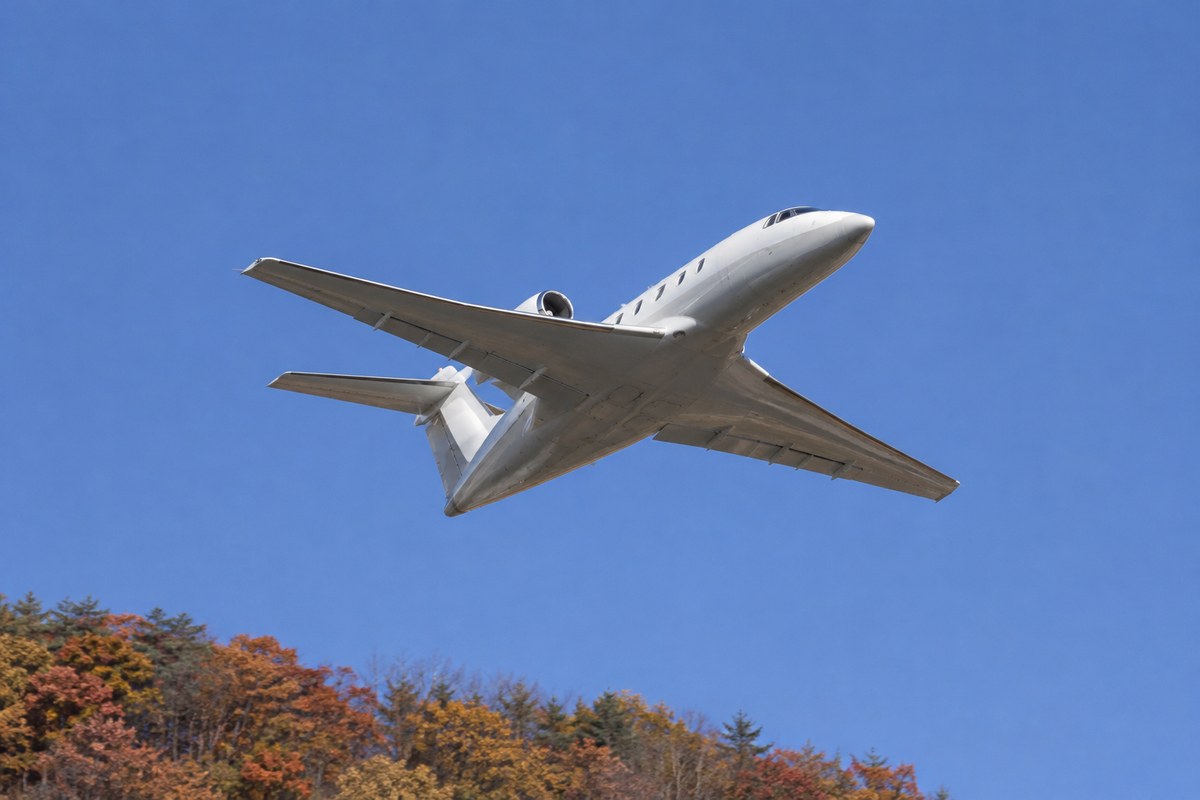
The rule would update the altitude requirements for pilots to wear oxygen masks, particularly for Part 91 general aviation operations involving pressurized aircraft. Section 834 of the FAA Reauthorization Act of 2024 directed the FAA to issue the rulemaking.
In joint comments, NBAA, the National Air Transportation Association (NATA), the Aircraft Owners and Pilots Association (AOPA) and Vertical Aviation International (VAI) argued that altitude-based mask thresholds set in the 1950s and 1960s do not reflect modern aircraft design. They cited reliable pressurization control systems, dual pressure bulkheads, advanced warning annunciators and automated safety enhancements. "The safety data accumulated over millions of flight hours demonstrates that continuously wearing an oxygen mask at high altitudes is no longer necessary," the groups wrote.
The NPRM is in part a response to a 2021 petition from Merck for an exemption from 14 CFR § 91.211(b)(1)(ii), the rule requiring a pilot to wear an oxygen mask above FL410. NBAA submitted comments supporting Merck's petition, arguing that modern aircraft design mitigations make the mask requirement obsolete for two-pilot crews with quick-donning masks available. The associations said the NPRM represents practical, safety-enhancing updates to existing Federal Aviation Regulations and support its expeditious adoption.
Industry impact & what to watch
The filing shows how business aviation frames regulatory modernization: requirements written when pressurization was less dependable are measured against current system redundancy and decades of flight data. The pairing of an exemption petition with a statutory mandate suggests that individual operator requests can feed into broader rules once Congress sets a direction.
The argument rests on specific conditions the associations named: two-pilot crews and quick-donning masks within reach. Any final rule will matter most to operators of high-altitude pressurized aircraft flying under Part 91, where the mask thresholds apply today.
The next milestone is the FAA's handling of these comments and whether the final rule keeps the crew-configuration and equipment conditions the associations tied their support to.