Aviation Groups Back FAA Proposal to Raise Altitudes at Which Pilots Must Wear Oxygen Masks
Why It MattersThe proposal shows how decades-old cockpit rules are being re-measured against modern pressurization and warning systems, with oxygen servicing cost, crew fatigue and alignment with ICAO practice weighing on the outcome.
What happened
Aviation industry groups are supporting a Federal Aviation Administration proposal that would relax requirements for pilots to continuously wear supplemental oxygen masks at higher altitudes. They argue that current requirements, some of which date to the 1950s and 1960s, do not adequately account for improvements in modern aircraft design, pressurization systems and safety technology.
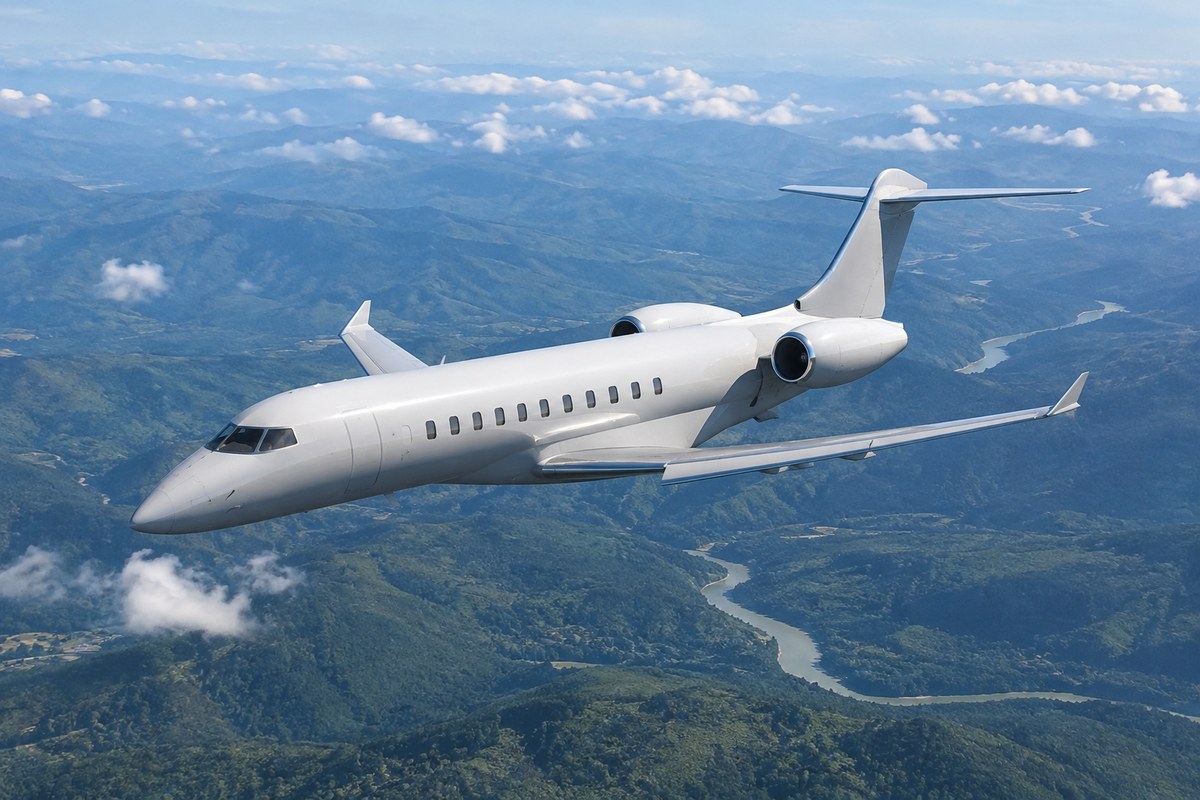
For Part 135 operations with two pilots in a pressurized aircraft, the altitude at which at least one pilot must wear a secured and sealed oxygen mask would rise from FL350 to FL410. When only one pilot is at the controls, the required mask-use altitude would increase from FL250 to FL350. For Part 91 operations, the proposal would eliminate the requirement for a pilot to continuously wear an oxygen mask based solely on altitude, provided each pilot has access to a qualifying quick-donning mask that can be placed on the face with one hand within five seconds.
The groups say today's aircraft incorporate more reliable pressurization controls, dual pressure bulkheads, advanced warning systems and other automated safety features that reduce the risks of high-altitude operations. They also cited operational concerns: wearing masks for extended periods can contribute to pilot fatigue, make cockpit communication more difficult and reduce oxygen reserves intended for emergencies. They raised hygiene and potential disease-transmission concerns when masks are worn routinely, and pointed to oxygen servicing as a consideration for operators flying to remote destinations with limited servicing facilities. The FAA estimates that oxygen tank servicing costs between $100 and $400 per fill-up.
The proposed changes stem from the FAA Reauthorization Act of 2024, which directed the agency to reconsider altitude thresholds for oxygen mask use in Part 135 operations. The FAA published its notice of proposed rulemaking, titled Flight Operations: Pilot Requirements; Use of Oxygen, in September. The proposal also moves U.S. requirements closer to International Civil Aviation Organization standards, which do not require flight crews to continuously wear oxygen masks at specific altitudes when appropriate oxygen equipment is available.
Industry impact & what to watch
The proposal is a case of a rule written for the aircraft of the 1950s and 1960s being tested against current equipment. The industry argument rests on the premise that pressurization reliability and warning systems have changed the risk picture. The two-tier structure, with a higher threshold for two-pilot Part 135 crews than for single-pilot operations, reflects the segment's own view that crew redundancy is what justifies relaxing the mask rule.
The economics sit mostly with operators who fly long legs or into destinations with thin oxygen servicing. Oxygen fills priced between $100 and $400 are small per event but recur across fleets, and a quick-donning standard for Part 91 would shift the compliance question from continuous wear to equipment readiness and the five-second, one-hand donning test. Closer alignment with ICAO standards also reduces the gap between U.S. practice and the rules applied elsewhere.
The next milestone is the FAA's review of the comments submitted on the notice of proposed rulemaking, which will determine whether the altitude thresholds and the quick-donning provision survive into a final rule in their current form.