FAA Traces Nov. 13 Nationwide Ground Stop to Network Equipment Configuration During L3Harris Upgrade in Arkansas
Why It MattersA single configuration error during routine contractor maintenance disrupted national radar and radio links, showing that US air traffic reliability depends on legacy-to-modern network seams and on how contractor work is overseen.
What happened
A technical configuration problem involving telecommunications equipment in Arkansas triggered a nationwide disruption of US air traffic operations on November 13, according to investigators who have recreated the failure in laboratory tests. The Federal Aviation Administration believes an overlooked device setting generated excessive network traffic, disrupting radar and radio communications across the national airspace system.
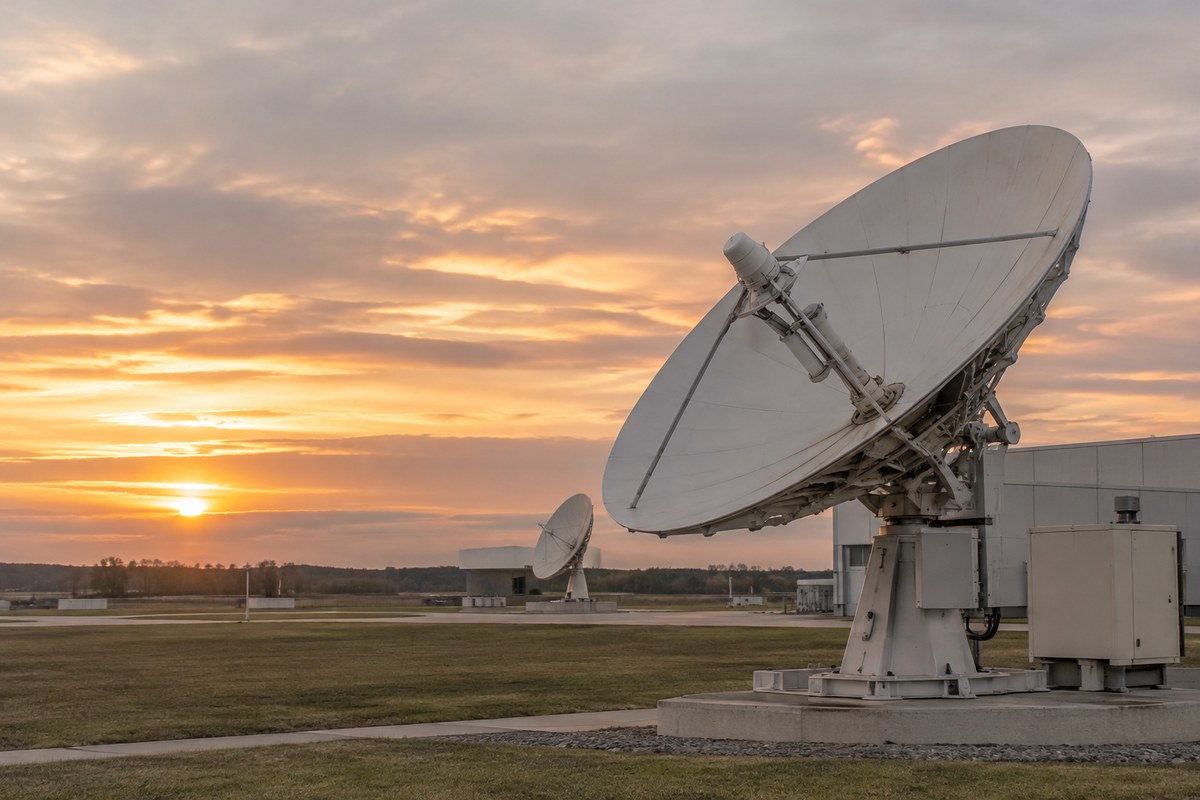
The failure occurred while contractor L3Harris was replacing aging network equipment at a telecommunications facility in El Dorado, Arkansas. Investigators identified an interaction between newly installed equipment and older telecommunications infrastructure as the likely cause. A source familiar with the investigation said the team is approximately 90% confident the incident was not caused by malicious actors, and the FBI and other national security representatives took part. Investigators believe software updates could correct the problem and prevent a repeat.
The FAA said the installation generated approximately 1,000 connection attempts every four to five seconds, overwhelming the FAA Telecommunications Infrastructure network and destabilizing older time-division multiplexing equipment. The agency suspended further installations of similar equipment and disabled a broadcast and multicast feature across more than 60 devices already operating in the network.
HPE CEO Antonio Neri disputed the description of the device as a conventional router, saying it was an HPE Juniper Circuit to Packet platform designed to connect legacy circuit-based applications with modern IP and MPLS networks. He told CRN that the product "operated as configured" and that multicasting, the feature that had been enabled, "was not necessary for this use case." Neri said L3Harris operates and manages the network, including installing and monitoring devices, and that he had spoken with Transportation Secretary Sean Duffy.
L3Harris, which has operated the FAA telecommunications network for 24 years, said in a November 14 statement that it has completed more than 70% of the planned conversion of airspace communications from legacy copper wires to fiber optics and is supporting the FAA investigation.
Oversight questions
Sources said only four FAA liaisons nationwide now coordinate telecommunications maintenance scheduling, and that they do not approve the work. Professional Aviation Safety Specialists union president David Spero said it is unreasonable for four people to coordinate maintenance and outages for the entire system, and argued that technicians no longer have a say in approving work or its timing.
The FAA responded that L3Harris owns and is responsible for maintaining the infrastructure.
A 2009 precedent
A similar failure occurred on November 19, 2009, when 129 FAA facilities lost network service after a Harris Corp. technician installed an incorrectly configured router at the Los Angeles Center, blocking about 75% of the system. Restoration took an additional five hours because an automated monitoring tool failed to identify the fault. Harris Corp. later merged with L3 Technologies to form L3Harris.
Industry impact & what to watch
The episode shows how a national airspace network built in layers can be exposed at the points where new IP-based equipment meets older circuit-based infrastructure. The reported trigger was not an attack or a hardware fault but a feature setting that was enabled when it was not needed, which makes the risk one of change management during modernization rather than of any single component. For airlines, charter operators and flight departments, the practical exposure is a ground stop or degraded radar and radio coverage that originates far from any airport they use.
The overlap with the 2009 Los Angeles Center failure, which also began with a misconfigured device installed by a contractor technician, points to a recurring weak spot in how network changes are staged and monitored. The question of who approves maintenance timing, the FAA's four liaisons or the contractor that owns the infrastructure, now sits alongside the funding debate, since Duffy has requested another $50 billion from Congress for air traffic control modernization.
The next dated checkpoint is the congressional hearings at which FAA Administrator Bryan Bedford and Duffy are scheduled to appear the following week. Whether the software fixes investigators describe are adopted, and whether the suspended installations of similar equipment resume, will indicate how the agency intends to carry on the fiber conversion that L3Harris says is more than 70% complete.