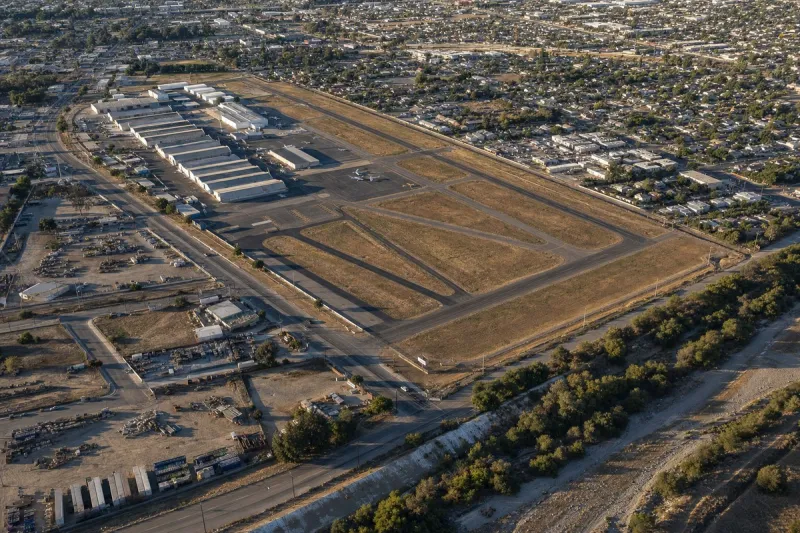
Saudi Arabia Intercepts 209 Houthi Aerial Threats Between September 24 and November 24
Why It MattersSustained strikes on airports and energy sites make airspace risk a standing cost of Gulf flying, shifting attention to how civil aviation authorities handle closures, routing and insurance exposure.
What happened
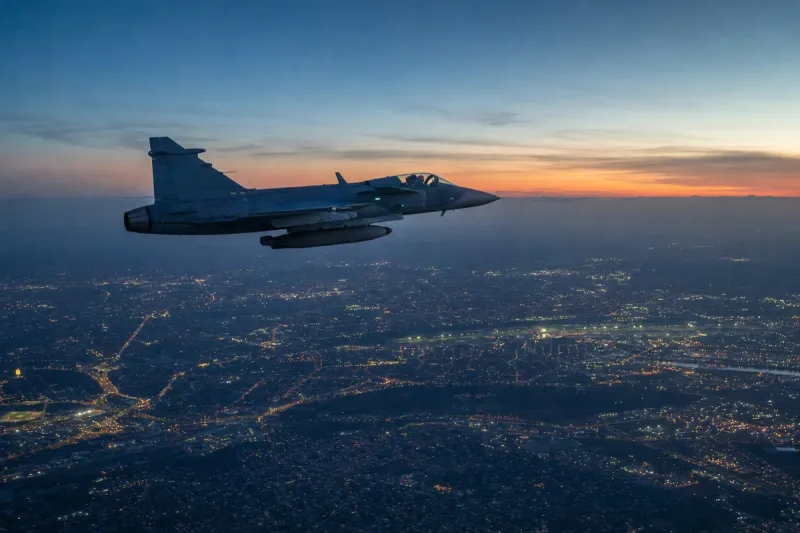
Saudi air defenses intercepted 209 aerial threats launched by Yemen's Iran-backed Houthi movement between September 24 and November 24, according to the Saudi Embassy in Washington.
The figure comes amid intensified cross-border hostilities following the collapse of a UN-backed truce earlier this year. The exchanges have primarily targeted key infrastructure in Saudi Arabia, including airports and energy facilities.
Observers are watching the Saudi General Authority of Civil Aviation (GACA) and Saudi Air Navigation Services (SANS) for any indication of airspace closure due to security threats.
Industry impact & what to watch
Strikes aimed at airports and energy facilities put civil aviation inside the conflict's target set. For operators flying into or over the Kingdom, the practical questions are less about any single interception than about whether the threat tempo stays at this level, and how it feeds into route planning, crew decisions and war-risk insurance terms.
Airspace decisions in this kind of environment are made by the national authorities, so the signals that matter most are notices from GACA and SANS. Closures or restrictions, if they come, would be issued through those channels, and operators with Saudi exposure typically track them alongside their own security providers.
The next concrete marker is whether either authority issues an airspace advisory or closure tied to the threat. Absent that, the 209 intercepts over two months remain a measure of exposure rather than a confirmed change to flight operations.