FAA and Transport Canada Order Inspections of Bell 429 Tail Rotor Pitch-Link Assemblies Over Bearing Defect
Why It MattersA single supplier coating escape reaching in-service tail rotor hardware shows how component quality lapses upstream force regulators into recurring inspection regimes that bind light-twin operators long after the manufacturing fault.
What happened
The US Federal Aviation Administration published a final rule on 23 October addressing a manufacturing problem that causes premature wear of tail rotor bearings in Bell 429 light-twin helicopters. Transport Canada issued its own airworthiness directive in October.
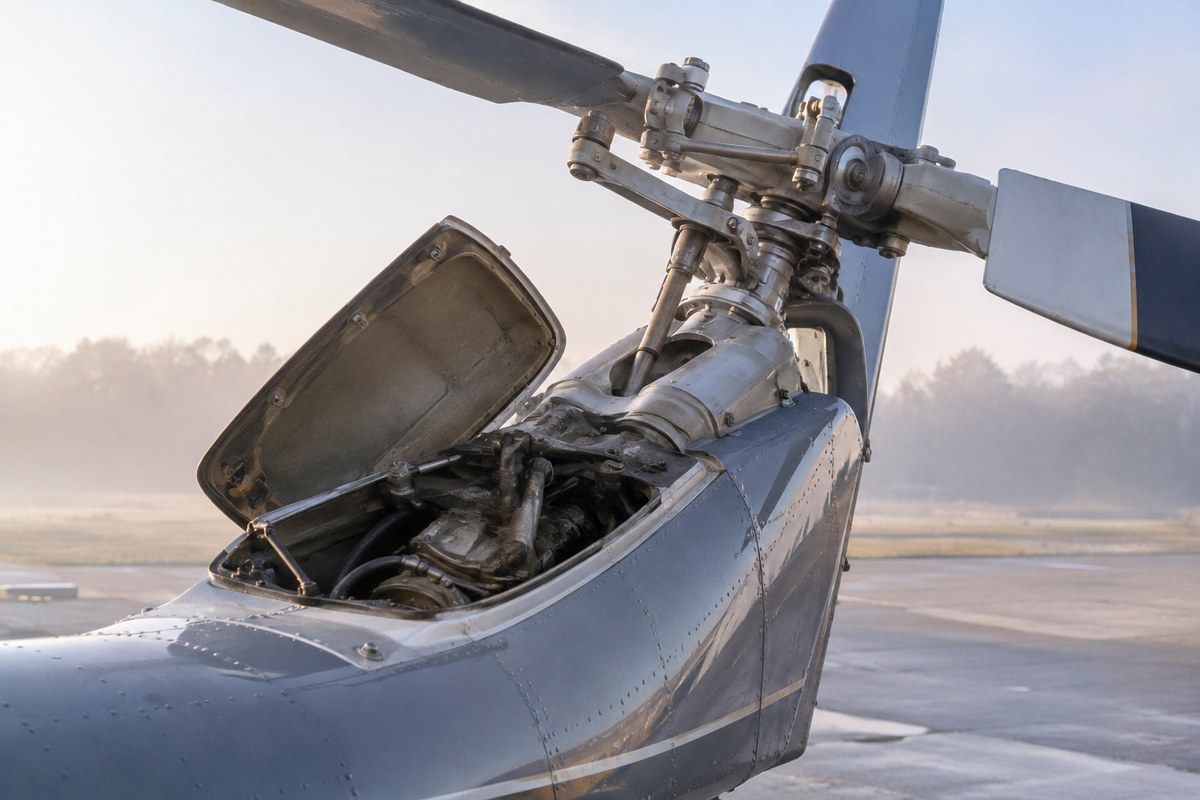
Canadian regulators learned of the problem after Bell received reports of premature wear-out of spherical bearings installed on certain tail rotor pitch-link assemblies. The bearings degraded faster than expected because of a supplier "quality escape" that left them without a required hard coating.
Both regulators require operators to visually inspect 429 tail rotor pitch-link assemblies for cracks, wear, corrosion and other damage. Assemblies that have not yet accumulated 120 flight hours must be inspected before reaching 150 hours, while those with more than 120 flight hours must be inspected within 30 hours. Operators must replace worn parts and repeat the inspections at intervals not exceeding 110 flight hours.
The FAA's order affects 152 US-registered helicopters. The agency issued the rule without first soliciting public comments, citing that an unsafe condition exists.
Industry impact & what to watch
The case belongs to the category of faults that originate below the airframe maker: a coating that a supplier omitted, discovered only when bearings wore out in service. For a helicopter, where the tail rotor controls directional stability, a wear problem in pitch-link hardware is treated as an immediate airworthiness matter, which is why the FAA skipped the comment period and acted on the existing unsafe condition.
The repeat-inspection interval of no more than 110 flight hours turns a one-off manufacturing escape into a standing maintenance obligation. For light-twin operators and the shops that support them, that means recurring labour and parts demand tied to utilisation, and the burden falls hardest on high-hour fleets that reach each interval sooner.
The regulators' directives set the inspection thresholds, but the arrangement only changes if the affected parts are replaced with correctly coated bearings, which would let the repeat inspections be relaxed. Whoever documents that replacement path, whether Bell or the regulators through a revised directive, will determine how long the recurring checks last.