O'Hare Equipment Outage Triggers Ground Stop on Nov. 24; Refunds Available, but U.S. Law Sets No Fixed Delay Compensation
Why It MattersThe episode shows how one airport-specific equipment fault can disrupt a peak holiday period, while U.S. passengers' main legal entitlement remains a refund rather than fixed delay compensation.
What happened
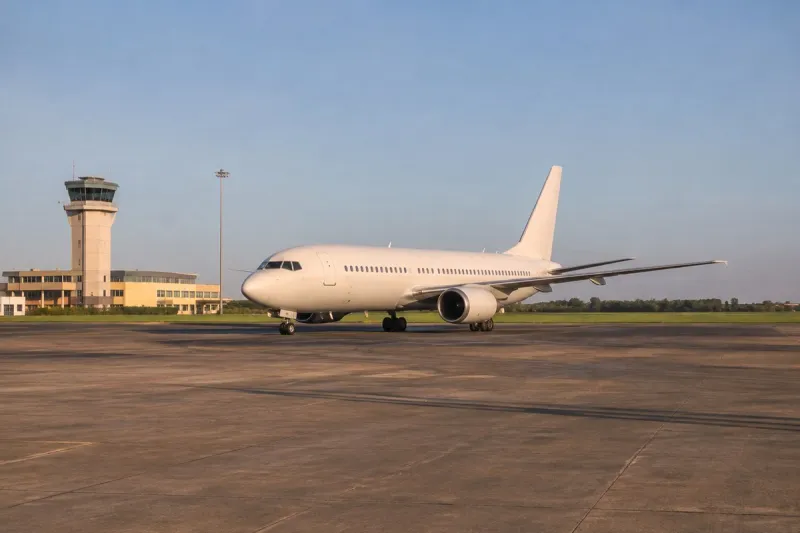
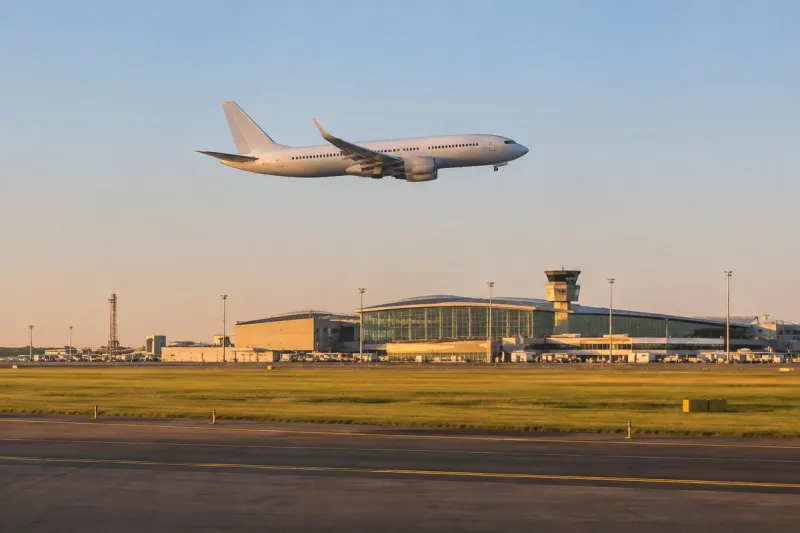
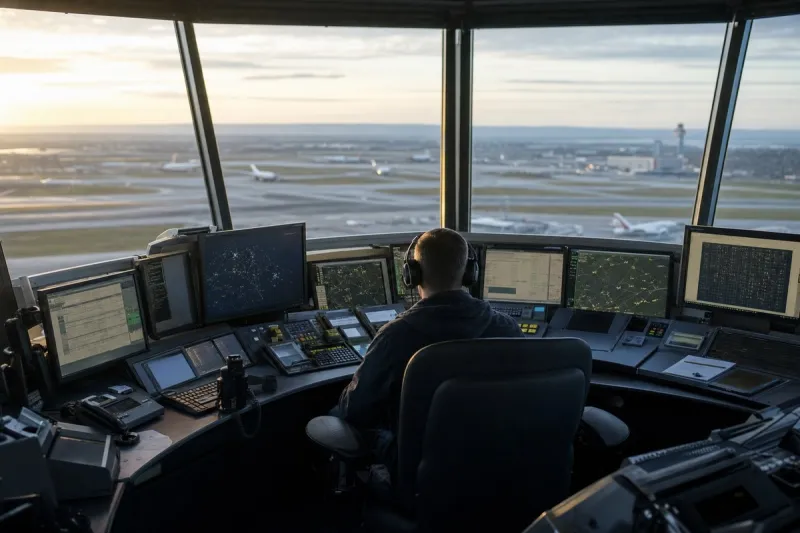
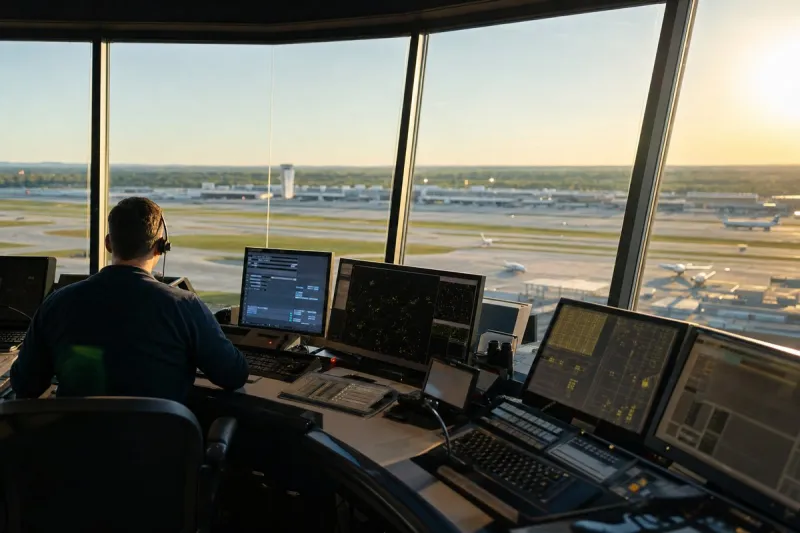
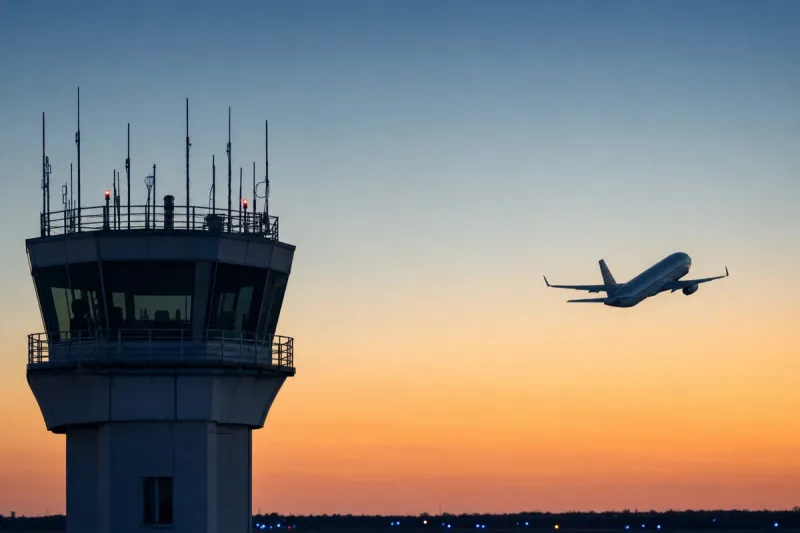
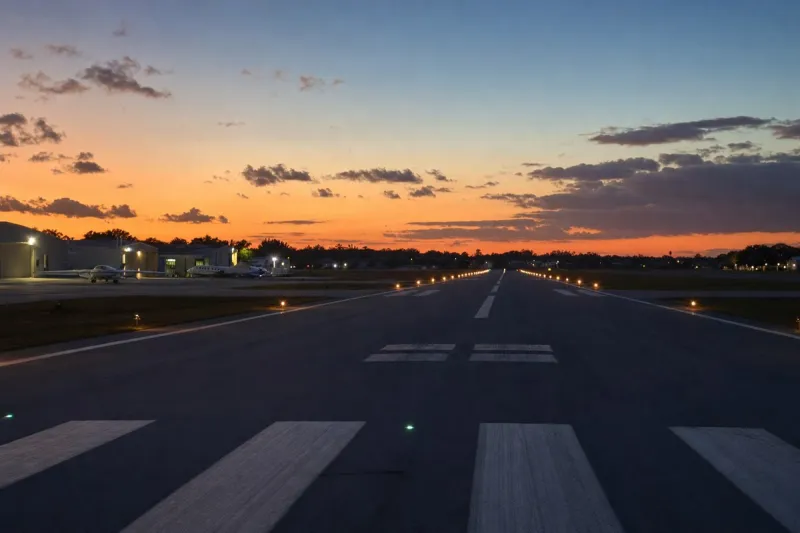
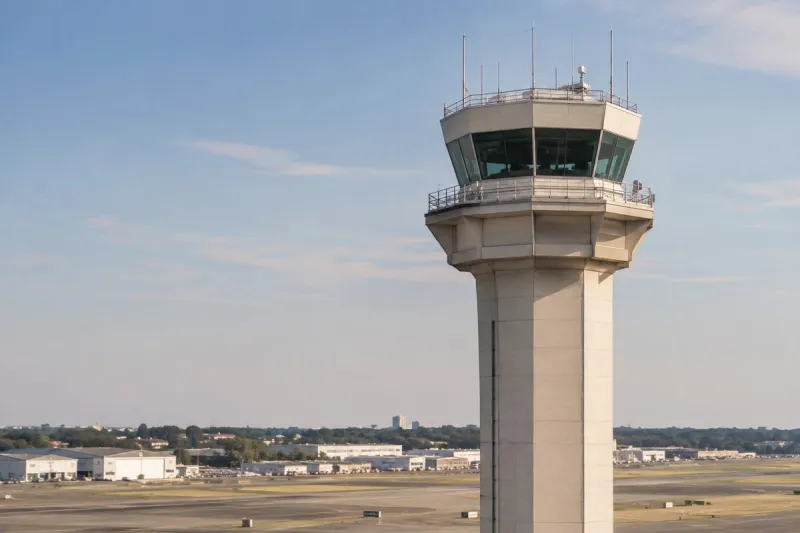
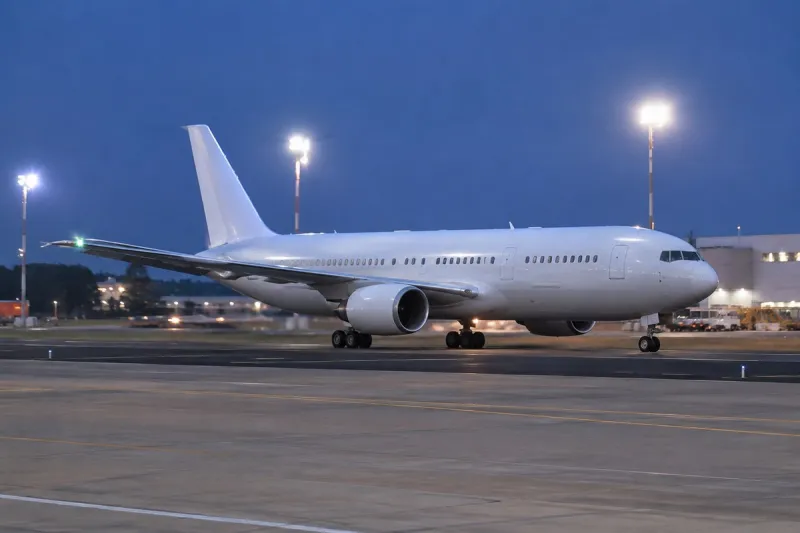
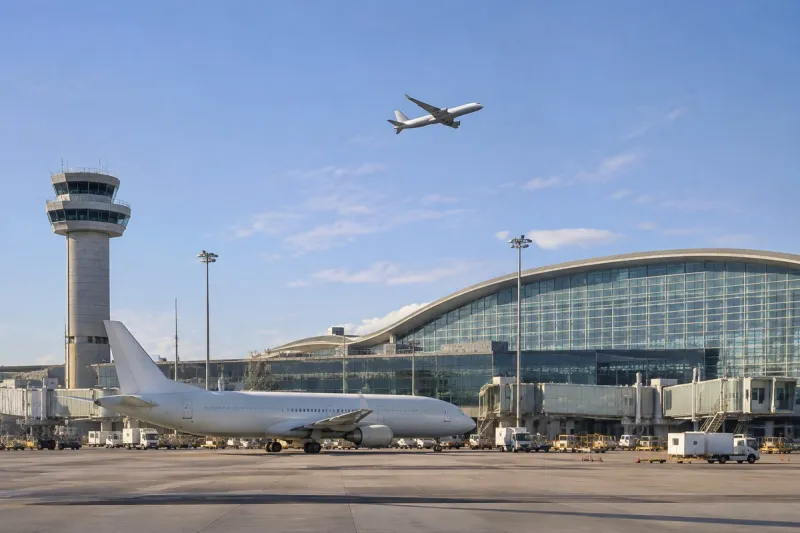
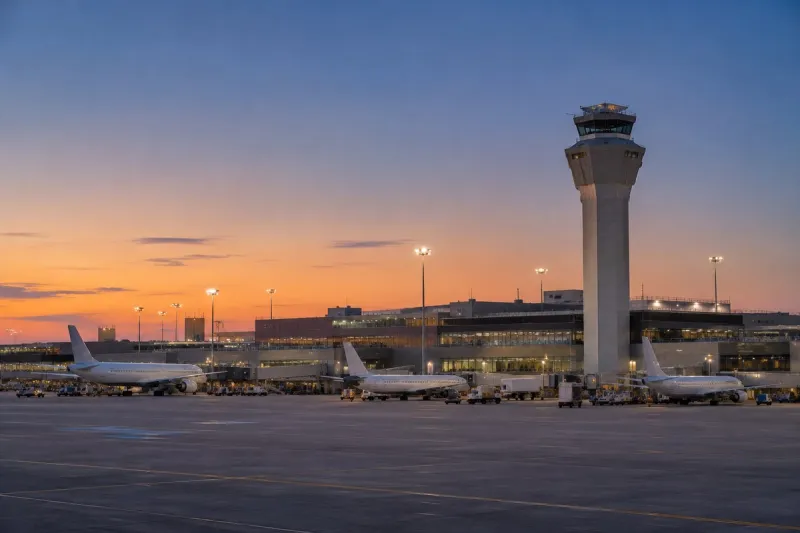
A failure of air traffic control equipment at Chicago O'Hare International Airport on Tuesday, November 24, 2026, led the Federal Aviation Administration (FAA) to impose a ground stop on flights bound for the airport during the Thanksgiving travel period.
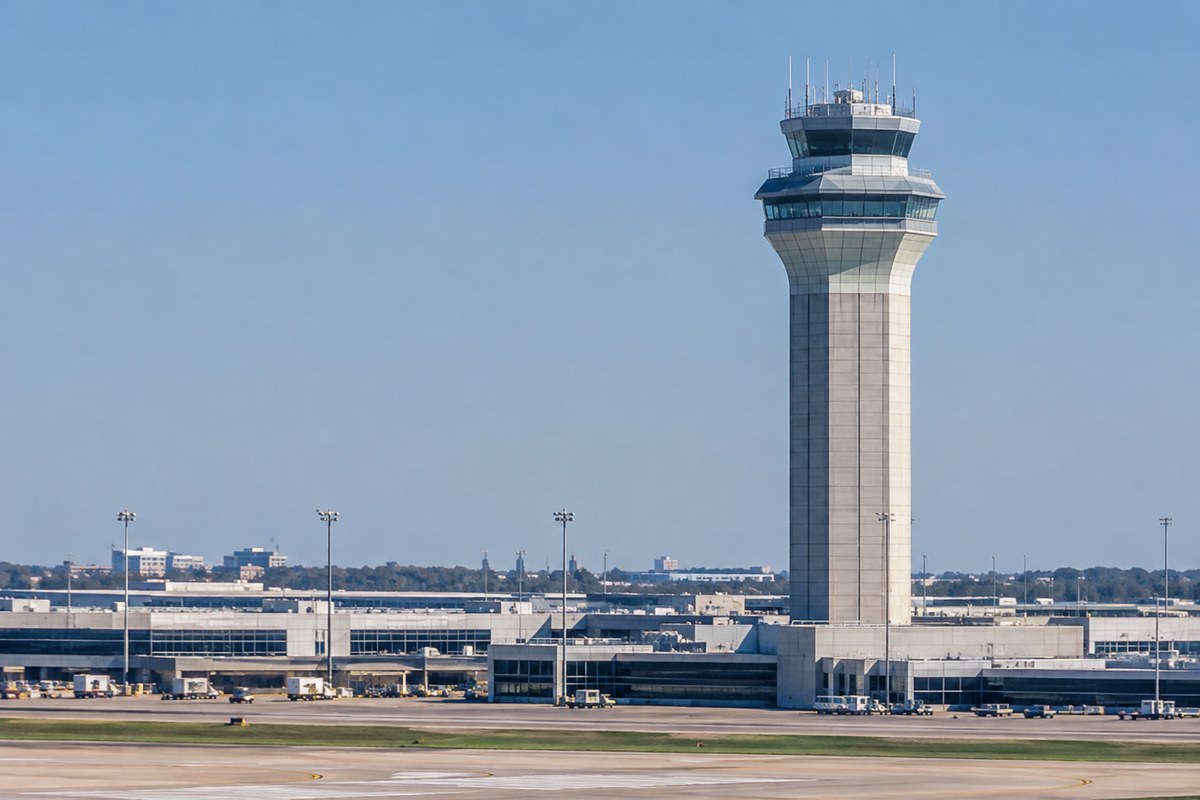
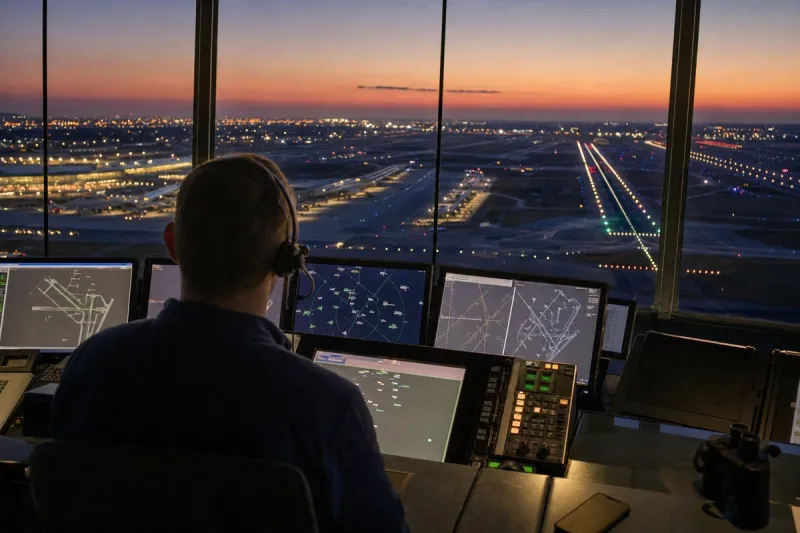
The problem involved one of O'Hare's ground radars. The FAA described it as a piece of air traffic equipment specific to O'Hare, and said it did not affect all flights, other airports or other FAA systems.
The ground stop mainly affected flights scheduled to depart for O'Hare from other Illinois airports. Refunds are available to affected passengers, but U.S. law sets no fixed compensation amount for delays.
Industry impact & what to watch
The case illustrates how a localized equipment fault, confined to one airport's ground radar and not touching other FAA systems, can still interrupt arrivals during one of the heaviest travel periods of the year. A ground stop holds departing flights at their origin airports, so the effect spreads to the surrounding network even when the failure itself is narrow.
On the passenger side, the practical remedy in the United States is a refund for a cancelled or significantly changed flight. Unlike regimes that set fixed delay compensation, U.S. law attaches no set payment to a delay, so what travelers receive beyond a refund depends on each airline's own policies.