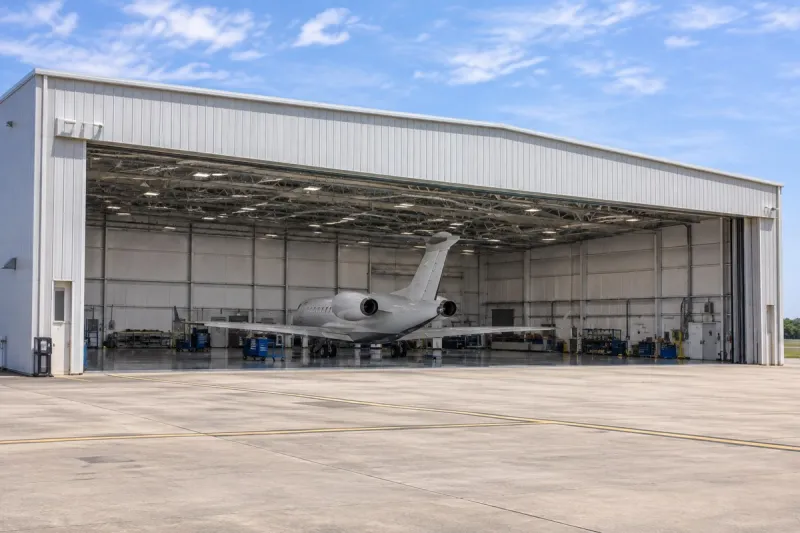
Port of Olympia Commission Votes 5-0 to Approve Lease and Building Sale to Vesper Aviation at Olympia Regional Airport
Why It MattersA small-airport FBO changing hands shows how fuel volume drives standalone viability, and how a ground lease can tie a new owner to scheduled service and an existing flight school.
What happened
The Port of Olympia commission voted 5-0 on Monday to approve a new ground lease, which could run as long as 50 years, and the sale of one building to Vesper Aviation at Olympia Regional Airport. All five commissioners — Joel Hansen, Sarah Montano, Jerry Toompas, Krag Unsoeld and Jasmine Vasavada — voted in favor.
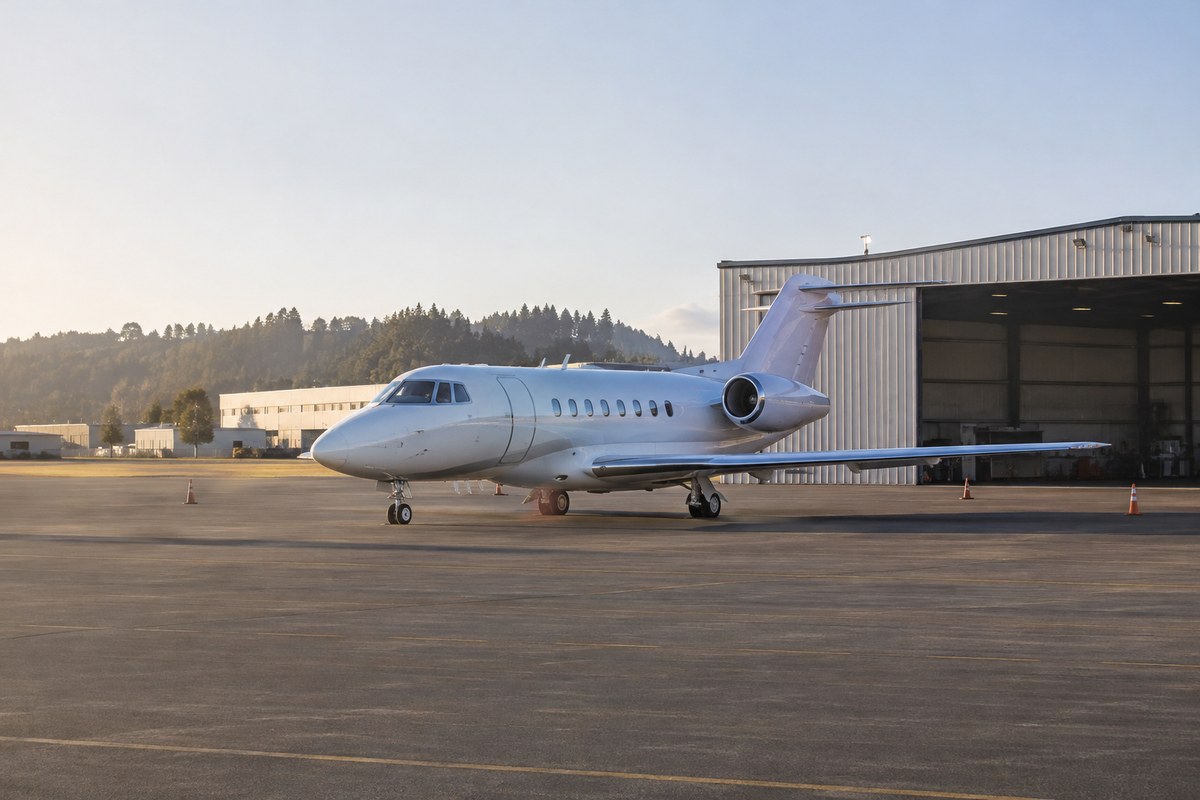
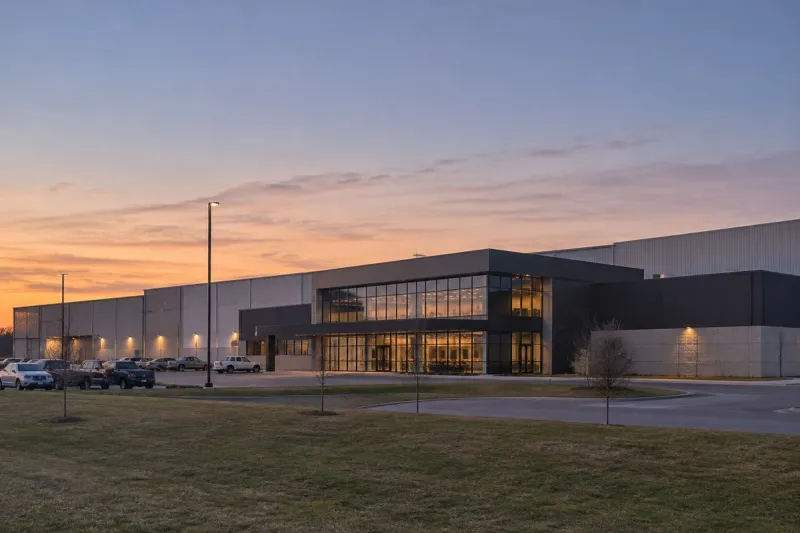
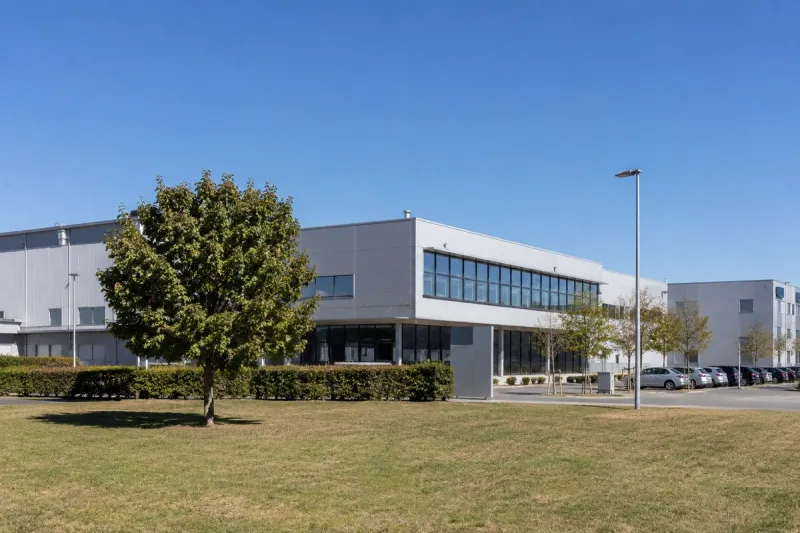
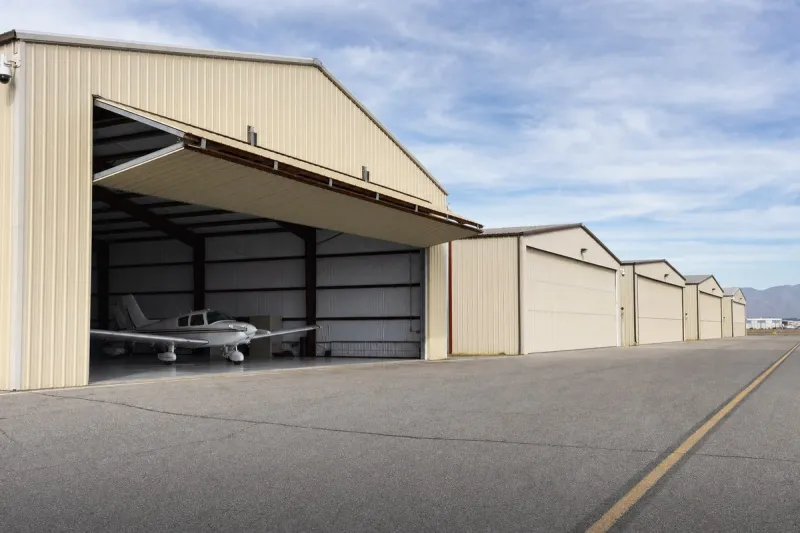
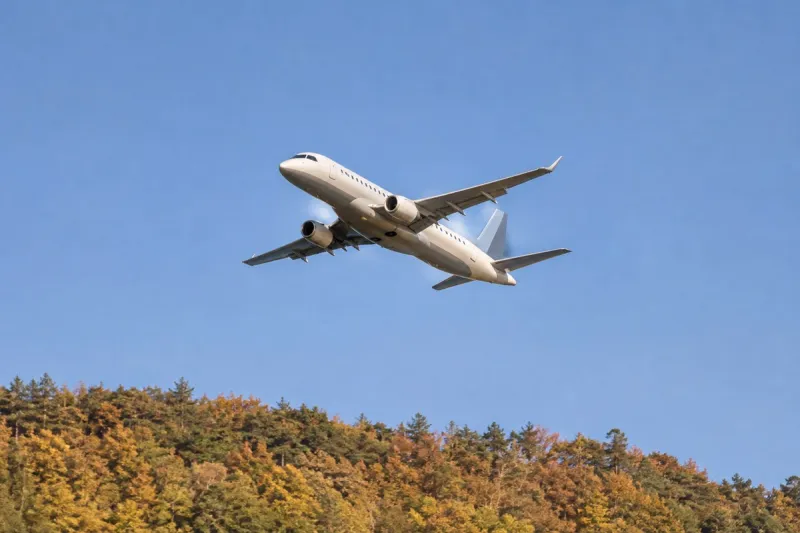
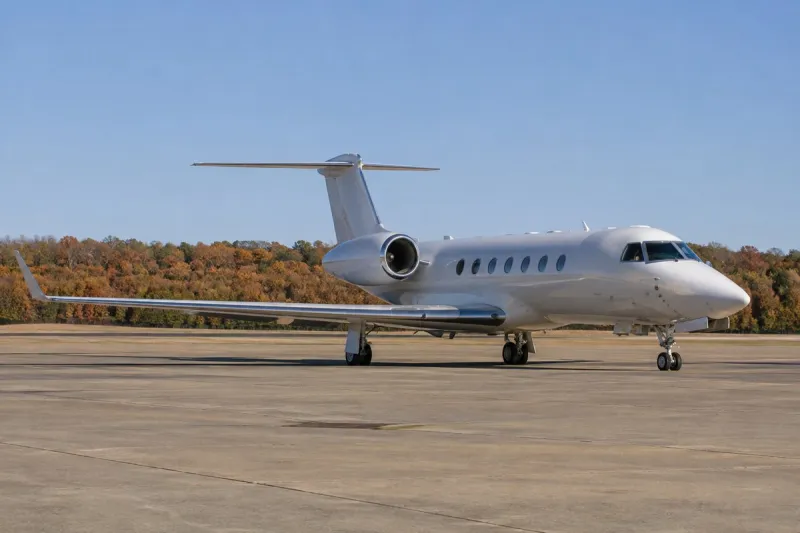
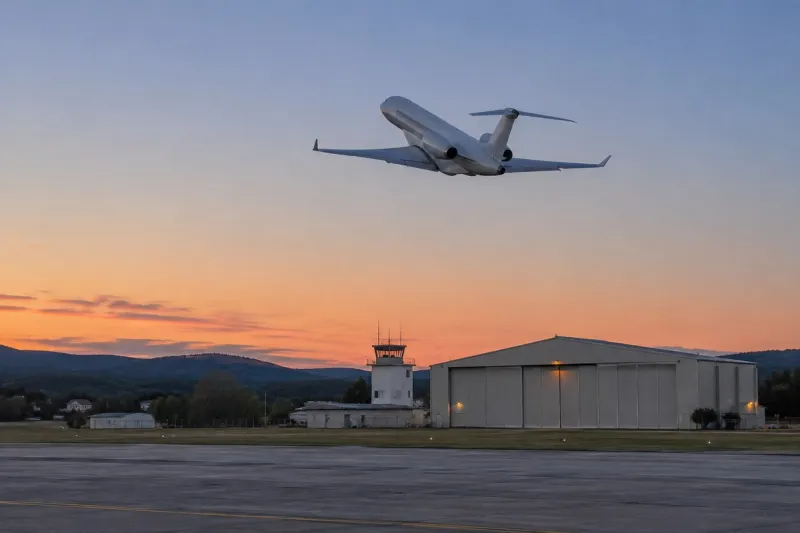
Vesper is expected to play a role in supporting SeaPort Airlines, which recently announced plans to fly twice weekly between Olympia and Spokane during the upcoming Washington state legislative session, and possibly beyond if there is customer demand. SeaPort would have worked with Glacier Aviation, a longtime fixed-base operator (FBO) at the airport, which is now in the process of being acquired by Vesper Aviation. Glacier also operates a longtime helicopter flight school. Vesper founder and chairman Jon Wenrich said the school will continue, calling it a core part of the deal. He said a standalone FBO needs more than 750,000 gallons of fuel sold to make financial sense, while Glacier sells less than 200,000.
About 20 people spoke in public comment, split evenly between supporters and opponents of the lease. Port community and economic development director Mike Reid answered commissioners' questions on oversight and environmental review. Non-structural work of $50,000 or less needs no executive director or commission approval; larger work such as roof leaks, systems upgrades or facade work needs executive director approval; and major changes such as a new building, added hangars or units, a larger building footprint or alterations to the airport layout plan must go to the commission.
Unsoeld said he had talked extensively with opponents and made sure their main concerns were addressed in the lease, acknowledging that his vote would disappoint some supporters. Hansen cited aircraft noise, the Glacier owners' wish to retire, and the potential financial consequences if the deal fails, and he criticized personal abuse directed at port staff. Resident Lee Riner said many people living in the flight path experience noise and vibration.
Industry impact & what to watch
Wenrich's fuel arithmetic is the clearest window into how small-airport FBOs work. A standalone operation needs more than 750,000 gallons sold to make financial sense, and Glacier sells under 200,000. At that gap, a stand-alone FBO at an airport of this kind depends on something beyond fuel sales, and here the answer is a consolidating owner that also takes on the helicopter school and a scheduled-service partner.
The lease structure shows how a port authority keeps leverage over a long-term tenant. Tiered approval thresholds, from no sign-off at $50,000 or less up to commission review for new buildings, added hangars or changes to the airport layout plan, mean that growth at the site stays visible to the public body even under a lease that could run 50 years. The split public comment and the noise concerns raised by residents in the flight path are the pressure that those thresholds are designed to channel.
The next point to watch is whether the twice-weekly Olympia–Spokane flights tied to the legislative session continue past it. SeaPort's own plan makes that conditional on customer demand, so the service pattern after the session will show whether the airport gains regular scheduled service or only a seasonal link.