Over 60 US Aviation Groups Urge Congress to Add at Least $30 Billion for Air Traffic Control Modernization
Why It MattersA cross-industry coalition framing the 2025 appropriation as a down payment shows ATC modernization is being treated as a multi-year capital program, with its scale still contested between stakeholders and lawmakers.
What happened
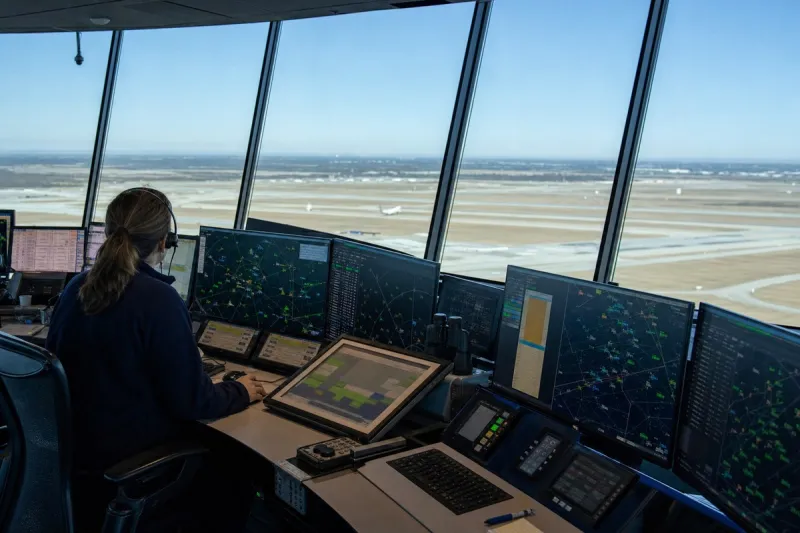
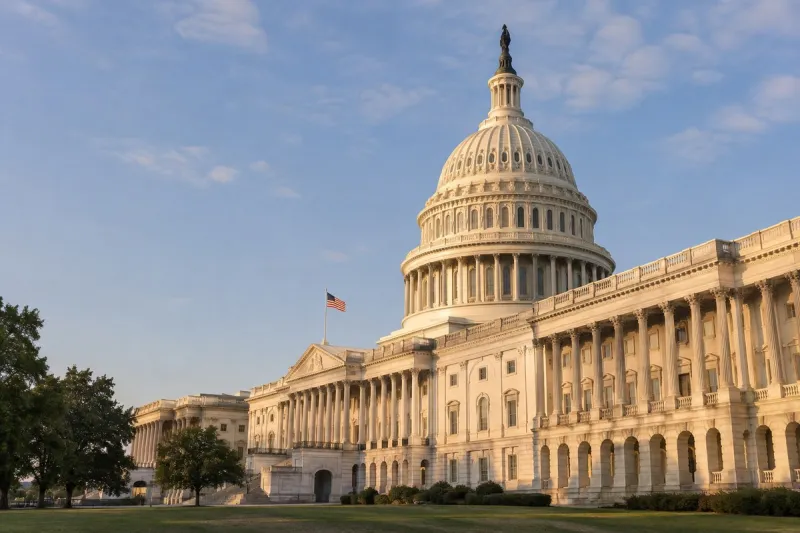
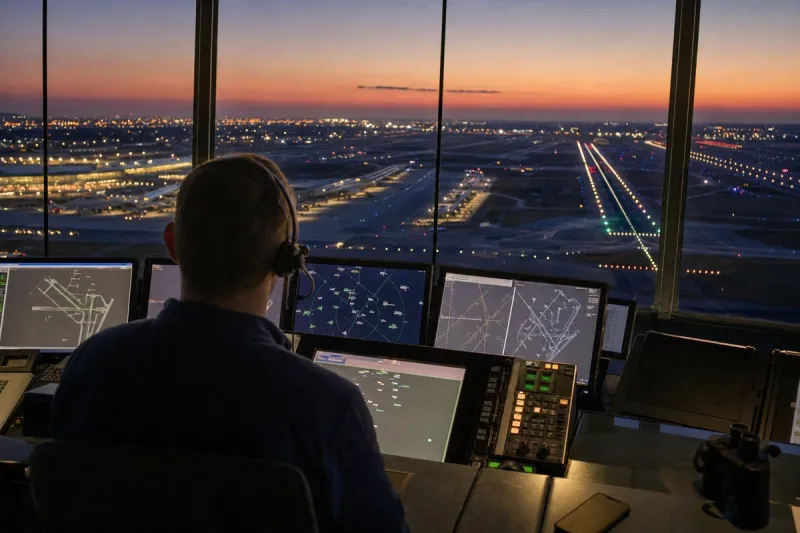
More than 60 US aviation organizations, including unions, planemakers and lobby groups, have asked Congress to provide at least an additional $30 billion to overhaul the nation's air traffic control (ATC) system. They set out the request in a letter sent on Monday.
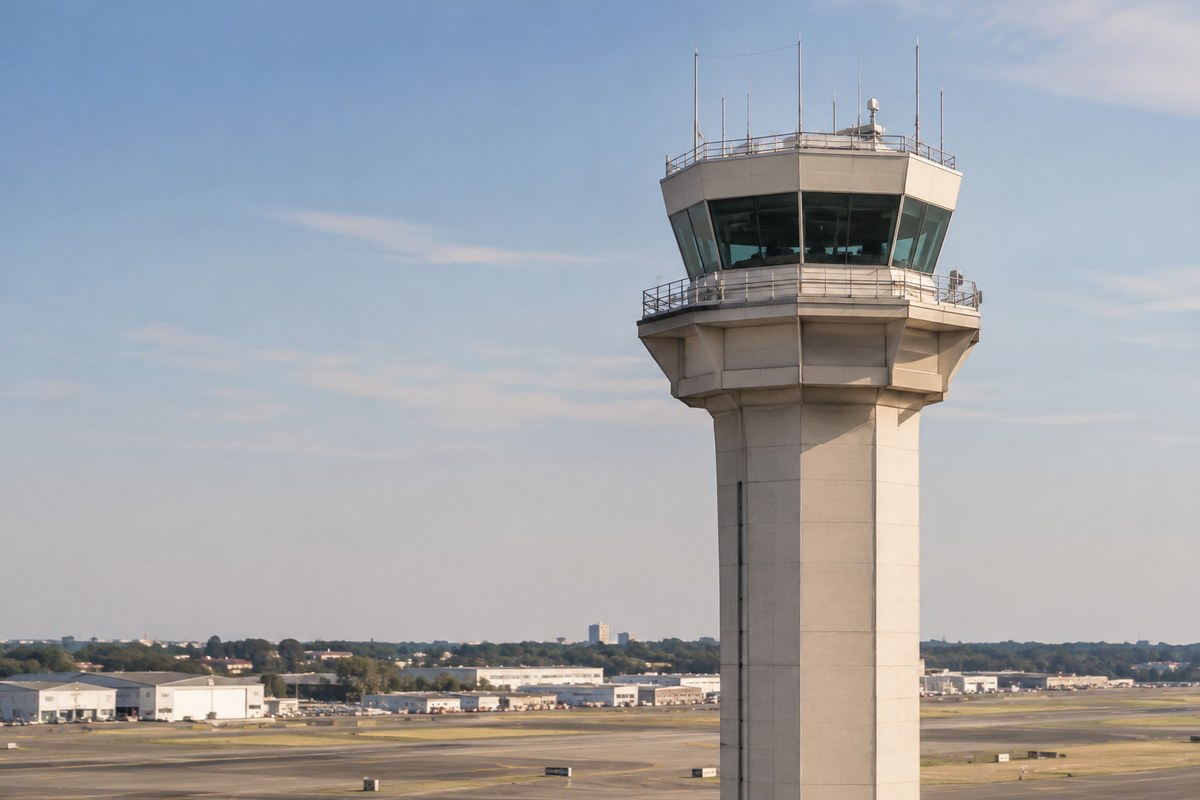
Signatories include Airlines for America, the U.S. Travel Association and Boeing. The letter tells lawmakers there is a "pressing need" to modernize the aging system, and says the recent air traffic control ground stop "put a national spotlight on just how fragile the system has become."
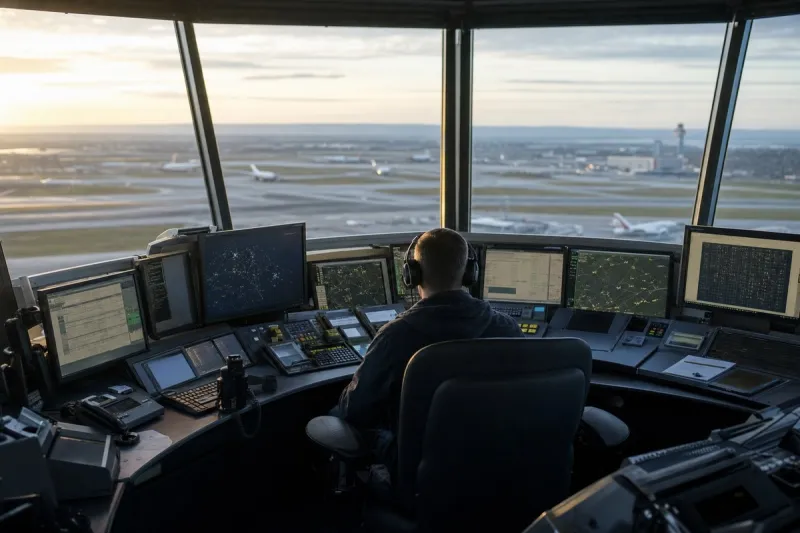
Congress originally appropriated $12.5 billion in federal funds in 2025 to launch the national ATC modernization project. The Department of Transportation has used that money to replace aging technology, including antiquated copper wires and floppy disks, with modern alternatives. The coalition calls the initial appropriation a "down payment" and says at least $30 billion more is needed for full modernization.
In September, Transportation Secretary Sean Duffy requested another $30 billion for the overhaul. After the November 13 ground stop, Duffy raised his request for additional funding to $50.1 billion.
Industry impact & what to watch
The coalition's wording matters as much as its number. Calling the 2025 money a down payment casts air traffic control renewal as a staged, multi-year capital program rather than a one-off fix, and it puts airlines, travel groups and a planemaker on the same side of the funding argument as the department that runs the program.
The gap between the coalition's floor of $30 billion and the Transportation Secretary's $50.1 billion is where the real debate sits. Industry experts and lawmakers appear divided over whether the larger sum is necessary, even as aviation stakeholders increasingly agree that at least $30 billion more will be required. For airlines and airports, a system that is replaced in stages means the reliability gains arrive unevenly, tied to which pieces of aging equipment are swapped out first.
The next marker is whether Congress acts on either figure, and at what level. Until an appropriation moves, the $12.5 billion already provided remains the only funding committed to the modernization effort.