Industry Figures Split on Whether 'On-Demand Aviation' Should Replace 'Business Aviation'
Why It MattersThe dispute shows the sector weighing a service-based identity against a purpose-based one, with the label now bound up in how it argues for airport access, taxation and emissions treatment.
What happened
Richard Koe, managing director and founder of aviation data provider WINGX, argues that "on-demand aviation" describes what business aircraft actually do better than "business aviation" or "private jets." He said the current label defines the service by the people who fly it rather than by what the aircraft do.

Max Van Cauwenberghe, CEO of fleet scheduling company RISE, agreed. He said "business aviation" is too narrow because the aircraft are also used for leisure, freight, medical flights, observation and special missions, and that what these flights share is that they operate on demand.
Dan Hubbard, acting chief executive officer of the US National Business Aviation Association (NBAA), defended the existing term. He said it has been essential to success in the policy arena, helping protect airport and airspace access, turn back punitive tax and fee proposals, and secure measures such as bonus depreciation, flight-data protections and tariff exemptions. In his view, "on-demand" describes an operational model, while "business aviation" defines the sector's purpose. Graham Williamson, managing director of Gama Aviation, said business aviation is the clearer statement.
The network data behind the argument
Koe cited WINGX data showing that over the past 12 months business jets connected 50,000 airport pairs in Europe, of which 38,000 had no scheduled service. Even after grouping airports into metropolitan areas, 73% of city pairs linked by business jets have no scheduled connection.
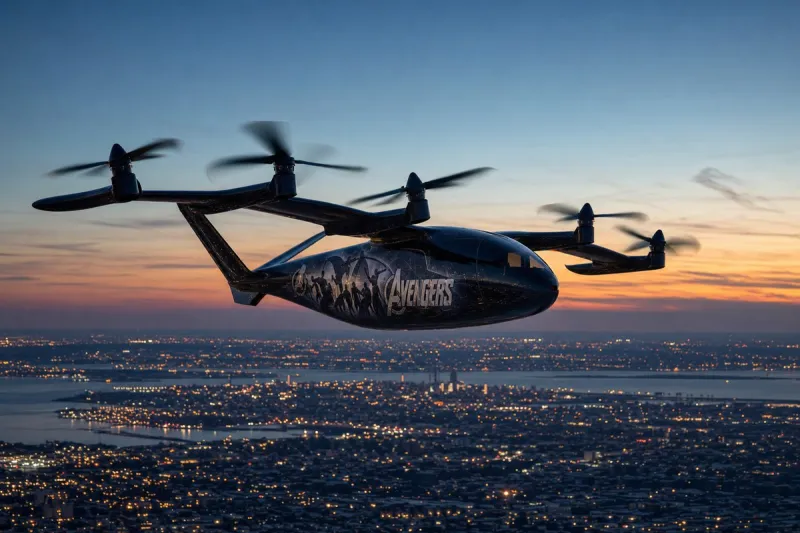
He said Gulfstreams and Bombardiers make up a modest share of unscheduled flying. He expects the on-demand label to become more apparent once hybrid-electric aircraft and electric air taxis begin carrying passengers on short journeys. Koe also said airlines have moved heavily towards hub-and-spoke networks.
Image, airport caps and emissions
Williamson said the industry's image has had practical costs. During his time at TAG Aviation, Farnborough Airport was capped at 26,000 to 28,000 movements per year, with only 10% allowed at weekends; after years of lobbying the cap was raised to 50,000. Opposition also held back plans for a hotel and a new terminal.
Koe argued that per-passenger emissions figures are treated as a black-and-white case for curbing the sector. He proposed assessing emissions per flight against the flight's estimated economic contribution. Van Cauwenberghe was sceptical of that approach, saying it risks reading the sector's economic value too narrowly.
Industry impact & what to watch
The disagreement is less about vocabulary than about which case the sector makes to regulators and the public. A purpose-based name ties the industry to corporate travel and to the policy record Hubbard describes, while a service-based name ties it to network coverage that scheduled airlines do not provide. Each framing leads toward different evidence: tax and access precedents on one side, point-to-point connectivity data on the other.
The label also sits inside live fights over airport capacity and emissions. Farnborough's movement cap, which rose from a range of 26,000 to 28,000 to 50,000 after years of lobbying, shows how public perception can translate directly into operating limits. Whether a different name would soften that opposition is an untested assumption, and the sector's own leaders are split on it.
The next concrete test Koe points to is the arrival of hybrid-electric aircraft and electric air taxis on short journeys, which he expects to make the on-demand description more apparent.