UK Hydrogen Energy Association warns weakening HEFA cap would undermine green hydrogen e-SAF demand
Why It MattersSAF mandates work by pairing a feedstock cap with a sub-mandate, so any loosening of one leg removes the investment signal that newer, costlier pathways depend on to reach final investment decisions.
What happened
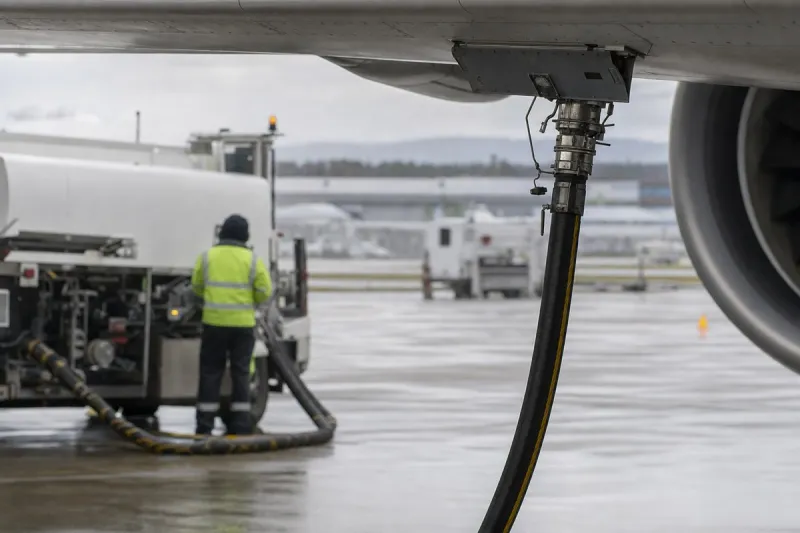
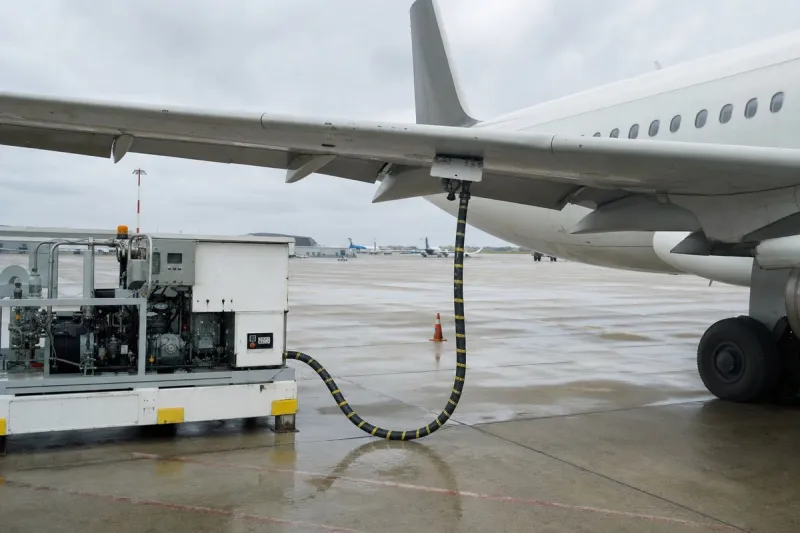
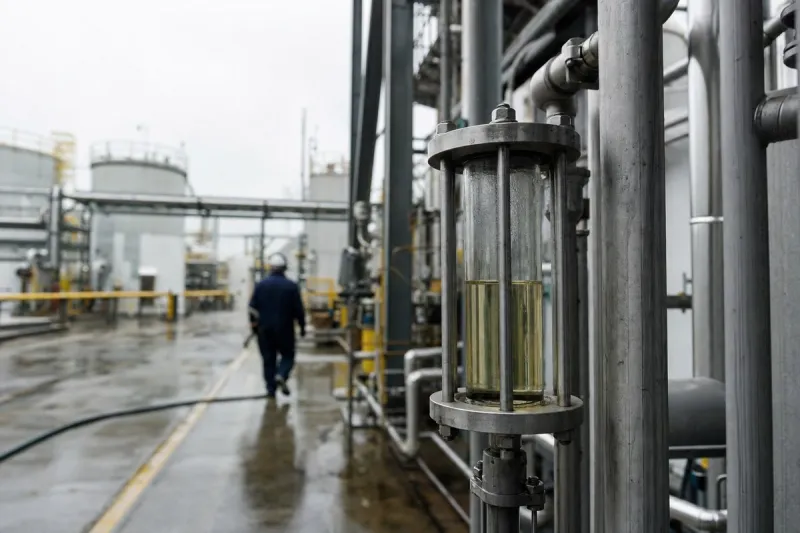
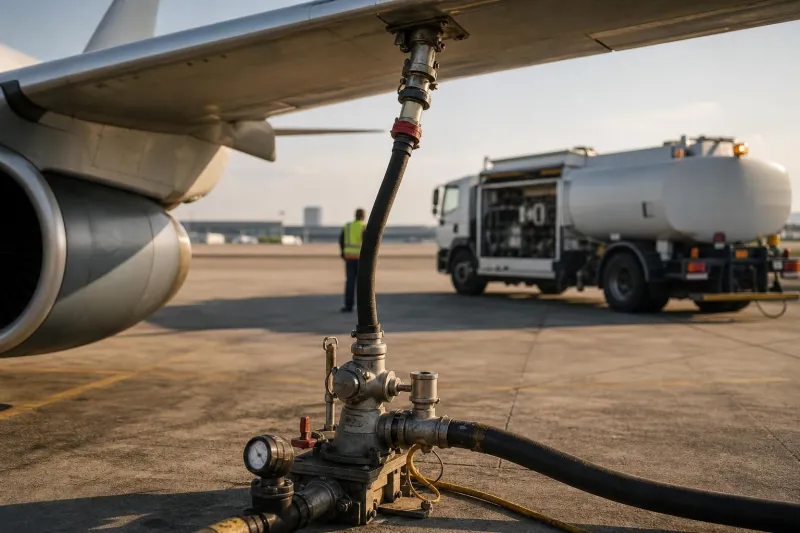
The Hydrogen Energy Association, a UK trade group, has warned that weakening caps on hydroprocessed esters and fatty acids (HEFA)-based sustainable aviation fuels would harm demand for green hydrogen-based e-SAF at what it called a critical stage of development. The warning was submitted in the HEA's response to the UK Department for Transport's consultation on the country's SAF mandate.
The mandate currently limits HEFA-produced fuels to 92.3% of total obligations in 2027 and requires 10% of jet fuel supplied to the UK aviation market to be sustainable by 2030, with a sub-mandate for power-to-liquid fuels, also known as e-SAF. The DfT launched the consultation amid concerns that non-HEFA SAF production may not yet be sufficient to meet the mandated targets.
The HEA said relaxing the HEFA cap would delay demand signals and deter investment in green hydrogen-based SAF pathways. "Members noted that the HEFA cap and PtL obligation together provide the primary market signal underpinning the business case for these projects," the HEA stated. "Any increase to the HEFA cap, or any extension of the period during which more HEFA SAF can count towards compliance, would push back demand for PtL SAF." The HEA also acknowledged that its members do not expect current levels of non-HEFA production to meet the mandate's target of 3.5% PtL fuels through to 2040 without targeted support, and it raised concerns that the PtL obligation's buyout price could fall below the cost of production, leaving suppliers without a direct financial incentive to invest in physical PtL supply rather than buying out of the obligation.
Industry impact & what to watch
This is a dispute over which lever actually moves investment in a still-immature fuel pathway: a feedstock cap on the mature, cheaper HEFA route, or a volume sub-mandate for the costlier PtL route. Both are meant to work together, and the HEA's argument is that softening one weakens the other before the newer pathway has scaled.
SAF mandates generally function by forcing a market into existence before it is commercially self-sustaining, using obligations and buyout prices to set a floor under production economics. Where the buyout price sits relative to the cost of production determines whether suppliers build physical PtL capacity or simply pay to opt out, and the HEA's submission flags that the current buyout level may not clear that bar for e-SAF.
The DfT is expected to publish a summary of consultation responses in the autumn, with any proposed changes to the mandate subject to further consultation, so the near-term signal to watch is whether the 92.3% HEFA cap and the 3.5% PtL target for 2040 are preserved, loosened, or paired with new targeted support.