Execution, not technology, will determine whether sustainable aviation fuel scales, analysts say
Why It MattersThe shift from technical feasibility to feedstock, infrastructure and financing constraints signals that SAF supply growth will lag airline offtake ambitions absent stronger investment mechanisms.
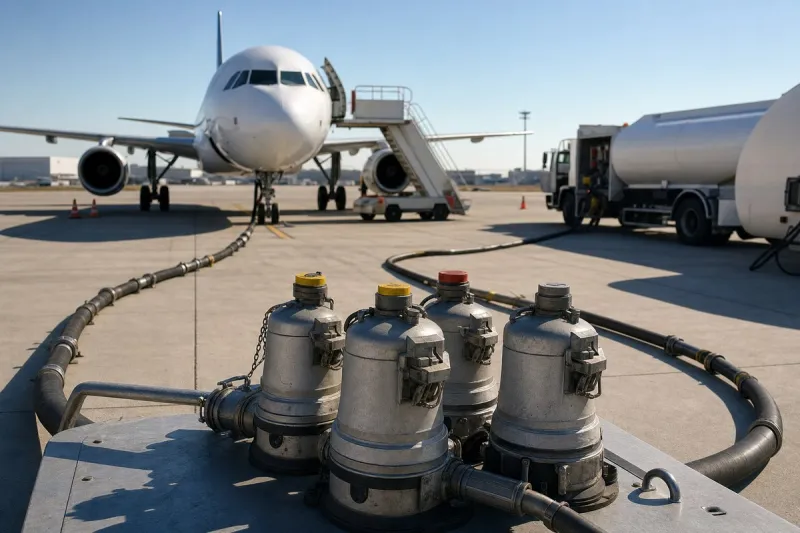
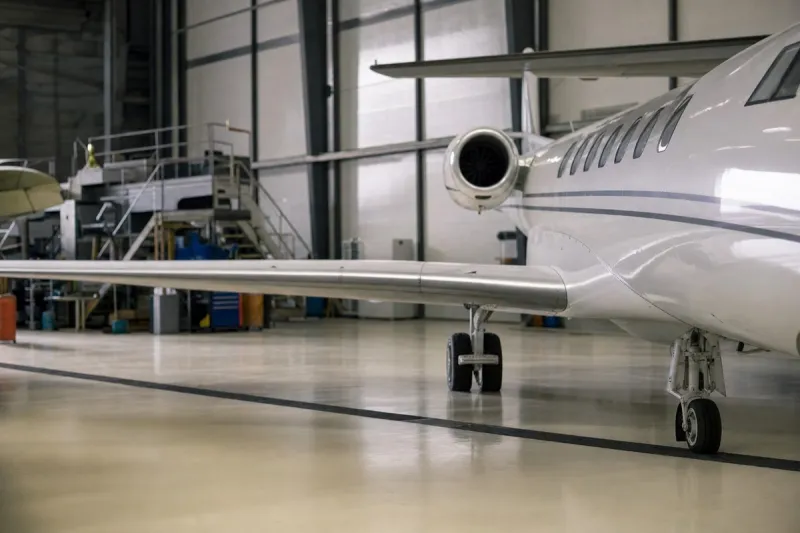
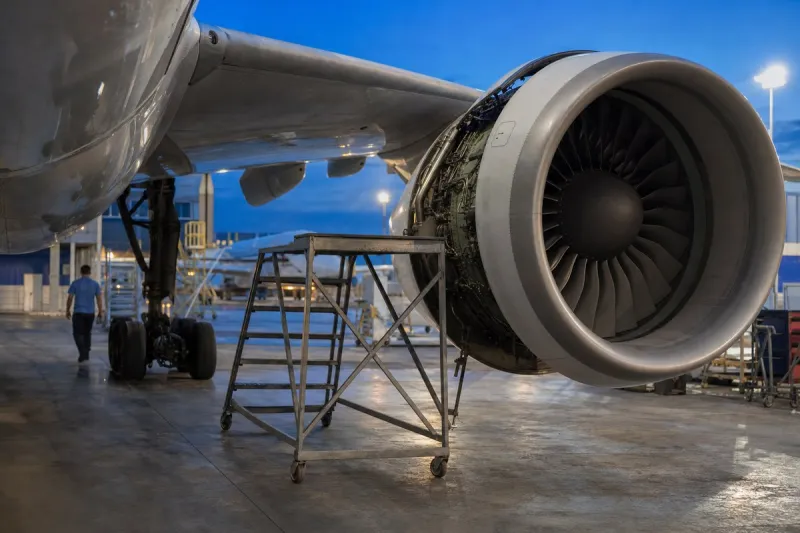
Sustainable aviation fuel has emerged as the most practical near-term option for cutting commercial aviation emissions, but scaling its production depends on execution rather than technology alone, according to an analysis published on August 25, 2026. Commercial aviation accounts for roughly 2%-3% of global CO2 emissions, and passenger air travel is projected to more than double by 2050; because aircraft typically remain in service for 30 to 40 years, electrification and hydrogen propulsion cannot replace liquid fuels within any near-term horizon, leaving SAF as the sector's principal decarbonization pathway.
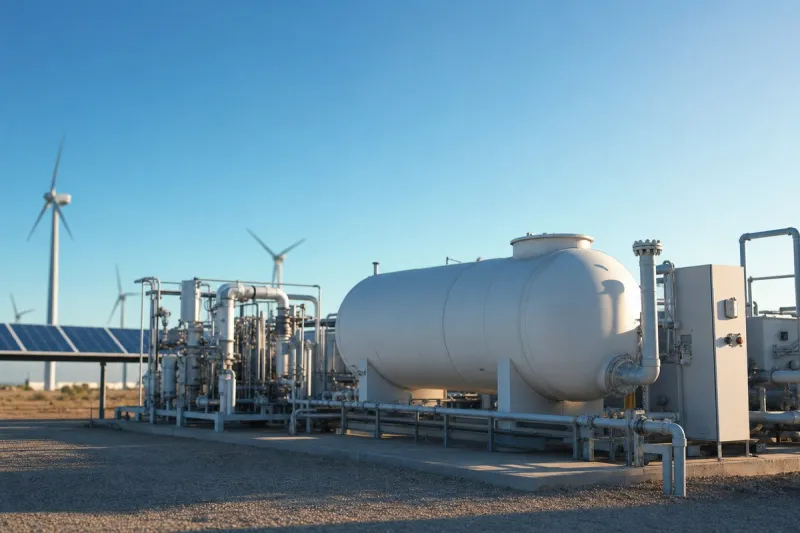
SAF is produced from renewable or waste-based feedstocks such as used cooking oil, waste fats, agricultural and forestry residues, municipal solid waste, alcohols, and renewable hydrogen combined with captured CO2, rather than from petroleum, and its lifecycle greenhouse gas emissions can be 80%-90% lower than fossil-based jet fuel depending on pathway and feedstock. Most commercial aircraft are currently approved for a 50/50 SAF blend, and Airbus has pledged its commercial aircraft will be certified for 100% SAF by 2030. Production pathways including HEFA, alcohol-to-jet, Fischer-Tropsch, and power-to-liquid have demonstrated technical feasibility, the EU's ReFuelEU aviation regulation requires a minimum 2% SAF share at EU airports from 2025 rising to 70% by 2050, and offtake commitments are growing, with Air France-KLM agreeing to purchase up to 1.5 million tons of SAF through 2035 and International Airlines Group contracting for 785,000 tons over 14 years to supply British Airways, Iberia, Aer Lingus and other carriers.
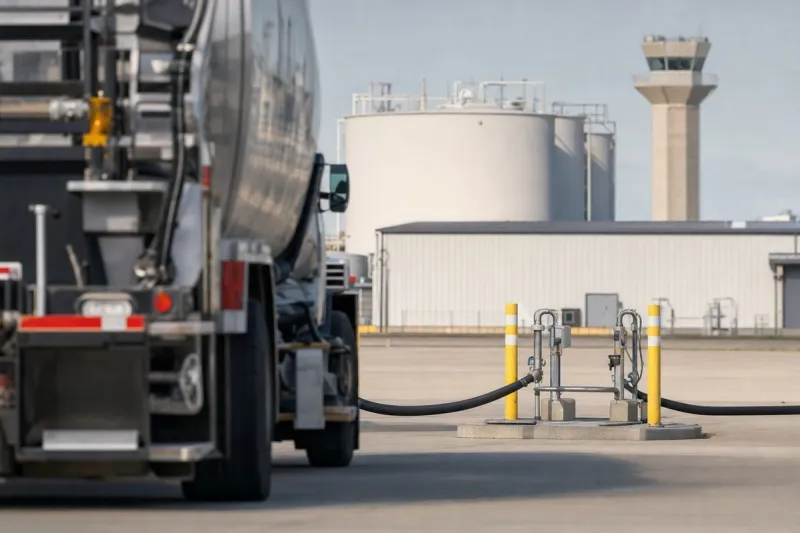
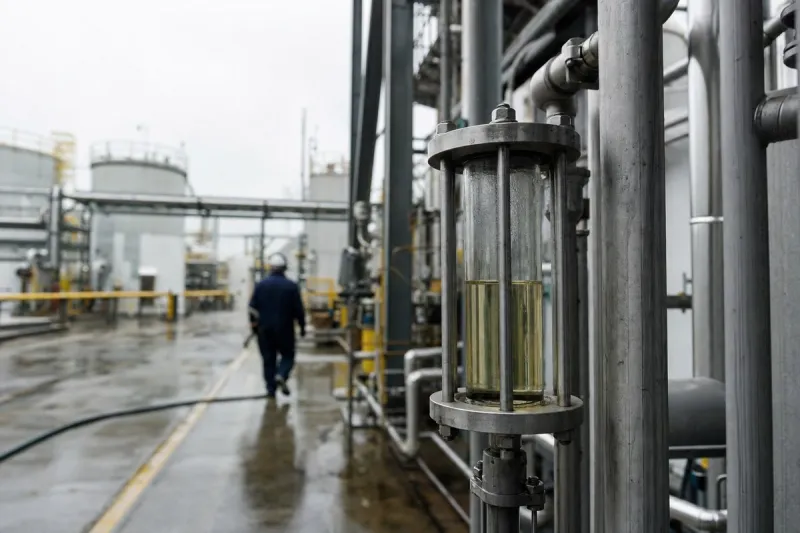
Analysts warn that feedstock availability, infrastructure readiness, financial support mechanisms, offtake agreements, and system integration remain critical barriers to reaching final investment decisions, with fluctuating feedstock volumes, quality variations, and contaminants such as metals, phosphorus, water, and solids shortening catalyst life, reducing yields, and raising maintenance costs.