Canadian Small Aviation Businesses Urged to Master Cost Per Flight Hour, Overhaul Reserves and Tax Rules
Why It MattersSmall Canadian operators face tight margins from volatile fuel and insurance costs and low utilization, so disciplined cost accounting and tax compliance directly determine whether charter, training and maintenance businesses stay viable.
An article in Skies Mag by Dellendo Farquharson of Edmonton-based accounting firm BOMCAS Canada sets out key financial and tax issues for small Canadian aviation businesses, including charter operators, flight training units, approved maintenance organizations and fixed-base operations. It is general information, and operators are advised to consult their own accountants.
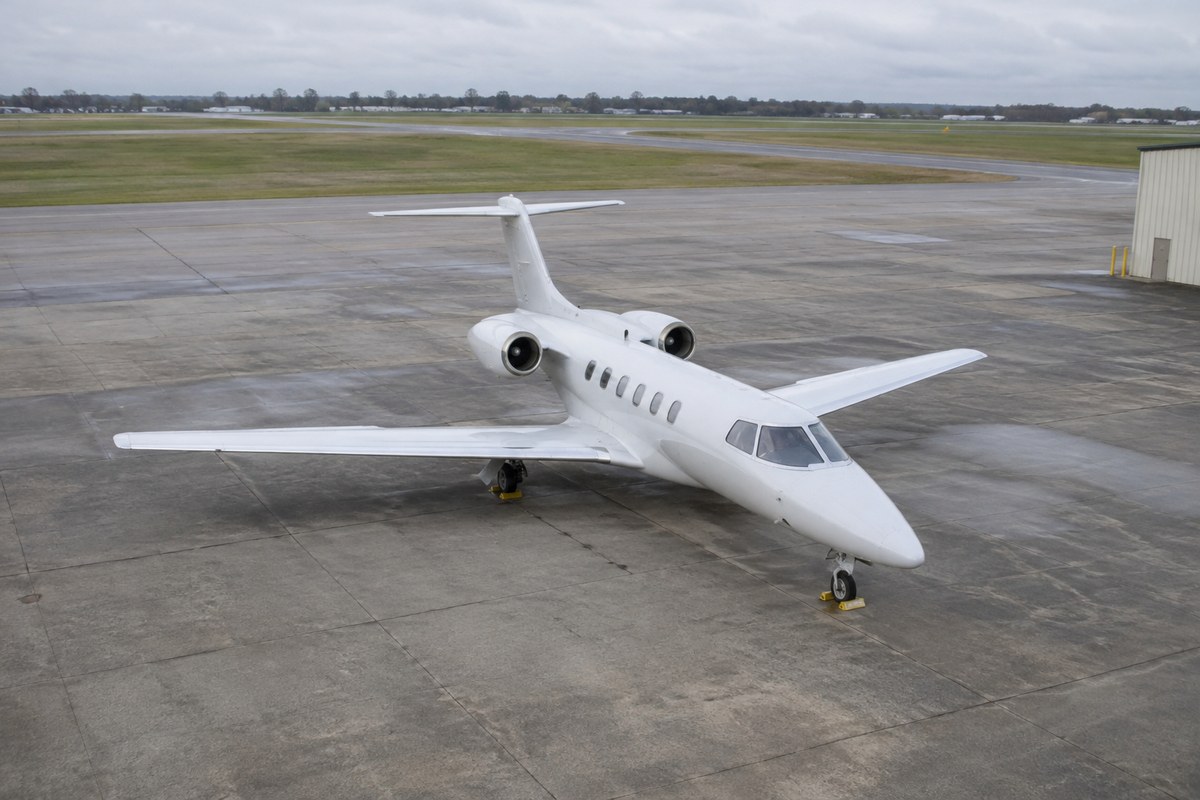
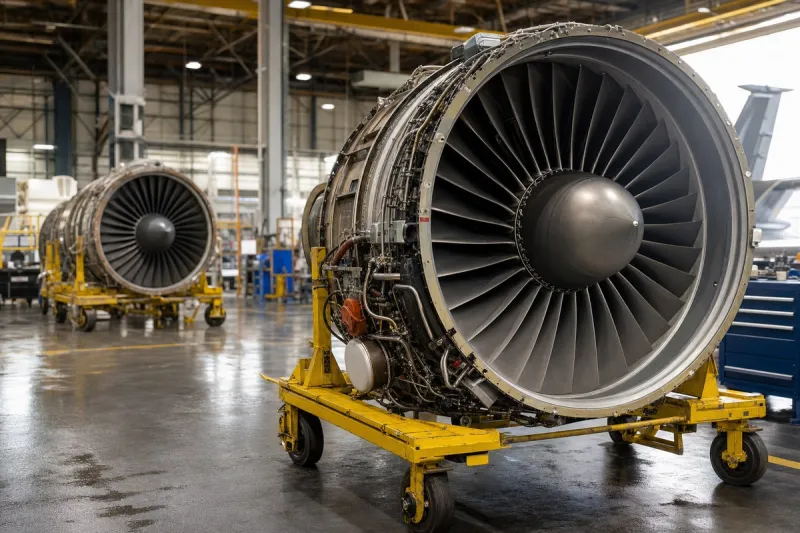
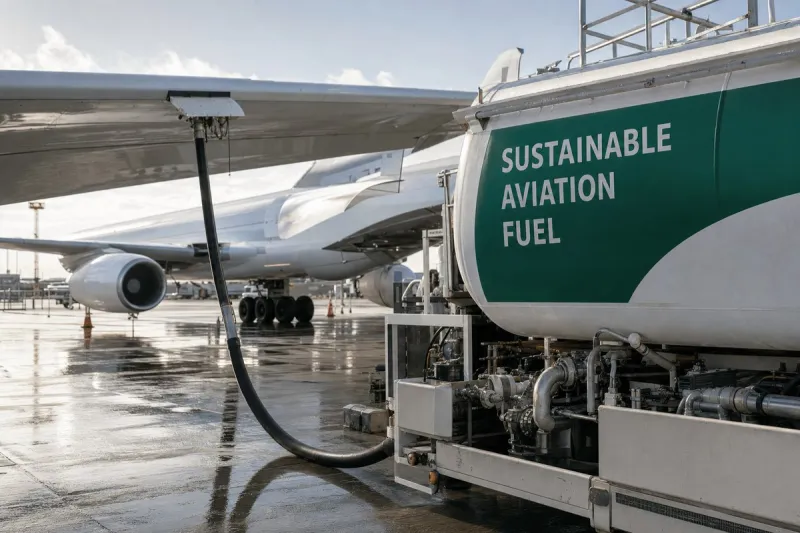
The article recommends calculating a complete cost per flight hour covering fuel and oil, pilot and crew costs, scheduled maintenance, reserves for engine and propeller overhauls, insurance, hangar and parking, financing or lease payments, navigation and landing fees, and a share of overhead. Fixed costs should be spread over a realistic number of annual hours, since lower utilization quickly raises the cost per hour. It also advises setting aside a maintenance reserve for every hour flown, ideally in a separate account, and tracking hours and calendar limits for each major component.
On tax, aircraft and related equipment are capital assets claimed through capital cost allowance (CCA) by asset class. Routine repairs that restore an aircraft to original condition are generally deductible, while upgrades such as new avionics suites may need to be capitalized. Proceeds from an aircraft sale reduce the balance of its CCA class and can trigger recapture of earlier deductions.
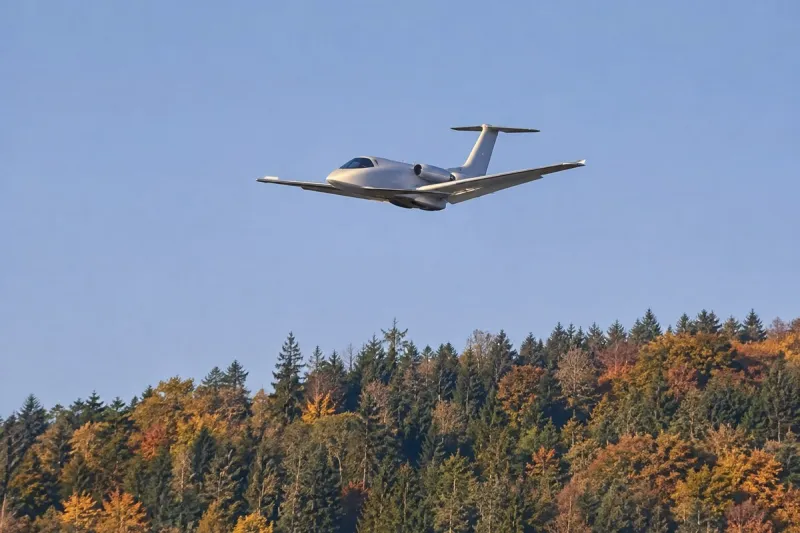
The Select Luxury Items Tax Act applied to subject aircraft priced over $100,000 from September 2022. The article cites Canada Revenue Agency (CRA) notice LTN5 as confirming luxury tax is no longer payable on subject aircraft effective November 5, 2025. Luxury tax payable for October 1 to November 4, 2025 had to be reported on the return for the quarter ending December 31, 2025. Aircraft registrations are automatically cancelled on February 1, 2028, exemption certificates must be kept for six years, and the CRA can still inspect the period when the tax applied.
The article also covers GST/HST treatment, which can vary by service type and flight destination, and payroll handling of pilots, engineers and instructors, including source deductions and contractor classification. It addresses managing volatile fuel and insurance costs with surcharge clauses and monthly tracking, building a 12-month cash flow forecast for seasonal businesses, and treating customer deposits and prepaid training as liabilities until services are delivered.