Engine Overhaul Costs Can Reach $65,000 — Why Aircraft Owners Should Build Per-Hour Reserves
Why It MattersEngine reserve funding increasingly functions as a financing variable rather than a maintenance afterthought, since appraisers and lenders price remaining engine time directly into aircraft value and loan terms.
What happened
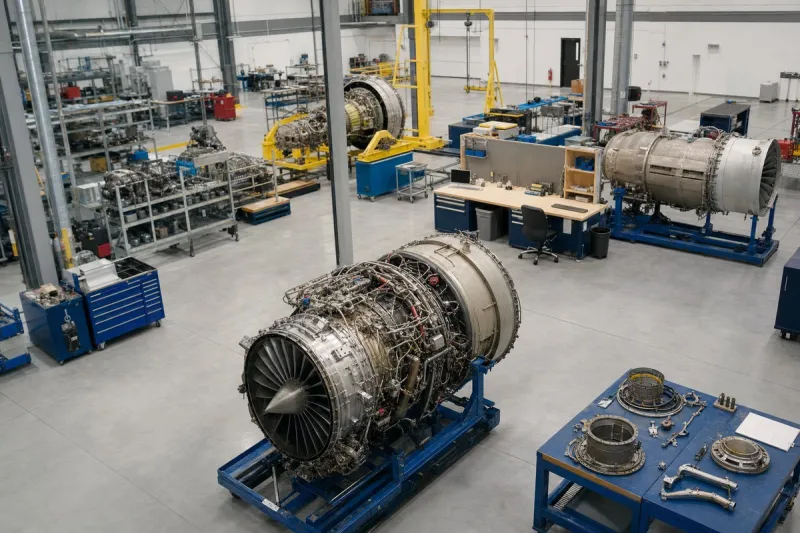
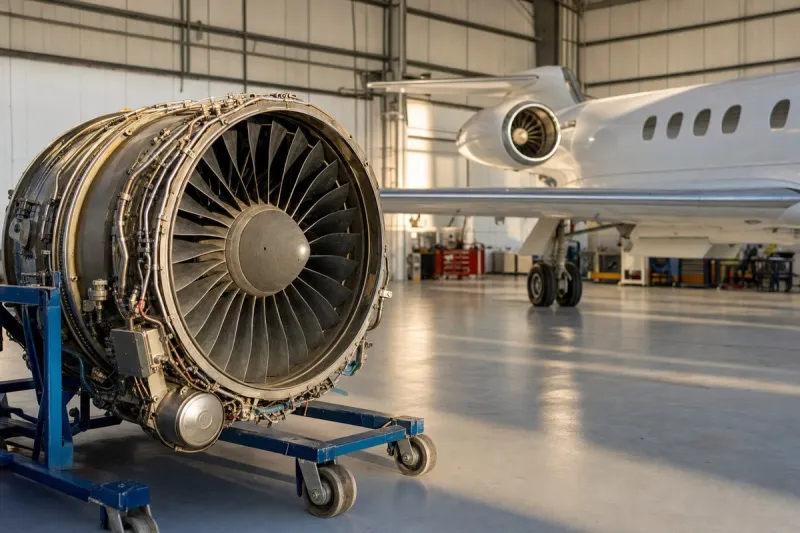
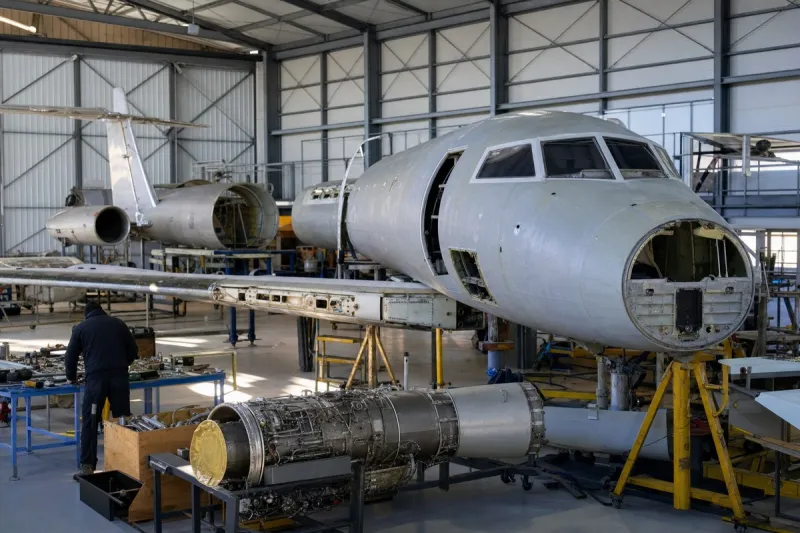
Aircraft engine overhauls can cost between $30,000 and $65,000, and owners who have not set aside funds may find their aircraft grounded until payment can be made. The Aircraft Owners and Pilots Association (AOPA) advises calculating a per-hour reserve rate by dividing overhaul cost by the engine's time between overhauls (TBO). For a Cessna 172 with a $17,000 overhaul over a 2,000-hour TBO, that works out to $8.50 per hour; with a factory-remanufactured engine priced at $27,000 and only 900 hours remaining, the rate rises to $30 per hour.
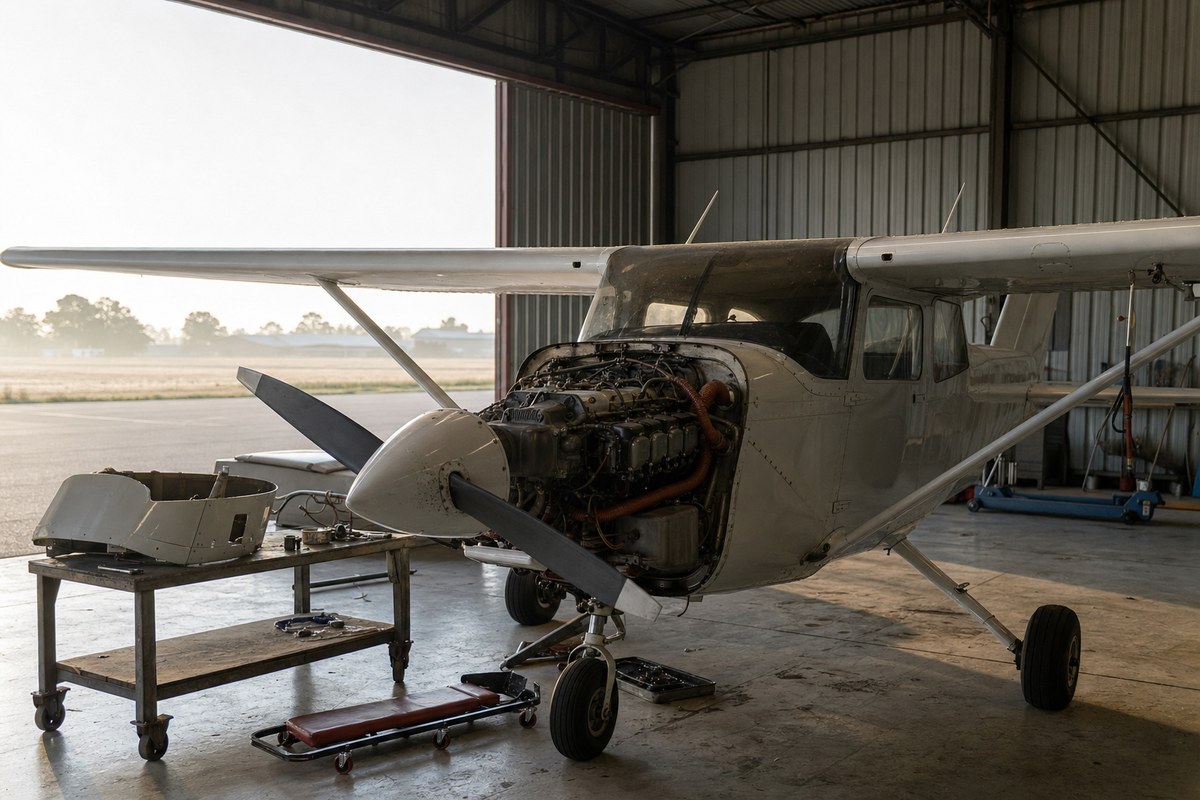
Jake Naviation's 2025 overhaul cost guide puts a Lycoming O-360 overhaul at $25,000 to $35,000, a Continental IO-520 at $38,000 to $55,000, and a turbocharged Lycoming TIO-540 at up to $65,000. Translated into hourly reserve rates, these figures come to roughly $15 to $18 for a Cessna 172, $20 to $30 for a Cirrus SR22, and $22 to $32 for a Beechcraft Bonanza. At 75 flight hours per year, that range equals between approximately $1,125 and $2,400 set aside annually. AOPA also recommends adding 25 cents per hour for a fixed-pitch propeller and $1 per hour for a constant-speed propeller.
Lycoming extended its TBO by 400 hours this year, to 2,600 hours, across seven engine families — O-320, IO-320, O-360, IO-360, IO-390, O-540, and IO-540 — applicable to fixed-wing aircraft. Lenders and appraisers still apply a roughly 12-year calendar limit regardless of hours flown, so an owner flying 50 hours per year reaches the limit at 2,600 hours or 12 years, whichever comes first. Most lenders require a minimum 15 percent down payment on post-1960 single-engine aircraft, and appraisers factor remaining engine time into the aircraft's value when lenders advance loan amounts against it. For turbine owners, lenders frequently require enrollment in an hourly-cost engine maintenance program such as JSSI's, which collects a fixed rate per flight hour into a fund covering scheduled overhauls, hot-section inspections, and unscheduled failures; new aircraft typically get full coverage from hour one, while in-service aircraft either pay a lump-sum buy-in or enter a pro-rata structure.
Industry impact & what to watch
This points to a broader shift in how piston aircraft ownership is priced: engine condition is no longer just a maintenance line item but a direct input into appraised value and borrowing power, since a run-out engine reduces loan capacity even when the airframe and avionics are sound. The same logic that drives turbine operators into mandatory hourly-cost maintenance programs is pushing piston owners toward self-funded reserves calculated the same way — cost divided by remaining time, deposited per flight hour.
The mechanics differ by market segment but the principle holds across them: turbine programs like JSSI pool risk through a fixed per-hour fee into a dedicated fund with lender-mandated enrollment, while piston owners are left to replicate that discipline voluntarily, account by account. Lycoming's 400-hour TBO extension changes the numerator in that calculation for seven engine families, but the 12-year calendar ceiling that lenders and appraisers still apply means extended TBO does not automatically extend the financing clock for lower-utilization owners.
What will matter next is whether other engine manufacturers follow Lycoming's TBO extension and how lenders adjust their calendar limits in response, since any change to either variable shifts the per-hour reserve math advisers are recommending owners build today.