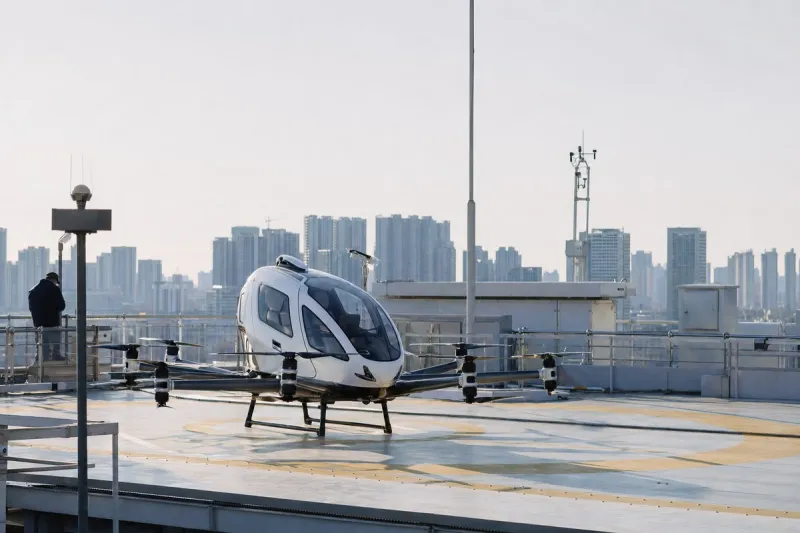
Electric passenger aircraft could enter commercial service between 2030 and 2035, industry figures say
Why It MattersEarly electric aircraft would target small regional airports and short routes overlooked by mainline carriers, reshaping niche short-haul and private aviation demand rather than displacing conventional jets.
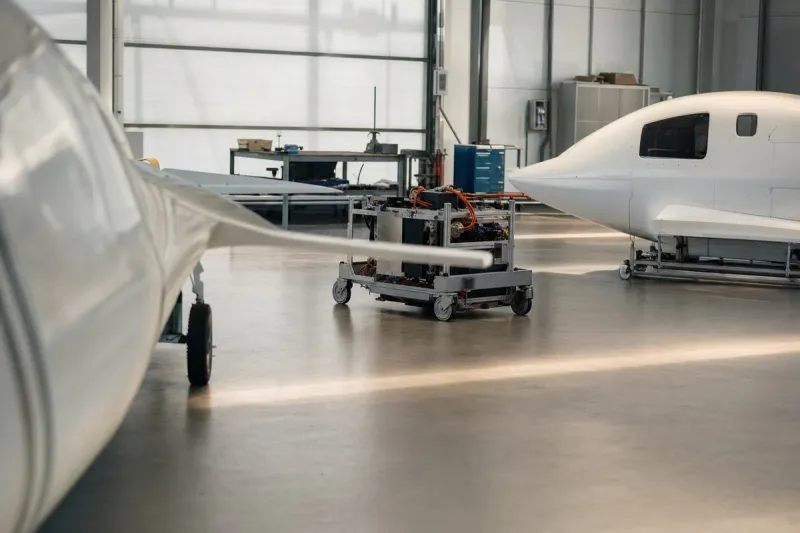
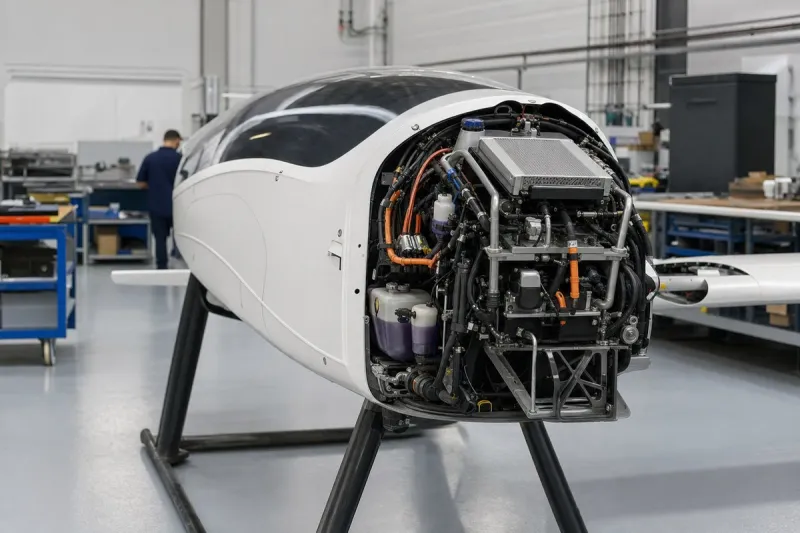
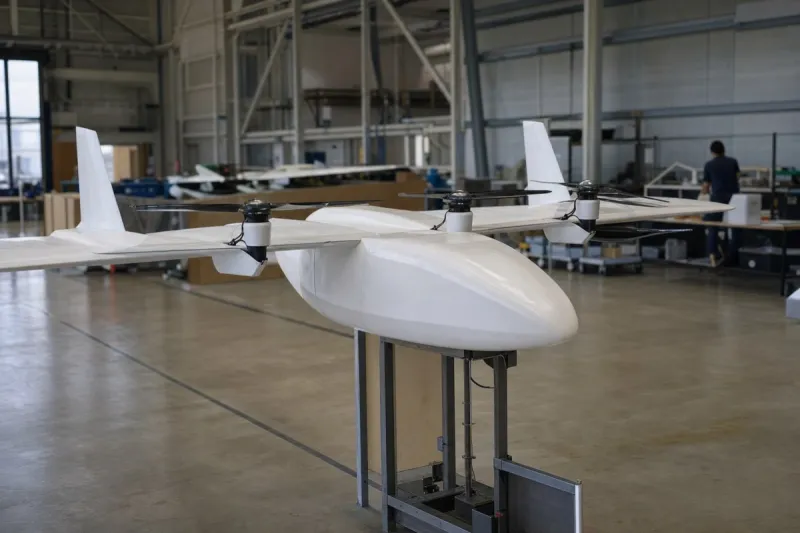
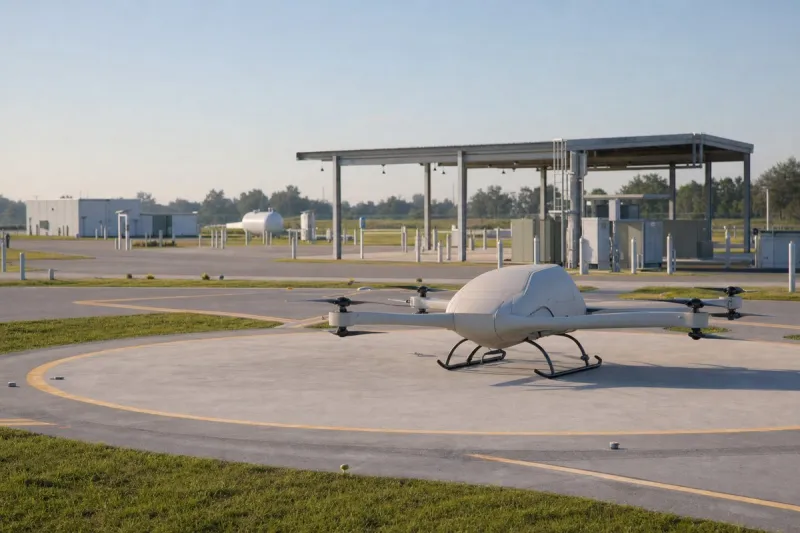
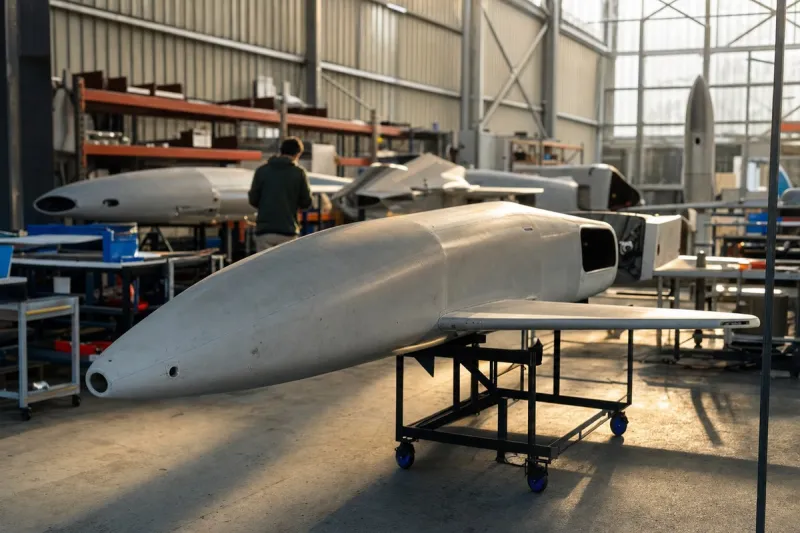
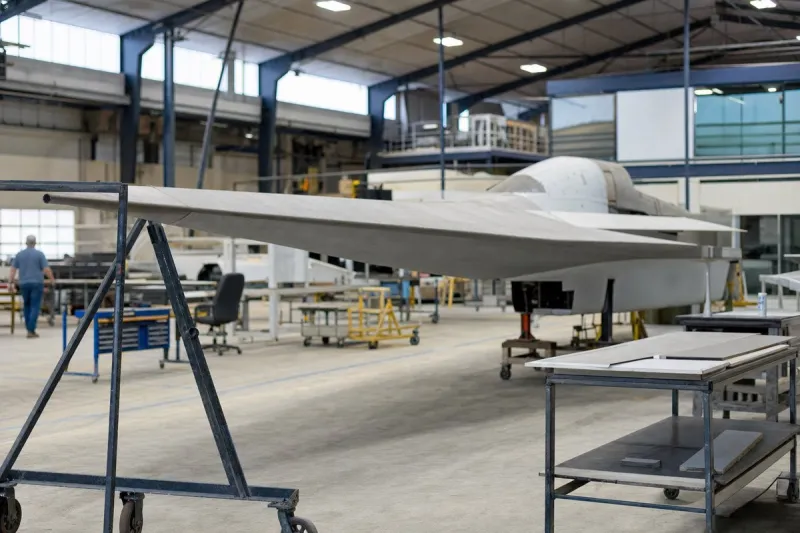
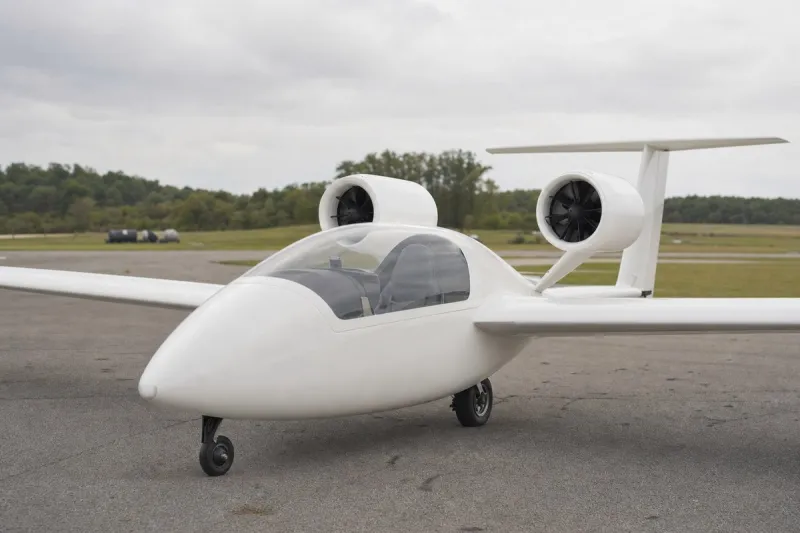
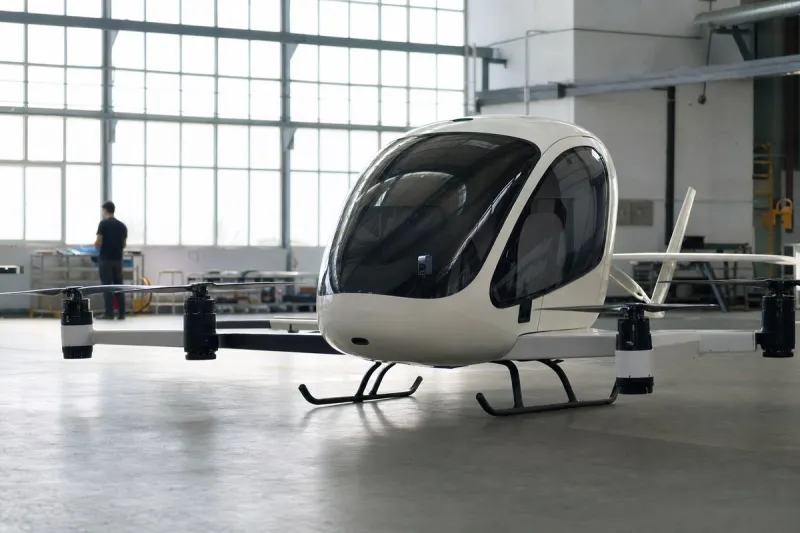
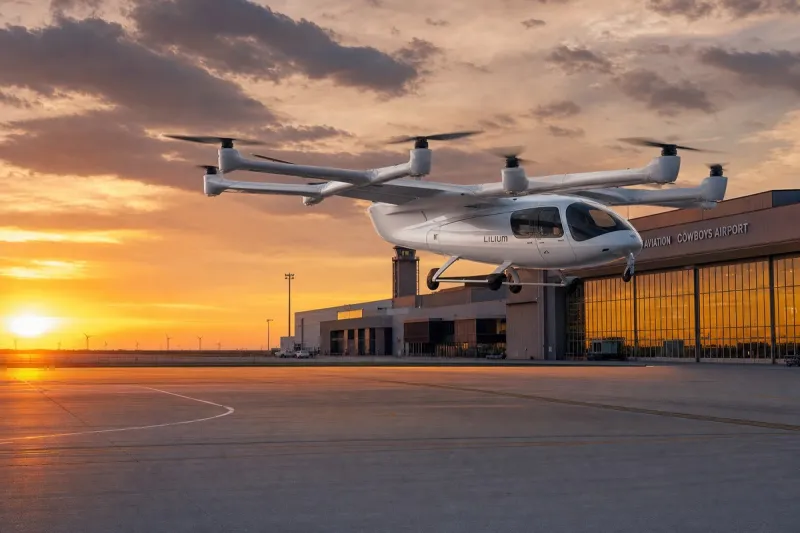
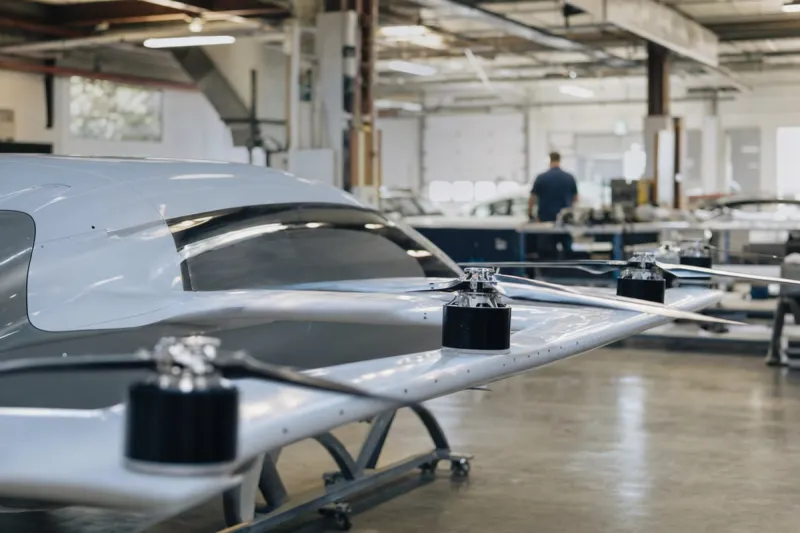
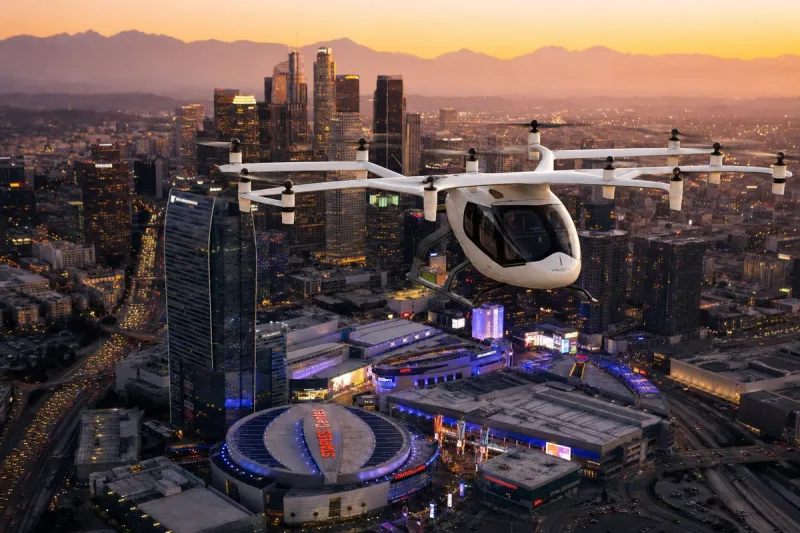
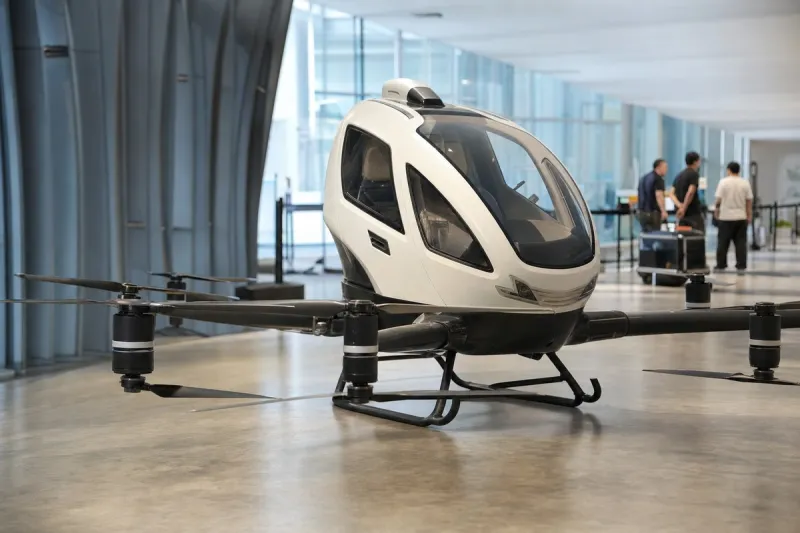
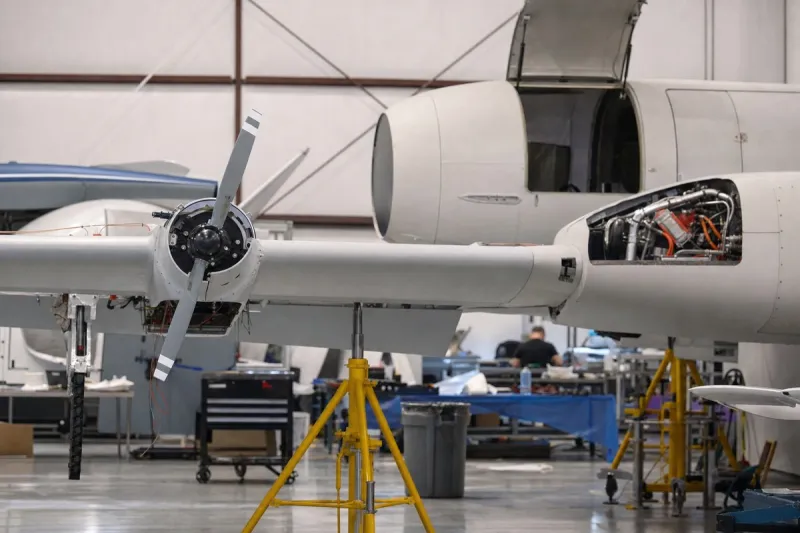
Aviation policy manager Tom Taylor of environmental campaign group Transport & Environment said electric passenger planes could be carrying travellers on short-haul European routes between 2030 and 2035, provided legislation keeps pace with technology. European startup Vaeridion is developing a nine-seat electric aircraft that can carry nine passengers, their luggage and two pilots for 400 kilometres on current battery technology, or up to 550 kilometres with a reduced load of four passengers and one pilot — enough to connect Heathrow with Düsseldorf. Vaeridion chief business officer Otto Verhoeff said potential high-demand routes could include Dublin to Liverpool, Jersey to Cardiff, London to Dublin and London to Amsterdam.
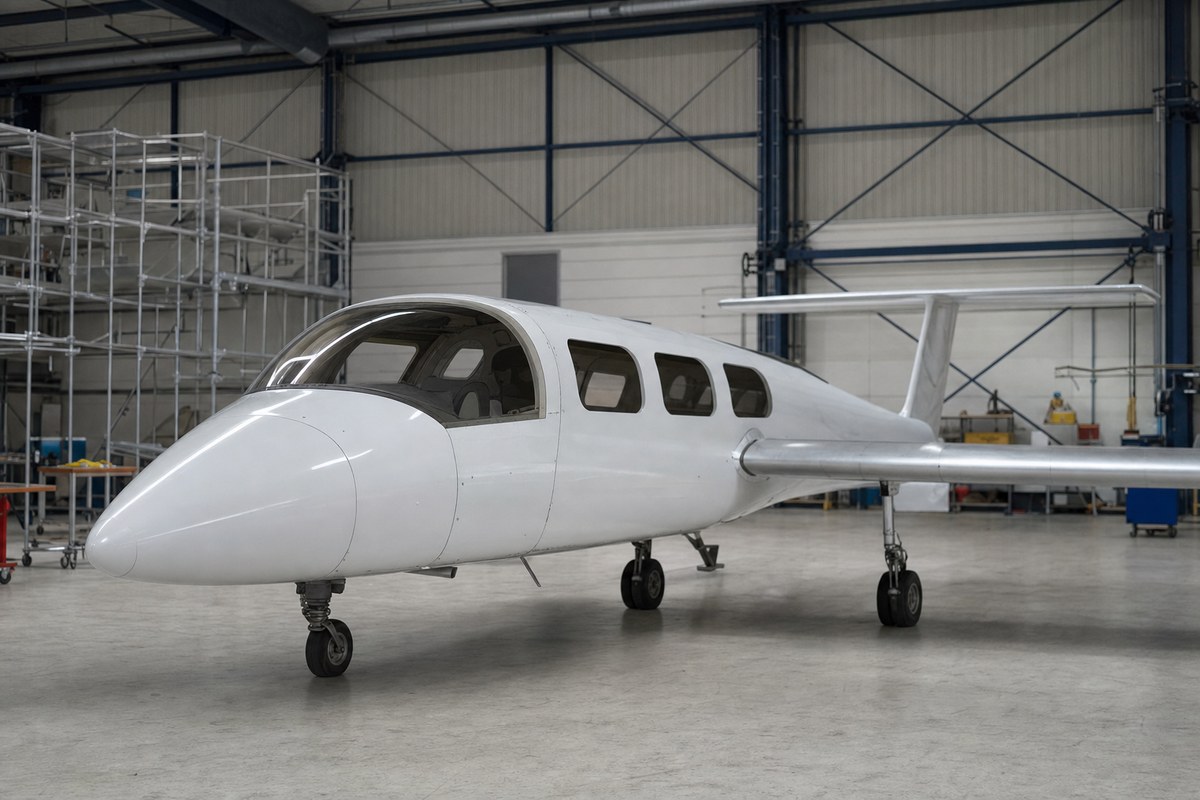
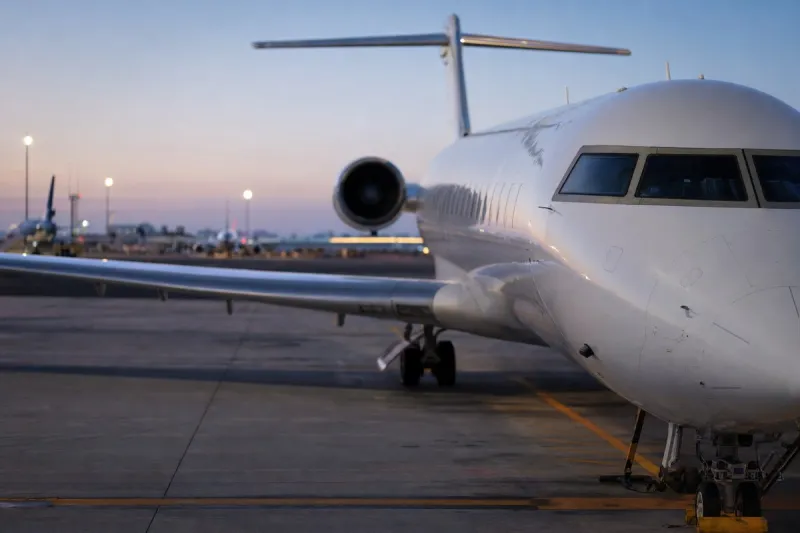
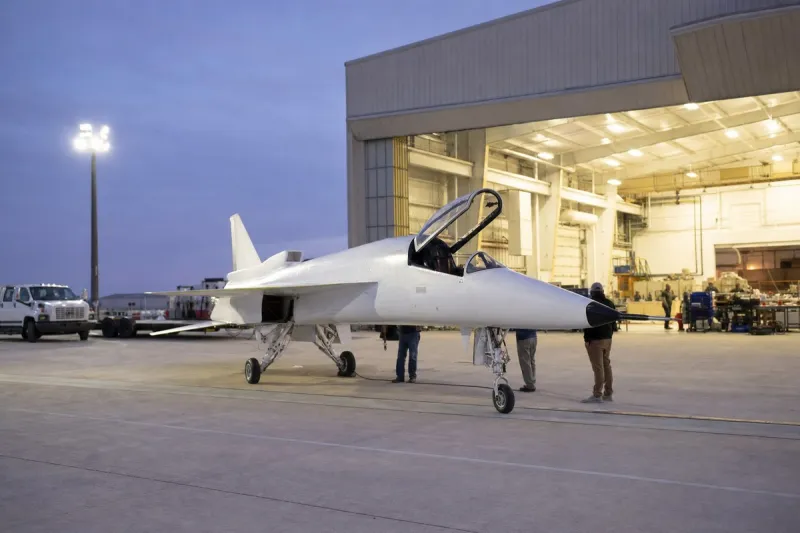
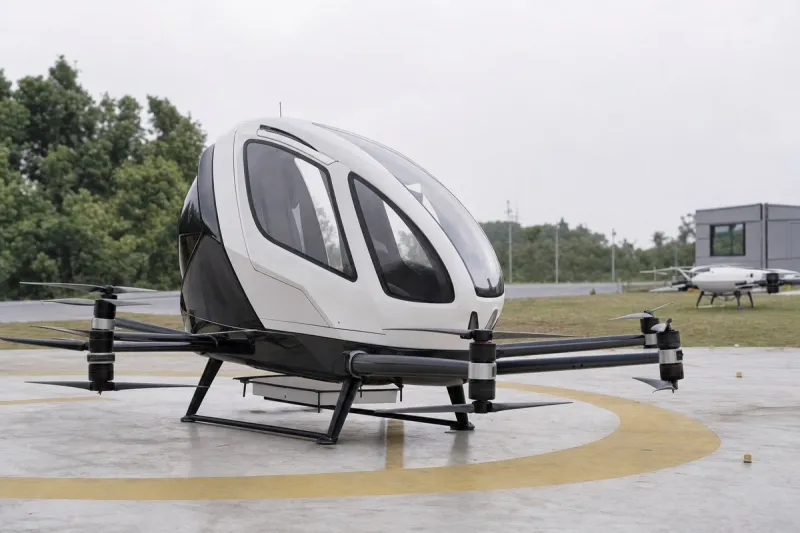
The first generation of electric aircraft will be significantly smaller than conventional Boeing or Airbus jets, flying shorter distances and carrying only a handful of passengers. Vaeridion said it has already secured 132 aircraft orders through letters of intent from eight companies across European countries, including the UK and Ireland, with about 80 per cent for passenger use and the remainder for cargo. Verhoeff added that around 3,500 regional airports across Europe could accommodate the aircraft, many of which are currently not served by traditional carriers, and that the electric plane would produce at least 50 per cent less noise than conventional aircraft.
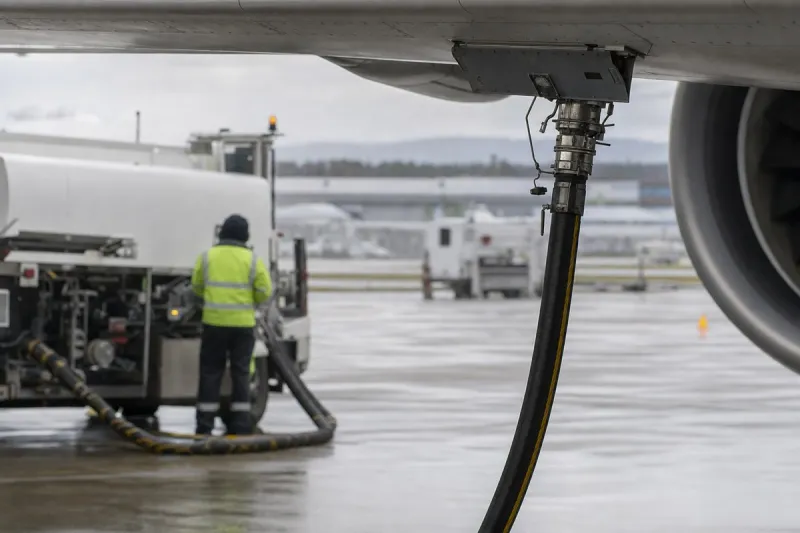
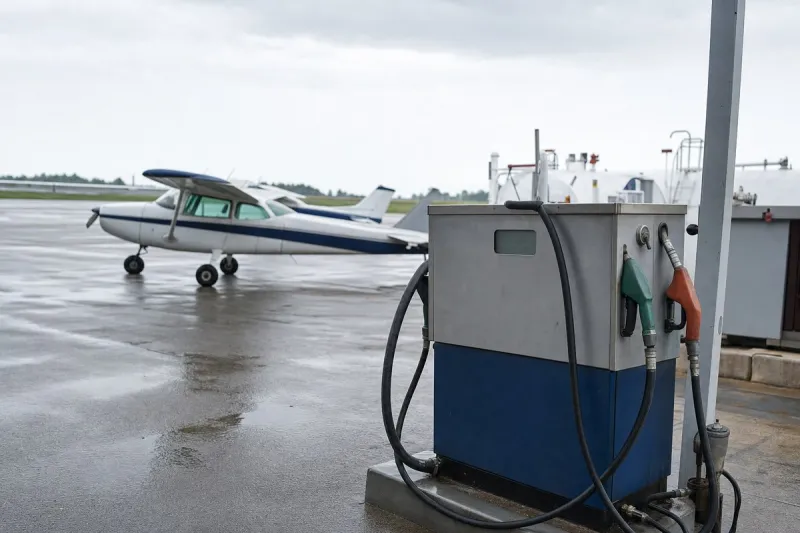
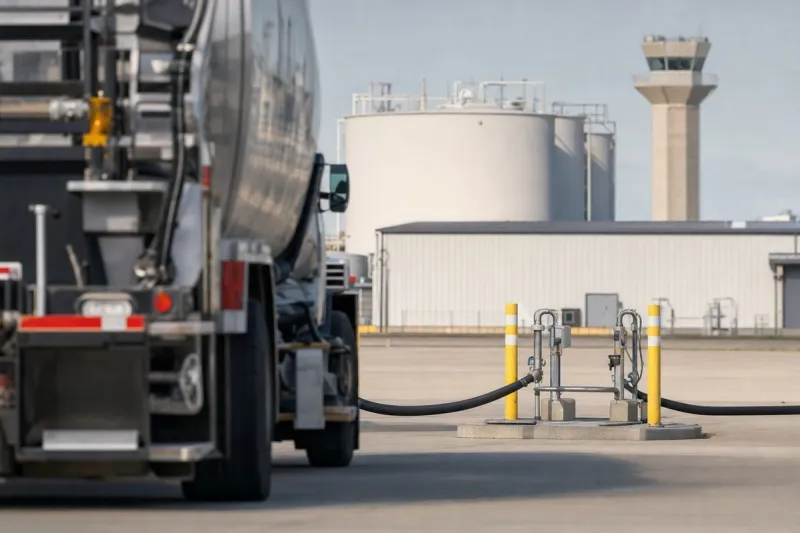
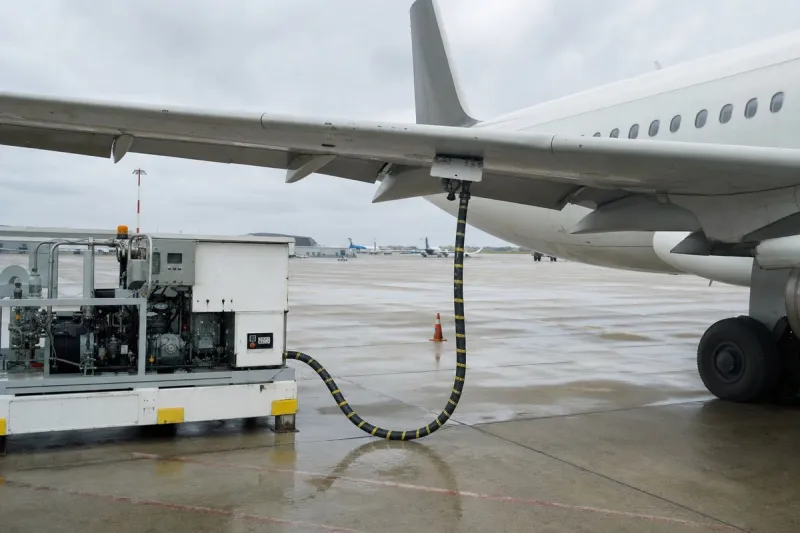
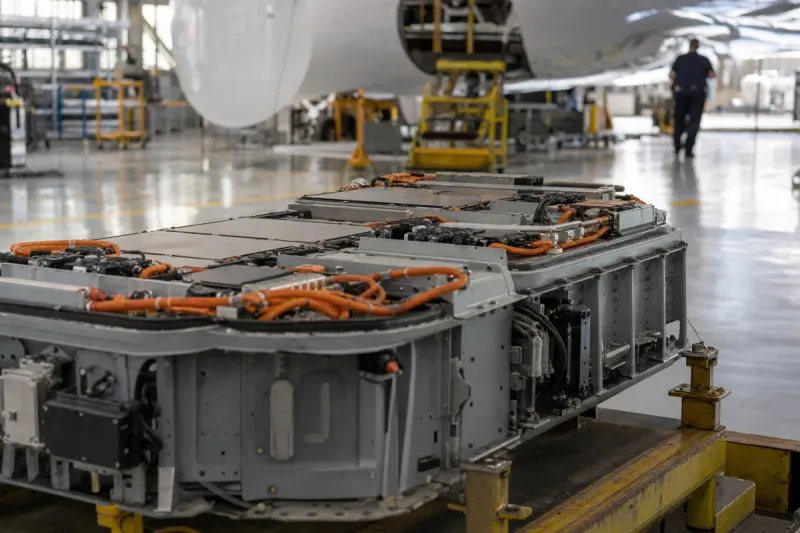
Taylor warned that significant infrastructure and regulatory hurdles remain, including the need for dedicated airport charging facilities and current airport charging structures tied to aircraft weight that penalise heavier battery-powered planes relative to kerosene-burning equivalents. He said government intervention, including mandating alternative-fuel flights on public service obligation routes such as those serving Scottish islands, could help create the market for electric aviation.