Mexico's ASA Operates 52-Station Aviation Fuel Network with 447 Vehicles Nationwide
Why It MattersStandardized, ISO-certified fuel logistics across Mexico's airport network underpins reliability for both commercial and private aviation fuel supply chains nationwide.
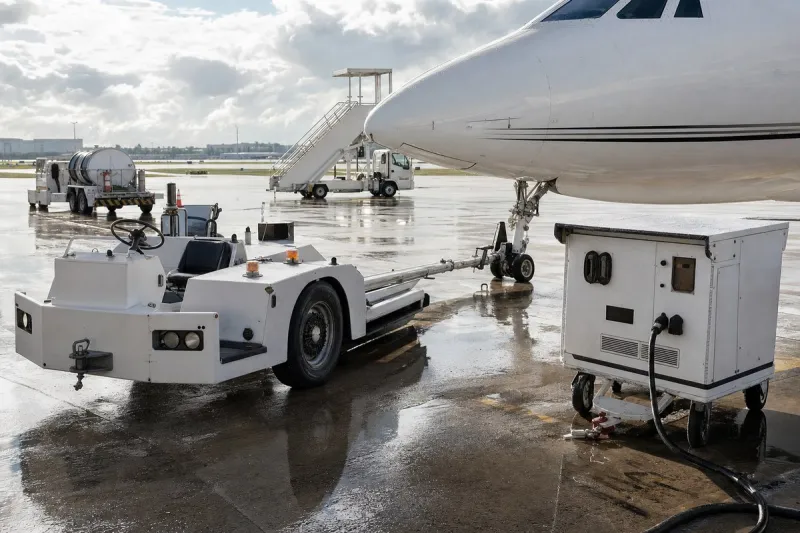
Aeropuertos y Servicios Auxiliares (ASA), a decentralized agency under Mexico's Secretariat of Infrastructure, Communications and Transportation, has detailed the structure of its national aviation fuel supply network serving commercial and private airlines across the country. The state-run agency operates 52 fuel stations and one supply point at strategic airports, with a ground fleet of 447 specialized vehicles, including 266 tanker trucks, hydrants, fuel dispensers, and auxiliary support units.
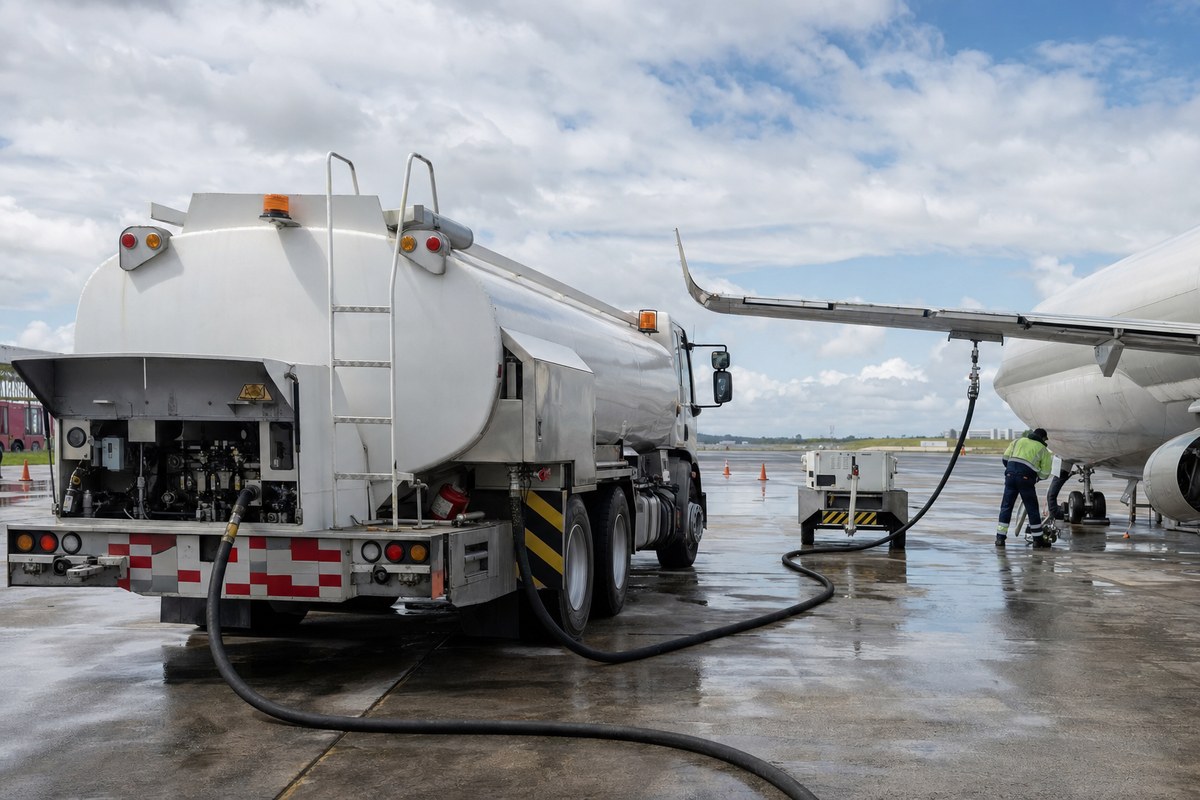
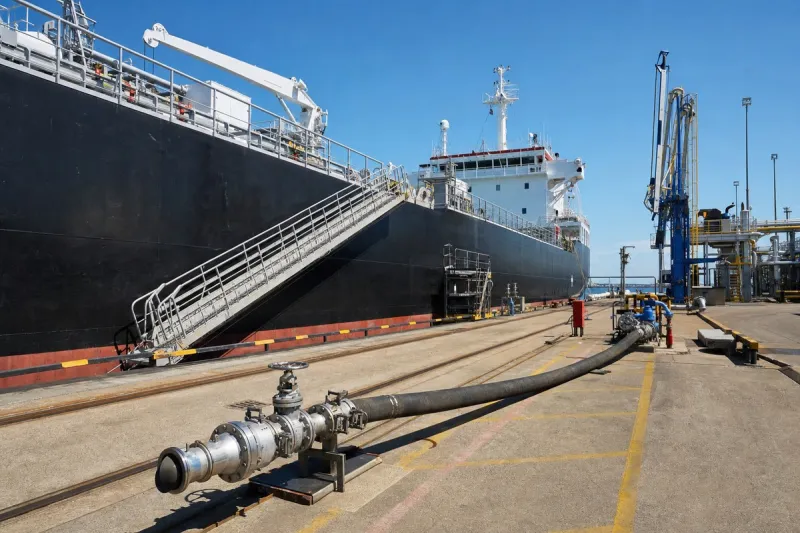
ASA supplies jet fuel (turbosina) and aviation gasoline (gasavión) under a Fuel Management System certified to ISO 9001 and ISO 14001 standards. The supply chain runs through five stages — reception, transportation, storage, quality control, and final delivery — beginning with product intake from refineries or terminals operated by Petróleos Mexicanos (PEMEX). Inter-facility transport uses heavy tank trucks with capacities of 42,000 to 62,000 liters, while the Mexico Fuel Station receives jet fuel via a dedicated pipeline connection.
Upon arrival, fuel is transferred into specialized storage tanks fitted with operational controls, safety devices, and environmental protection systems, with ASA technicians conducting continuous inspections and quality tests at every stage. After verification, fuel is loaded into apron delivery vehicles with capacities of 2,000 to 40,000 liters for final tarmac fueling. ASA stated that maintaining traceable and certified fuel delivery across all five stages is critical to sustaining uninterrupted air connectivity and continuous airport operations across Mexico.