NASA's AAM National Campaign Conducts Series of Flight Tests to Integrate Advanced Air Mobility into US Airspace
Why It MattersThe tests build a shared technical and procedural foundation that could shape how regulators eventually certify eVTOL operations and integrate them into controlled airspace nationwide.
NASA worked with the Federal Aviation Administration and industry partners to run a series of National Campaign flight tests aimed at integrating Advanced Air Mobility operations into the National Airspace System. The testing was designed to identify AAM barriers, validate the state of the art, and inform vehicle, airspace, and ground infrastructure design, including an airspace architecture based on NASA's Unmanned Aircraft Systems Traffic Management construct, flight procedure guidelines, communication, navigation and surveillance options, and initial assessments of passenger and community views on noise and ride quality.
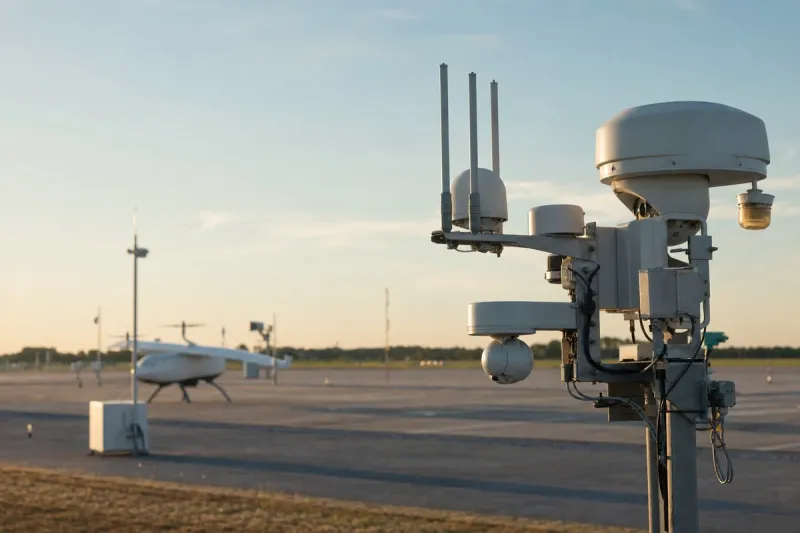
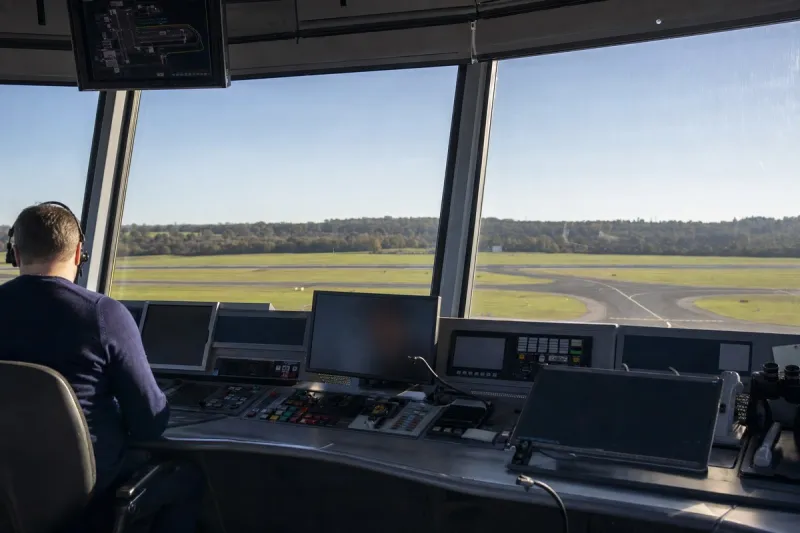
NASA's Airspace Operations Laboratory led integration and testing of the AAM ecosystem, serving as the base for systems integration and drawing on its UTM-like architecture, NASA's Aviation Systems Division, and test range ground infrastructure. Results included automation technology for operator negotiations, air traffic service coordination tools, display development, and human factors evaluation.
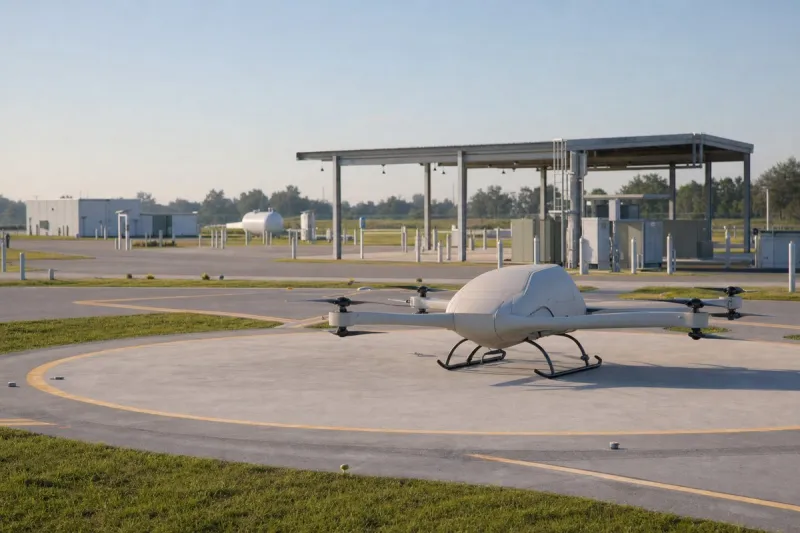
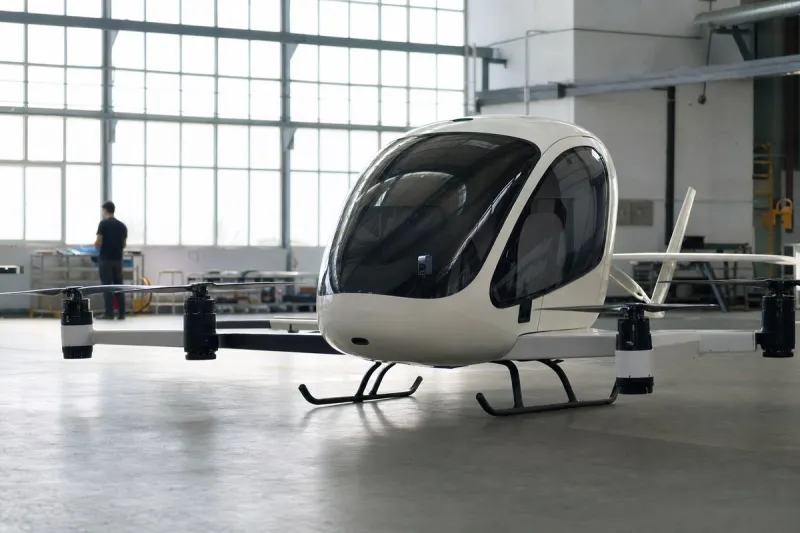
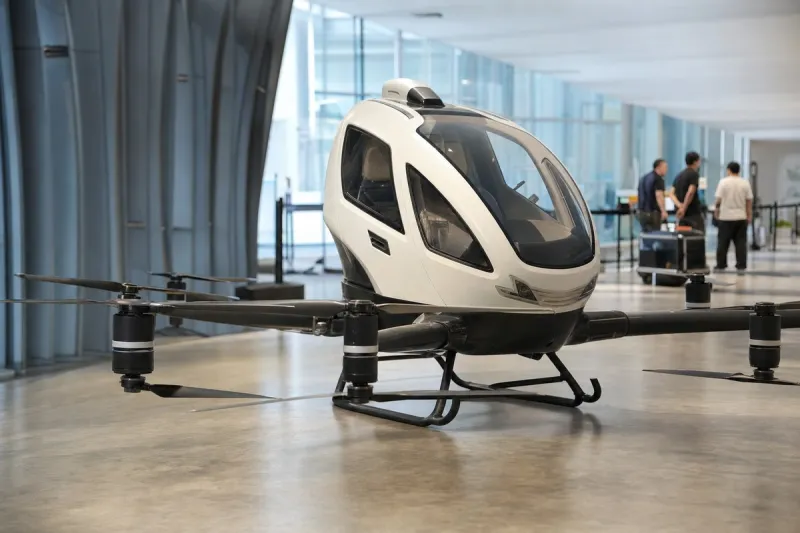
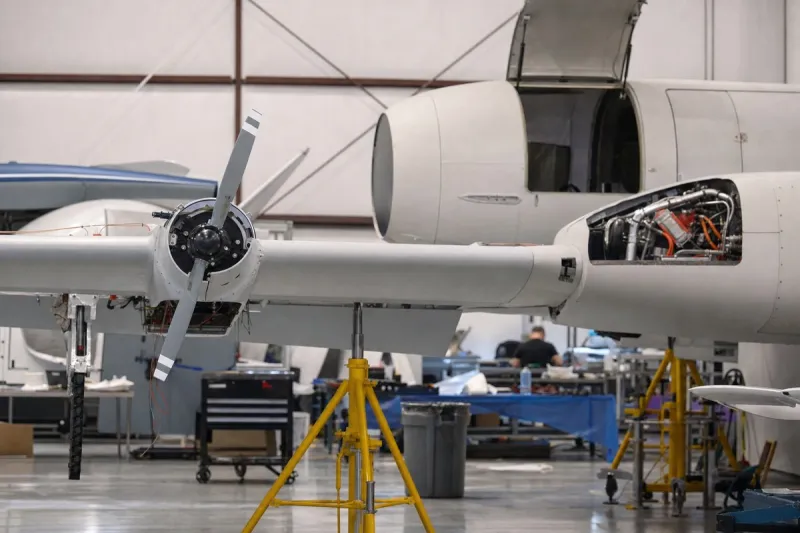
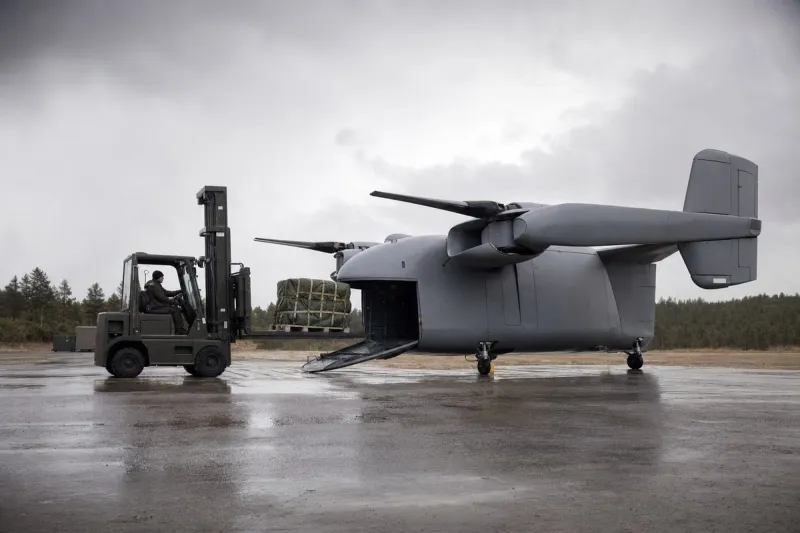
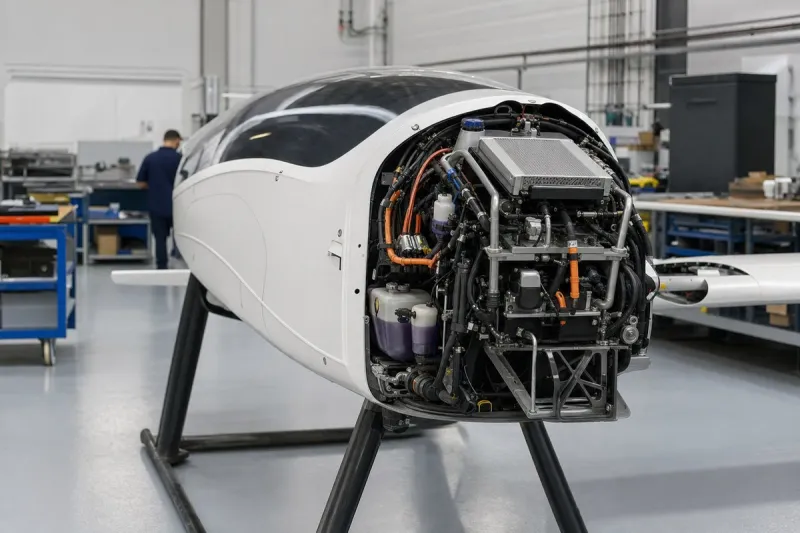
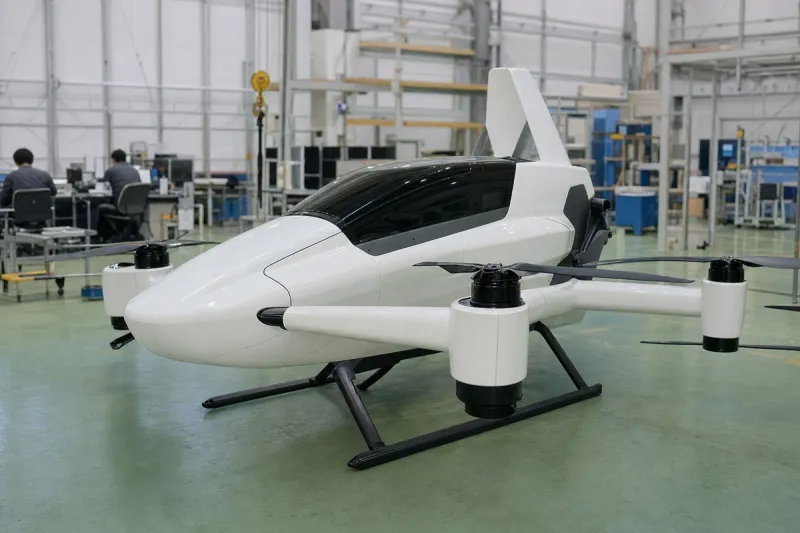
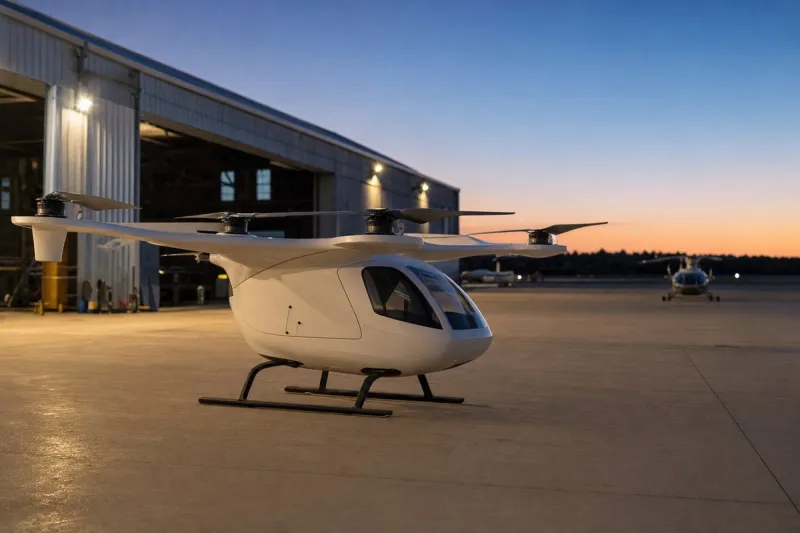
Over two years, the Airspace Operations Laboratory took part in seven National Campaign flight tests with government and industry partners, including a first-ever flight test of an all-electric vertical takeoff and landing aircraft conducted with Joby Aviation, and trials of a new Mobile Operations Facility. The research is intended to inform FAA policy decisions on safety, certification, operations, and airspace integration for AAM across urban, suburban, rural, and regional environments.