Zhukovsky National Research Center Patents Four-Engine Wingtip Propeller Aircraft with Automatic Yaw Control
Why It MattersThe patent shows how electric and hybrid propulsion architectures let designers trade traditional layouts for aerodynamic gains, provided automated failure logic can neutralize new stability risks.
What happened
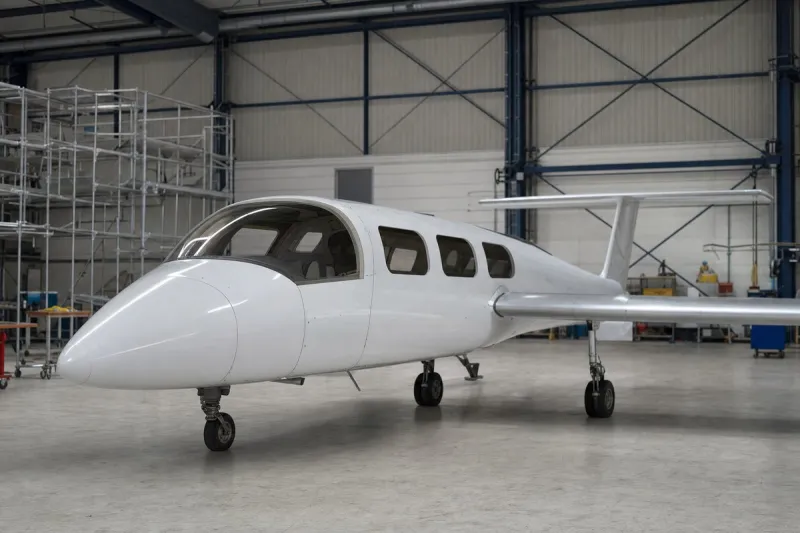
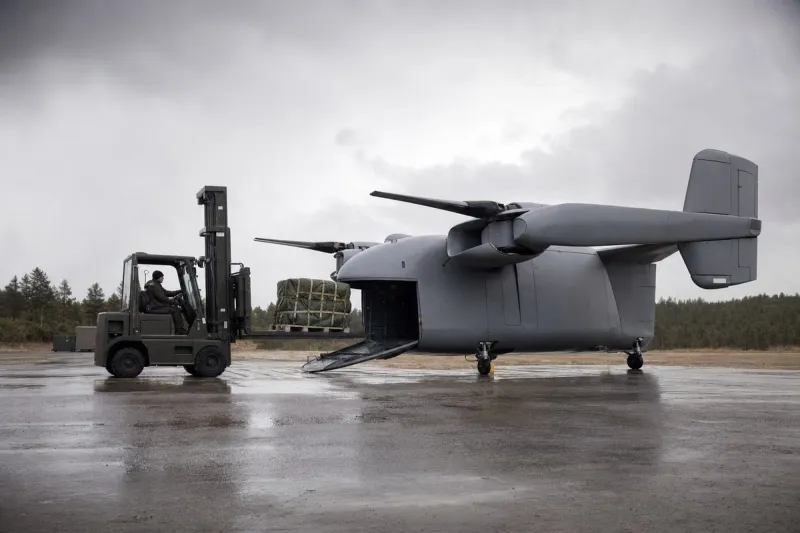
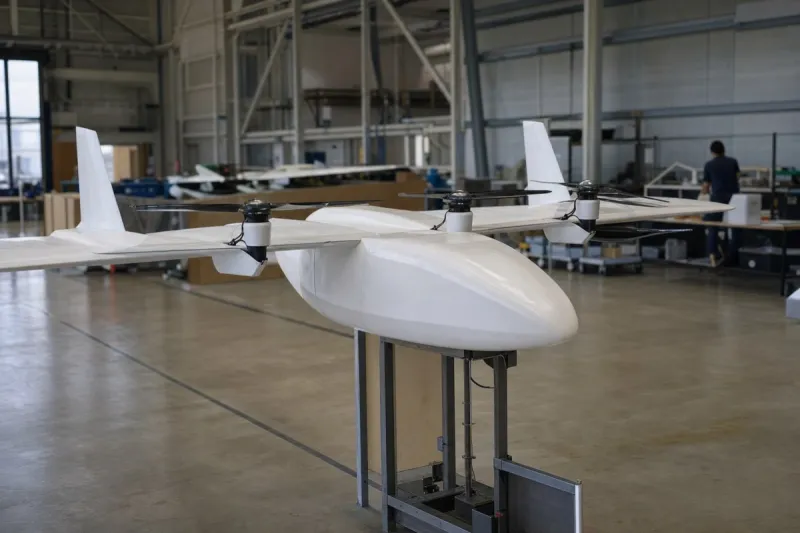
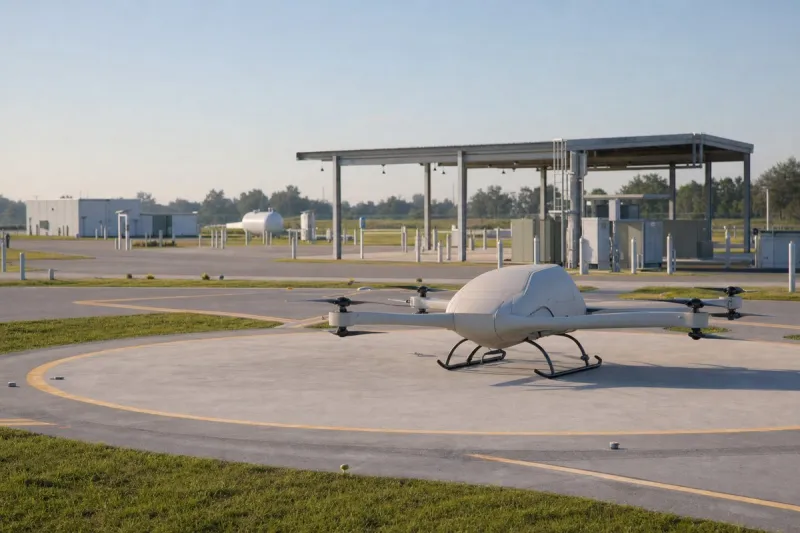
Russia's Zhukovsky National Research Center has developed and patented an aircraft configuration featuring an electric or hybrid propulsion system with four engines driving two double-row tractor propellers mounted at the wingtips. Each wingtip propeller is powered by two independent engines.
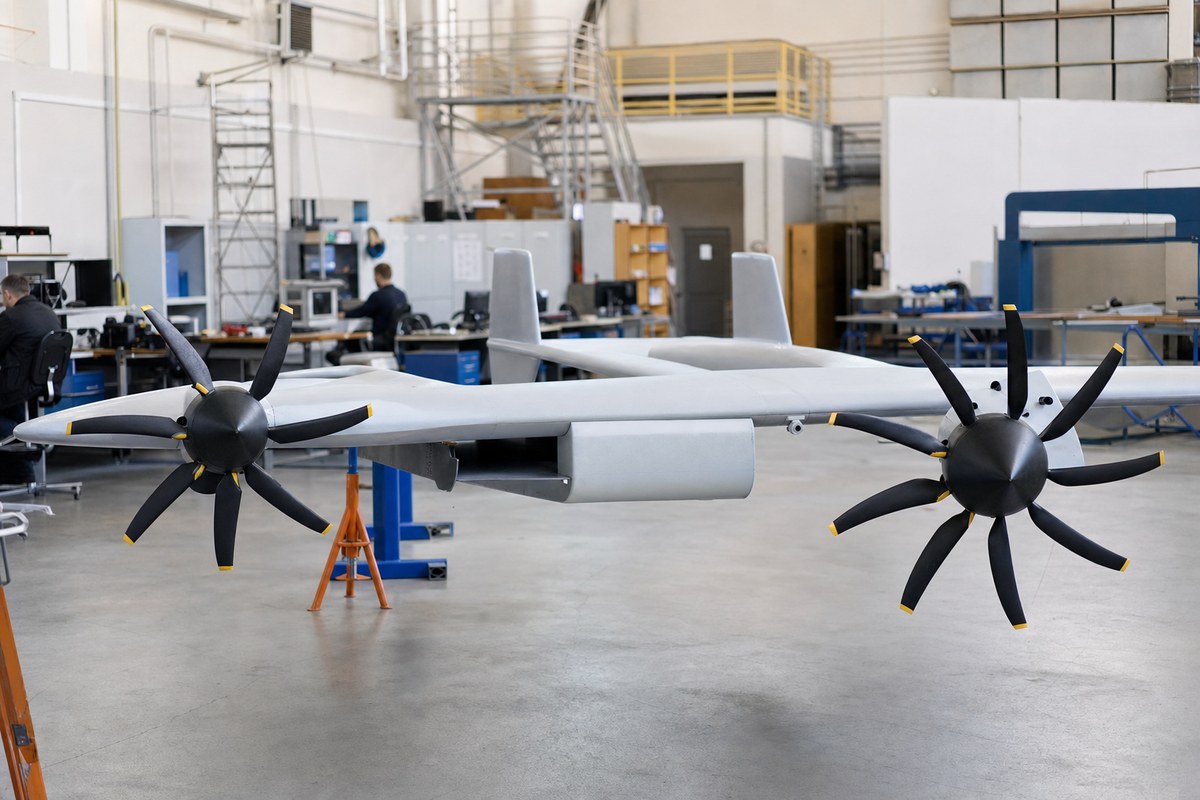
In the event of an engine failure, an automation system simultaneously shuts down the symmetrically positioned engine on the opposite wing, keeping thrust balanced across both sides and reducing the yawing moment that the designers identify as the principal hazard of wingtip-mounted engines, which sit far from the aircraft's longitudinal axis. The designers also describe an aerodynamic benefit: the wingtip propellers rotate in the direction opposite to the wingtip vortices, which is expected to reduce induced drag. The center estimates a potential improvement in aerodynamic efficiency of 10-20% compared to a conventional layout without wingtip propellers.
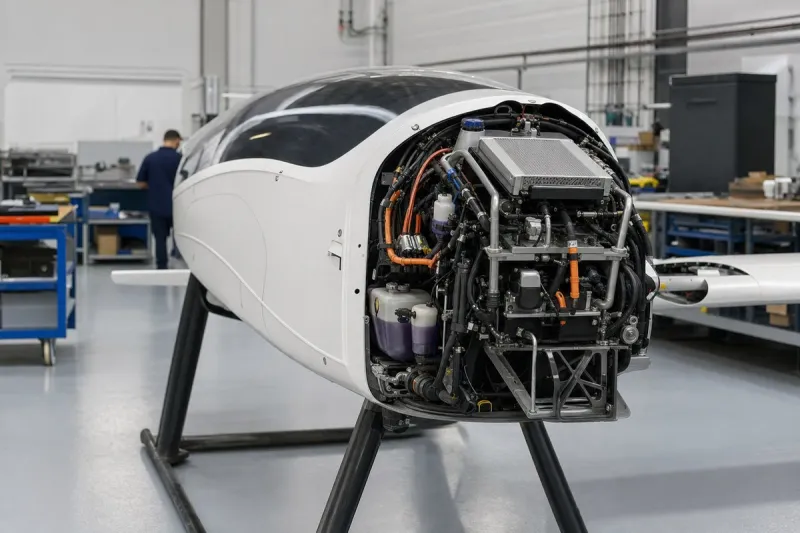
The patent describes two propulsion variants. The fully electric version uses four electric motors, while the hybrid version combines two internal combustion engines with two electric motors. In the hybrid version, a failure of one combustion engine triggers automatic shutdown of the symmetrically placed electric motor, preserving the same yaw-control logic.
Industry impact & what to watch
This patent belongs to a broader wave of unconventional propulsion-airframe integration work enabled by electric and hybrid-electric motors, which are lighter and more controllable than combustion engines and easier to arrange in distributed layouts. Wingtip-mounted propulsion has long been studied for its drag-reduction potential through vortex interaction, but the yaw risk from losing an engine at the wingtip has been a persistent obstacle to putting it into practice.
The automatic symmetric-shutdown logic described here is the key enabler: it converts a single-engine failure into a controlled, balanced-thrust condition rather than an asymmetric one, which is what has kept wingtip propulsion largely experimental. Aerodynamic efficiency gains in the 10-20% range, if validated in flight test rather than estimated on paper, would matter most in electric and hybrid aircraft where energy density is the binding constraint.
What happens next depends on whether the center moves from patent to a flying demonstrator, since a patent alone confirms only design intent and does not establish flight-tested performance or certification pathway. The next indicator to watch is any announcement of a testbed or prototype program applying this configuration.