FlySBS Aviation posts H1 FY27 revenue of ₹192.4 crore, up 39.8%, and plans to grow own-permit fleet from 2 to 7 jets by March 2027
Why It MattersIndian charter operators are shifting from wet-leased partner aircraft toward owned-permit fleets, trading asset-light flexibility for control over scheduling and fuel supply, a move that raises fleet-delivery execution risk.
What happened
FlySBS Aviation Limited, which trades under the symbol FLYSBS, filed an investor presentation for the first half of fiscal 2027 ahead of an investor call scheduled for November 28, 2026. The unaudited standalone results, approved on November 11, 2026 and subject to a limited review by statutory auditors, show revenue from operations of ₹192.4 crore, up 39.8% from ₹137.6 crore in H1 FY26.
EBITDA rose 64.0% to ₹54.3 crore and profit after tax rose 56.7% to ₹37.4 crore. Earnings per share were ₹21.59 against ₹16.86 a year earlier. EBITDA margin was 27.8%, up 405 bps, and PAT margin was 19.1%, up 202 bps.
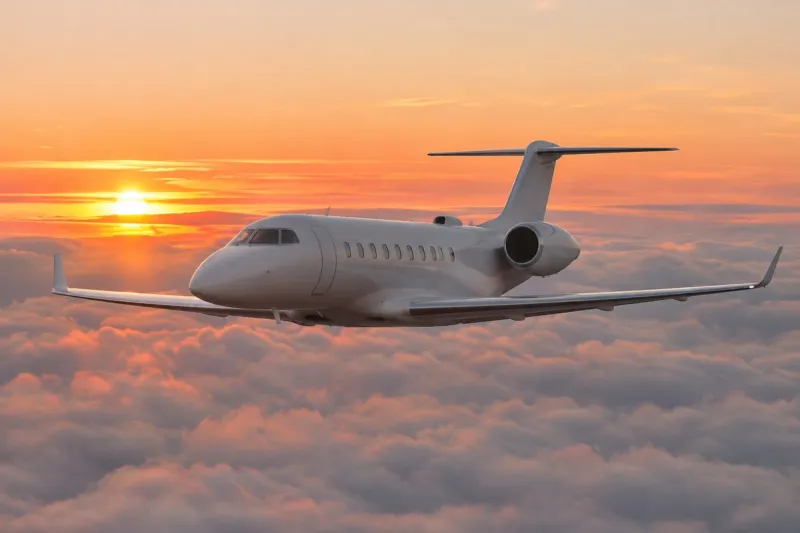
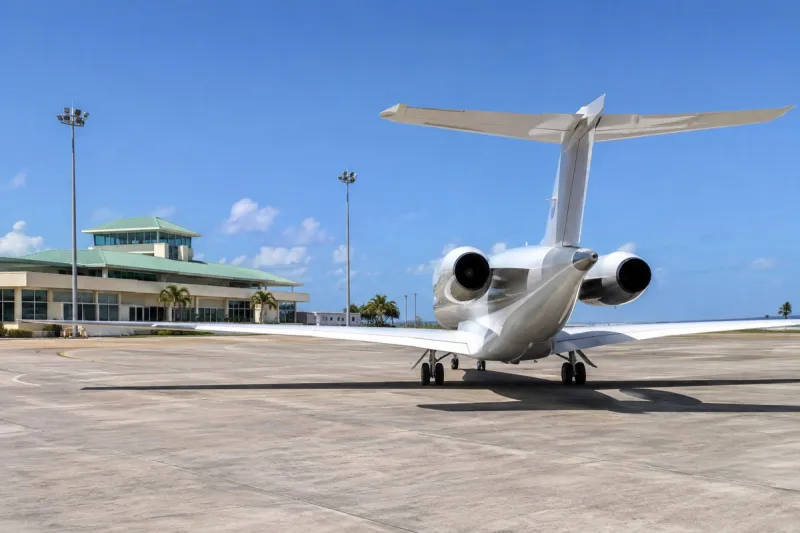
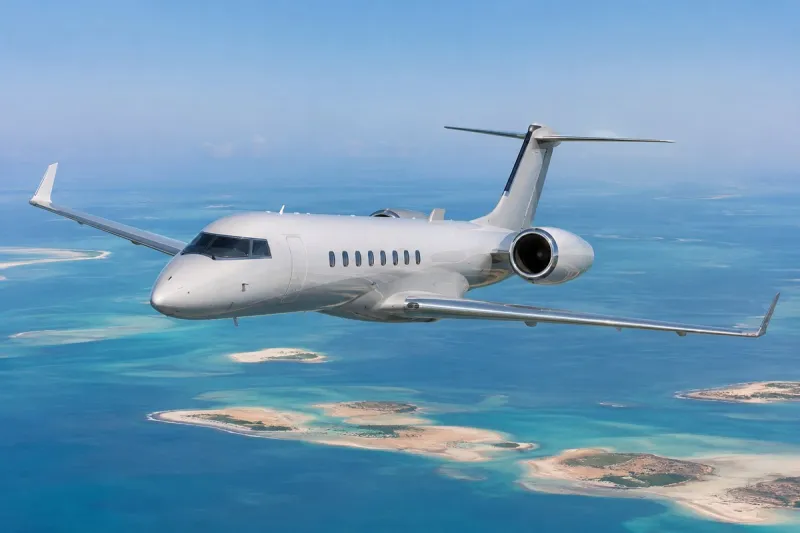
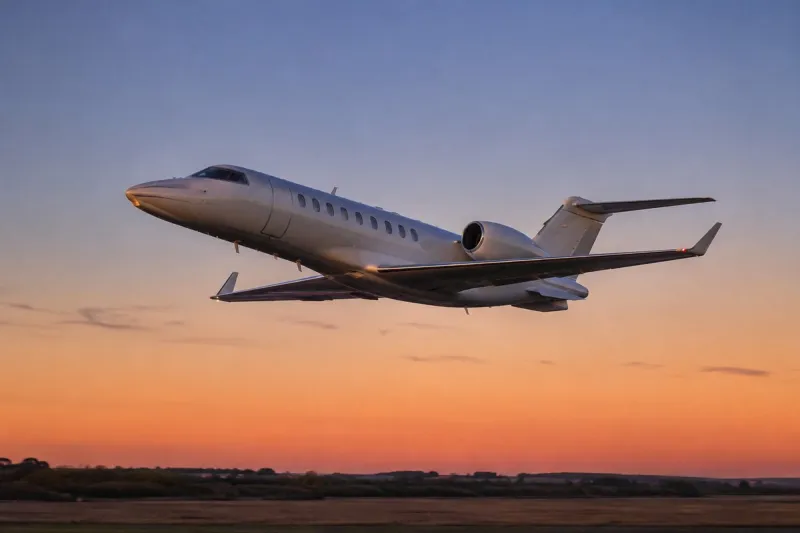
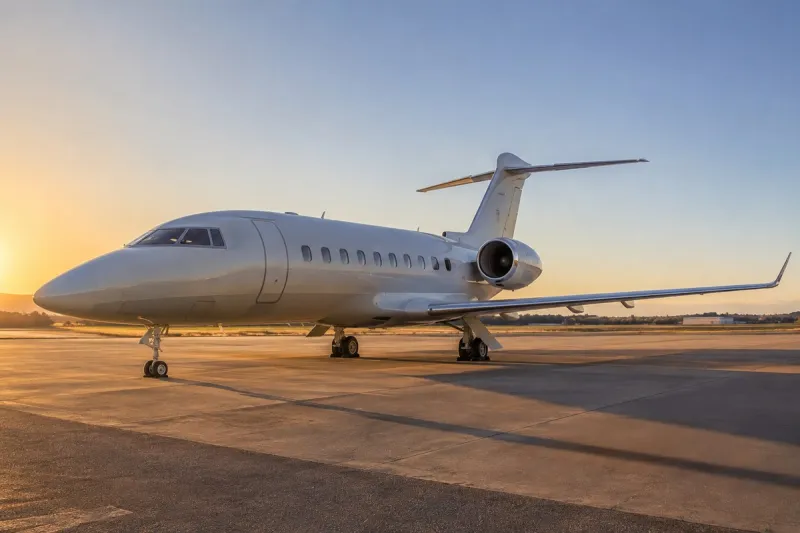
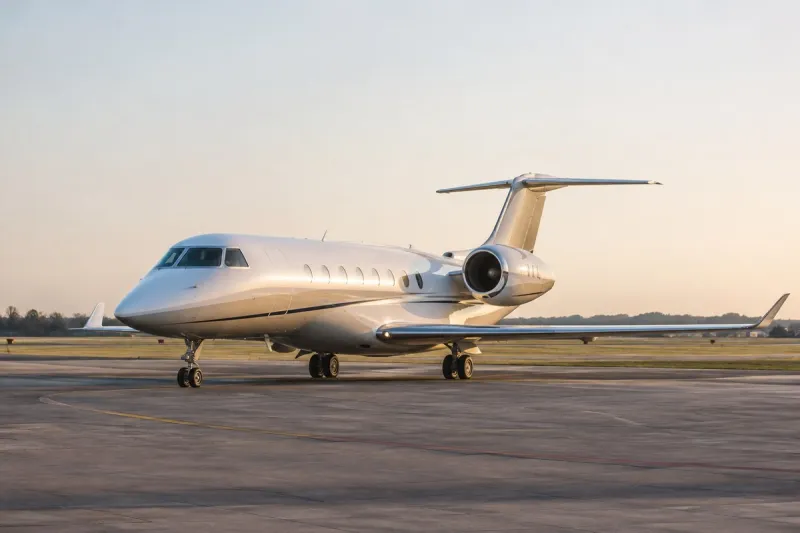
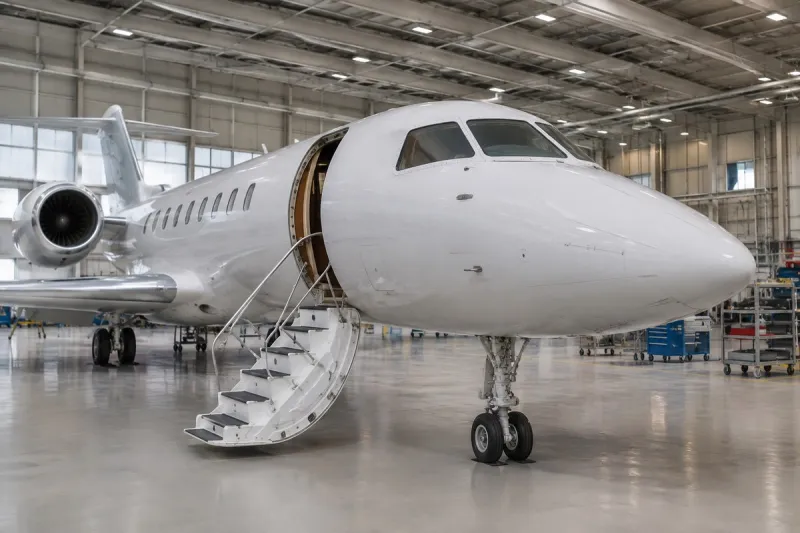
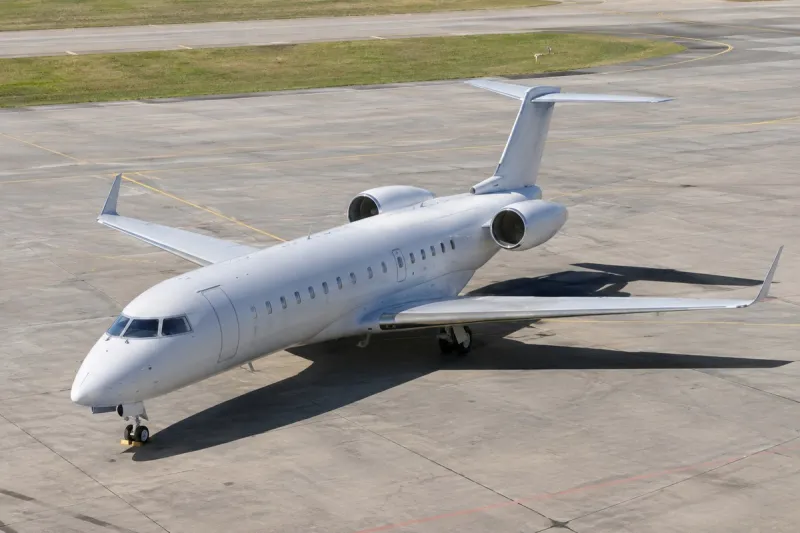
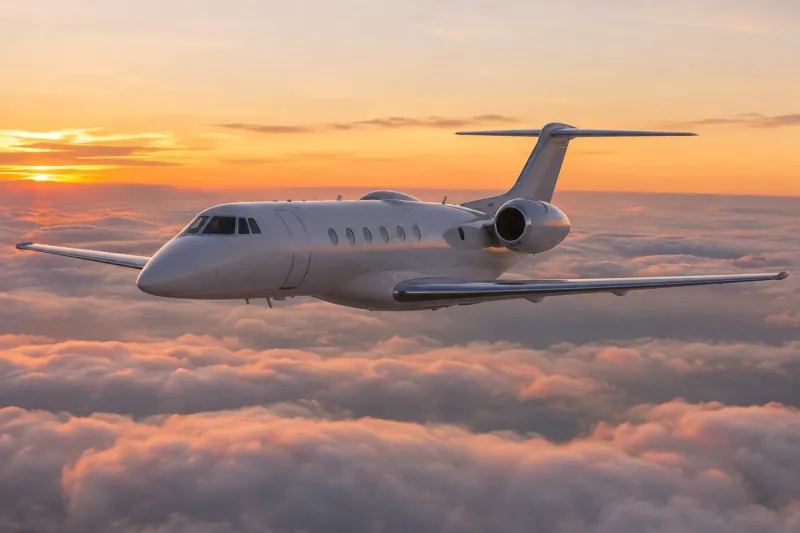
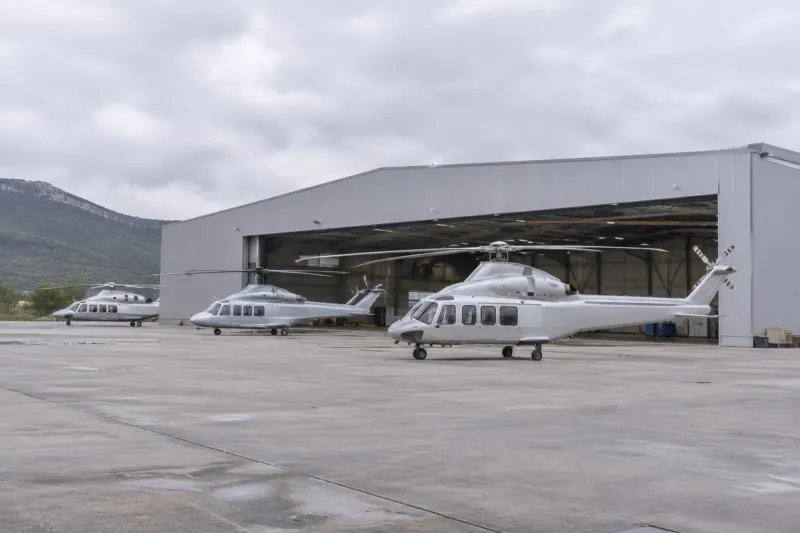
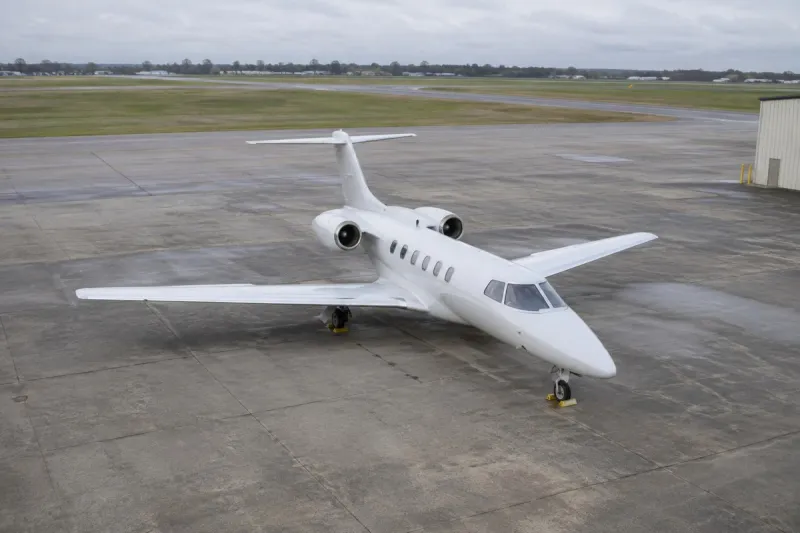
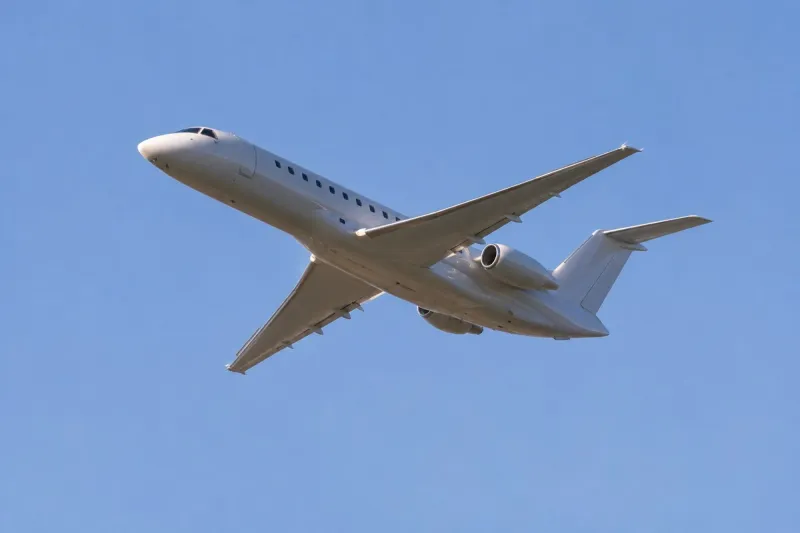
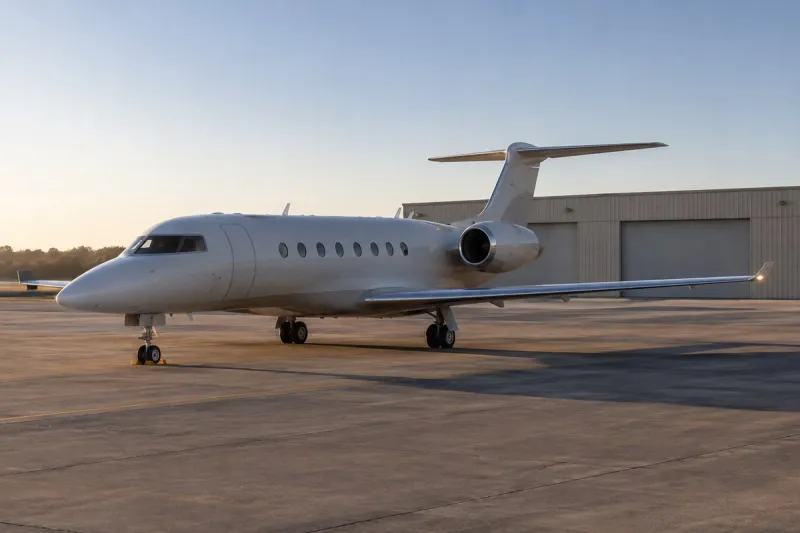
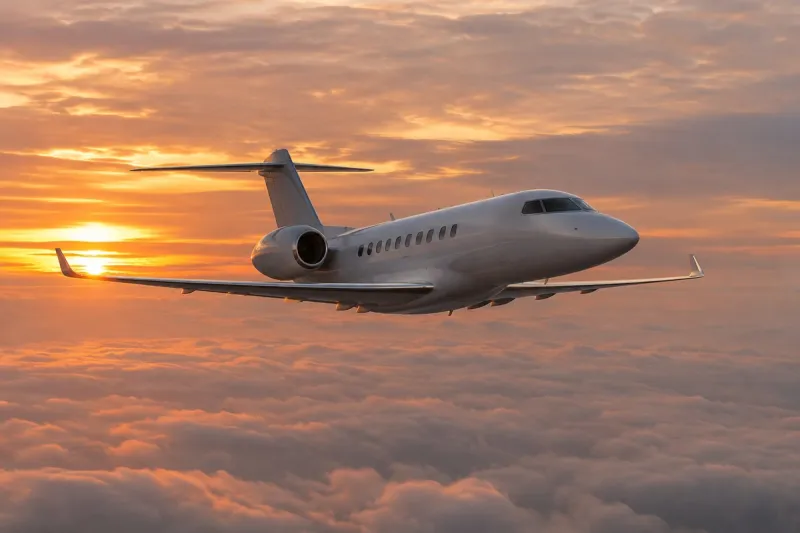
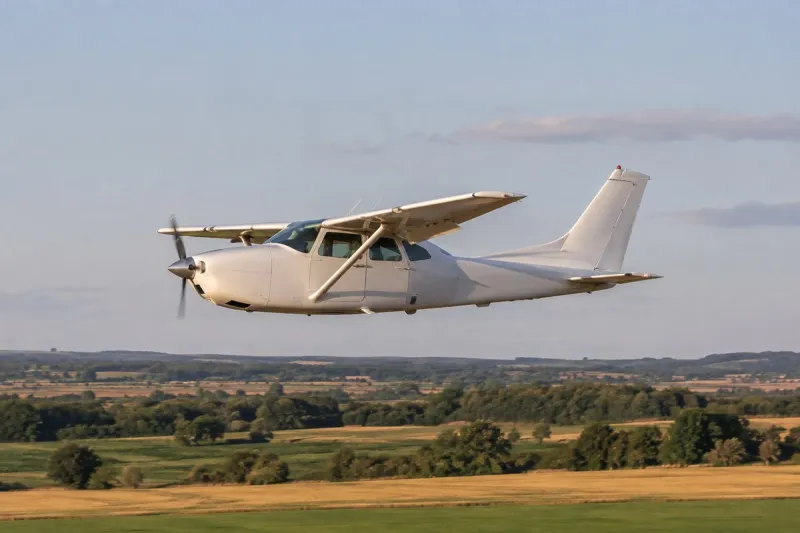
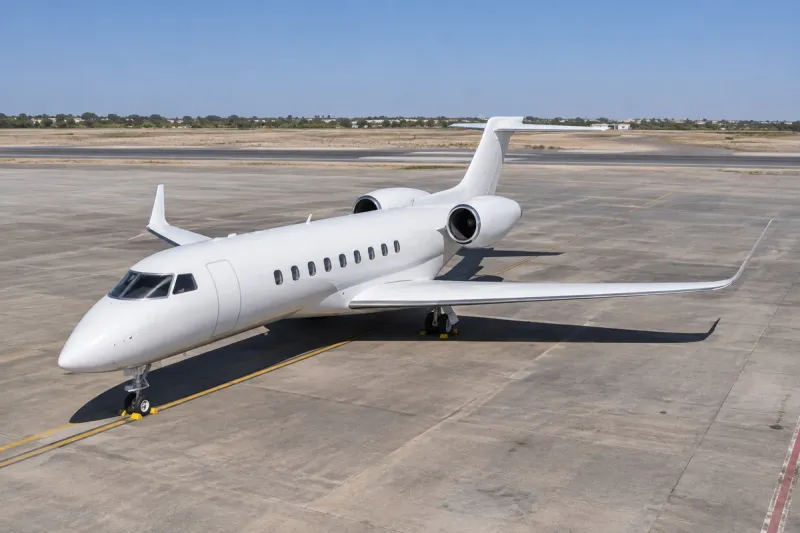
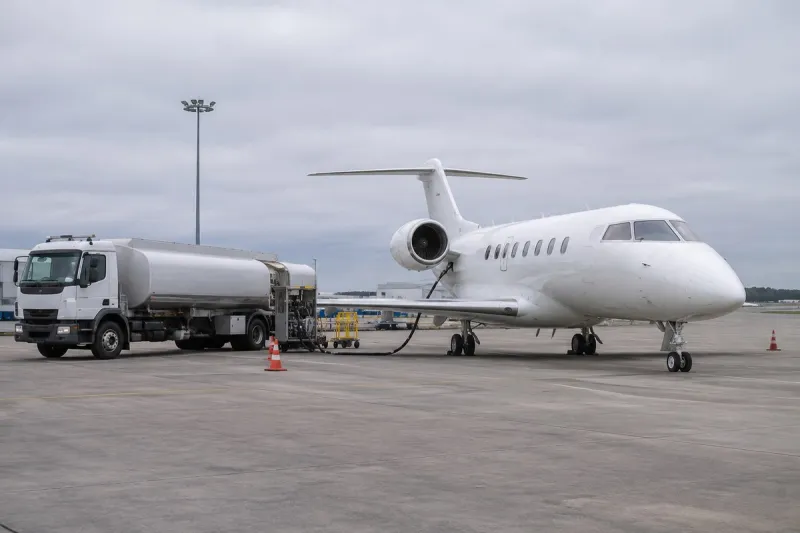
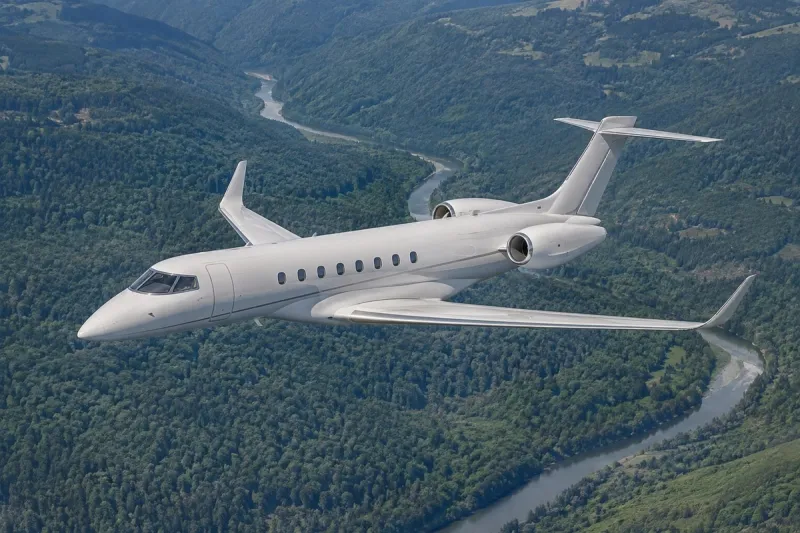
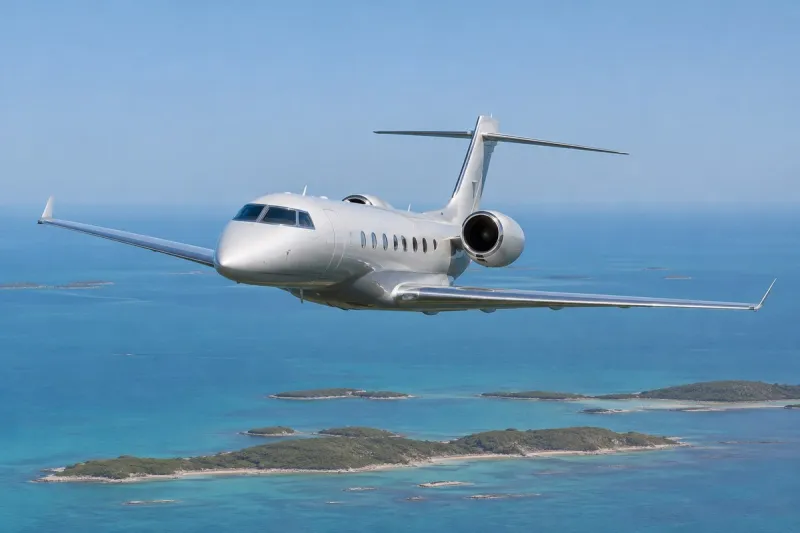
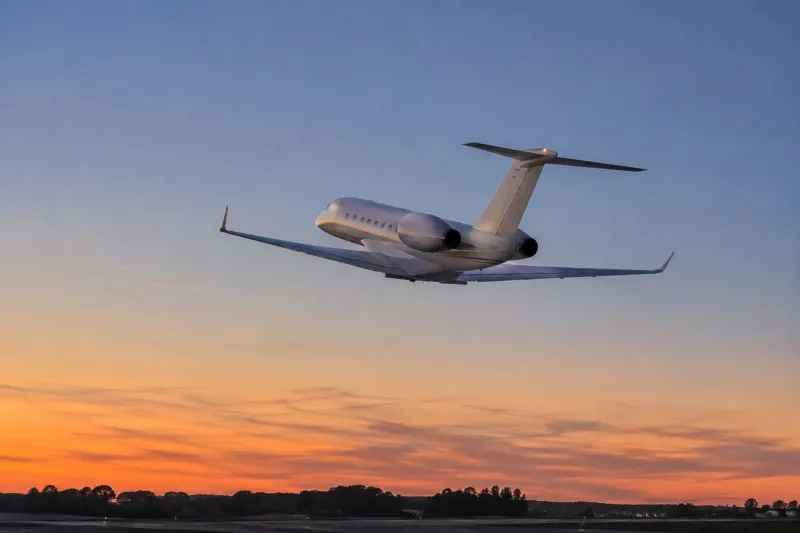
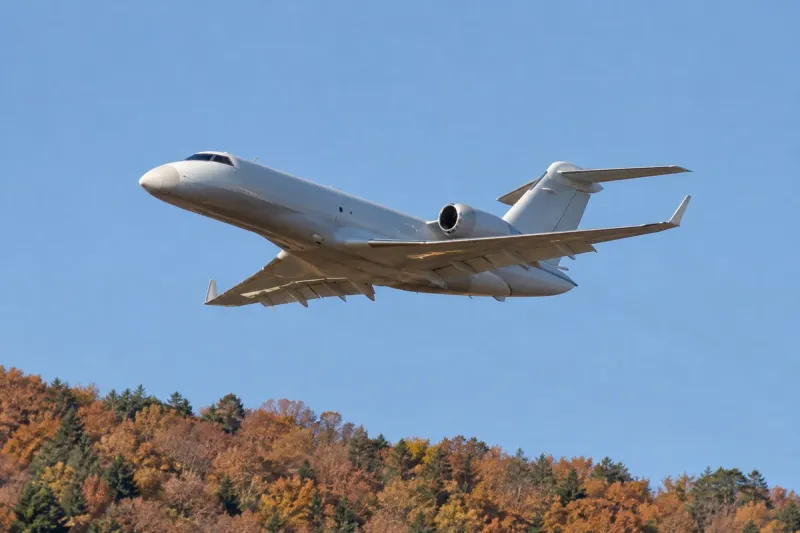
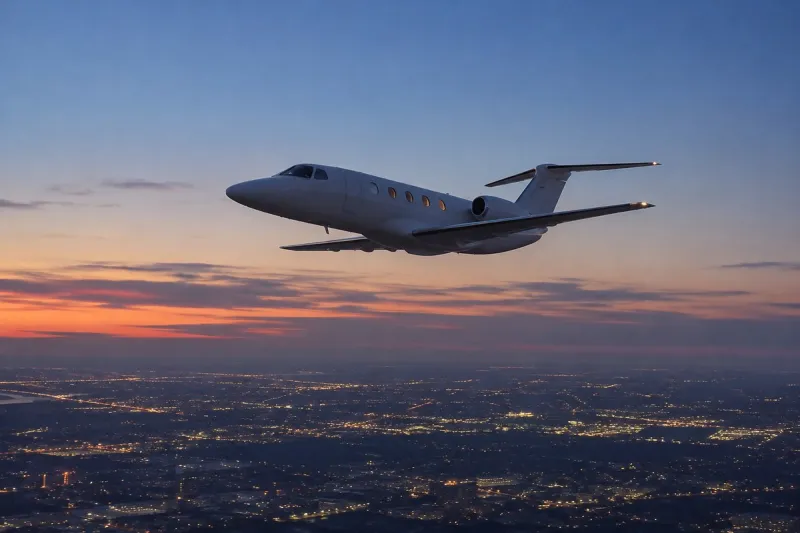
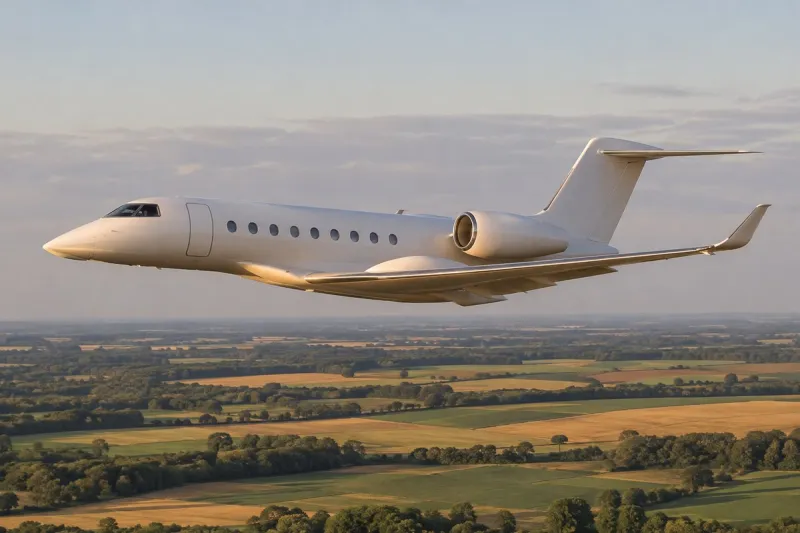
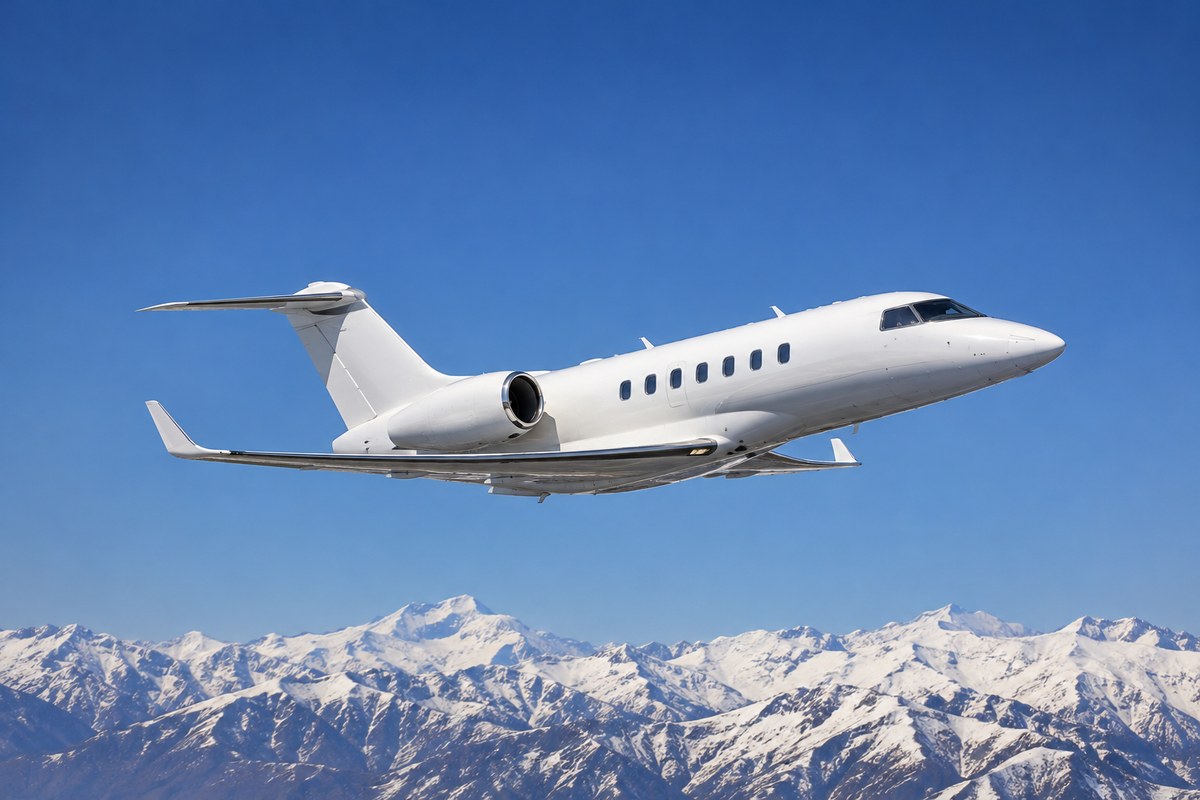
The own-permit fleet currently stands at three jets of two types: an Embraer Legacy 600 (VT-SSR, 13 seats), a Legacy 650 and a Hawker 900XP (VT-PRY, MSN HA-0177). The Hawker was inducted in October 2026 as the company's first mid-size jet. Three more Hawker 900XPs (HA-0150, HA-0095 and HA-0162) are due from December 2026 for induction in Q4 FY27.
The target is seven own-permit jets by March 2027, up from two in March 2026, with own-permit seats rising from 26 to 71. The company also plans to replace its two wet-lease partner jets with own-permit aircraft in the same period. These timelines are targets and depend on delivery and induction going to plan.
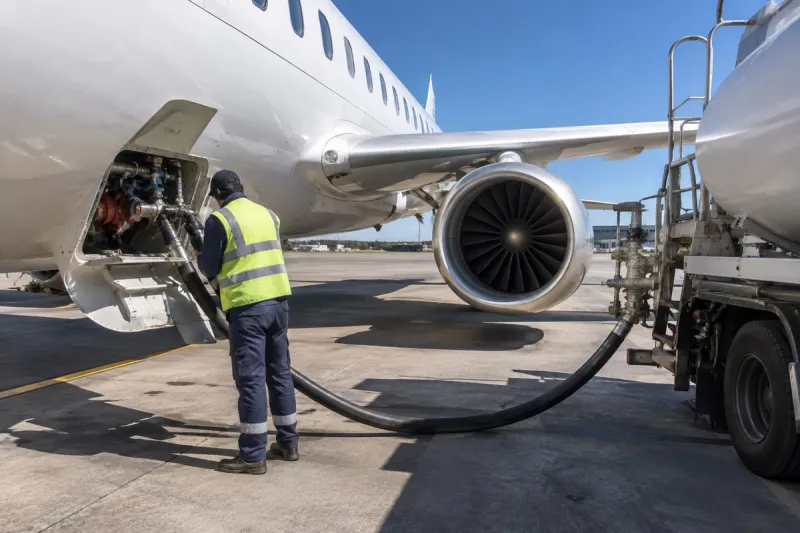
In its five-year business plan, which the company states is forward-looking and not guidance, FlySBS projects own-permit flying hours rising from 2,256 in FY27 to 20,160 in FY31, with the fleet growing to 22 jets by FY31. The company also signed a long-term Jet A-1 supply agreement with HPCL on September 23, 2026, and held its first annual general meeting as a listed company on September 29, 2026.
Industry impact & what to watch
The plan to retire both wet-leased partner jets while taking the own-permit fleet from two to seven shows where this operator sees its margin. A charter business built on partner aircraft carries little capital but gives up control over availability and scheduling. Moving to aircraft flown under its own permit shifts that control in-house and adds fixed cost, with fleet utilisation becoming the number that decides whether the margin gain holds.
The long-term fuel agreement fits the same logic. Locking in a Jet A-1 supplier is a cost-side move that matters more as flying hours scale from 2,256 toward the 20,160 projected for FY31. A schedule of that size is a fleet-and-fuel problem as much as a demand problem, and the segment's listed operators will be judged on whether deliveries land on their stated dates.
The near-term checkpoint is the arrival of the three Hawker 900XPs from December 2026 and their induction in Q4 FY27. Those inductions determine whether the March 2027 target of seven jets is met, and the company itself describes the timelines as dependent on delivery and induction proceeding as planned.