CFM Doubles LEAP MRO Capacity With $2 Billion Investment and Open Ecosystem of 23+ Providers
Why It MattersLEAP fleet maturity is shifting the MRO constraint from engine reliability to shop capacity and parts repair yield, with licensed independents competing for visits alongside the OEM.
What happened
CFM has delivered more than 10,000 LEAP engines in the 10 years since the type entered service, and the fleet has accumulated over 100 million flight hours. The company says it is focused on extending time on wing, reducing maintenance burden and keeping cost of ownership competitive with the CFM56 engine family.
GE Aerospace and Safran Aircraft Engines, CFM's parent companies, are investing more than $2 billion over five years to expand internal MRO capacity and capability. In the past two years CFM opened new and expanded overhaul shops in Belgium, India, Mexico and Poland, plus a new test cell in the US. Planned additions include new and expanded facilities in Brazil, Malaysia and Morocco, a second US test cell in Dallas, expanded repair capability in Singapore and expanded on-wing support in the UAE. Across internal and external shops, CFM is doubling LEAP MRO capacity.
More than 23 independent providers are licensed under CFM's open MRO ecosystem and compete with CFM for LEAP shop visits. CFM's Premier MRO license recognizes shops with the highest level of capability, training and support, along with expanded access to proprietary overhaul and repair technology. In 2026, Iberia Maintenance in Madrid and SSAMC in Chengdu became Premier MRO providers, and MTU Maintenance Fort Worth inducted its first LEAP engine.
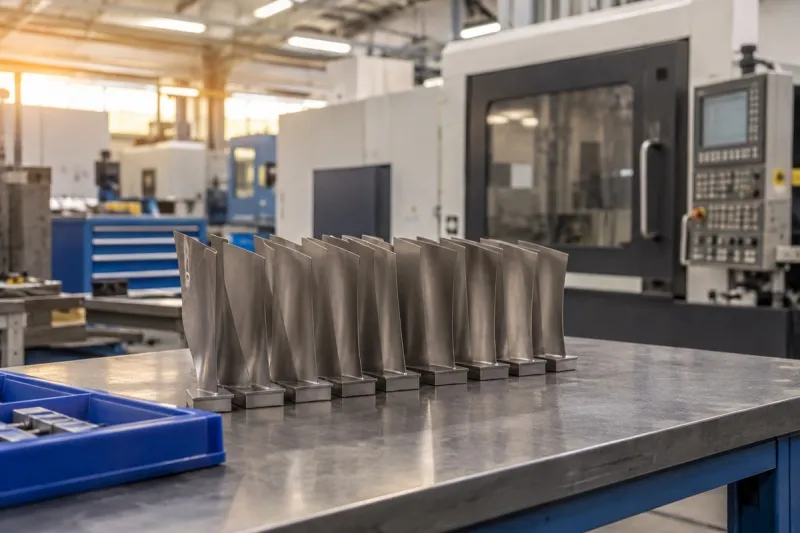
Over the past three years, CFM has roughly doubled repair yields on parts such as the LEAP-1A stage 1 disk module and the combustor-diffuser-nozzle (CDN) case, easing demand on the supply chain for replacement parts. CFM is also maturing the LEAP engine and shop manuals and designing mission-targeted work scopes to meet customers' time-on-wing and utilization targets. CFM acknowledges work remains, but says there are now nearly zero engine-driven aircraft-on-ground (AOG) events across the LEAP-powered fleet.
Industry impact & what to watch
Engines reaching their first performance restoration shop visits mark the point where an engine program's economics are decided in the shop rather than on the wing. CFM's own framing captures the tension: maturity improvements should reduce how often overhauls are needed, yet the industry still has to add capacity for the first wave of visits. Doubling capacity while repair yields on parts such as the stage 1 disk module and CDN case improve suggests the binding constraint is moving from engine reliability toward shop slots, test cells and the availability of replacement parts.
The open ecosystem changes how that capacity is priced. With more than 23 licensed independents competing against CFM for the same shop visits, operators and lessors gain alternatives to the OEM, while CFM keeps control through the Premier license tier, which ties access to proprietary overhaul and repair technology to demonstrated capability, training and support. For customers, work scope design becomes the practical lever: mission-targeted scopes aimed at time-on-wing and utilization targets determine cost per flight hour more than the choice of shop alone.
The next test is how the Premier tier grows beyond Iberia Maintenance in Madrid and SSAMC in Chengdu, and how quickly the planned Brazil, Malaysia and Morocco facilities and the second Dallas test cell come into service. Turnaround performance at the first PRSVs will show whether the capacity doubling matches demand.