US Army's ARTEMIS Challenger 650 Surveillance Jet Gets Leidos Contract Worth Up to $127M for Europe Missions Through Summer 2027
Why It MattersContracted business jets flown by industry on military signals-collection tasks show how government intelligence work is shifting toward commercial airframes, with operating contracts rather than aircraft ownership becoming the commercial product.
What happened
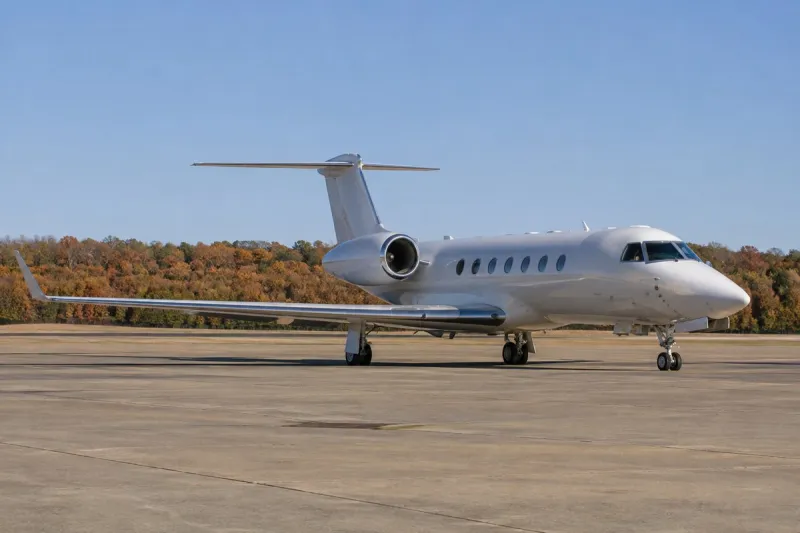
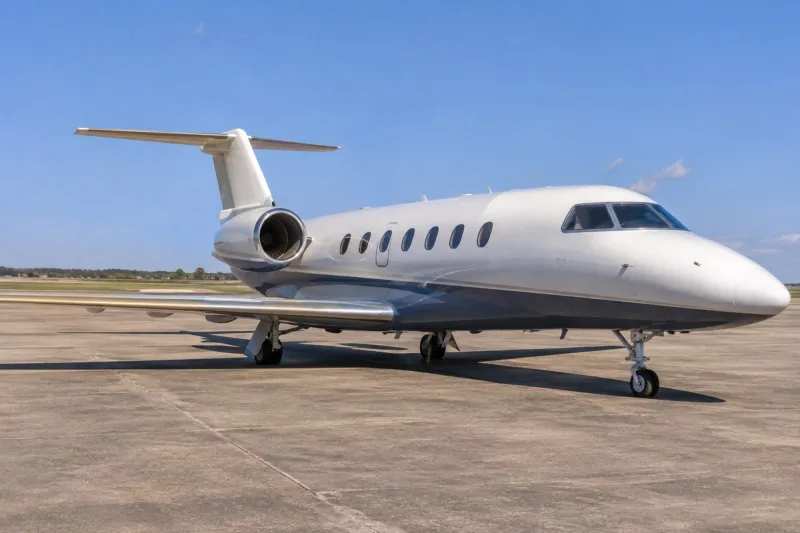
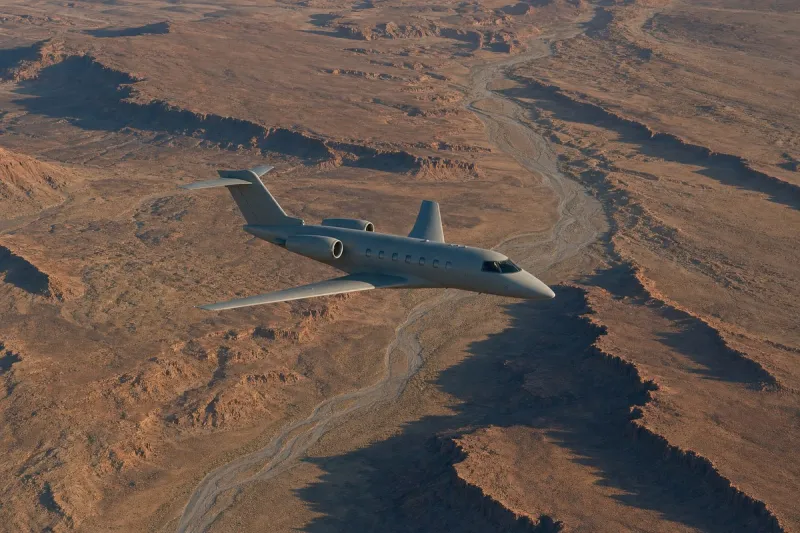
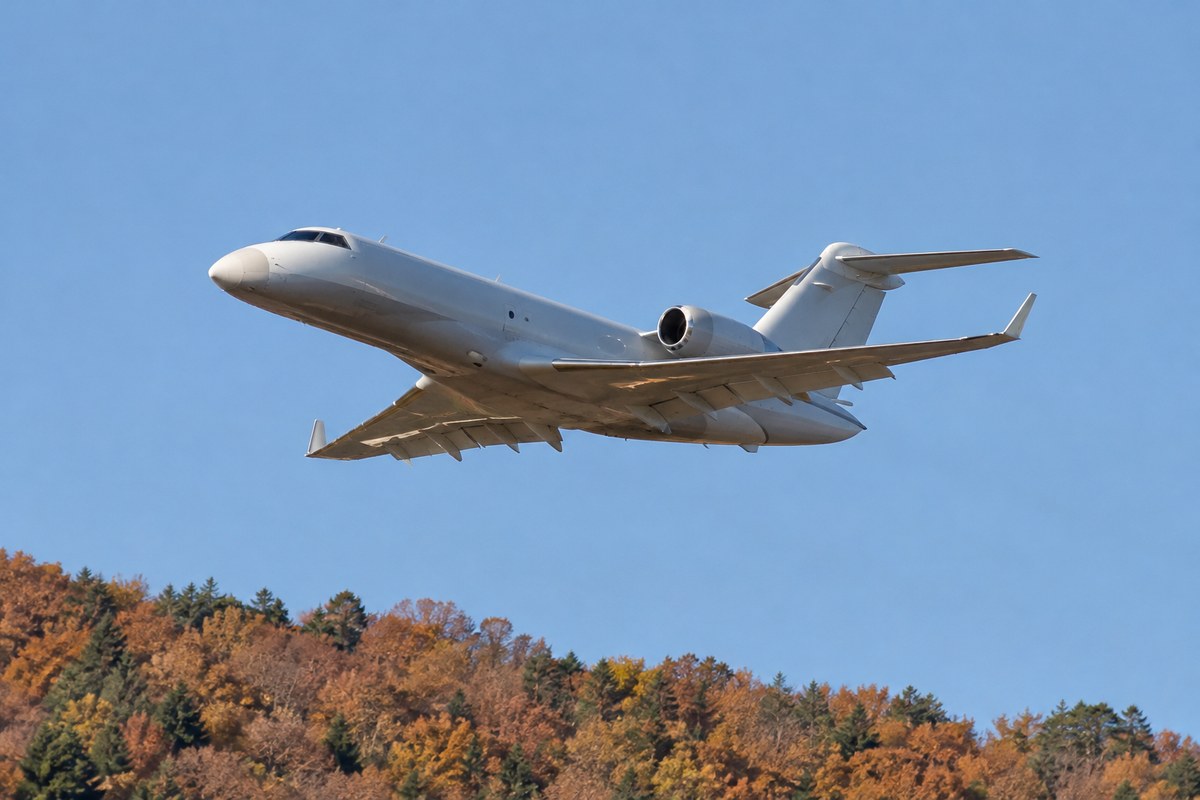
The US Army has awarded Leidos a contract worth up to US$127 million to continue operations of ARTEMIS, a modified Bombardier Challenger 650 business jet equipped to collect radar and communications signals. The work covers Europe through summer 2027, with options for two additional years. The extension was reported as a September 2026 decision.
In November 2021, the Army pulled the experimental aircraft from a planned exercise at the request of US European Command to monitor Russian troop movements near Ukraine, according to an Army official. No public account identifies the specific Russian formations detected, the intelligence products delivered, or the conclusions drawn from individual flights.
At about 41,000 feet, the Challenger 650 has a wider radio horizon than the Army's older RC-12 Guardrail turboprops. Its two General Electric CF34-3B turbofans give it a high-speed cruise of around Mach 0.8, reducing transit time to distant patrol areas. Reported sorties include patrols south of Crimea lasting about nine hours, operating from Mihail Kogalniceanu Airport near Constanta, Romania, and flights near Kaliningrad in the Baltic. Jason McCarthy, Leidos senior vice president for Airborne and Mission Solutions, said ARTEMIS combines the flexibility of commercial aircraft with military-grade capability.
A second aircraft, ARTEMIS II (registration N159L), extended the Romanian base's reach into the central Mediterranean. Aviation monitor ItaMilRadar documented a Romania-based Challenger flying over Greece and orbiting west of Tripoli in November 2025. In November 2026, open-source observers reported ARTEMIS II flew off Libya on November 19, 20 and 21. On November 22, an attack at Benghazi severely damaged the Russian corvette Merkury, according to two Libyan military officials, and satellite imagery showed it capsized alongside the quay.
The Pacific precedent
The programme's Pacific history began earlier. A Challenger 650 associated with ARTEMIS deployed to Kadena Air Base on the Japanese island of Okinawa and flew reconnaissance missions over the South China Sea. The South China Sea Strategic Situation Probing Initiative reported four such flights before the aircraft transferred to Europe.
Russian analyst Igor Korotchenko has called American reconnaissance near Russian territory provocative.
Industry impact & what to watch
A multi-year, nine-figure operating contract for a converted Challenger 650 places a business-jet airframe inside a standing military intelligence role. For the business-aviation sector, the commercial value in this arrangement sits in airframe modification, sustainment and mission-system integration, with the contractor operating the aircraft on the customer's behalf. The Challenger 650's altitude and speed are the attributes cited for the role, which are ordinary performance characteristics of the type.
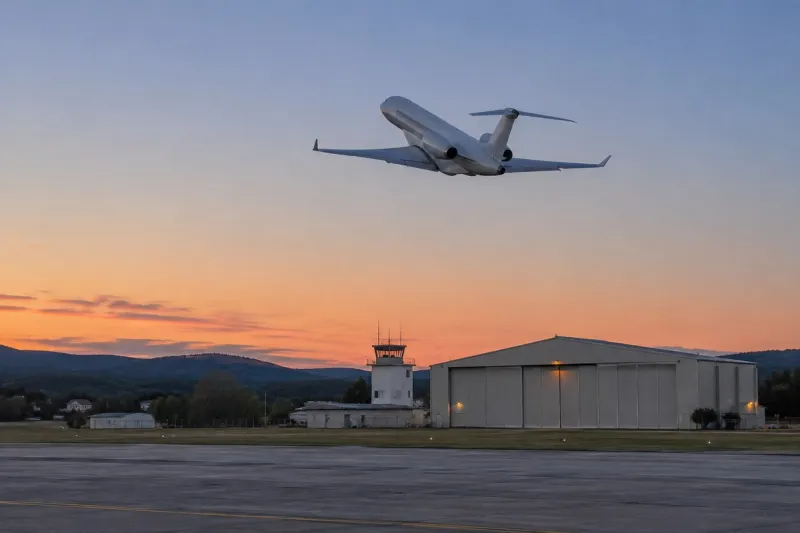
The movement of these aircraft between theatres, from Okinawa to Romania and then onward to Mediterranean and Baltic patrol areas, also shows how long-endurance missions flown from commercial-derived platforms depend on access to forward airfields and on contractor-run operations. Routine airport activity near such deployments is where open-source observers pick up the pattern.
The next milestone is the summer 2027 end of the base period, when the Army either exercises the two additional option years or does not.