RCMP Underwater Team Helps Recover Cockpit Voice Recorder from Downed Ontario Air Ambulance
Why It MattersRecovering a cockpit voice recorder from the seabed takes several agencies' diving, vessel and laboratory capacity at once, so medevac accident evidence depends on cross-border and multi-agency resources, not on the operator.
What happened
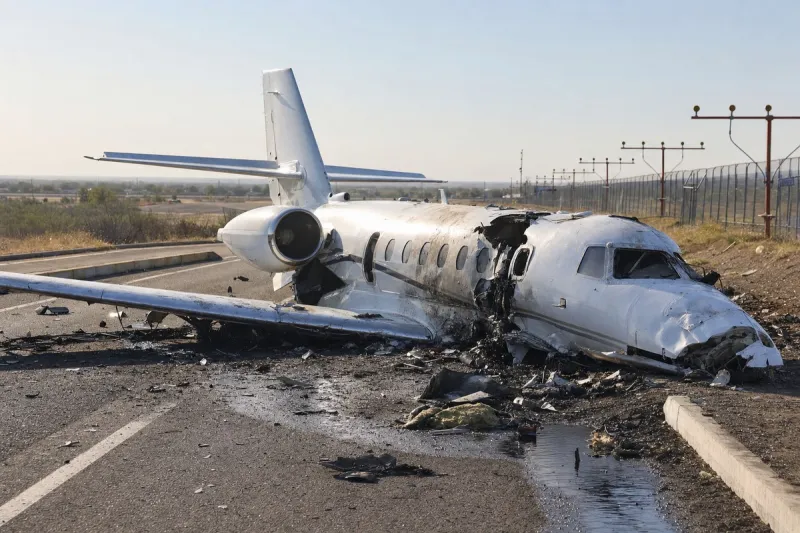
The RCMP said its underwater recovery team in Nova Scotia played a key role in recovering evidence from an Ontario air ambulance that went down off the coast of Massachusetts last month. The team worked with the Canadian Coast Guard and the Transportation Safety Board to find the aircraft's cockpit voice recorder.
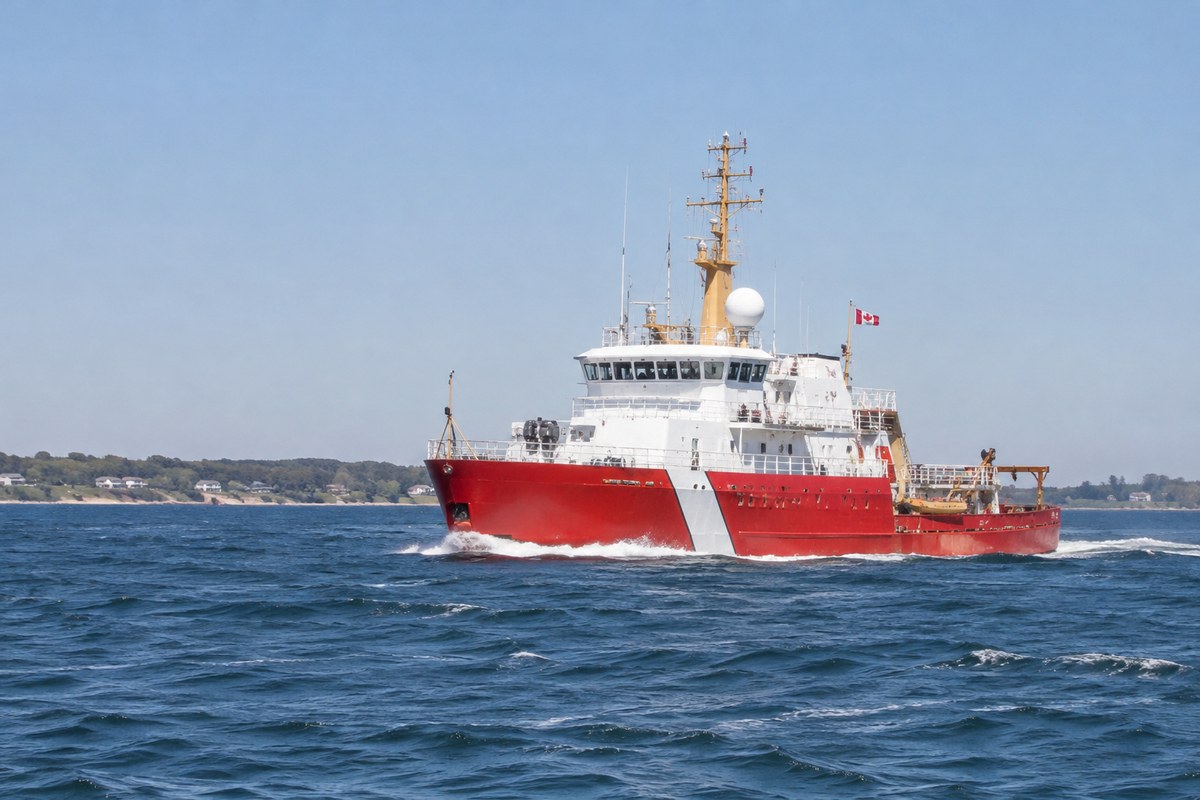
The Transportation Safety Board first announced on Nov. 2 that it had located the recorder and the upper third of the cockpit. The board said the evidence would be transferred to its engineering laboratory in Ottawa as part of its ongoing investigation.
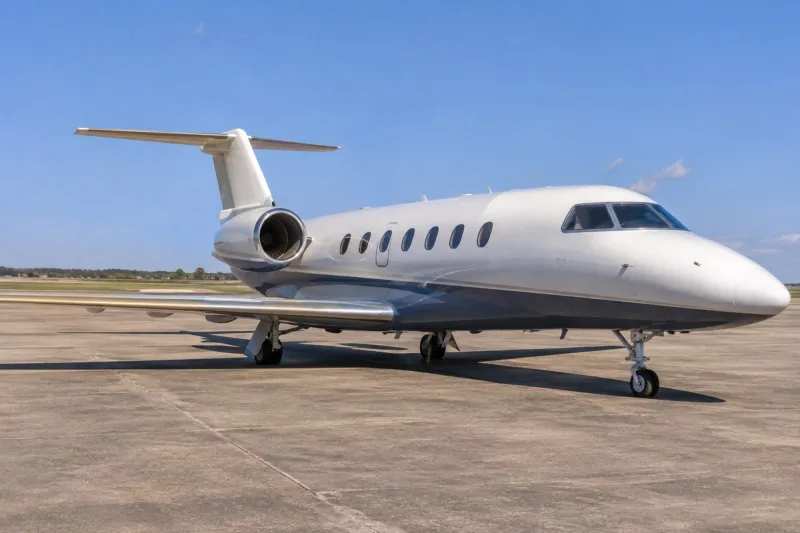
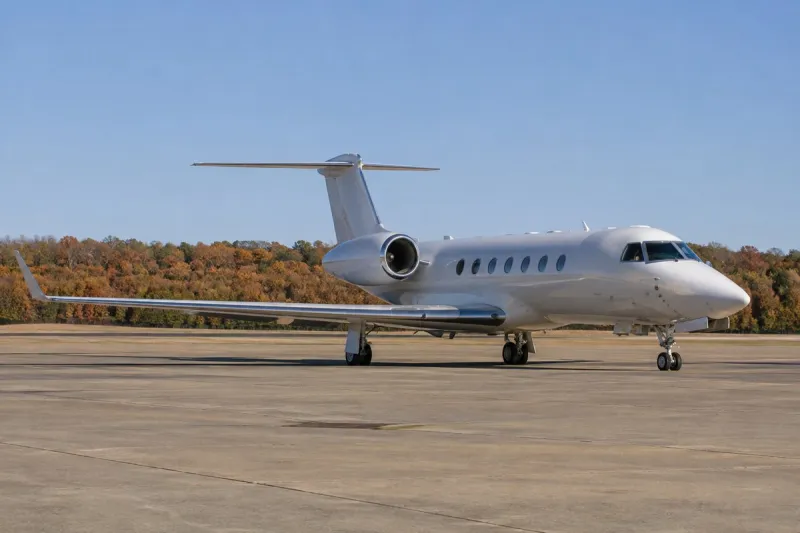
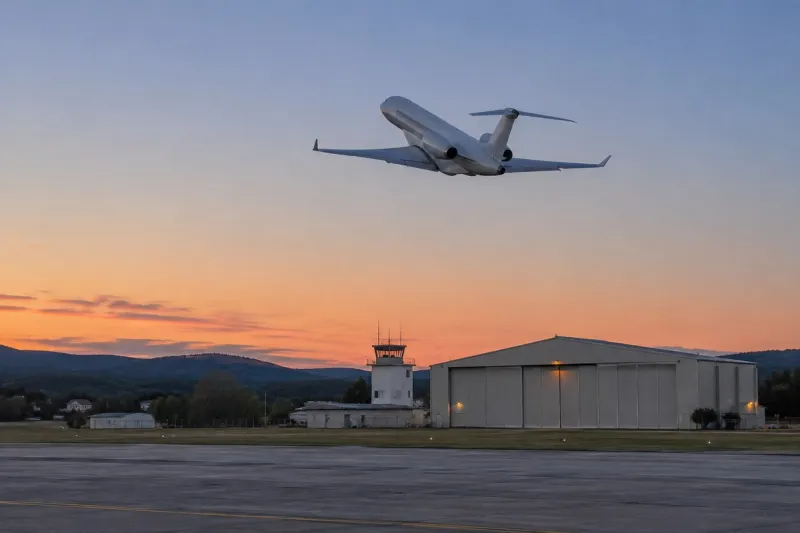
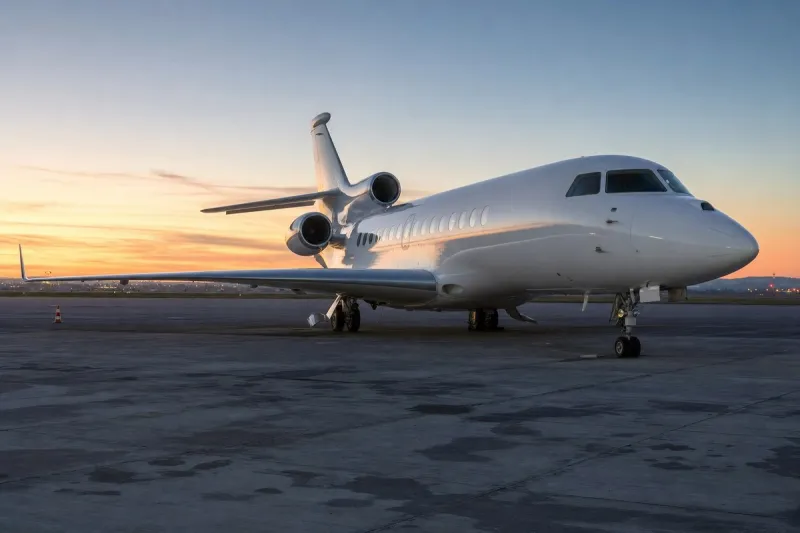
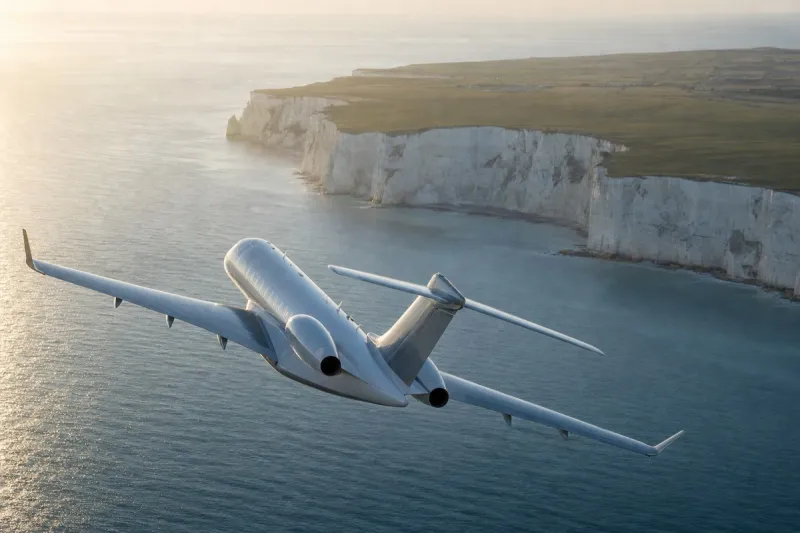
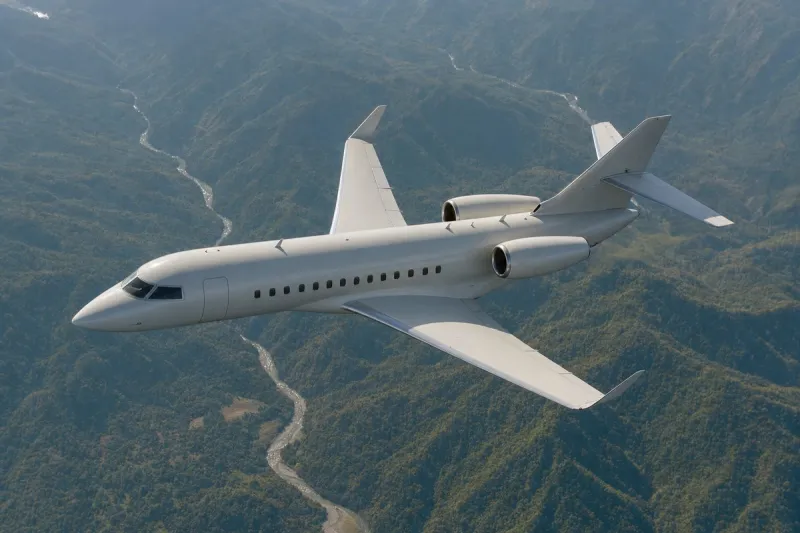
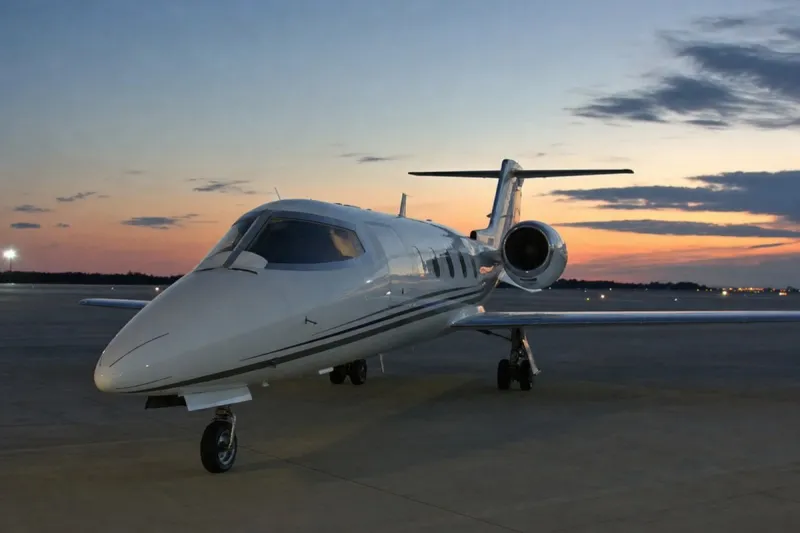
The aircraft was a Gulfstream G100 jet belonging to Hamilton-based medical evacuation company Latitude Air Ambulance. It was carrying six people, including four Canadian crew members, when it went missing in early October. The other two occupants were later identified as a 66-year-old woman and her 41-year-old son, both from Bermuda.
The jet was en route to Boston when it lost contact with air traffic control, prompting a United States Coast Guard search that ended after 66 hours. The U.S. Coast Guard said in early October that debris from the plane had been recovered 32 kilometres off Nantucket.
Industry impact & what to watch
An accident over open water adds a step that land crashes do not have: the recorder and wreckage must first be found and lifted from the seabed. This case drew in a police underwater team, a coast guard and the national investigation board, which shows how much of the evidence chain in an offshore loss sits with public agencies and not with the operator involved.
For air ambulance and other medevac flying, the practical consequence is that the findings depend on what the seabed recovery yields. The voice recorder and the recovered upper third of the cockpit now go to the Transportation Safety Board's laboratory in Ottawa, and the investigation is ongoing.
The cause has not been determined. The next milestone is whatever the board's engineering laboratory work produces from the recorder and cockpit section.