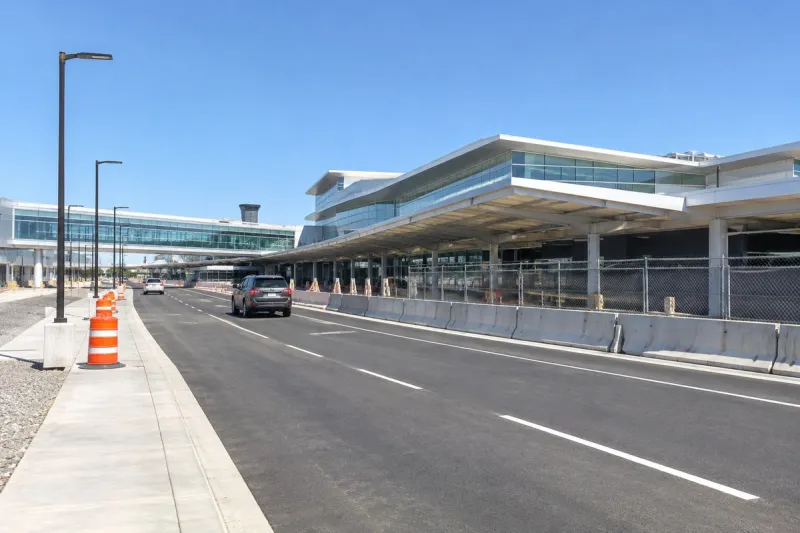
Durango-La Plata County Airport Selected for FAA Digital Tower Program
Why It MattersDigital towers shift small-airport air traffic oversight from a physical vantage point to camera and sensor feeds, and state funding appears to be a deciding factor in which airports the FAA picks.
What happened
The Federal Aviation Administration has selected Durango-La Plata County Airport (DRO) in Colorado for its digital tower program. The FAA announced the selection as it brought the nation's first digital towers online at airports in Florida and Alaska, a step toward expanding the technology to smaller airports without traditional control towers.
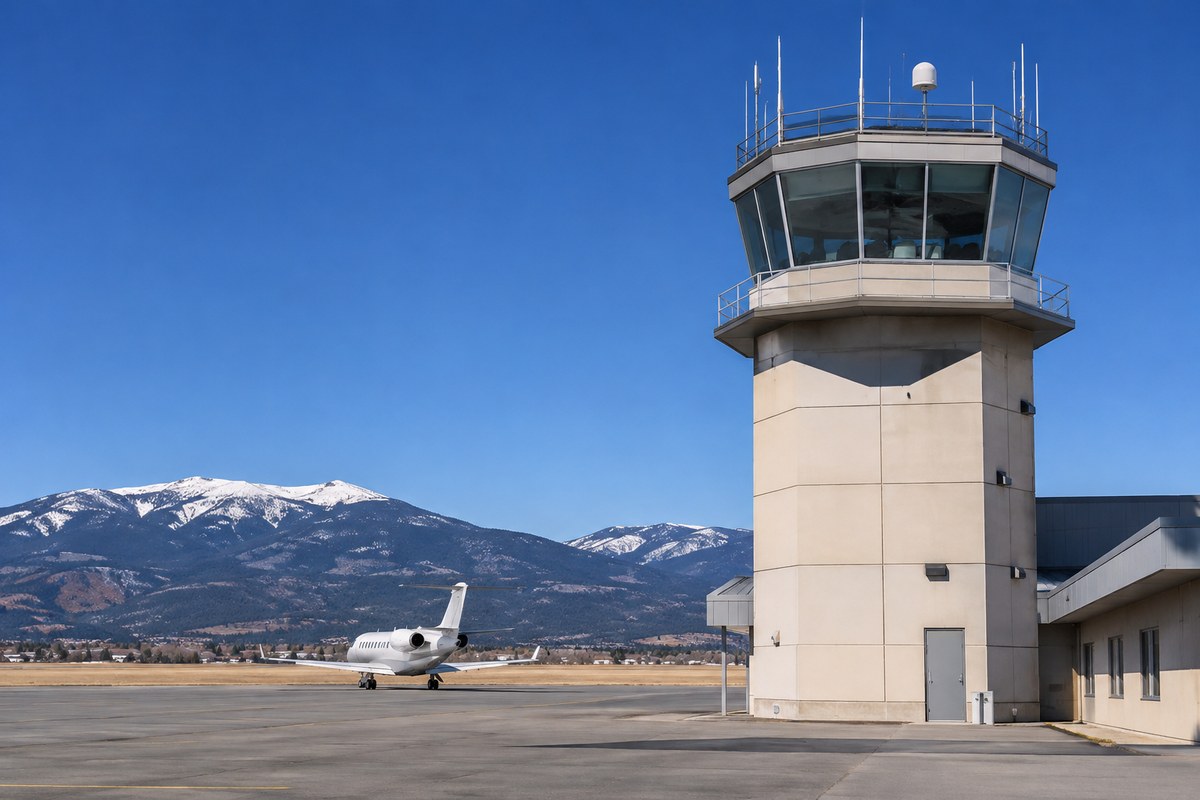
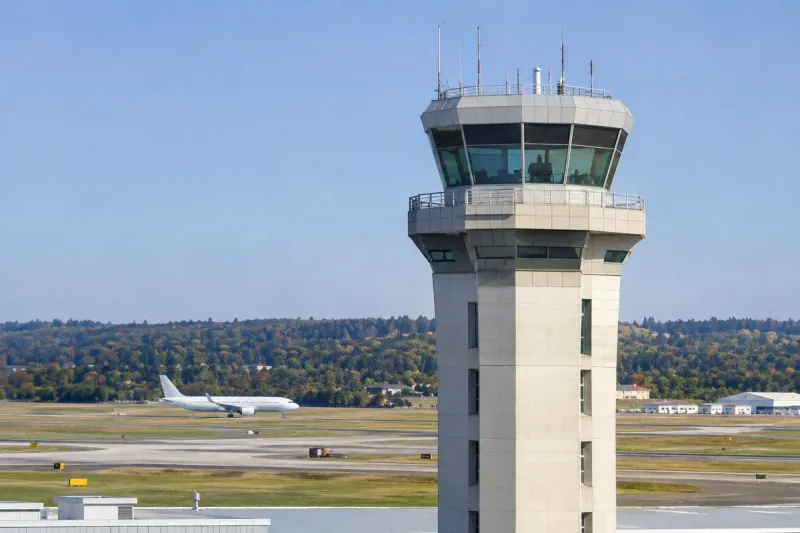
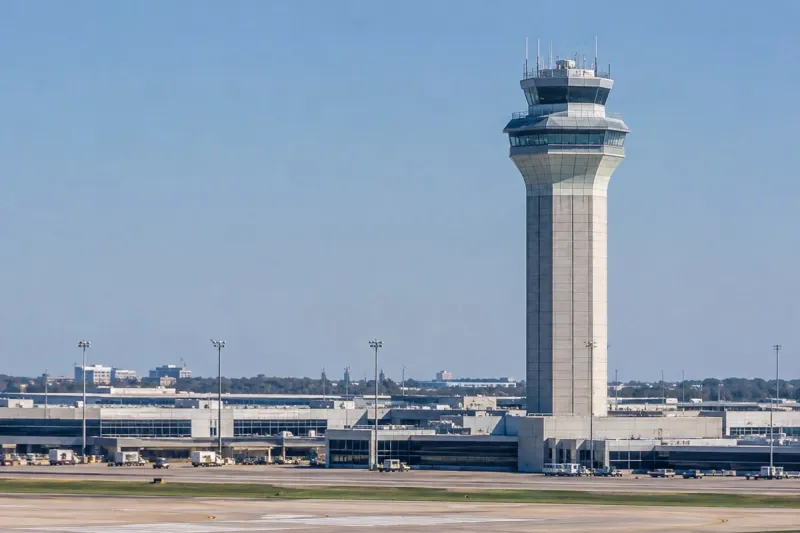
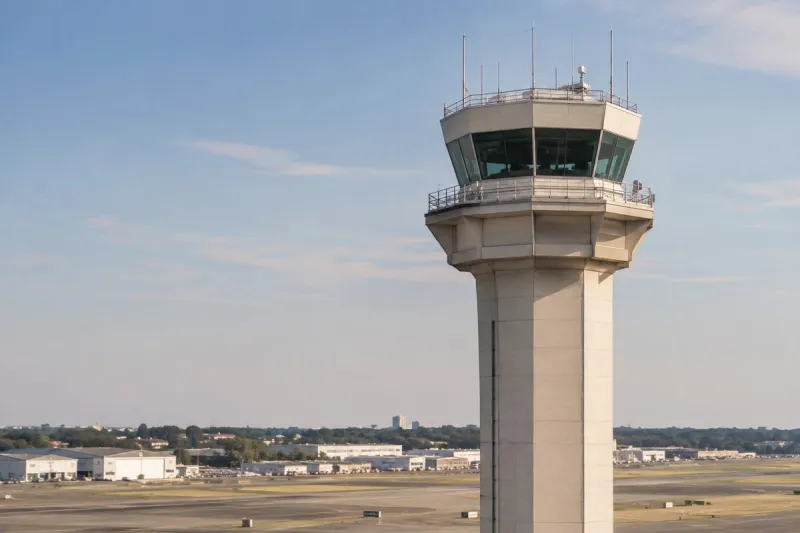
DRO will receive a digital tower system developed by Frequentis. The system uses high-definition cameras, sensors and digital displays to give controllers a panoramic view of runways, taxiways and surrounding airspace, along with flight and weather information. Controllers oversee aircraft movements through those displays rather than from the windows and physical vantage point of a traditional tower. The technology does not replace air traffic controllers; it is intended to provide additional visibility and information to help monitor aircraft and manage airport operations.
The Colorado Aeronautical Board approved a $5 million allocation in June to support the project. The Colorado Department of Transportation's Division of Aeronautics said that commitment was instrumental in securing the FAA's selection. The division will work with the FAA, project partner Woolpert and airport officials to implement the system. According to CDOT, the division has worked on digital tower technology for more than a decade, funding and facilitating one of two original digital tower pilot projects in the country from 2014 to 2023.
DRO Aviation Director Tony Vicari called the technology a transformative opportunity to enhance safety at the airport. David Ulane, director of the Colorado Division of Aeronautics, and CDOT Region 5 Director Julie Constan also commented on the selection; Constan said it would further improve mobility in southwest Colorado, with DRO a key provider of commercial aviation access to the region. FAA Administrator Bryan Bedford said digital towers give controllers greater visibility of airport activity and more information for critical decisions.
Industry impact & what to watch
Airports without a traditional control tower have generally been limited by the cost of building and staffing a physical structure. A camera-and-sensor tower changes the unit of investment: the equipment and the data feed become the asset, not the building. DRO's selection, announced alongside the first live installations in Florida and Alaska, suggests the FAA is moving from proof of concept to a rollout that reaches smaller commercial airports.
The Colorado case also shows how selection can work in practice. A state aeronautics body put up $5 million ahead of the FAA's decision, and CDOT credits that commitment as instrumental. Airports hoping to follow DRO's path are therefore likely to need a state or local funding partner and an implementation partner in place early, not just an operational case.
For charter and general aviation operators using regional airports, the practical question is how the new visibility and information tools affect day-to-day airport operations once the system is installed. The next milestones are the implementation work itself, carried out by CDOT's aeronautics division with the FAA, Woolpert and airport officials, and the FAA's choice of further airports for the program.