EASA Approves Bristell B23-916 IFR for IFR Flight in IMC, First Type-Certified Aircraft with Rotax 916 iS Approved for IFR in IMC
Why It MattersInstrument approval on a Rotax-powered all-metal two-seater shows engine-specific type certification can bring night and instrument training onto one lower-power platform, shifting how flight schools could structure ab initio-to-instrument fleets.
What happened
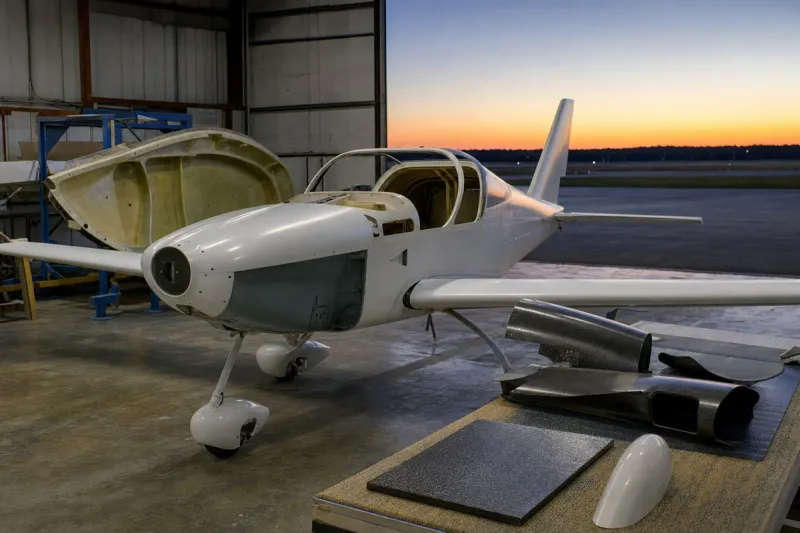
The European Union Aviation Safety Agency (EASA) has approved the Bristell B23-916 IFR for flight under instrument flight rules in instrument meteorological conditions. EASA added the model to type certificate EASA.642 under EASA CS-23 regulations, according to BRM Aero officials. The milestone makes the B23 the first type-certified aircraft approved for IFR in IMC powered by the 160-hp Rotax 916 iS engine.
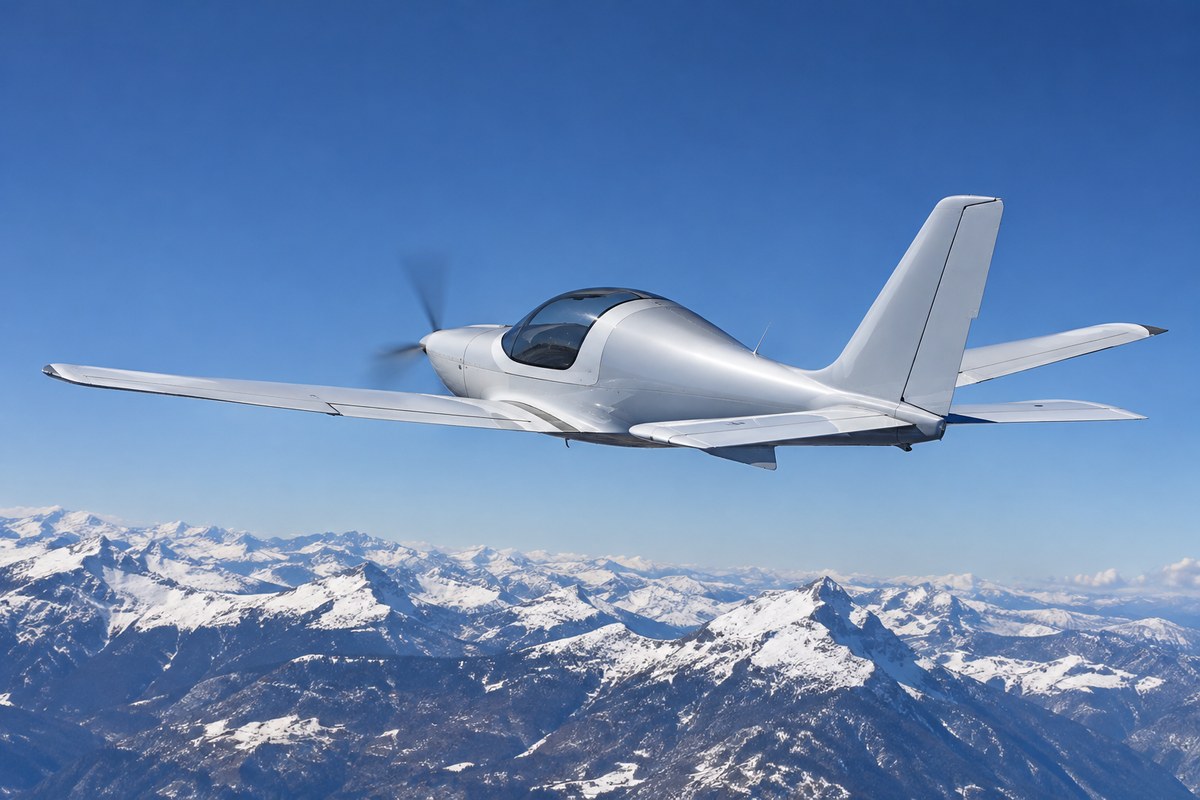
Martin Bristela, CEO of Bristell, said: "Our IFR story began with the B23-915, the first aircraft in the world to be certified with the Rotax 915 iS. After day and night VFR certification, IFR certification was the logical next step, and approval for IFR in IMC continued our path of steady improvement. Now the version with the Rotax 916 iS is here, and we are very proud of it."
According to company officials, the aircraft uses a turbocharged, fuel-injected Rotax 916 iS engine with FADEC, paired with an MT-Propeller MTV-6-R three-blade constant-speed propeller. The design includes direct and indirect lightning strike protection, a maximum operating altitude of 18,000 feet and a maximum takeoff weight of 1,653 pounds. BRM AERO developed the two-seat aircraft for flight schools that need a single platform for ab initio, night and instrument training. It joins the B23-915 IFR, sharing the same all-metal airframe and 51-inch-wide cabin.
The B23-916 IFR is the sixth variant on the B23 type certificate since initial EASA approval in October 2020. The FAA issued Part 23 type certification for the B23 in September 2025, and FAA validation for the 916 iS models remains underway. More than 1,200 Bristell aircraft have been delivered worldwide since 2009.
Industry impact & what to watch
Certification of a turbocharged Rotax engine for IFR in IMC on a CS-23 airframe extends the training-aircraft market beyond the long-established piston singles that have traditionally carried instrument work. For flight schools, the commercial logic is fleet consolidation: one airframe covering ab initio, night and instrument syllabi reduces the number of types a school must maintain, insure and schedule.
The progression described by Bristell, from the 915 iS through day and night VFR to IFR and now the 916 iS, also illustrates how engine-specific certification tends to proceed in stages. Each step adds an approval that has to be won separately, so a newer powerplant reaches the full training envelope only after a sequence of incremental sign-offs.
The pending item is the FAA validation for the 916 iS models, which remains underway. Its outcome will determine whether the same variant can be offered under both European and U.S. certification, since the B23 already holds FAA Part 23 type certification issued in September 2025.