Private Jet Border Clearance Relies on Advance Passenger Data, Valid Documents and Customs-Approved Airports
Why It MattersBorder clearance for private jets hinges on advance data filing and customs-capable airports, so operators and handlers carry most of the risk of delays from late manifests or wrong passport details.
Customs and border clearance is the check a country makes on an aircraft, its crew and its passengers when a flight arrives from or departs for another country. Each country sets its own rules and decides which airports can handle these checks. For an international private jet flight, passenger and crew details must be sent in advance, everyone on board needs valid travel documents for the country being entered, and the aircraft must land at an airport able to clear it.
In the United States, US Customs and Border Protection (CBP) requires the pilot to submit passenger and crew details electronically through its eAPIS system, known as advance passenger information. The requirement applies to flights arriving in and departing from the US. The eAPIS manifest must reach CBP no later than 60 minutes before departure; for inbound flights, the deadline counts from departure from the foreign airport. Since 2023, CBP expects any change to the manifest, such as a new tail number, a changed passenger or a new departure time, to be resubmitted at least 60 minutes before departure.
The pilot or operator is responsible for the filing, but passengers must supply correct passport details early. Late or wrong names are a common cause of delays, and a single expired passport or misspelled name can hold up an entire flight while the manifest is corrected. A handling agent or trip support company often books customs officers at the airport, passes on arrival times and checks local rules.
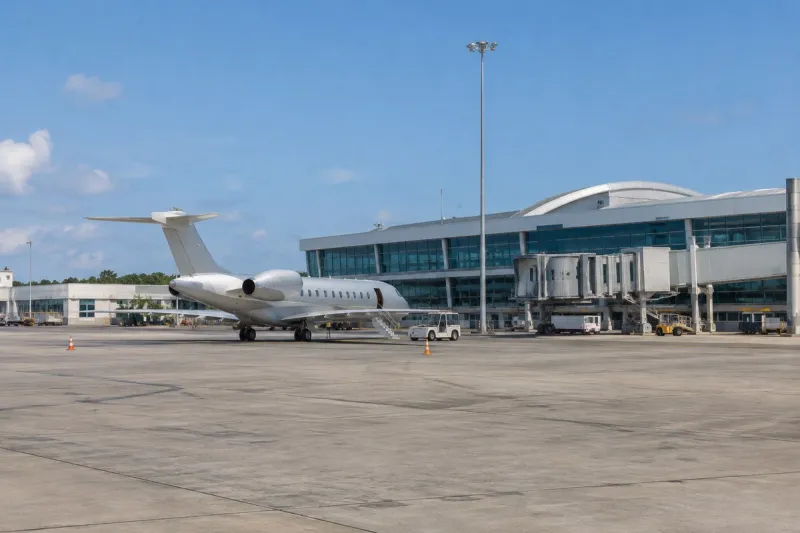
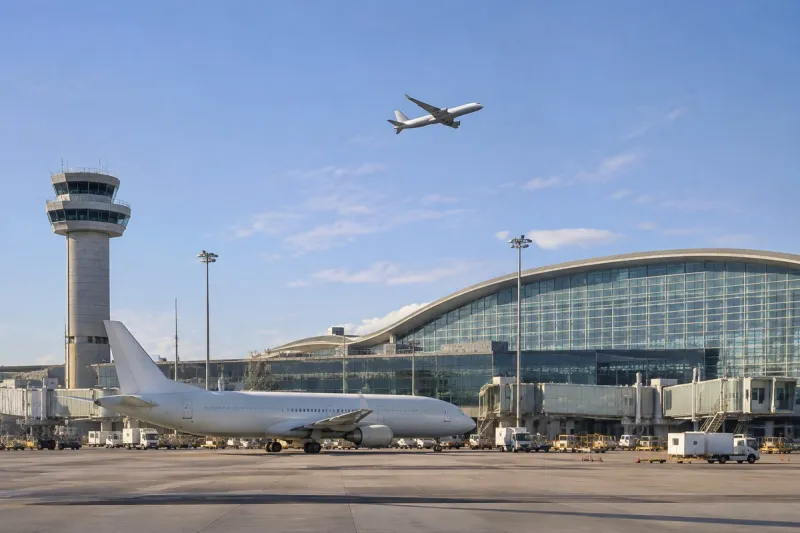
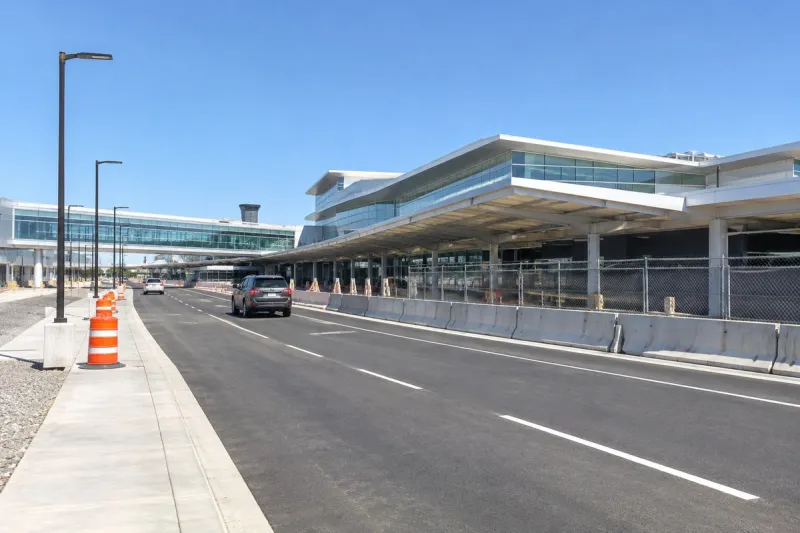
A private aircraft arriving from abroad generally must land at an airport where customs can clear it; not every airport can, and some have limited hours, so the operator or handler must confirm this before the flight is planned. This is separate from overflight and landing permits, which grant permission to enter a country's airspace and to land at a specific airport. Customs clearance covers the legal entry or exit of people and the aircraft once on the ground, and is usually arranged by the operator or handling agent, while advance passenger data is filed by the pilot or operator.
To reduce delays, passengers can give full passport details early, ask whether the arrival airport has customs and what its hours are, and ask who files the advance passenger data. An FBO may help with ground services, but who handles the actual border filing should be confirmed.