Nassau Airport (MYNN) Private Aviation: Paperwork, Not Runway, Is the Main Constraint
Why It MattersBahamas bizav is governed by compliance sequencing and fee exposure, so cost and feasibility turn on documents, permit timing and unsettled air-navigation charges, not on the capacity of the Nassau hub.
What happened
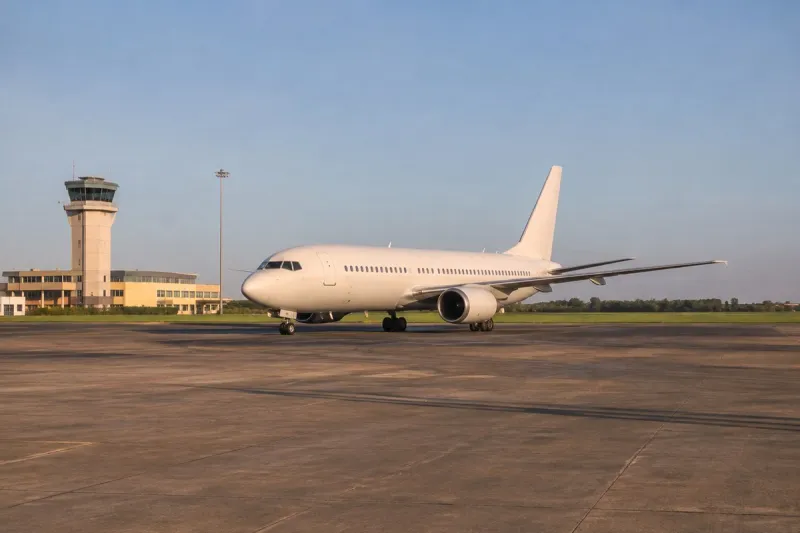
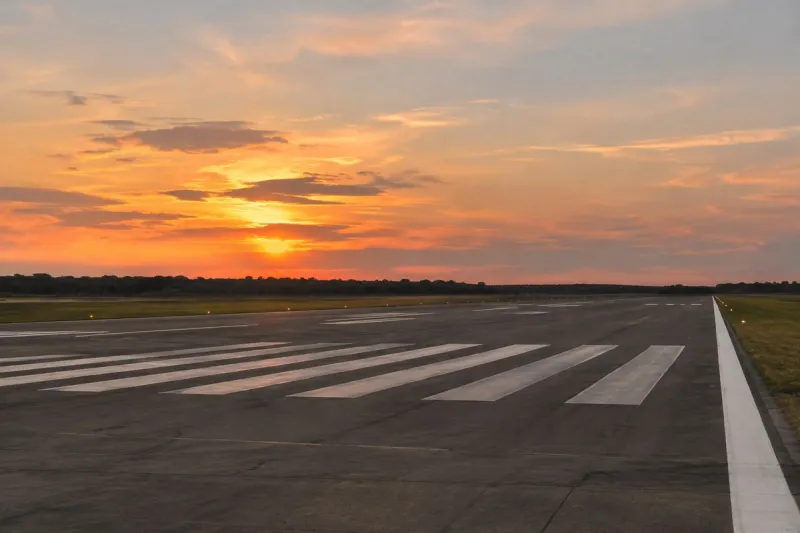
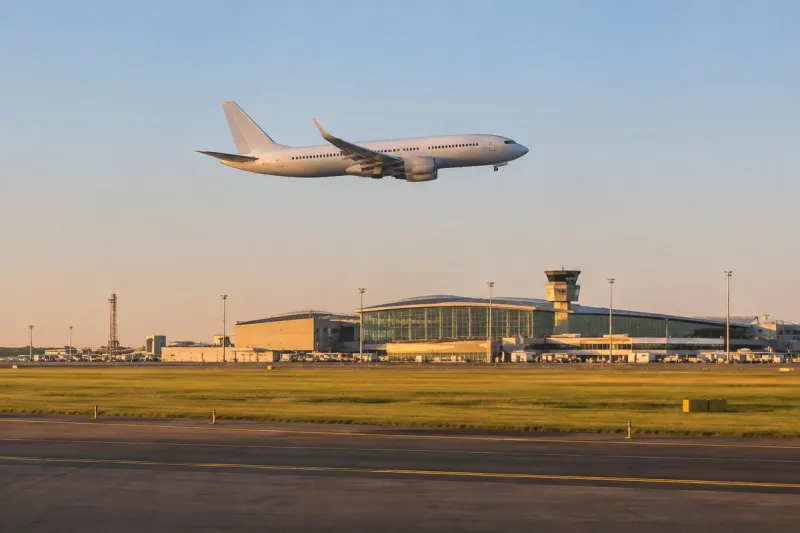
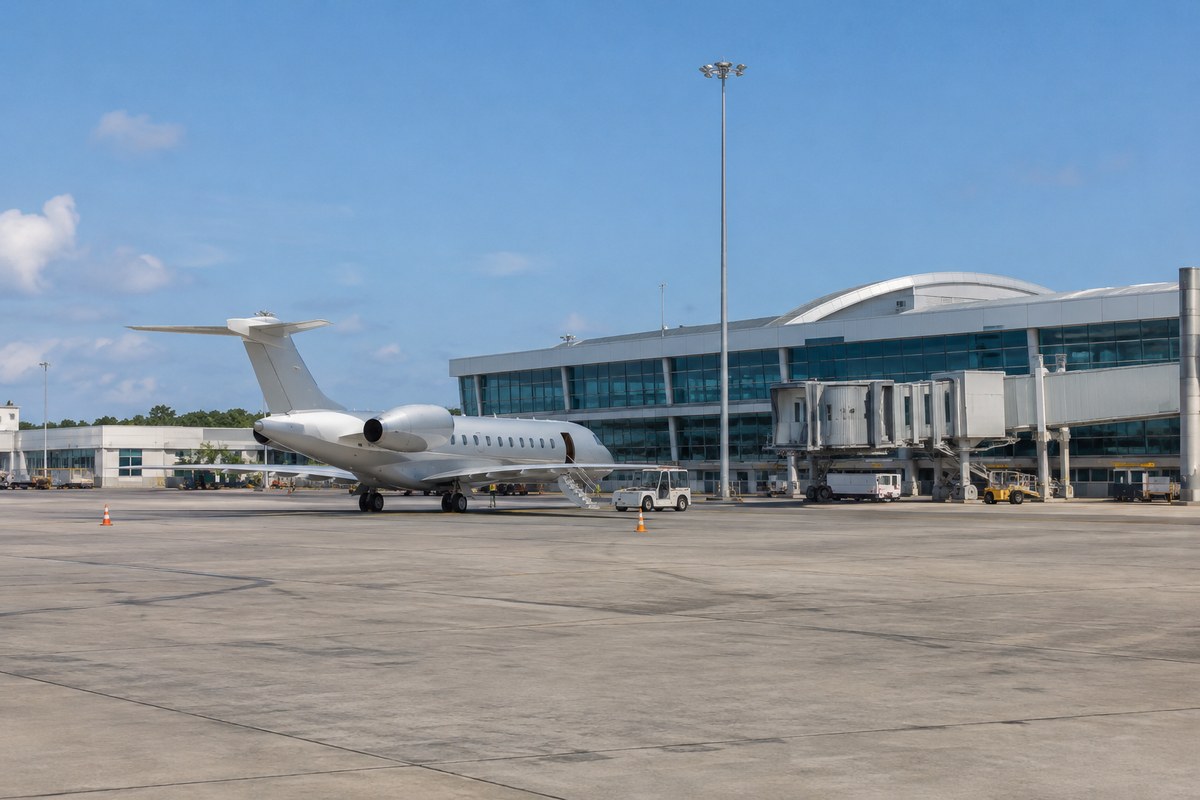
Lynden Pindling International Airport (MYNN) has runways that suit almost every business jet: runway 14/32 is on the order of 11,000 ft, runway 10/28 about 8,300 ft, and field elevation is 16 ft. Published lengths for the longer runway vary across sources (10,925, 11,017, 11,107 and 11,353 ft), a spread attributed to dataset vintage and declared-distance differences rather than any operational change. The main constraint on Nassau trips is documentation, category, permits, fuel release and the onward island runway.
The Bahamas treats private and charter flights differently. A private, non-revenue flight files the C7A Inward Declaration and Cruising Permit for Private Aircraft and needs no landing permit; three copies are required for private arrivals, plus one Immigration Arrival/Departure Card per person, and the stamped C7A should stay aboard for Family Island legs. A charter flight files the C7 General Declaration and requires a charter landing permit. Just Aviation, citing the BCAA AIP, gives the permit lead time as 48 working hours, while a FlightCrew Services community thread gives a different figure, so the published lead time is disputed.
Nassau is not a US preclearance location for business aviation. Although US CBP lists a Nassau Preclearance site, OPSGROUP's 2026 guidance says bizav flights (private or charter) can preclear only at EINN/Shannon and TNCA/Aruba, with Nassau and Freeport listed for scheduled airline flights; AOPA, Stratos Jets, FlyBitLux and The01 Group corroborate. A private or charter flight from Nassau clears CBP at the first US airport of entry, after filing an eAPIS manifest at least 60 minutes before departure from the Bahamas.
FBOs and fuel pricing
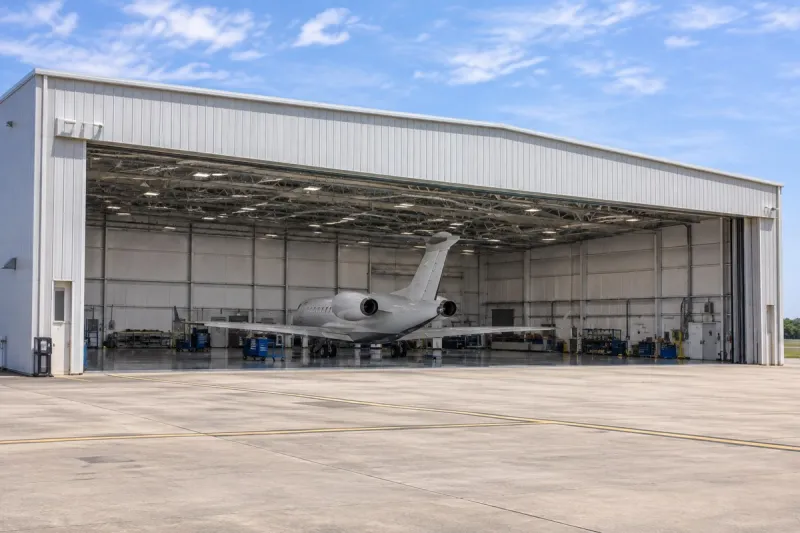
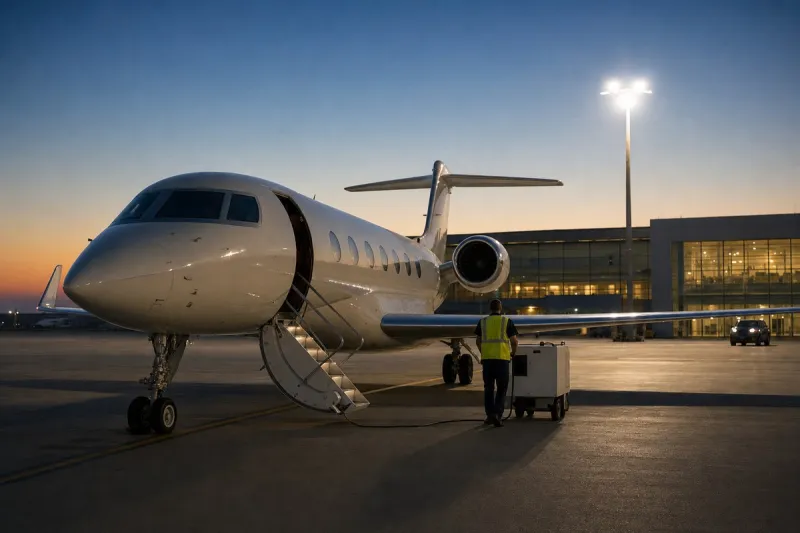
MYNN has two principal FBOs: Odyssey Aviation Nassau and Jet Nassau (formerly Jet Aviation Nassau, rebranded January 2020). Both advertise 24-hour handling, on-site customs, two 25,000 sq ft hangars able to take a G650/GLEX, and a large concrete ramp, with near-identical wording. Their fuel-farm claims differ: Odyssey cites 90,000 gal Jet A-1 and 20,000 gal AvGas; Jet Nassau cites 400,000 gal Jet A1 and 50,000 AvGas. Island Aviation Services, Progressive Aviation Services, LFS trip-support and Blessings Aviation Charter are concierge, maintenance-coordination, trip-support or charter operators.
Fuel prices vary by source. FlightAware member-submitted data of November 24, 2026 shows Odyssey Jet A at $8.15/gal and 100LL at $10.08/gal; data of November 18, 2026 shows Jet Nassau Jet A at $7.85/gal and 100LL at $12.76/gal; AirNav's undated Odyssey listing shows Jet A at $6.578/gal, a roughly 24% spread. A 10% VAT has applied to fuel and non-government fees since January 1, 2022, and quotes do not always state whether it is included. A dated written FBO quote is needed.
Tariffs and shifting fees
The Nassau Airport Development (NAD) tariff is low: landing fees for the first 1–10 landings per month are about $70 for a 10,001–15,000 lb light jet and about $220 for a ~99,600 lb G650-class aircraft, with parking after four hours at $14.76–$177.12 per day by weight band. The tariff PDF is titled "Effective May 1, 2022" with sections dated September 1, 2017, so it is the latest published tariff found rather than confirmed 2026 pricing. A G650-class example (first landing of the month, three nights' parking, eight seats) comes to about $368 NAD before VAT, FBO handling, fuel, BANSA and Customs charges.
BANSA has pursued retroactive air-navigation fee collection back to May 1, 2021, with NBAA warning of increases of nearly 300% to almost 700% by MTOW (CST Flight Services reports 294%–679%); single-engine piston private flights are exempt. A reported BACSWN $775-per-flight overflight/weather-network fee is said to be seeking ICAO approval, while BACSWN's own site says it has published no fee schedule. An Island Airport Development Partners rate card reported for January 1, 2027 at Exuma, North Eleuthera and Governor's Harbour adds $51 facility plus $15 processing per international passenger.
Family Island runway chain
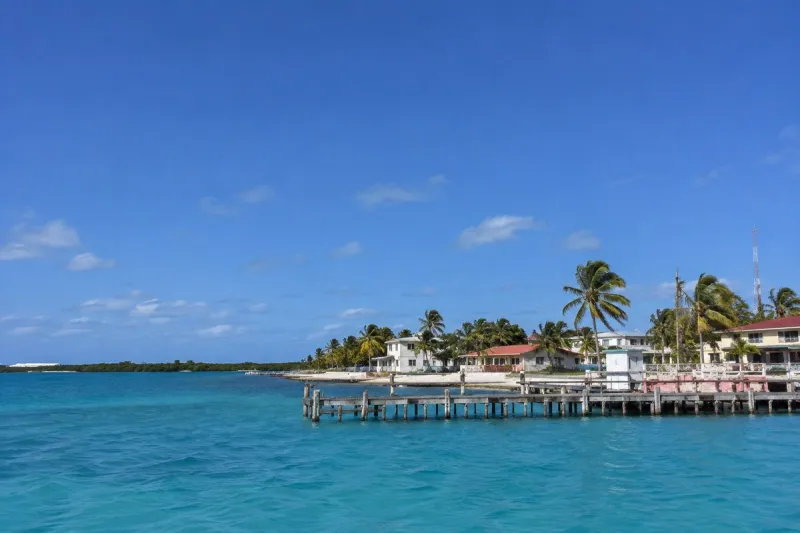
Beyond Nassau, the Family Island runway chain governs aircraft choice. Reported runways include Exuma MYEF (~7,000 ft, sources conflict), Harbour Island MYEH (~6,020 x 100 ft), Governor's Harbour MYEM (~8,024–8,035 ft), Rock Sound MYER (~7,212–7,215 ft), Marsh Harbour MYAM (6,100 x 100 ft) and South Bimini MYBS (5,409–5,600 ft, sources conflict).
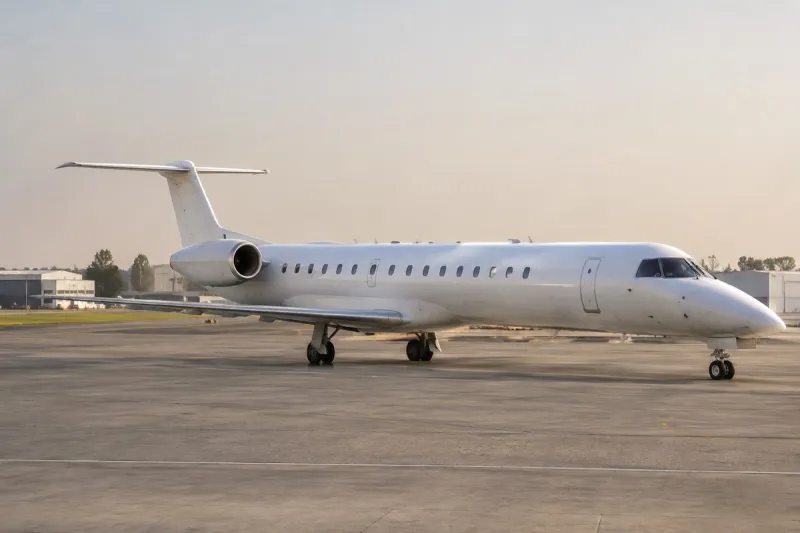
Staniel Cay (MYES) is the hard stop: 3,030 x 75 ft, no fuel, no customs, VFR-only in the sources found, and suited only to turboprops or light jets; midsize and heavy jets cannot operate there. Customs is normally cleared first at MYNN or MYEF.
Industry impact & what to watch
Nassau shows a pattern common to island and offshore business-aviation markets: the hub is physically easy and administratively layered. Because MYNN's runways accommodate nearly any business jet, aircraft capability rarely decides the trip. What decides it is whether the flight is filed as private or charter, whether a charter landing permit is in hand, and whether the aircraft can be fuelled, cleared and then positioned onward to a shorter island strip.
The cost picture is split between a cheap, stable-looking landing tariff and a volatile surround. NAD landing and parking charges are small next to FBO handling, fuel, VAT and the air-navigation charges now being contested. With fuel quotes spanning roughly 24% across sources and BANSA's retroactive collection and the BACSWN fee both unresolved, the total price of a Nassau trip depends on documents few operators can fix in advance.
The Family Island chain adds a second filter, since a single short or unfuelled runway removes midsize and heavy jets from a route that Nassau itself would have accepted. The next milestones are the January 1, 2027 Island Airport Development Partners rate card at Exuma, North Eleuthera and Governor's Harbour, and any ICAO decision on the BACSWN overflight fee.