Gama Aviation Backs Skidded AW169 with Extended Volume Cabin for Future UK HEMS Fleets
Why It MattersThe pitch shows UK air-ambulance fleet decisions being framed around availability, landing-site access and clinical growth within an existing helicopter class, not just headline performance or purchase price.
What happened
Gama Aviation says the skidded Leonardo AW169 with the Extended Volume cabin option merits serious consideration for future UK helicopter emergency medical service (HEMS) fleets. The company describes the variant as an evolutionary step that adds capability within the established AW169 architecture, without moving operators to a larger aircraft class.
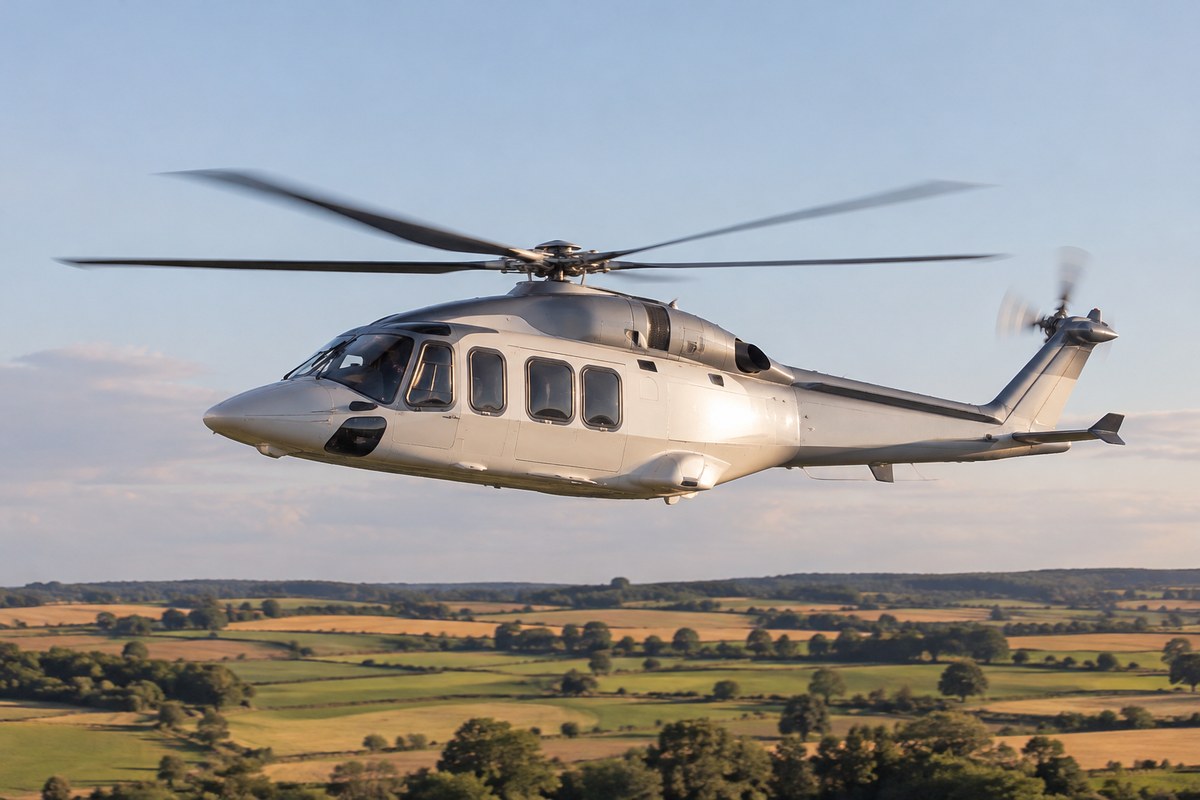
The proposed improvements include a 5,100 kg maximum take-off weight, extended PC1 performance, greater cabin volume, larger windows, an auxiliary fuel option and a retained external footprint. Based on discussions with Leonardo and its technical team, Gama Aviation understands that the variant without the auxiliary fuel tank offers around 250 kg of additional payload, 6.5 m³ of cabin volume, 688 kg of fuel capacity and two hours' endurance. With the modular auxiliary fuel tank fitted, fuel capacity rises to 866 kg and endurance to more than 2.5 hours.
Gama Aviation argues that skidded landing gear suits operations into unprepared terrain, offers practical robustness and may reduce maintenance burden. It sees the largest development opportunity in the cabin, where the reprofiled rear area, increased ambient light, larger windows and rear-bulkhead customisation could support adaptable clinical layouts. It says its design, modification, continuing airworthiness, base maintenance and mission-support experience can help turn that potential into operator-specific HEMS capability.
The company also cites its AW169 defects database, which shows repeat themes across landing gear, main rotor, main rotor drive, navigation and system integration/display items. It believes the skidded gear and wider AW169 development pathway, including the LCR-110 sensor pathway and RNP 0.1 potential, could address known reliability and maintainability pressure points.
Industry impact & what to watch
Gama Aviation frames the case around availability, infrastructure compatibility, clinical growth and protection of charitable investment, not performance or acquisition cost alone. That is a useful lens for HEMS generally: an air ambulance earns its keep through the hours it is ready to fly and the sites it can reach, so an upgrade that keeps the same external footprint avoids pushing operators toward a bigger aircraft class and the changes to bases and landing sites that might come with it.
The argument also shows where a maintenance and modification provider sees its role in this segment. Cabin layout, equipment zoning and medical rails are operator-specific work, and the defects-database claim positions reliability history as a selling point alongside the airframe itself. Whether the skidded gear and the wider development pathway actually ease the repeat defect themes Gama lists is something operators would want to test against their own fleet records.
The payload, volume and endurance figures come from Gama Aviation's understanding of discussions with Leonardo, not from published manufacturer specifications. Confirmation of those numbers by Leonardo would be the most direct way to settle how the variant compares in practice.