BETA Technologies, Surf Air Mobility and Hawaiian Airlines Demonstrate All-Electric ALIA Aircraft at Honolulu Airport
Why It MattersShort interisland routes work as proving grounds where aircraft performance, charging and ground handling are tested together, and locally generated electricity could gradually lessen exposure to imported fuel costs.
What happened
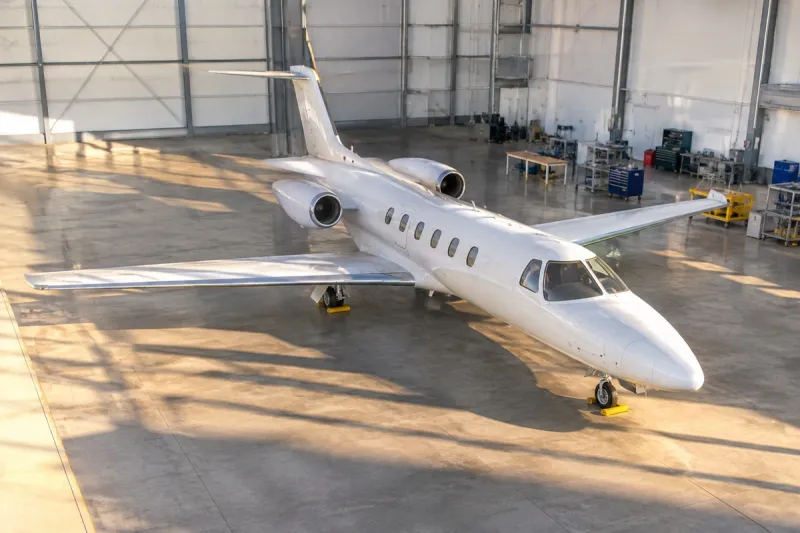
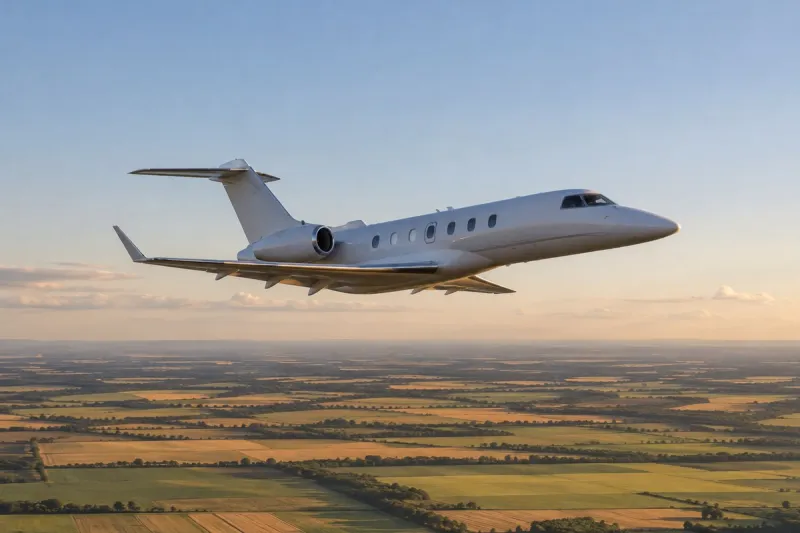
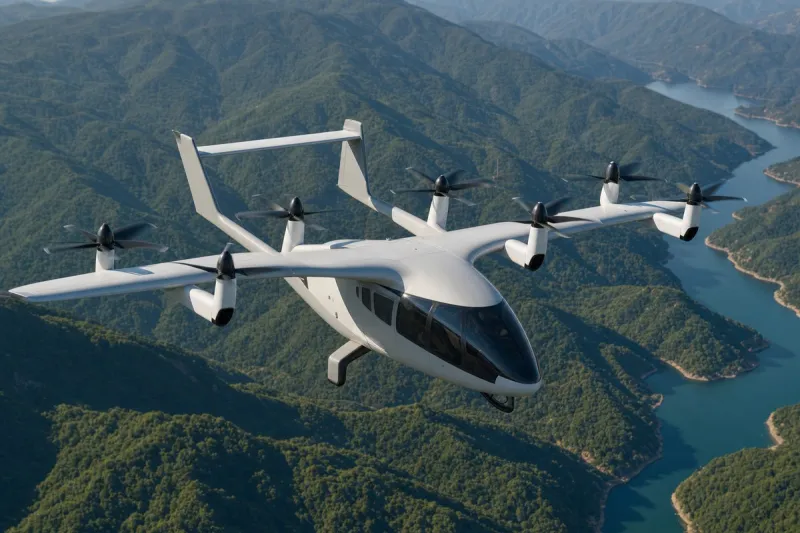
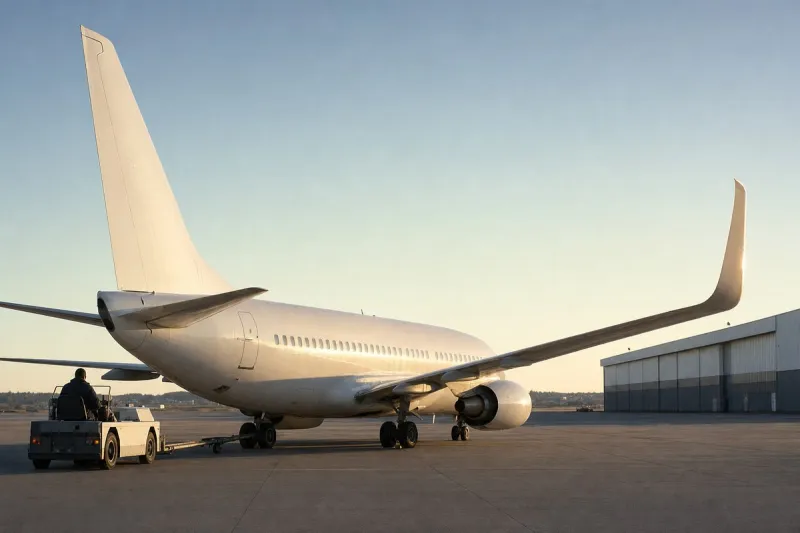
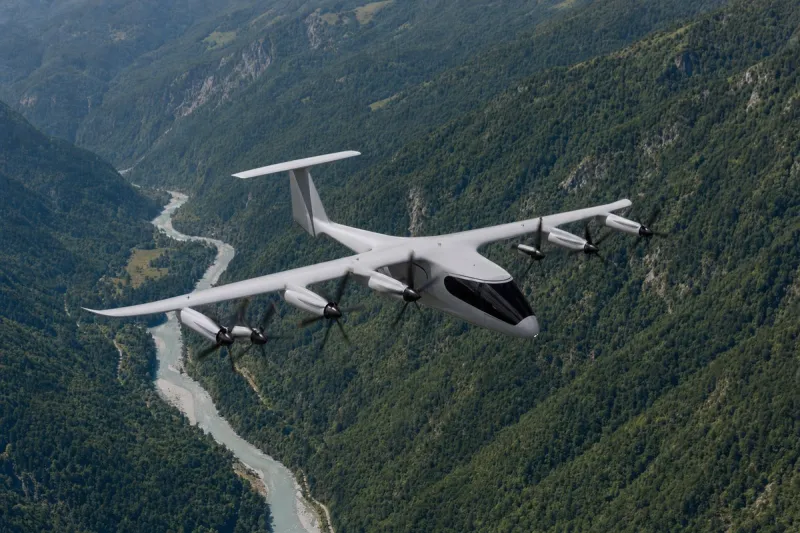
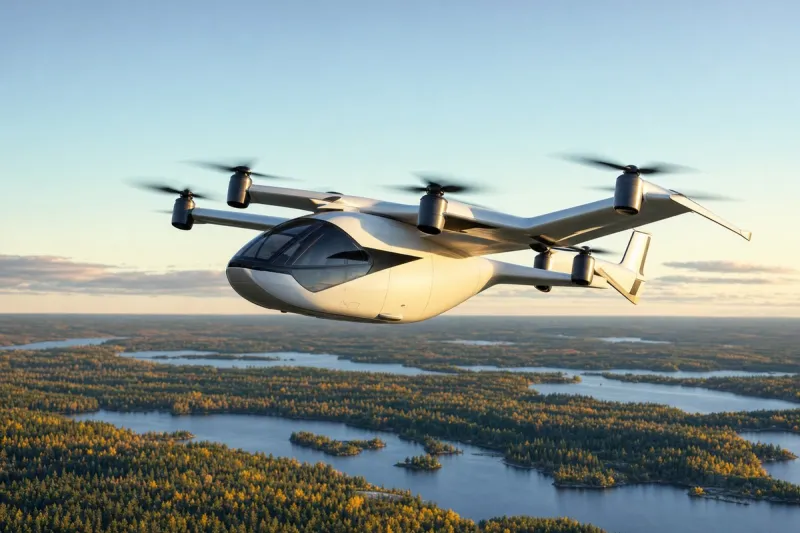
In June, BETA Technologies, Surf Air Mobility and Hawaiian Airlines held an unveiling and demonstration of the all-electric ALIA aircraft at Daniel K. Inouye International Airport in Honolulu. The test was intended to assess how the aircraft could support interisland cargo service and, eventually, passenger service.
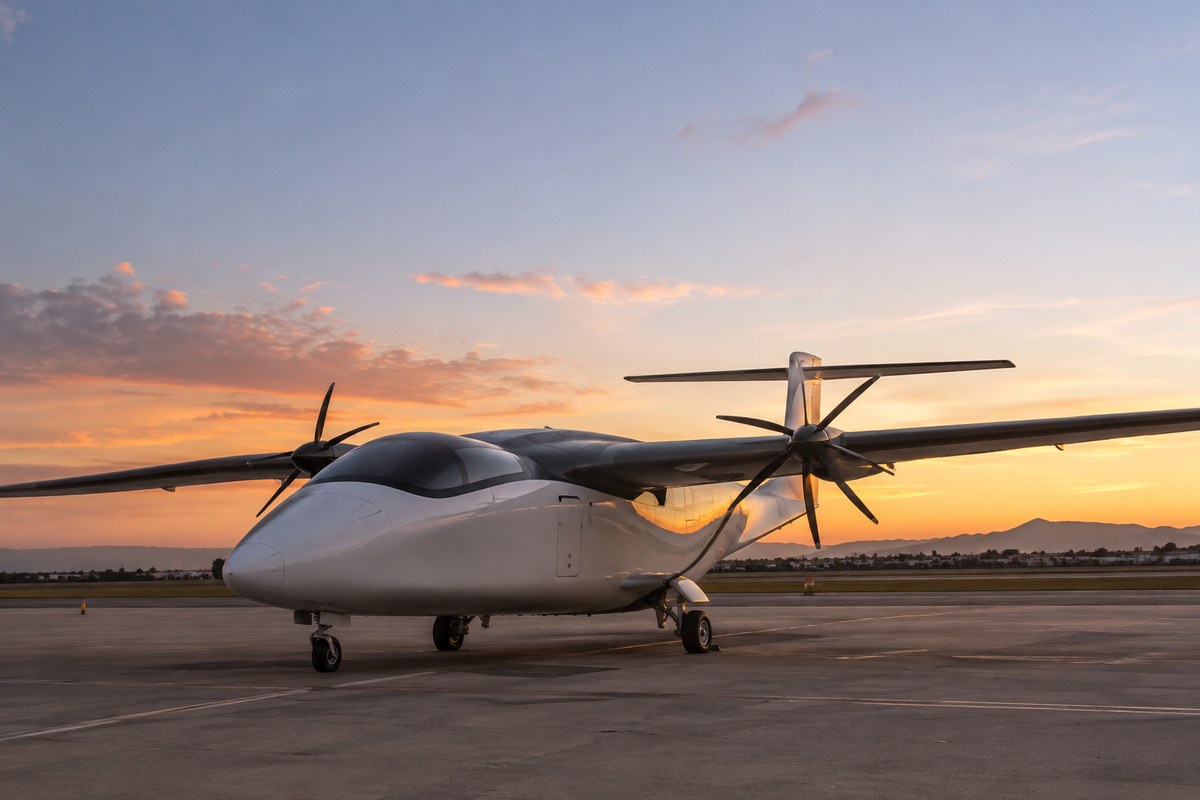
The ALIA is built in Vermont and is designed to carry up to 200 cubic feet of cargo. The demonstration evaluated real-world aircraft performance, operating costs, maintenance, energy use, ground handling and infrastructure needs.
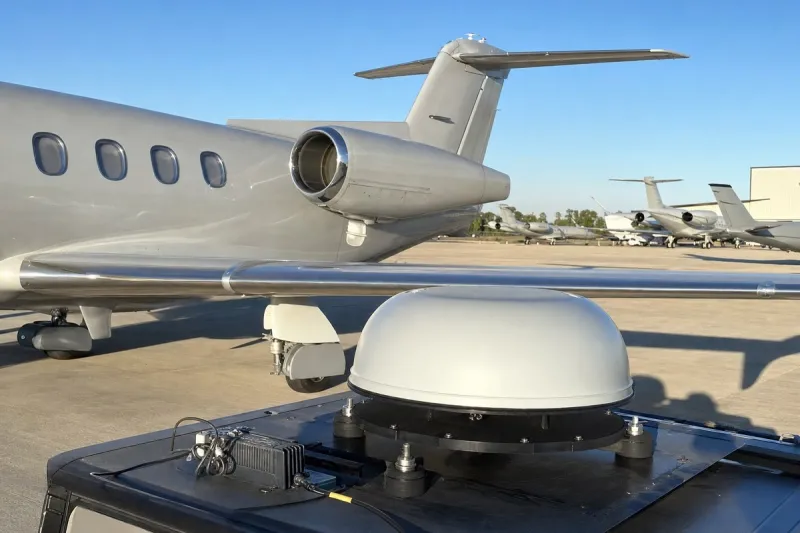
Charging is described as one of the biggest challenges to scaling electric transportation. BETA's current solution includes the Mini Cube, a mobile charging unit that works like a large, powerful extension cord to top off the aircraft's power while more permanent electric infrastructure goes through development.
The account, written from a Hawaiian Electric perspective, places the demonstration alongside earlier electric-flight efforts in Hawaii. The Solar Impulse, a solar-and-storage electric airplane, arrived in Honolulu in 2015. Ampaire's hybrid-electric Electric EEL flew demonstration flights from Kahului to Hana on Maui in 2020.
Industry impact & what to watch
Electric aviation has to prove itself as a system, not just as an airframe. The Honolulu test covered performance, operating cost, maintenance, energy use, ground handling and infrastructure together, which reflects how a route only becomes viable when aircraft, charging and handling are planned jointly. The account itself frames electric flight as requiring coordinated investment across aircraft, charging and the grid.
Short interisland routes suit that kind of trial. Locally produced electricity could reduce exposure to imported fuel costs over time, and from the utility's standpoint, added daytime charging load spreads a largely fixed grid cost over more electricity sold, which puts downward pressure on the cost per unit.
The mobile Mini Cube is a stopgap while permanent electric infrastructure goes through development, so the pace of that permanent build-out is the milestone the account itself leaves pending. Cargo is positioned as the first service, with passenger operations described only as an eventual step.