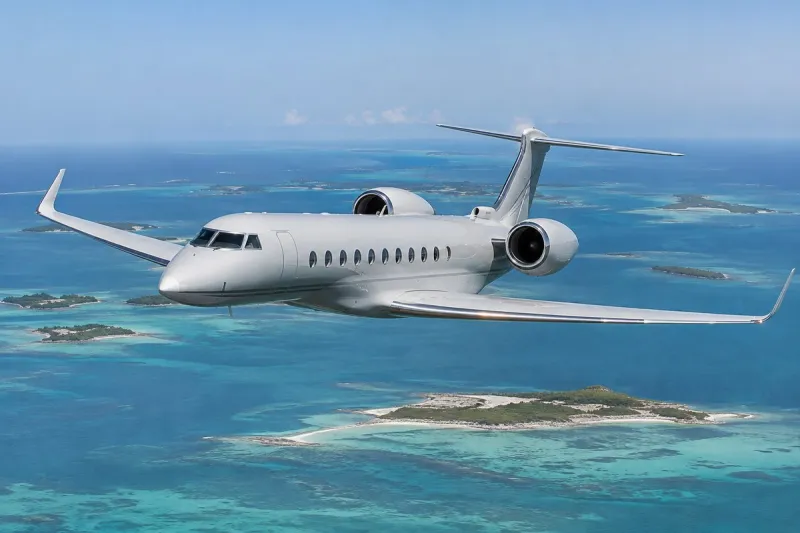
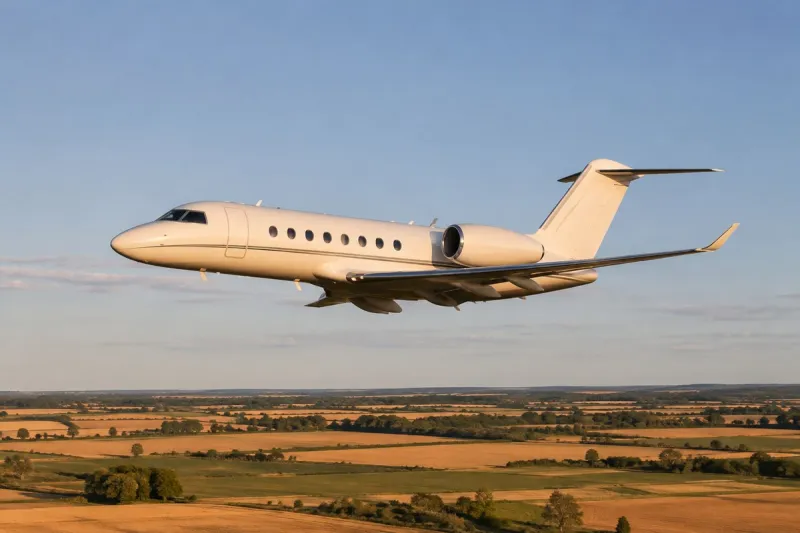
Honda Aircraft's Hideto Yamasaki Cites Supplier Strain for Elite II Delivery Cut and Echelon Delay to 2028
Why It MattersBoth the Elite II cut and the Echelon delay trace to supplier strain, showing how a small manufacturer competing with military demand for the same suppliers can see schedules slip.
What happened
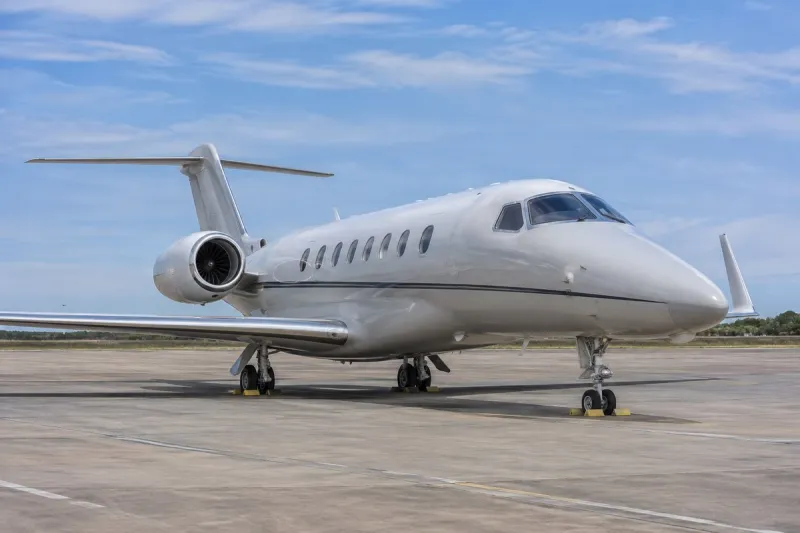
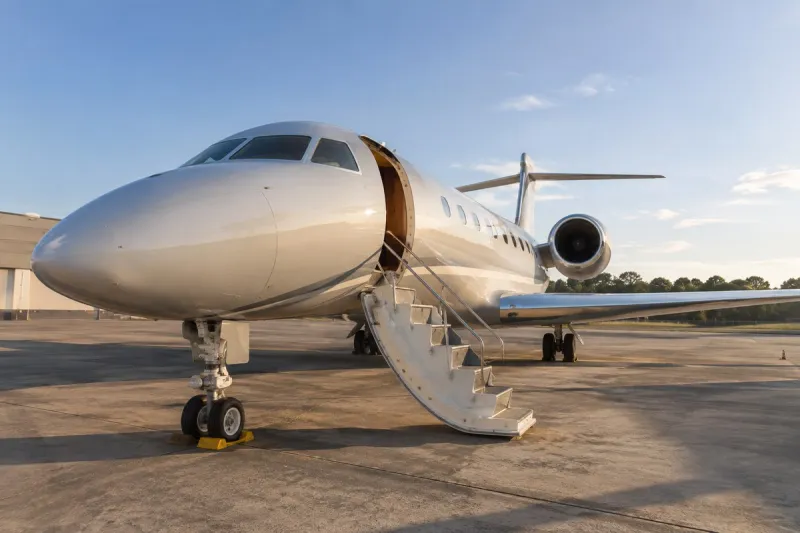
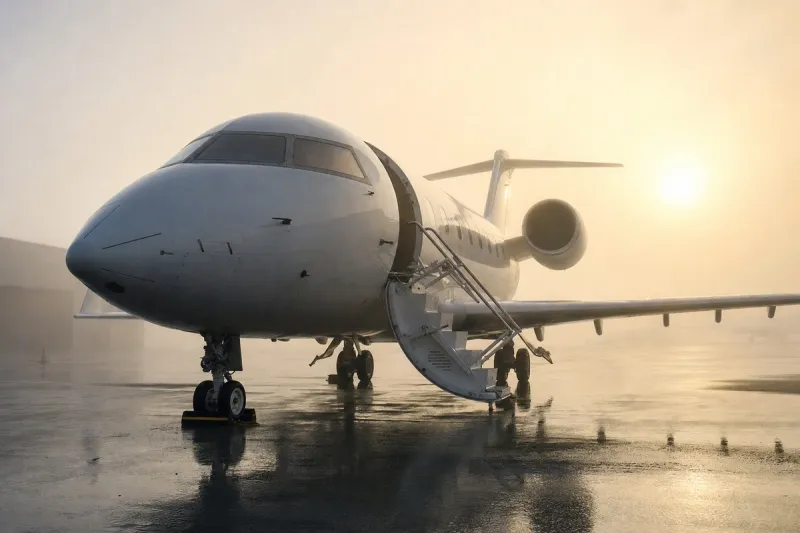
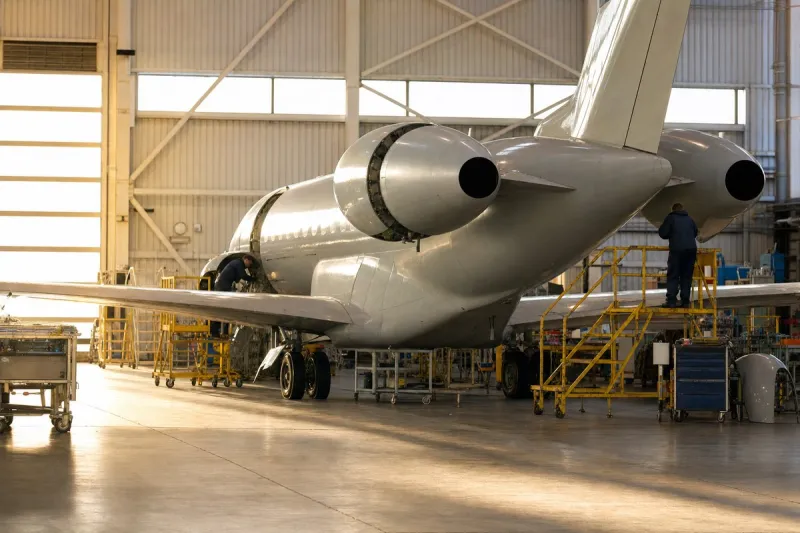
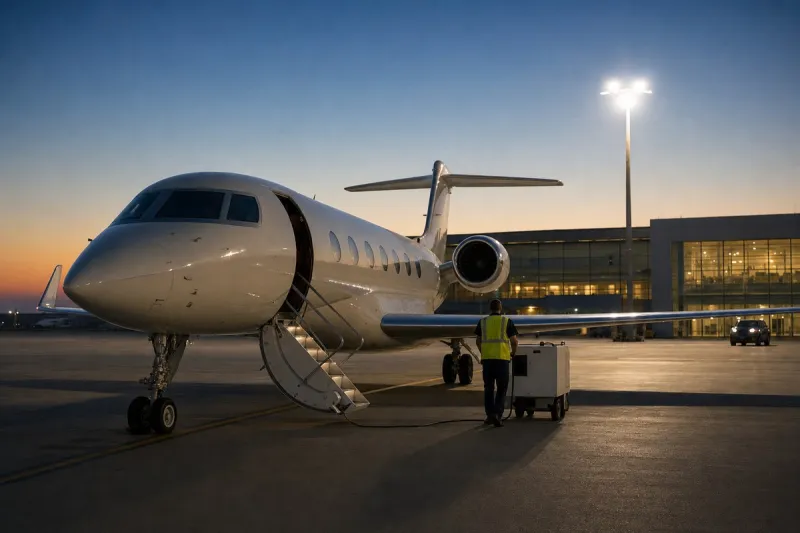
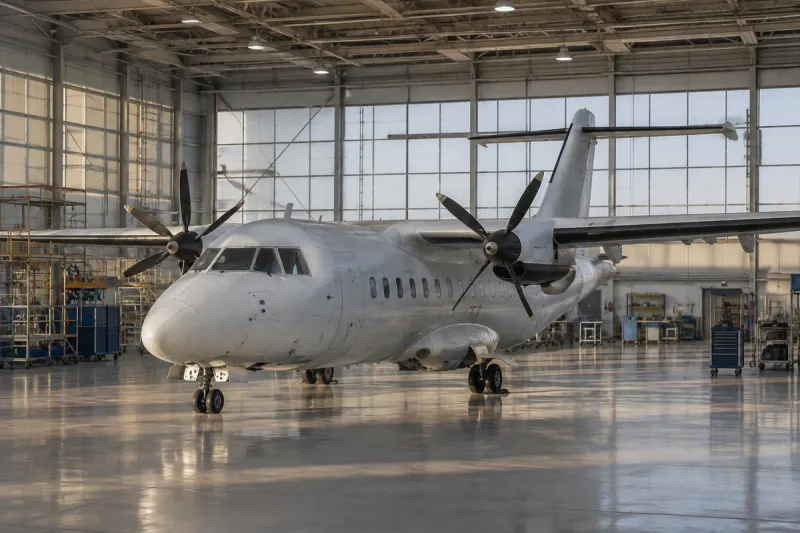
Hideto Yamasaki of Honda Aircraft Company said the company has cut 2026 Elite II deliveries to 15 or 16 aircraft, down from a steady state of more than 20. He attributed the reduction to one of its major suppliers having difficulty in its supply chain.
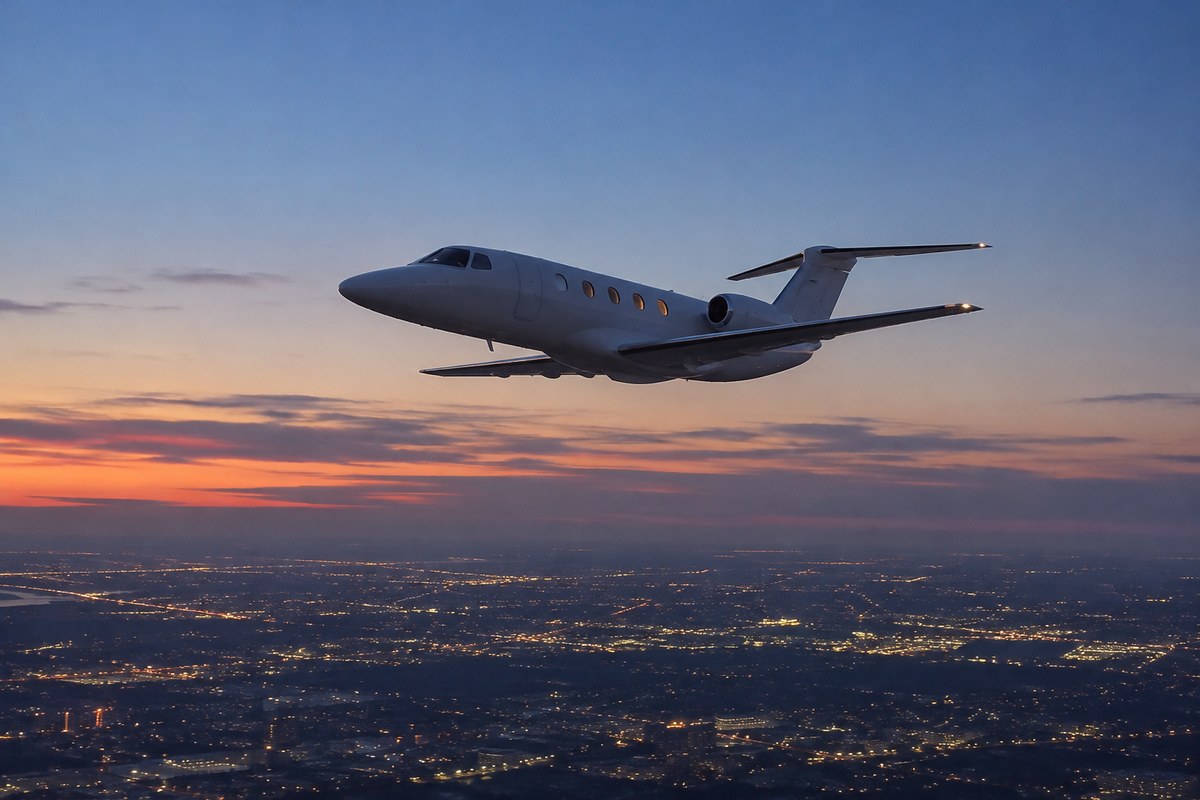
Yamasaki traced the problem back to COVID, when many suppliers halted operations and have struggled to return to prior levels. He said that strain weighs more heavily on a smaller company such as Honda Aircraft, and that strong military demand from conflicts worldwide has multiplied the burden on commercial aerospace. Smaller commercial customers, he added, have less pull than larger ones.
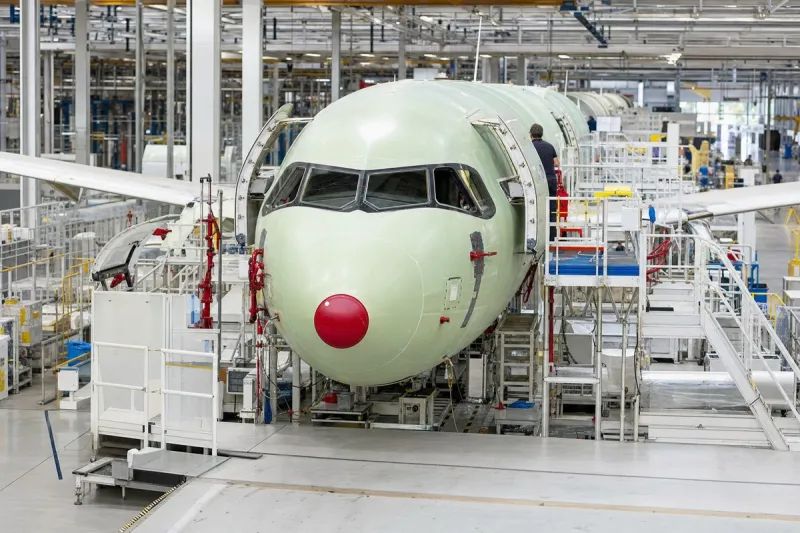
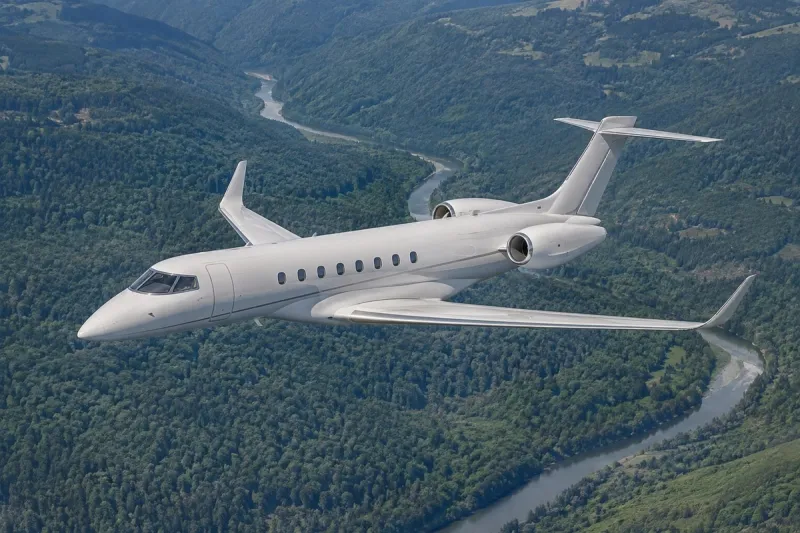
On the Echelon programme, Yamasaki said the first wing was completed, though even that was pushed back slightly. One of the big tier-one suppliers had technical and commercial difficulties, which led Honda Aircraft to renegotiate timing. He said safety requires real confirmation of every step, so the company concluded the supplier would not be ready in the original phase and announced a revised schedule: first flight in 2028, type certification by the end of 2030, and customer deliveries from 2031.
Yamasaki described the Elite II's Emergency Autoland and autothrottle as the last major step in the HondaJet's ten-year evolution, with ROAAS perhaps the only item left on the list; the company partners with Garmin on avionics. Honda Aircraft currently has about 900 associates in Greensboro, very few strictly on Echelon so far. It plans to hire more in the coming months and expects to add higher double digits, not triple digits, by 2027.
Parent company and sustainability
Yamasaki said parent Honda's buying power and automotive manufacturing efficiency help the aircraft business, citing roughly 30 million engines produced at peak. Aviation, he noted, imposes stricter regulation-based safety standards.
He said Honda Aircraft supports Honda's net-zero-by-2050 goal. By his account the HondaJet is about 20% more efficient than a typical light jet and about 40% more efficient than the midsize jets it can cover. He said Honda researches eVTOL and collaborates with that team on research, and called electrification the game changer.
Industry impact & what to watch
The two schedule changes share one stated cause: dependence on suppliers whose capacity has not fully recovered since COVID. For a smaller airframer, that exposure is sharper because military demand competes for the same supply base and a modest-volume commercial customer carries less weight in allocation. The Elite II cut and the Echelon slip are two outcomes of the same constraint, one hitting current production and the other a future programme.
The Echelon timeline also illustrates how certification-driven programmes absorb supplier problems. Yamasaki framed the decision as one of safety, requiring confirmation of every step, which means a tier-one supplier that is not ready pushes the whole sequence rather than allowing parallel work to continue. Renegotiating the supplier's timing was the chosen route over proceeding on the original phase.
The dates now on the record are the milestones to follow: first flight in 2028, type certification by the end of 2030, and deliveries from 2031. Hiring is the nearer marker, with higher double digits of additional staff expected by 2027.