Deutsche Aircraft's D328eco Targets Africa, a Turboprop Market Already Served by ATR and De Havilland
Why It MattersAfrican turboprop demand is established and supplied; the contest turns on financing, spares support, residual values and fleet commonality, which often make used aircraft the more rational purchase.
What happened
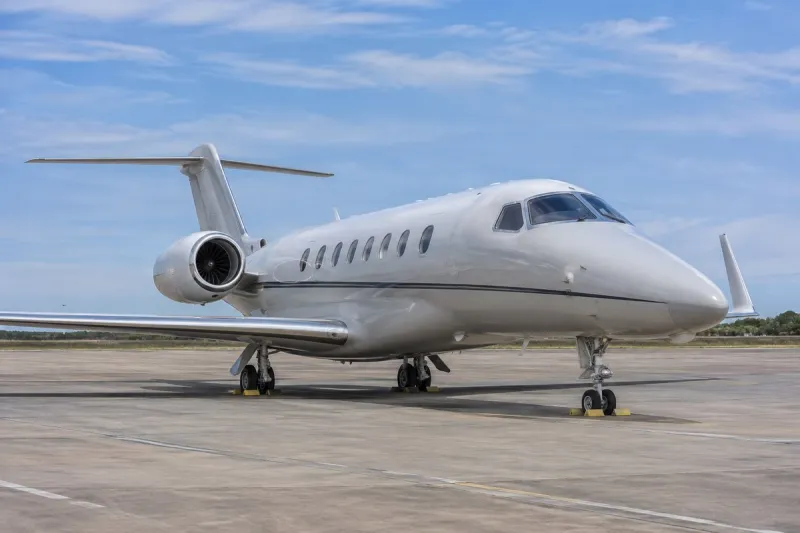
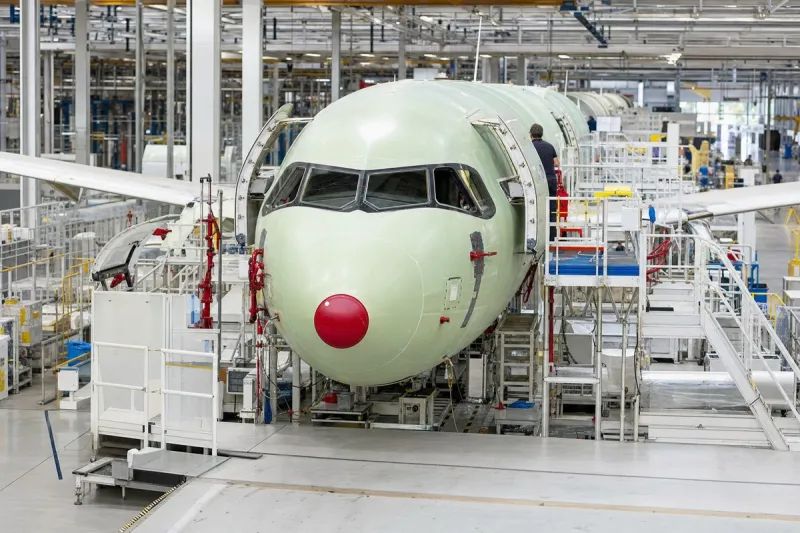
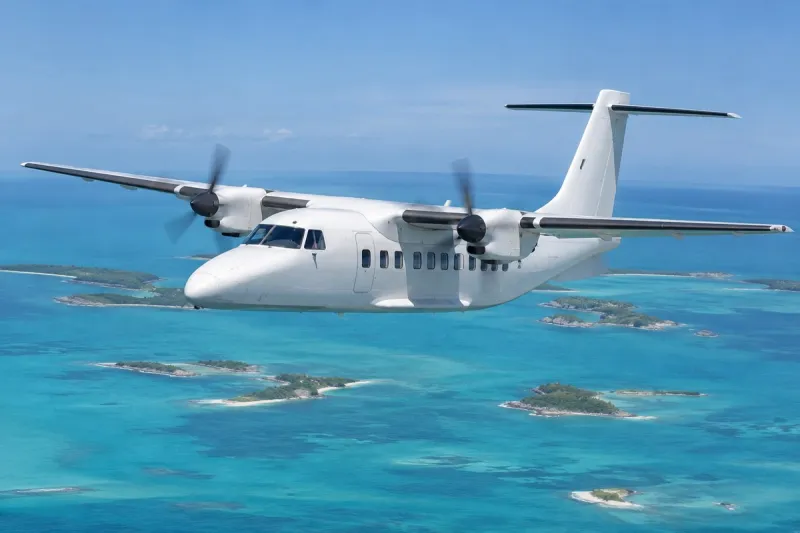
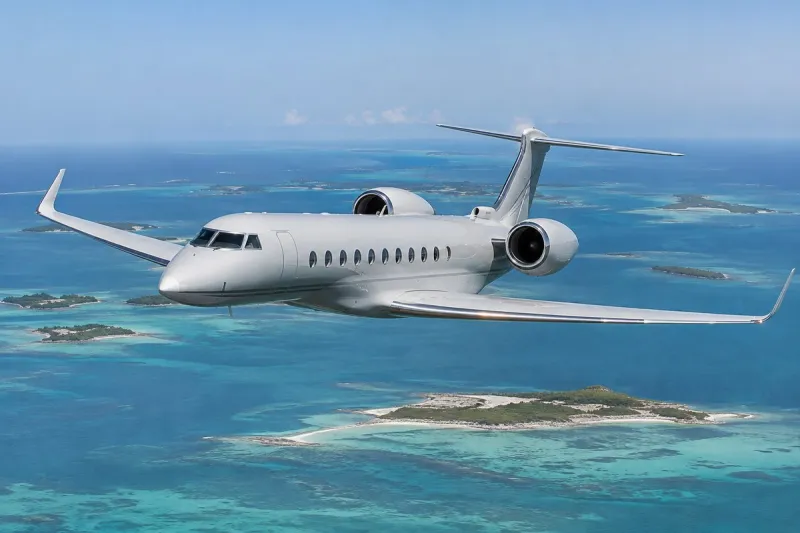
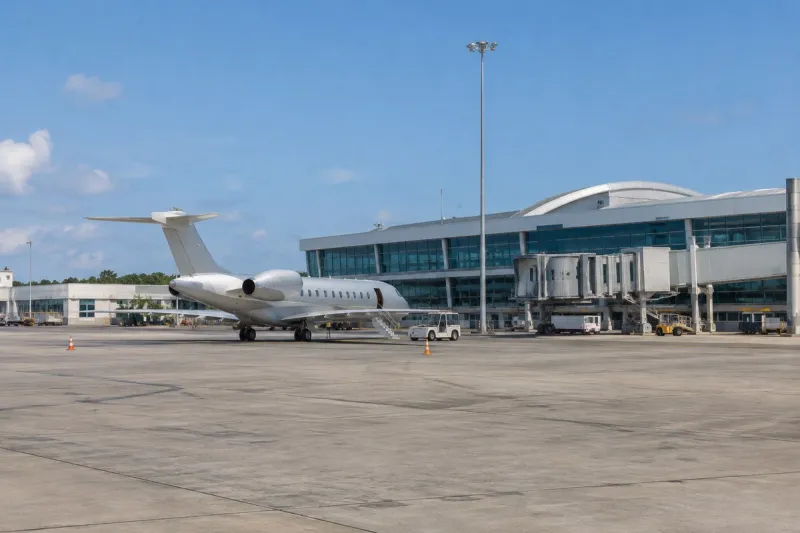
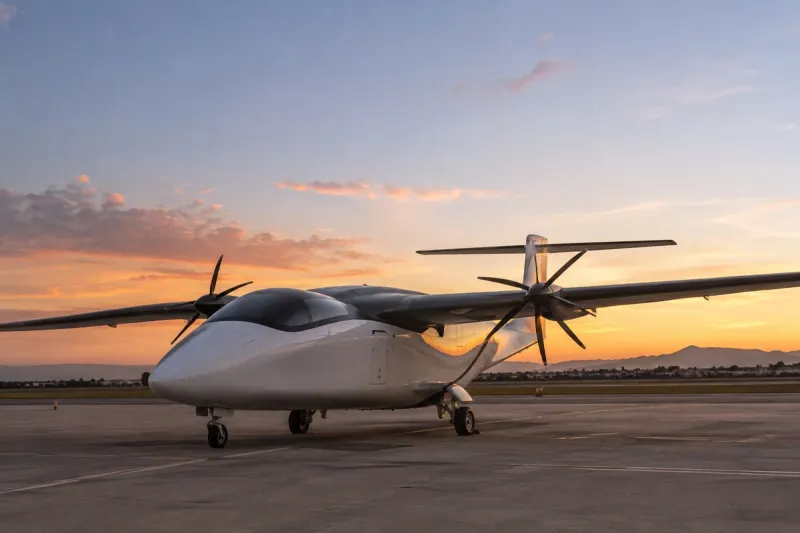
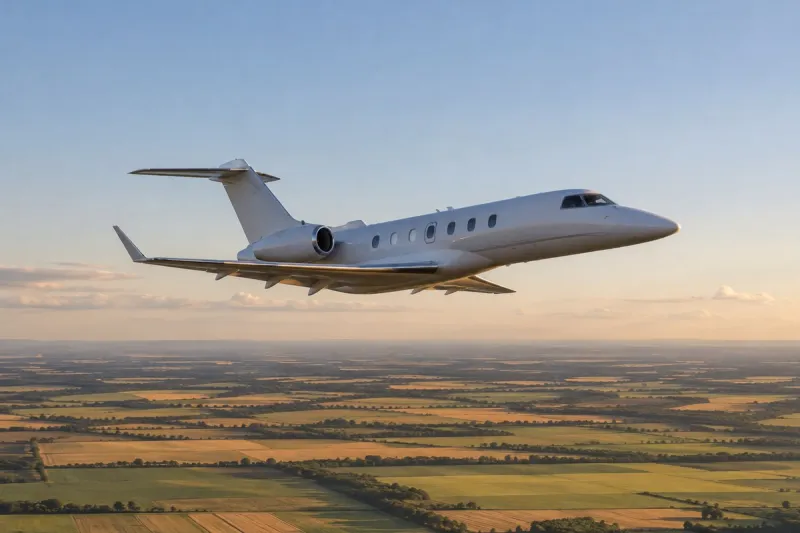
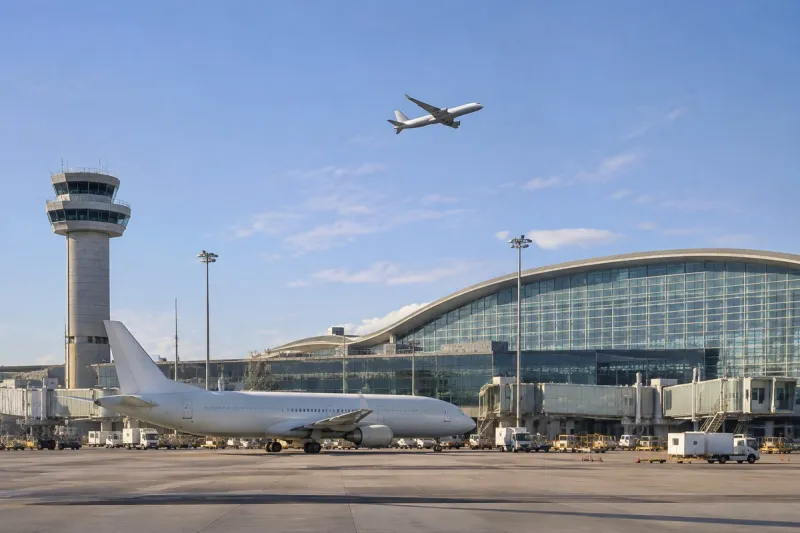
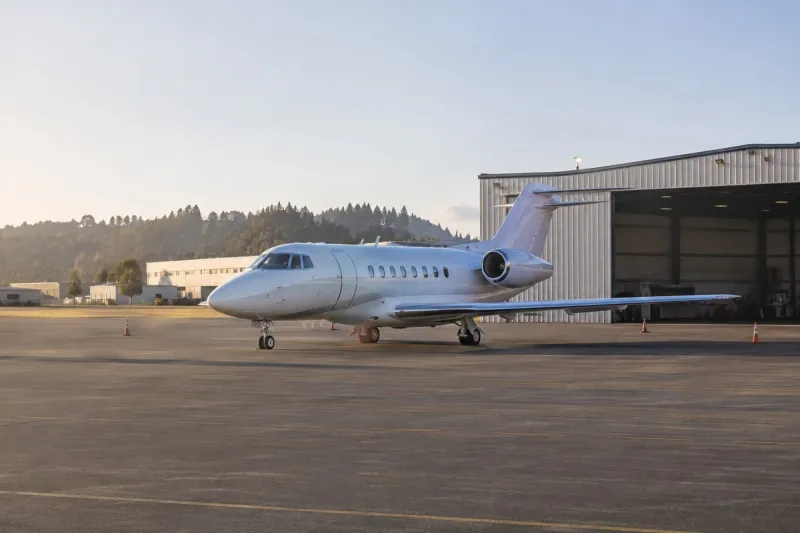
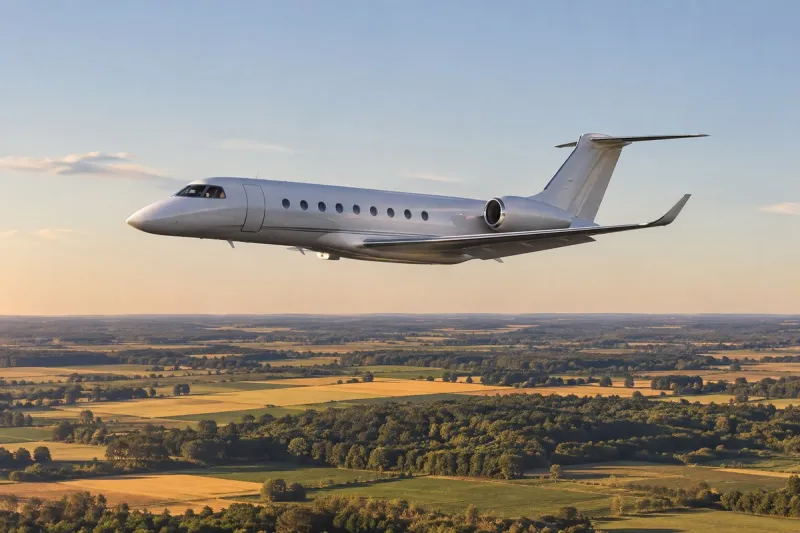
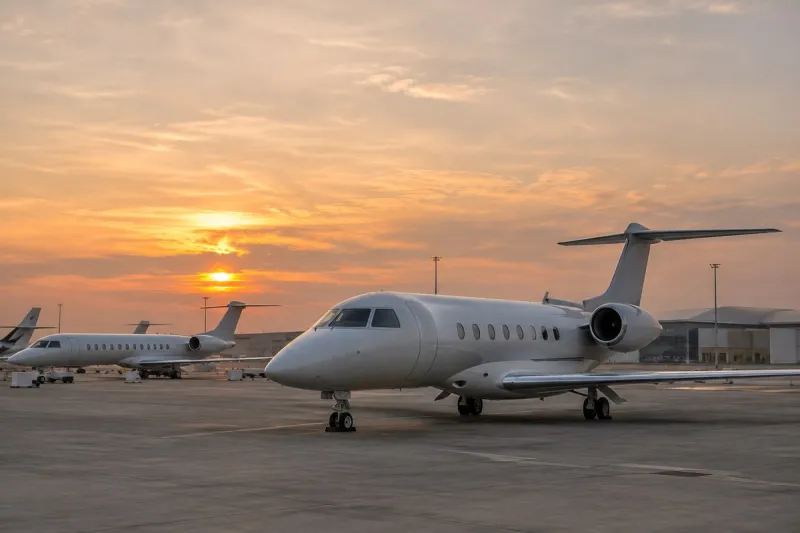
Deutsche Aircraft opened a new final assembly line for the D328eco at Leipzig/Halle Airport in September 2026. The D328eco is a modernised 40-seat turboprop with new Pratt & Whitney Canada PW127XT-S engines and updated avionics, intended to cut operating and maintenance costs and to serve short runways and underserved regional routes. Deutsche Aircraft has identified Africa as one of its most promising markets.
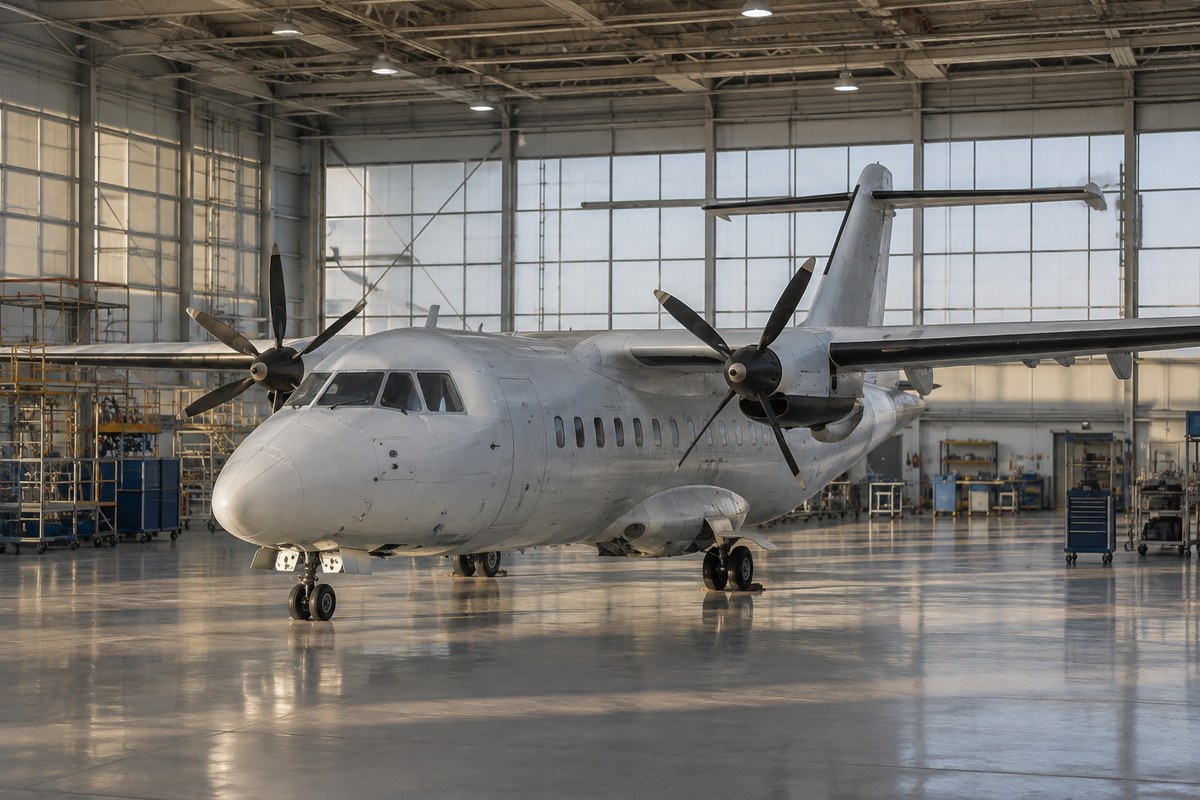
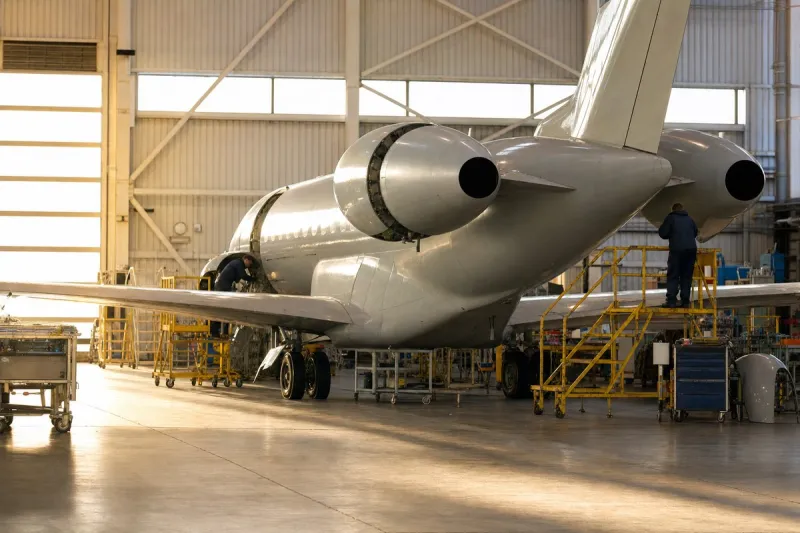
The design descends from the original Dornier 328, which first flew in December 1991 and entered service in 1993 with about 30 to 33 seats. Its production run was modest, the jet-powered 328JET derivative ran into commercial difficulties, and serial production effectively ended with the collapse of Fairchild Dornier in 2002. The type was never a major presence in Africa, finding some use in Nigeria, southern Africa and government or specialist operations.
The African market already has established suppliers. ATR reported more than 120 aircraft operating in Africa in 2025, with fleet growth of nearly 30 percent over three years. De Havilland Canada reports an African installed base above 155 Dash 8 aircraft, including more than 90 Dash 8-400s, though that figure is not tied to the same date. In 2025 ATR recorded 50 net orders and delivered 32 aircraft, with African business including a new ATR 42-600 for FlyGabon and a large ATR 72-600 order from Air Algérie. Kenya's Jambojet builds its model around the Dash 8-400.
Industry impact & what to watch
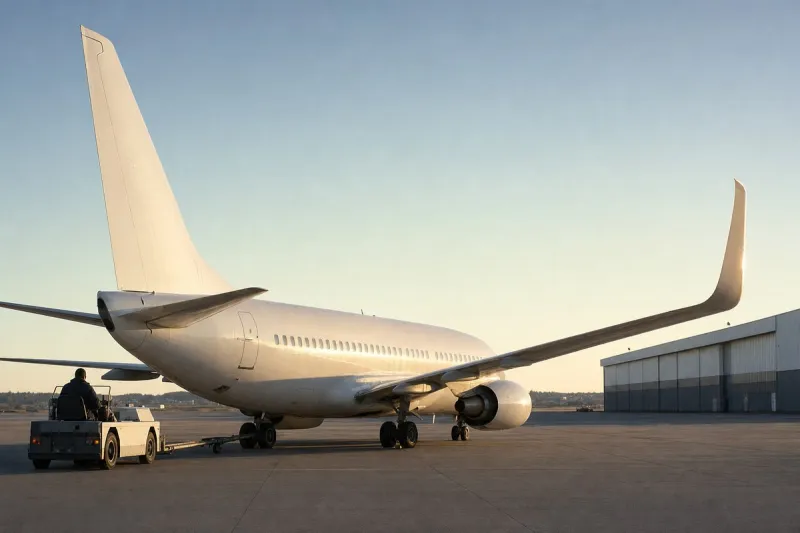
Africa's need for turboprops is not in question. The open question is whether African airlines can afford new aircraft, and that turns on financing constraints, maintenance support, spare parts, residual values and fleet commonality. Taken together, these factors often make a used aircraft the more rational purchase for a carrier on thin regional margins.
For a newcomer, that shifts the contest away from the airframe itself. ATR and De Havilland Canada already field large African fleets and the support networks that go with them, so a 40-seat type entering from Leipzig/Halle has to compete on how it is financed and supported as much as on operating cost.
The measure of progress will be which African carriers commit to the D328eco and how those purchases are financed and supported.