U.S. Aviation Leaders Link Airspace Modernization to Resilience, Safety and New Aircraft at Washington Summit
Why It MattersThe debate shows modernization is judged on whether networks survive a single failure, so certification, airport capacity and workforce become linked constraints on how quickly new aircraft and services enter the system.
What happened
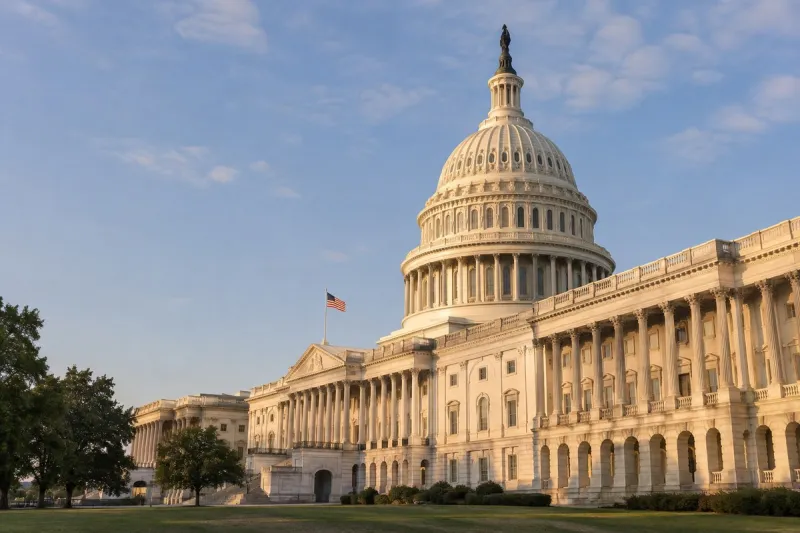
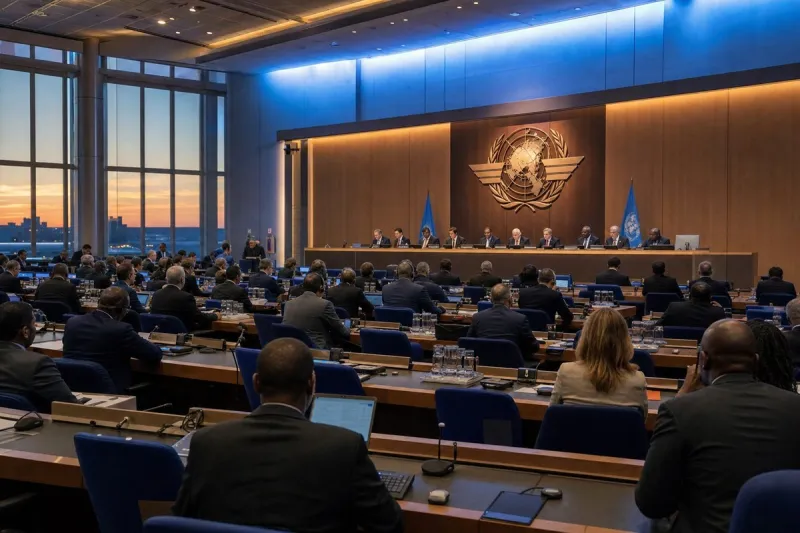
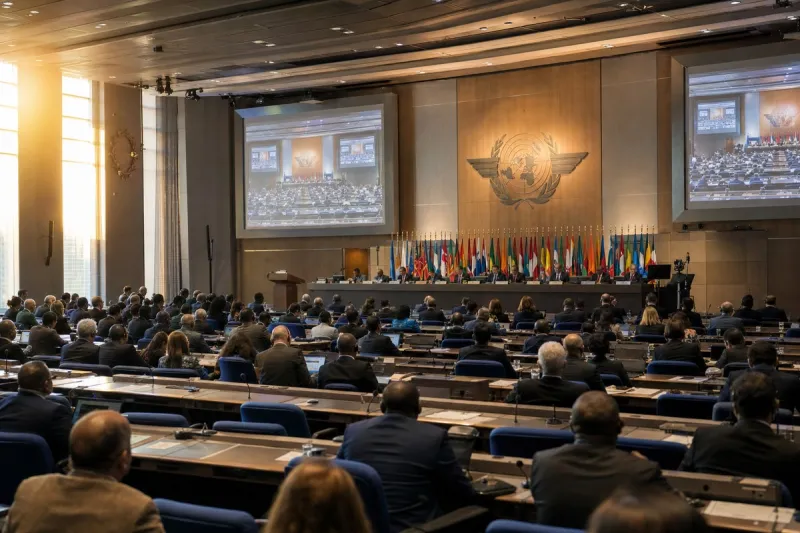
The second annual American Aviation Leadership Summit took place in Washington, D.C., shortly after a nationwide ground stop paused departures and disrupted air travel across the United States. Jim Currier, president and CEO of Honeywell Aerospace, told attendees that technologies change but responsibility does not, and that safety always comes first.

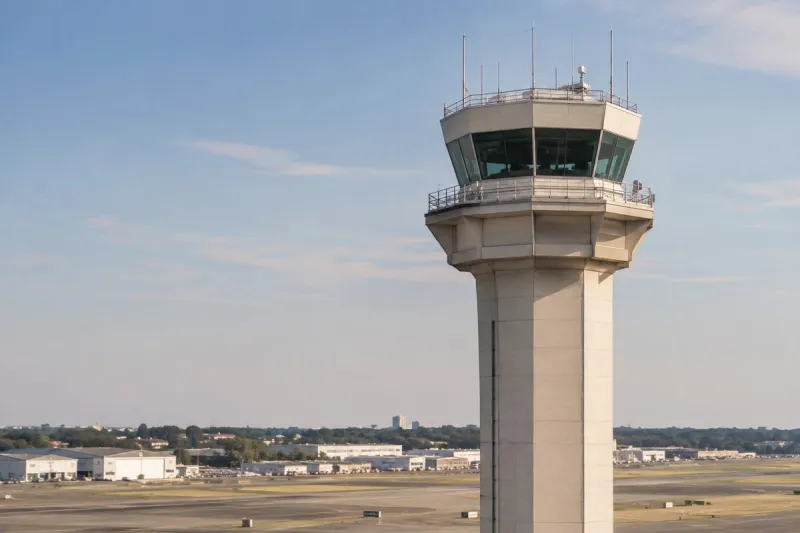
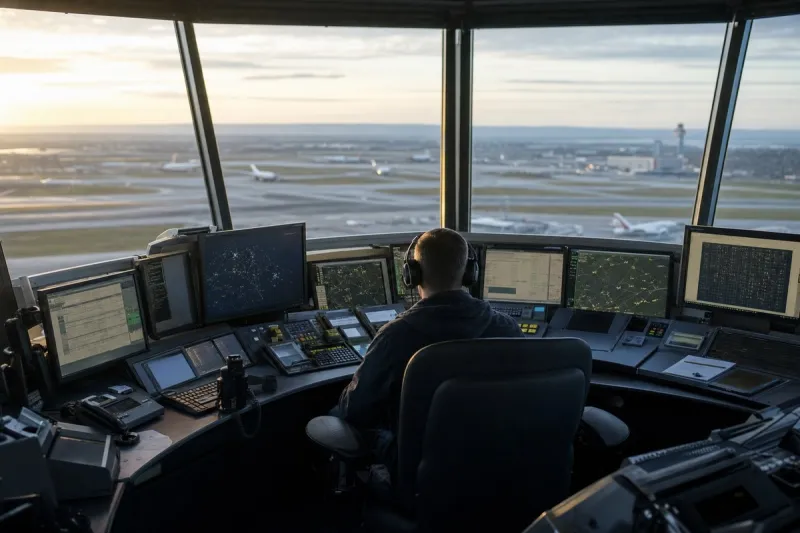
Speakers said the ground stop put aging communications and surveillance equipment at the center of the airspace modernization debate. U.S. Department of Transportation Undersecretary for Policy Ryan McCormack said replacing equipment is not enough: a new fiber line routed along the same path as the old one could remain vulnerable to the same disruption, so more redundancy and resiliency are needed. He cited incidents at Newark and Dallas in which a severed line led to a ground stop at the airport. Participants also said airport capacity must keep pace with air traffic upgrades.
On certification, discussions pointed to real-world test data, standards focused on what an aircraft can safely do rather than how it must be designed, and early engagement between manufacturers and regulators. A practical challenge raised was how reviews can keep pace when software changes faster than aircraft hardware. The proposed Part 108 framework for drone operations was presented as a potential path beyond case-by-case waivers, though operators and regulators would still need shared technical standards. Margaret Nagle, Chief Government and Aviation Officer of Wing, also spoke on lessons from drone operations.
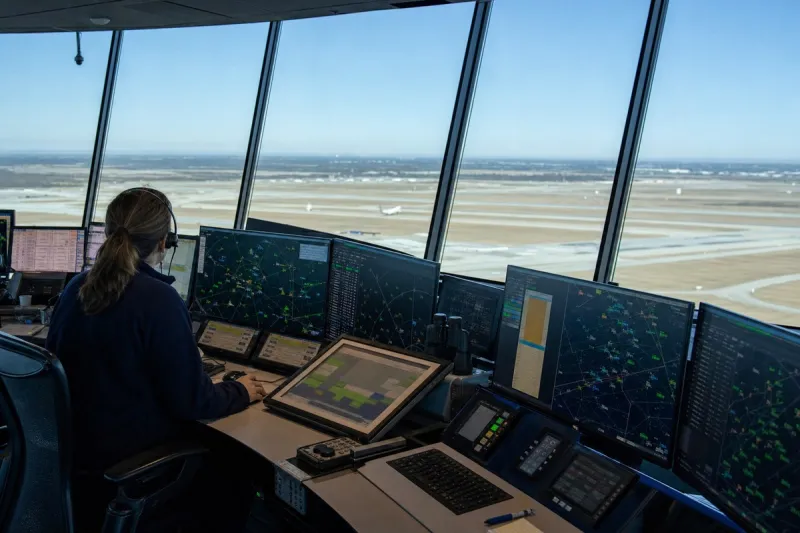
Speakers also stressed workforce and supply-chain needs, including controller staffing and training, apprenticeships and technical education, and dependable domestic sources of parts and materials. Community engagement, such as explaining new services to residents and addressing noise and privacy concerns, was cited as another lesson.
NTSB Chairwoman Jennifer Homendy, in her keynote, recalled that investigators called for collision-avoidance technology after a 1969 midair collision, saying recommendations alone do not make aviation safer. The discussion of the Reagan National collision underscored the importance of acting on accident-investigation findings.
Industry impact & what to watch
The summit framed modernization as a question of network design, not just equipment age. A single severed line producing an airport-wide ground stop, as cited at Newark and Dallas, shows how concentrated failure points translate directly into schedule disruption for every segment that depends on the system, business aviation included.
The same logic extends to new entrants. Advanced aircraft and drone services depend on certification approaches that can absorb fast-moving software, and on shared technical standards between operators and regulators. Capacity on the ground and in the control room has to rise alongside, since airspace upgrades do little if airports and controller staffing cannot absorb the traffic.
The proposed Part 108 framework for drone operations is the pending item the speakers pointed to, as a possible route beyond case-by-case waivers.