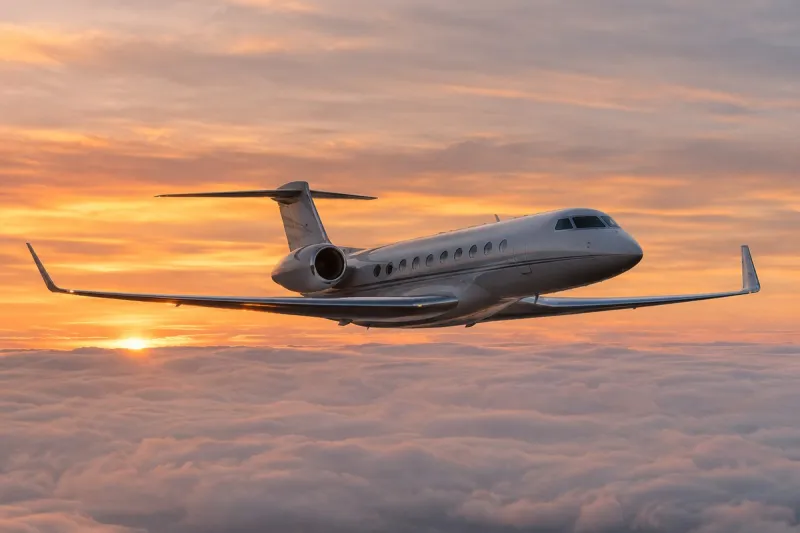
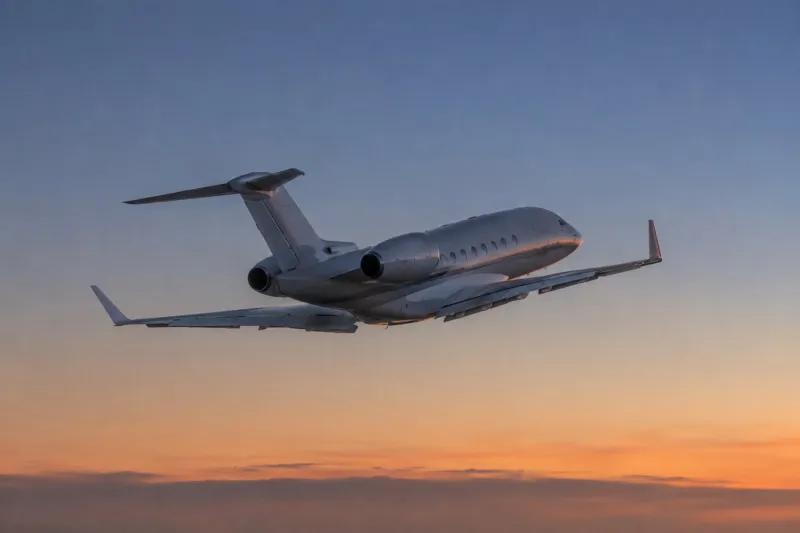
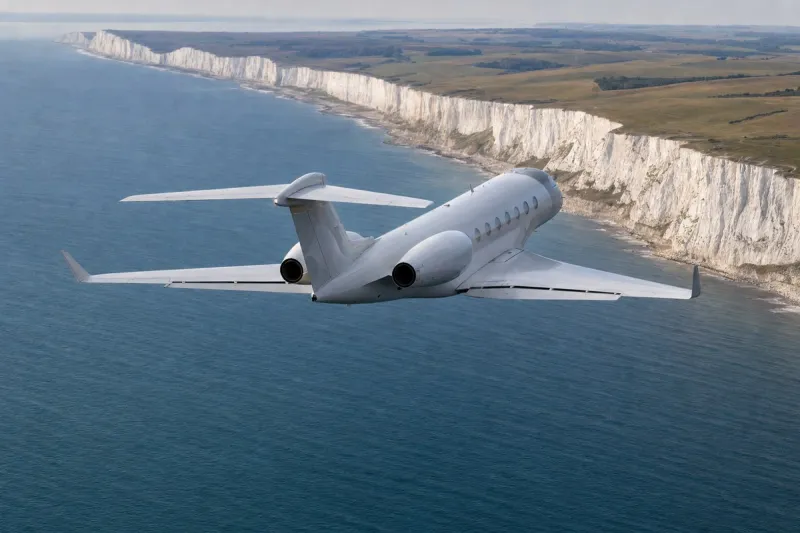
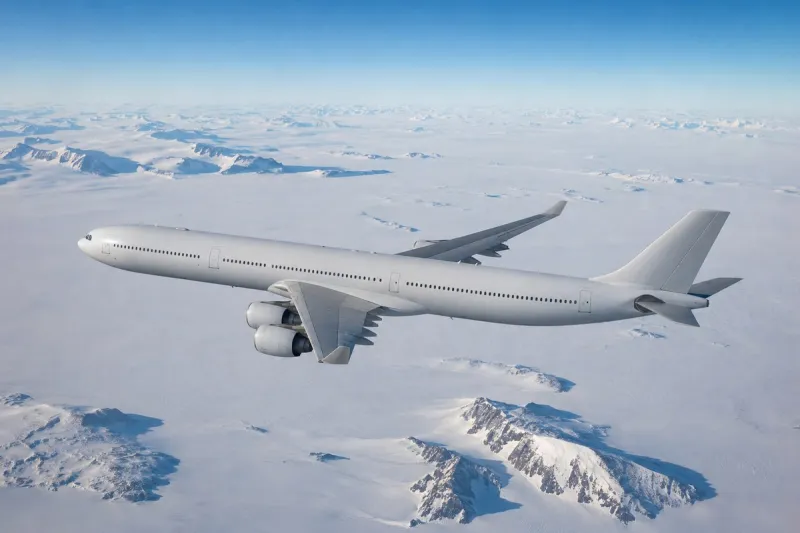
Michael Bloomberg's Falcon 900LX N47EG Flies 35 nm from Newark to LaGuardia in 25 Minutes
Why It MattersVery short repositioning hops between Newark and LaGuardia show how a long-range business jet's fuel and emissions bill can far exceed its trip value, a visibility problem for private aviation's sustainability case.
What happened
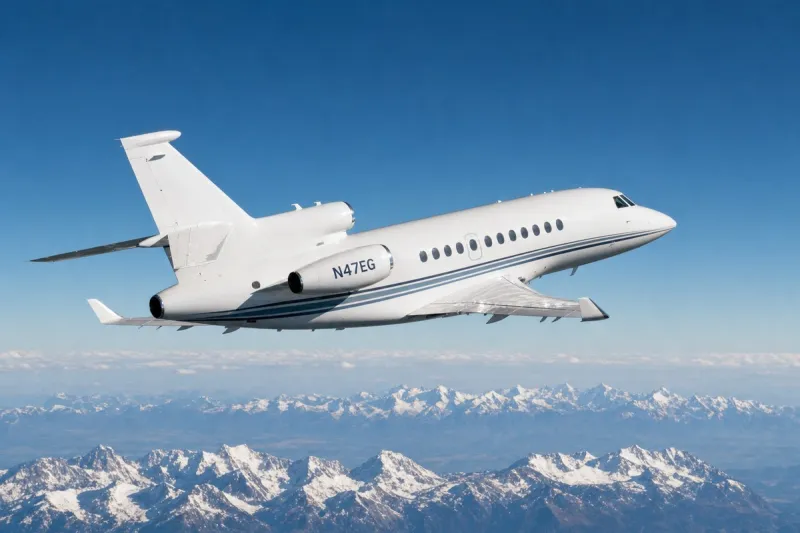
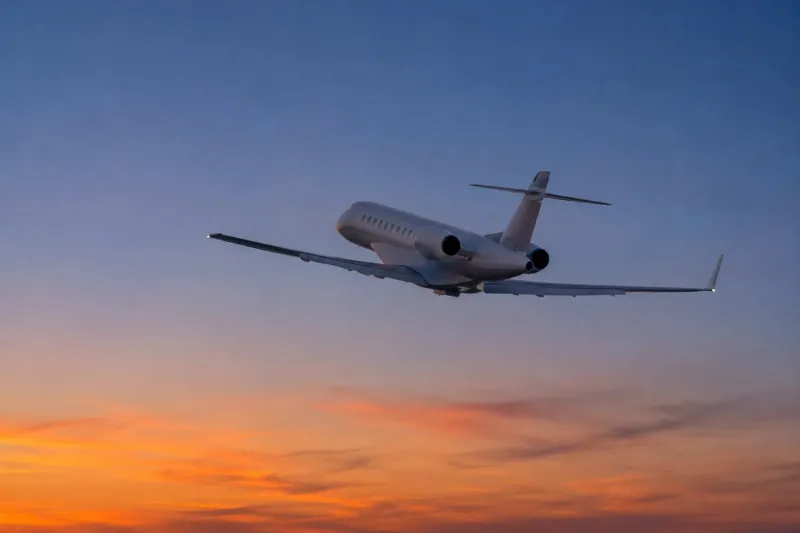
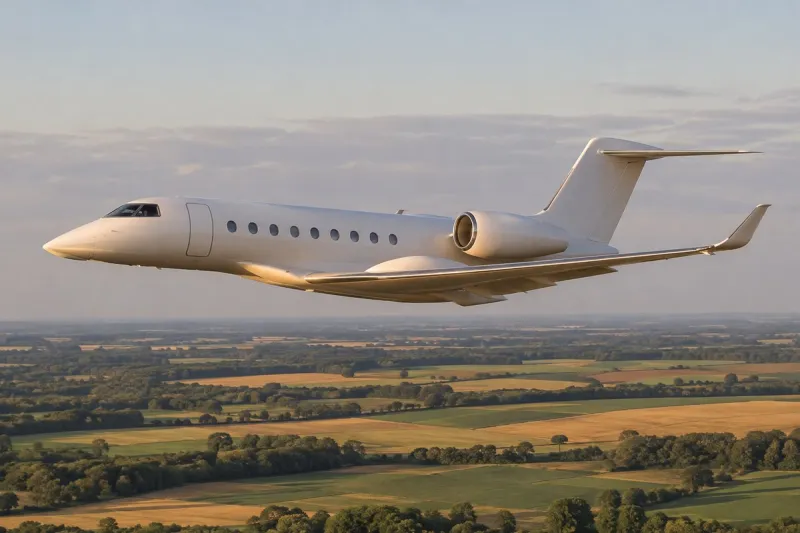
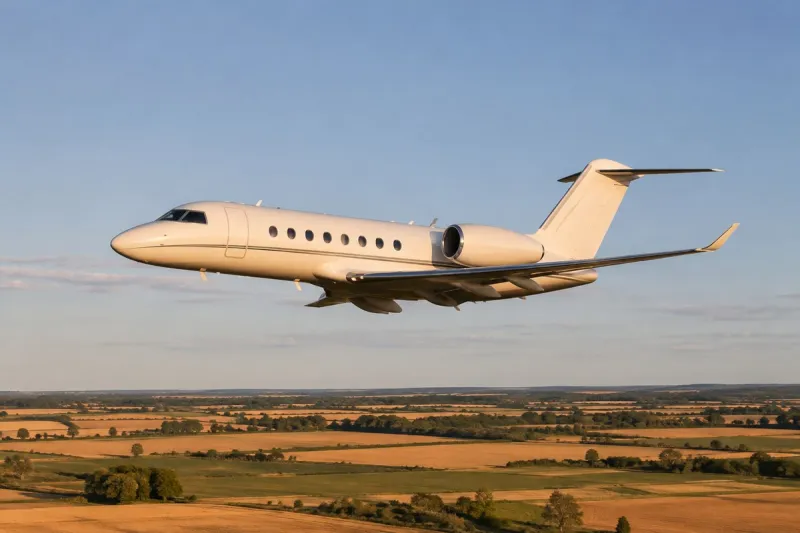
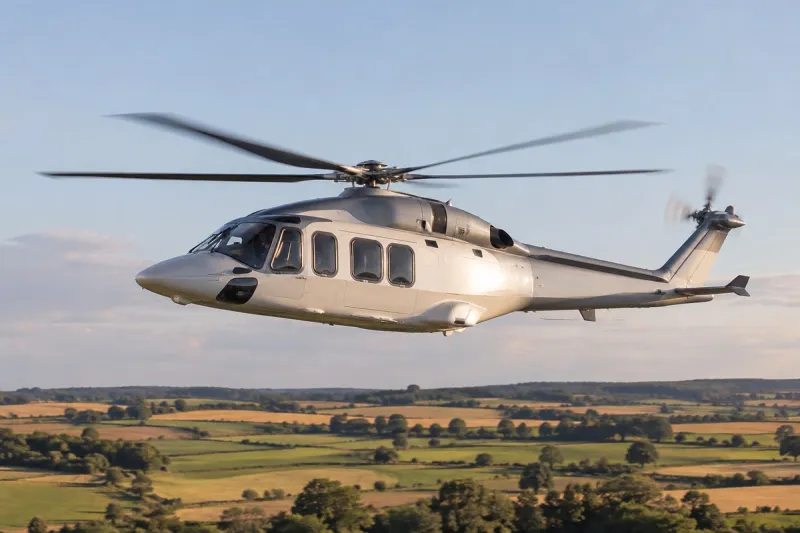
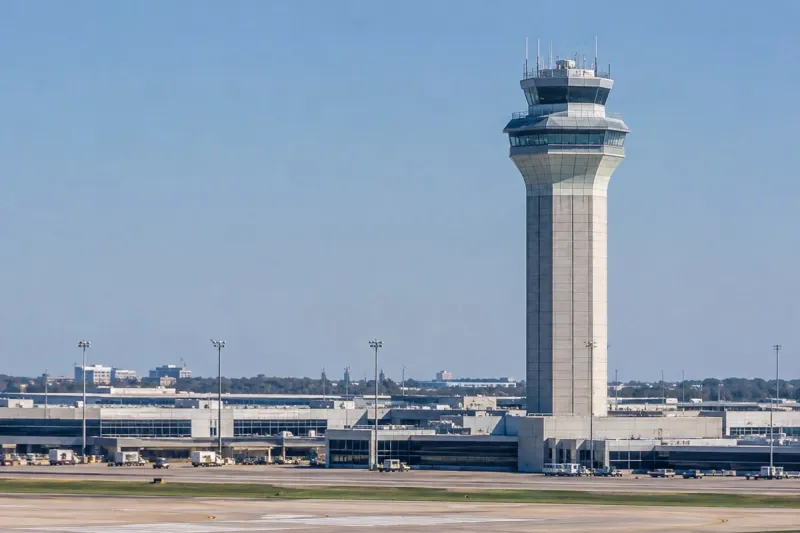
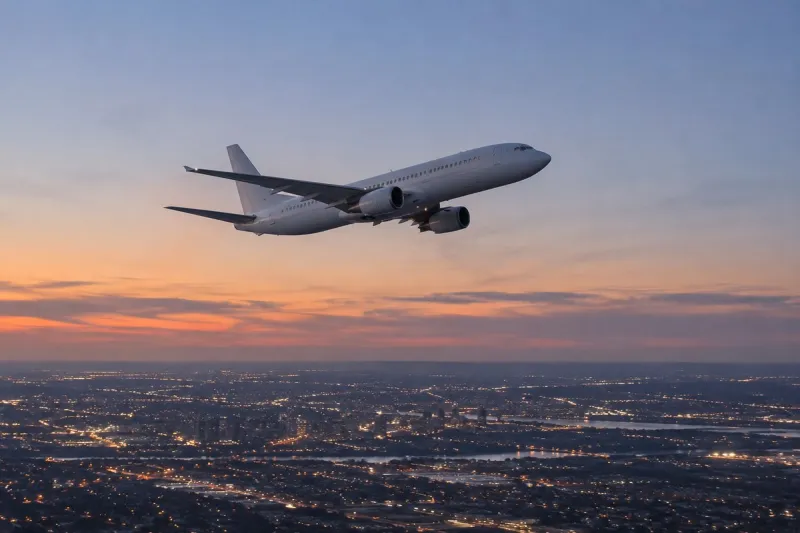
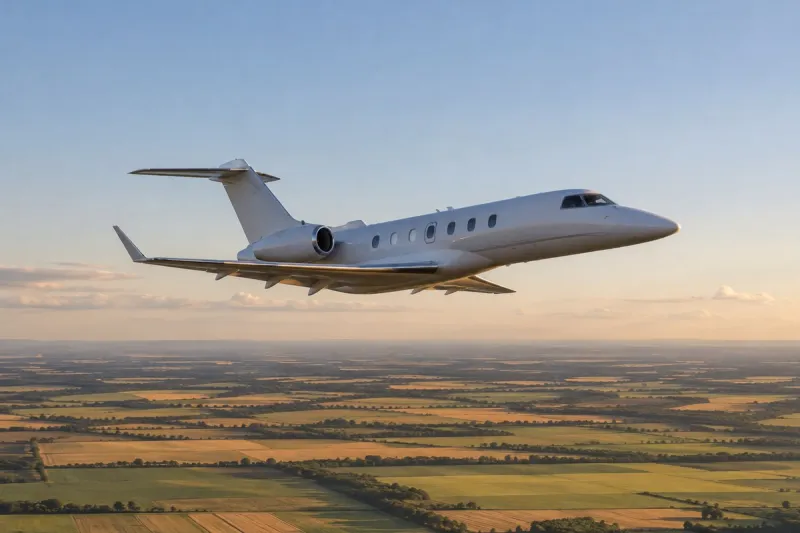
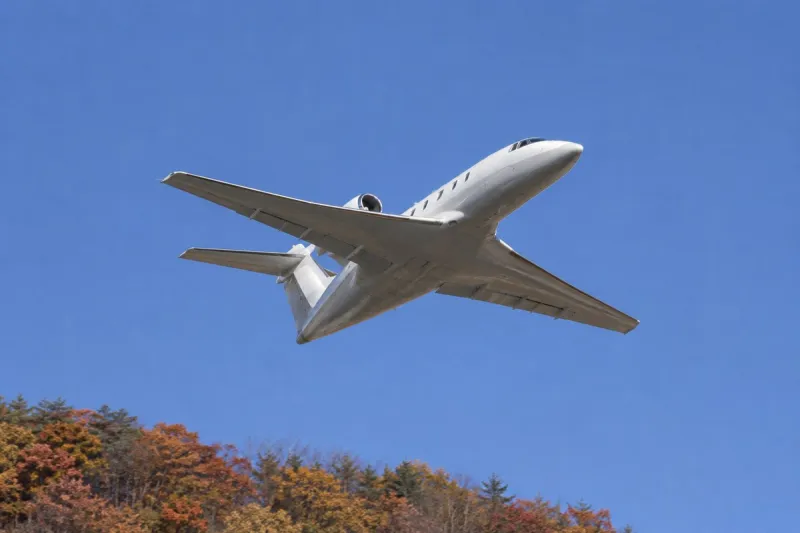
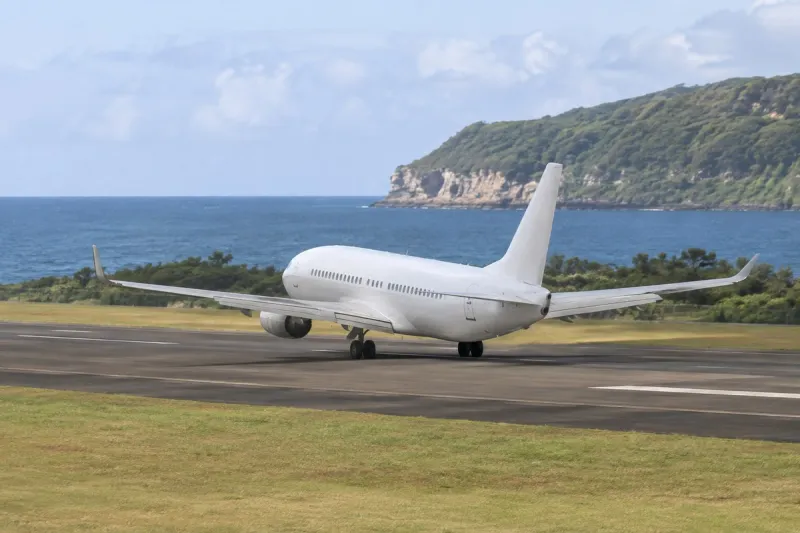
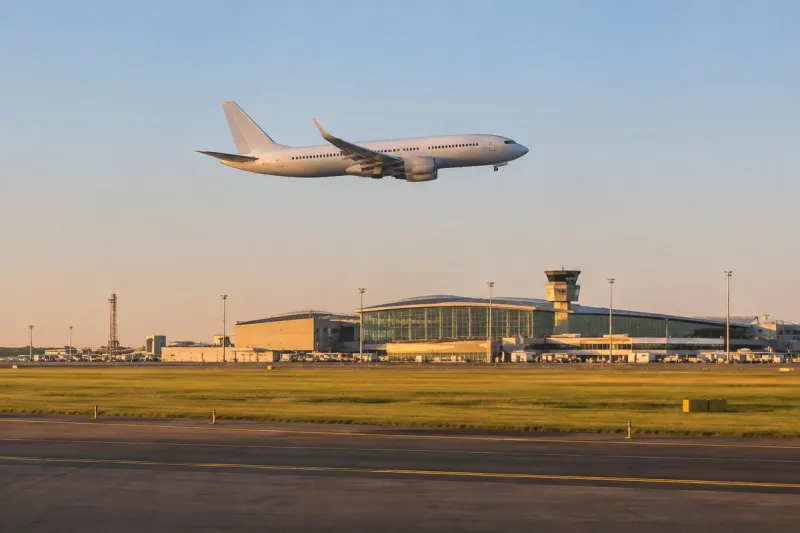
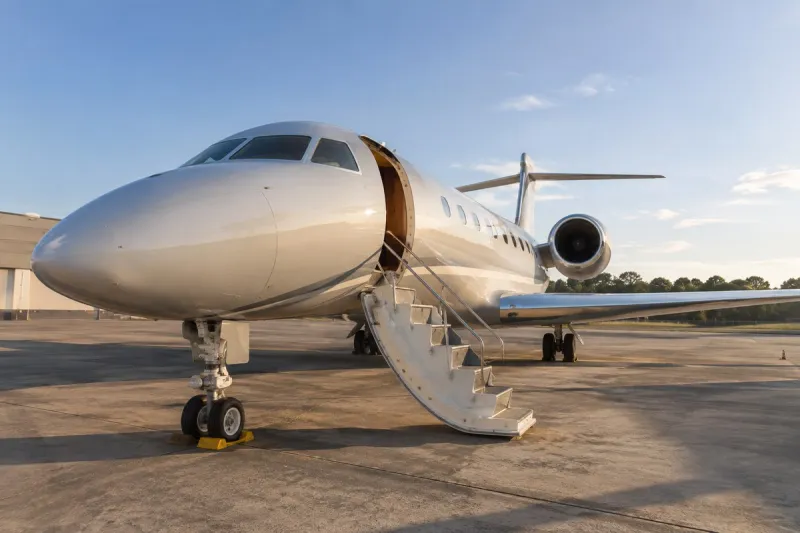
A Dassault Falcon 900LX linked to Michael Bloomberg, registration N47EG, flew 35 nautical miles (40 miles) from Newark to LaGuardia on Wednesday, November 25, 2026. It departed Newark at 22:39 UTC and landed at LaGuardia at 23:04 UTC, a flight time of 25 minutes. The aircraft reached a maximum altitude of 2,300 feet and a top ground speed of 252 knots.
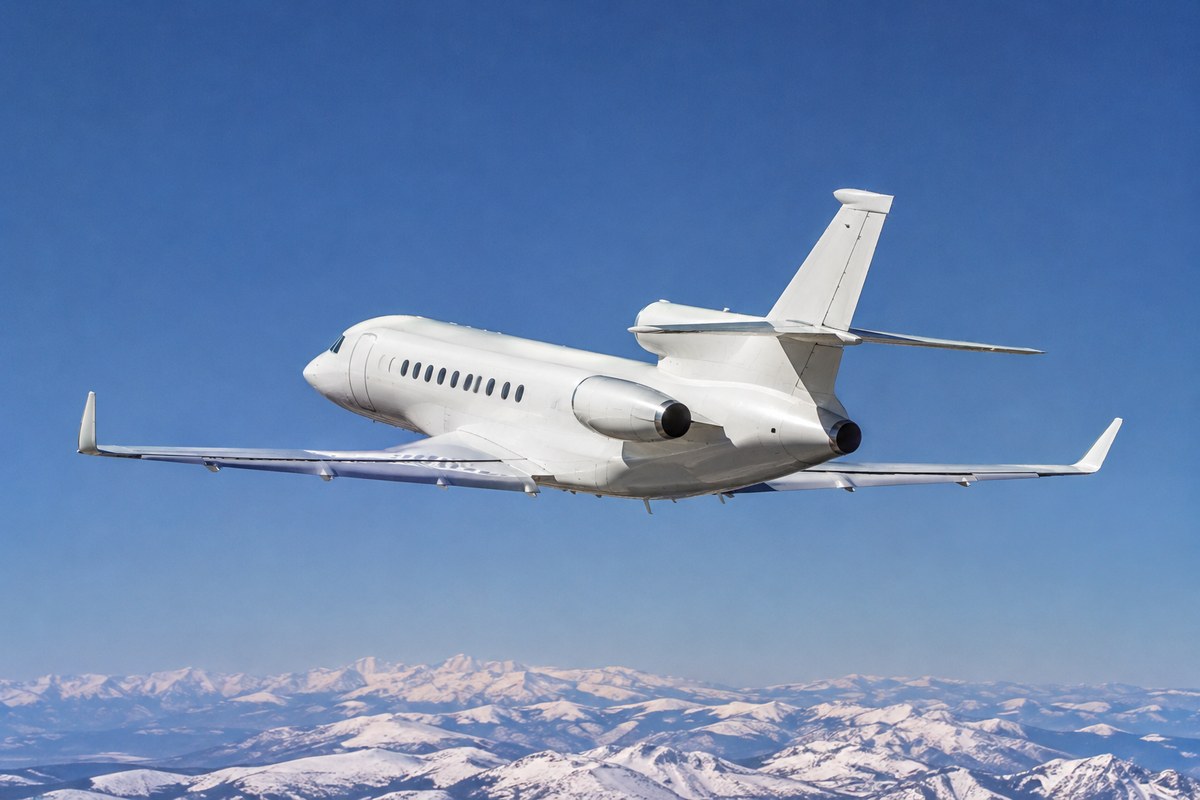
The flight burned an estimated 134 US gallons of fuel, producing about 1,289 kilograms of CO2, roughly equivalent to driving a car 3,192 miles. It used about 1 percent of the aircraft's range. The distance from Newark to LaGuardia is 15 nautical miles.
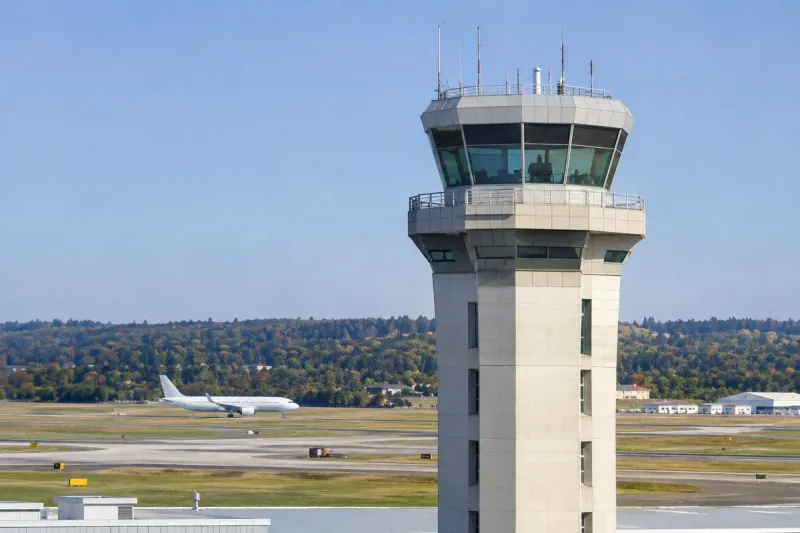
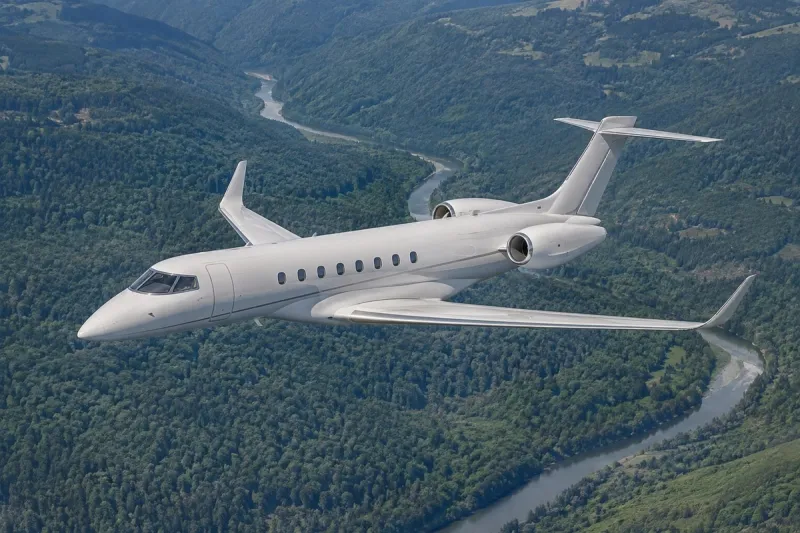
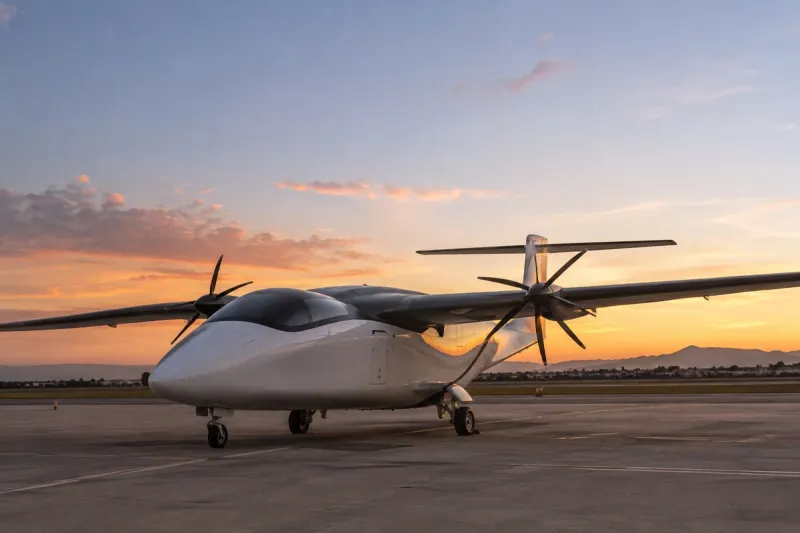
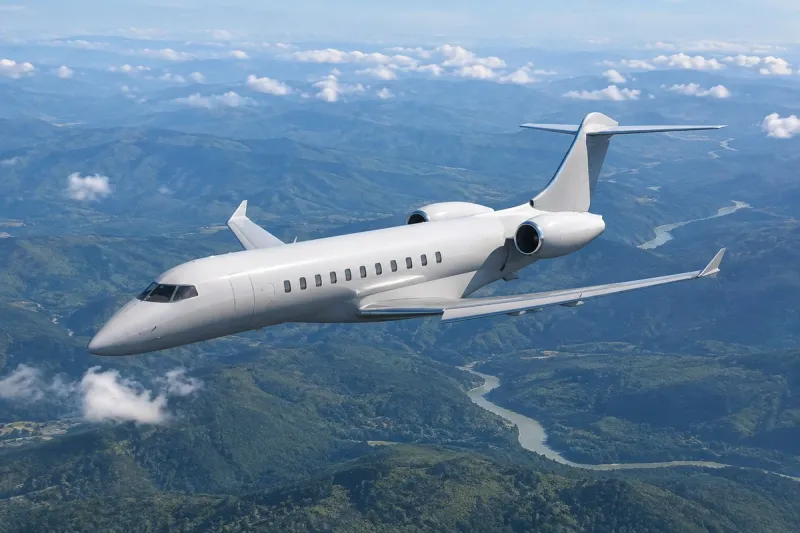
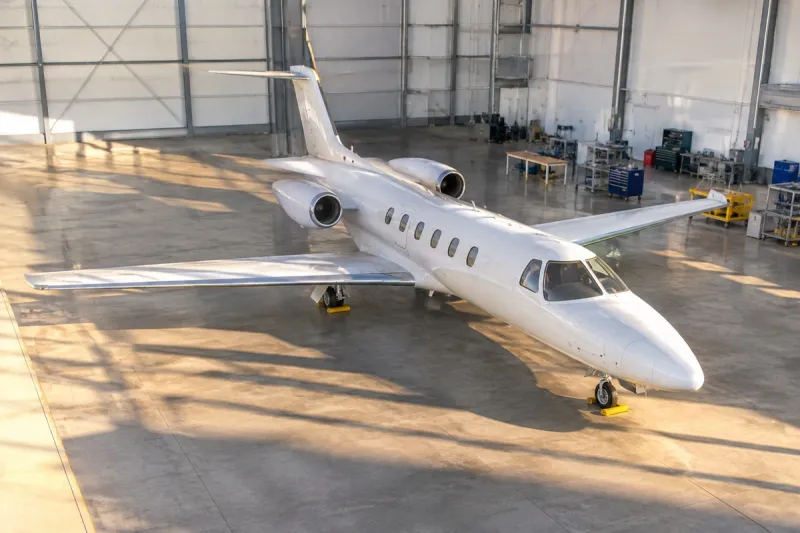
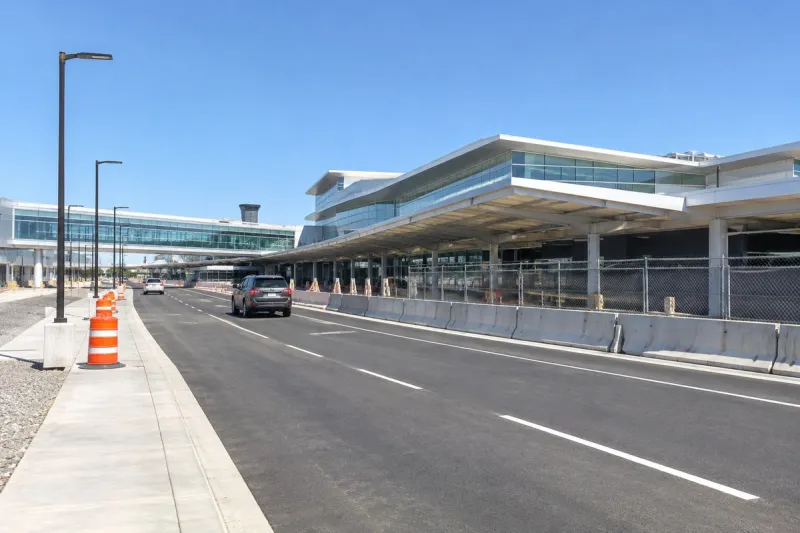
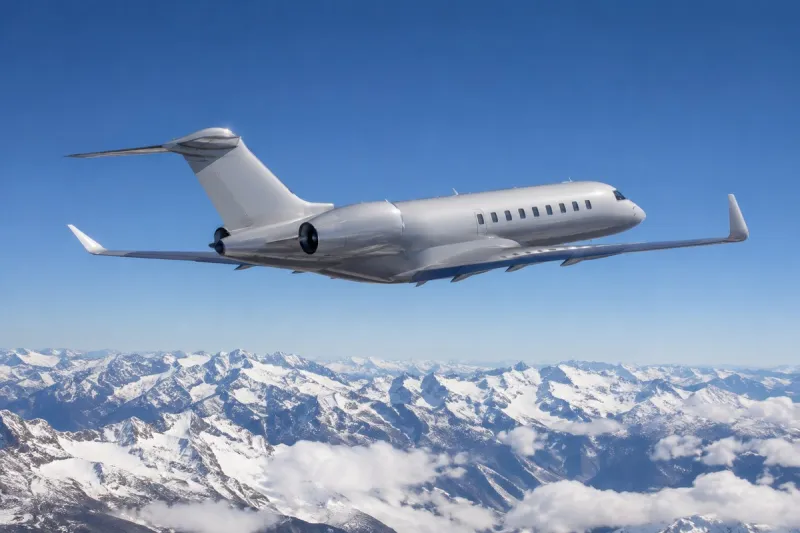
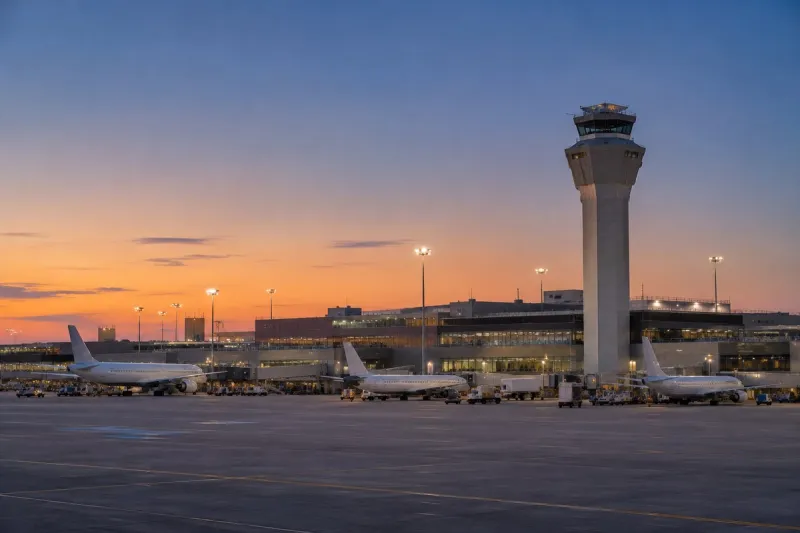
The Falcon 900LX has a range of 4,750 nautical miles, seats up to 14 passengers, has a service ceiling of 51,000 feet and a top speed of Mach 0.87 (482 knots). Its blended winglets reduce drag by 7 percent, and it burns an estimated 320 US gallons of fuel per hour. Newark Liberty International Airport, the aircraft's home base, has a longest runway of 11,000 feet at 18 feet elevation; LaGuardia's longest runway is 7,002 feet at 21 feet elevation.
This was the 11th landing at New York for one of Bloomberg's aircraft in the tracked window from September 4 to November 21, 2026; the previous New York landing was on November 19, 2026, also by N47EG. Before this flight, N47EG had been on the ground for about 4 days, since its previous tracked landing at Newark on November 22, 2026.
In the tracked window, Bloomberg's two aircraft made 40 flights. In the 30 days before this flight, his two Falcon 900s visited 11 airports across 5 countries and flew about 23,669 nautical miles. Newark was the most common destination with 10 landings. Bloomberg is the founder of Bloomberg LP, served as the 108th Mayor of New York City from 2002 to 2013, and is a UN Special Envoy for Climate Ambition and Solutions. His fleet of two Falcon 900 variants is registered through Wing & Rotor Transportation Holdings LLC.
Industry impact & what to watch
A flight of 25 minutes that uses about 1 percent of an aircraft's range puts a number on a familiar tension in business aviation. A long-range, 14-seat jet sized for intercontinental missions is also used for hops inside a single metropolitan area, where the fuel and CO2 figures per minute of flying are high relative to the distance covered. Trackers that publish per-flight emissions, as this one does with its car-mileage comparison, turn that mismatch into a public data point rather than an internal operating detail.
For the segment, the exposure matters more than any single flight. Short positioning legs between airports serving the same city are a normal part of how owner-operated fleets are scheduled, and the 4-day ground time before this leg shows how irregular that usage can be. Public tracking of high-profile owners links individual legs to the wider debate over private-jet emissions, and the owner's own climate role, as listed in the profile, makes the comparison easier to draw.
The next point of interest is the tracker's following update: how many further New York landings N47EG and its sister aircraft log after this 11th one, and whether the same Newark–LaGuardia pairing repeats.