FAA Restricts 'Line Up and Wait' to Towers With Dedicated Supervisor, Days Before Thanksgiving
Why It MattersWhere staffing shortages force controllers to double up on roles, a rule that ties a runway procedure to a dedicated supervisor makes tower staffing, not demand alone, a direct limit on throughput.
What happened
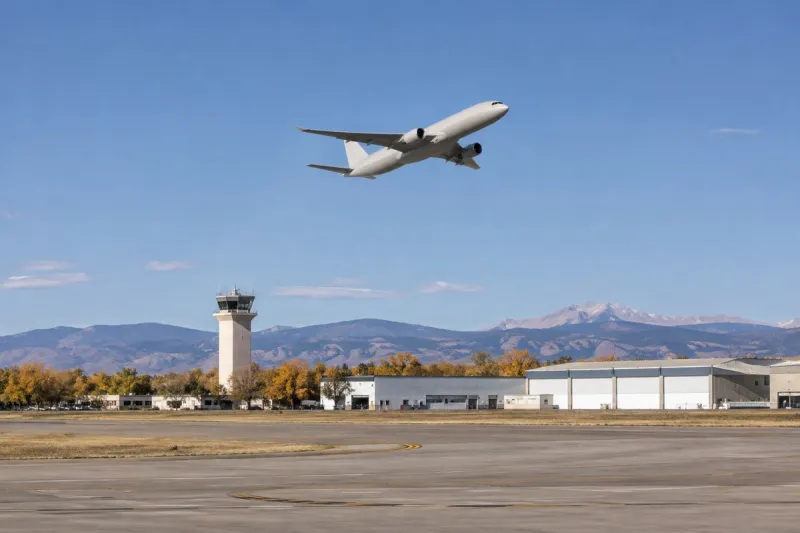
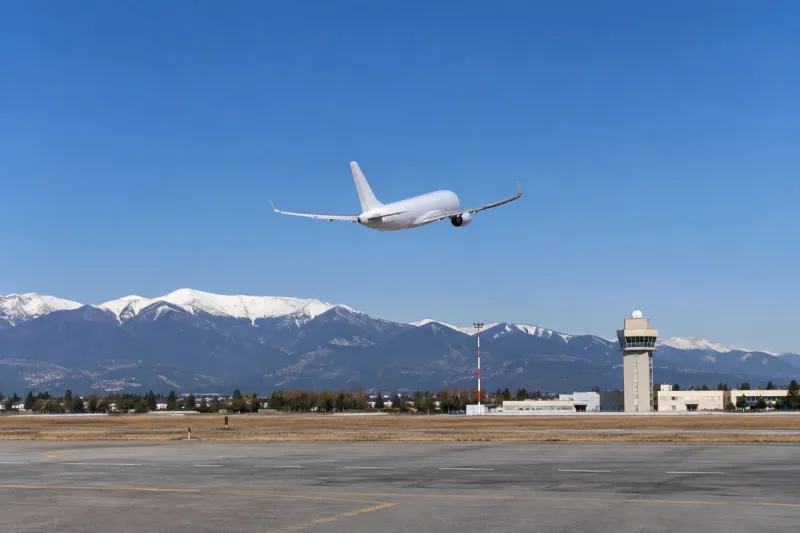
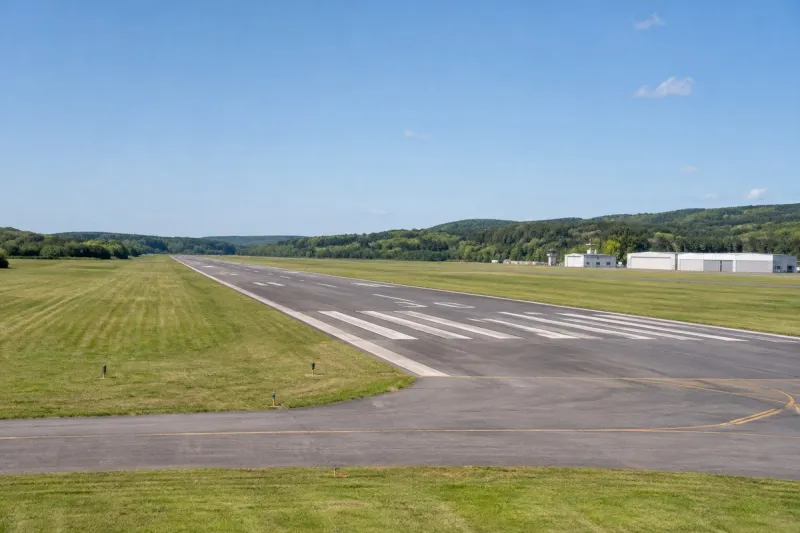
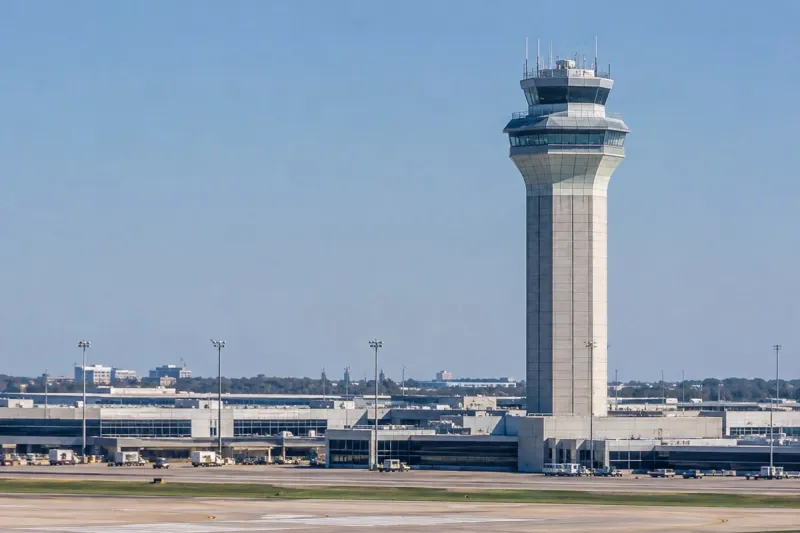
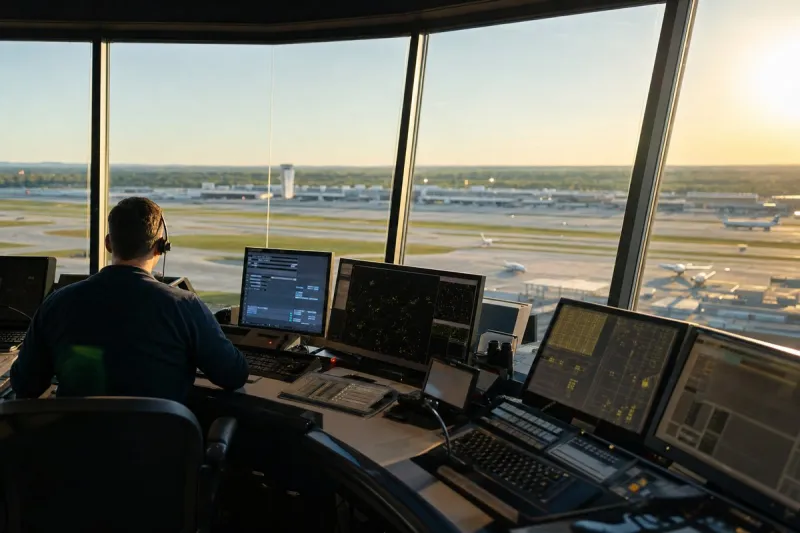
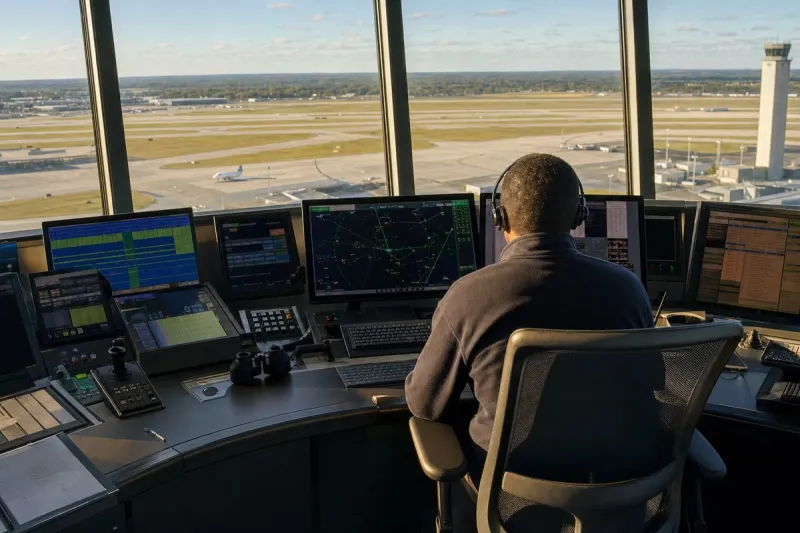
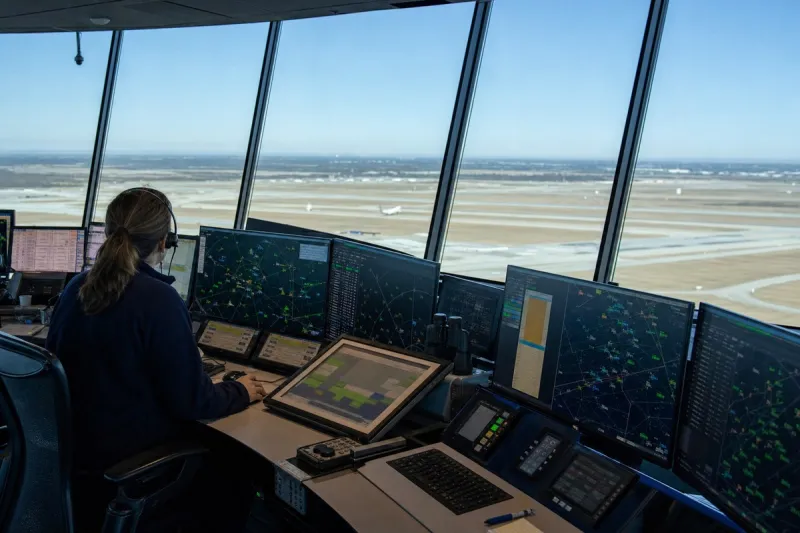
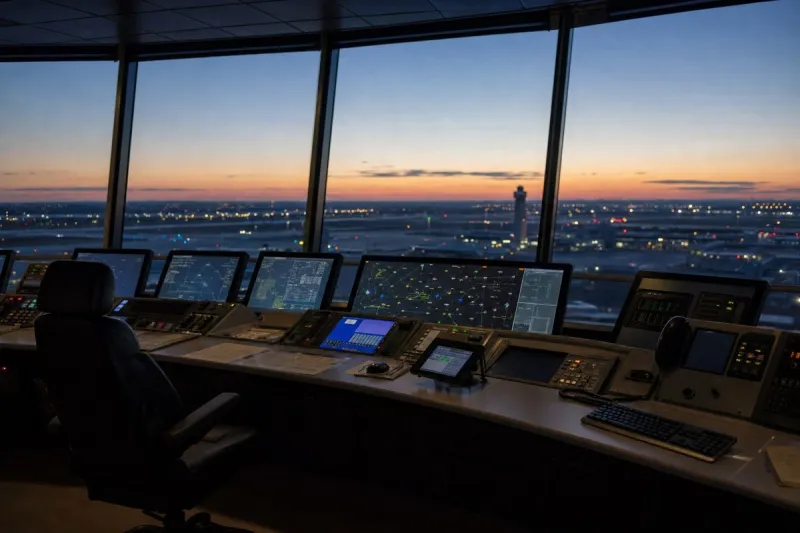
The Federal Aviation Administration has tightened the rules for "Line Up and Wait" (LUAW), a common air traffic control practice, just ahead of the Thanksgiving travel period. Beginning Tuesday, controllers may let an aircraft line up and wait on a runway before takeoff clearance only when their tower has a supervisor on duty who is not simultaneously working another control position. Previously, a dedicated supervisor was recommended rather than mandatory.
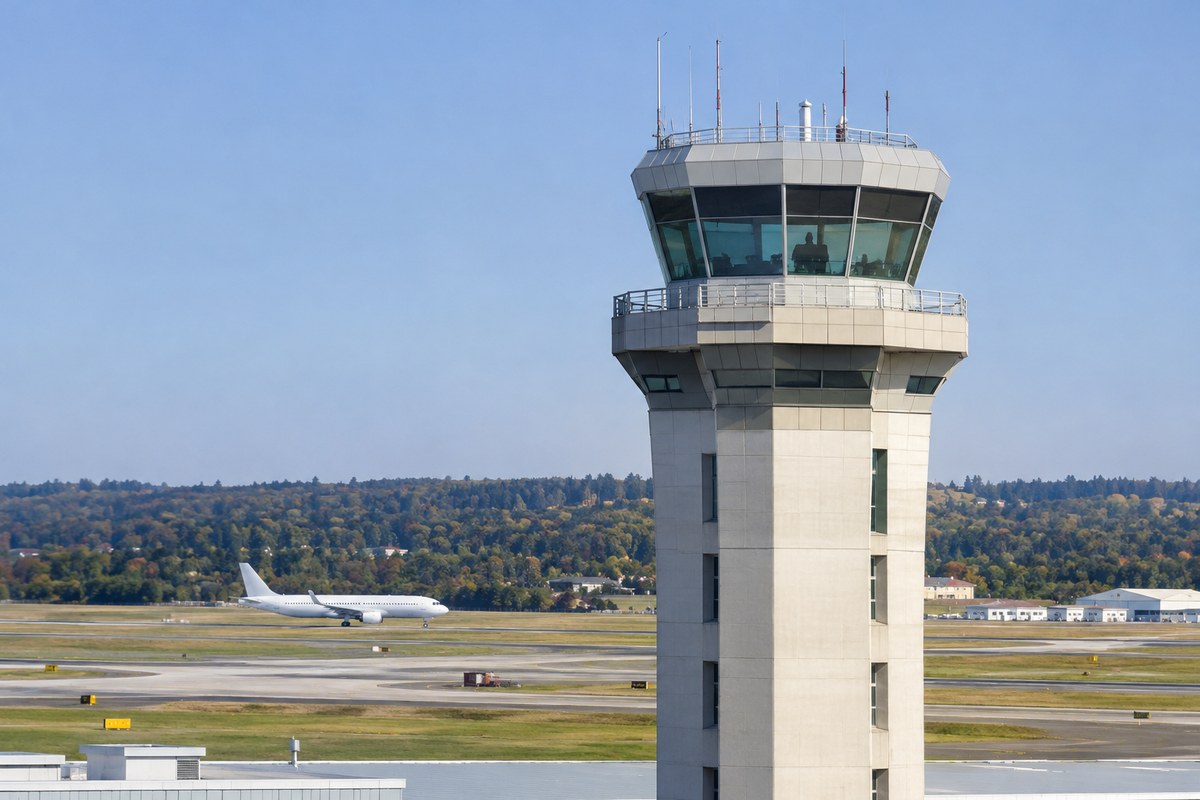
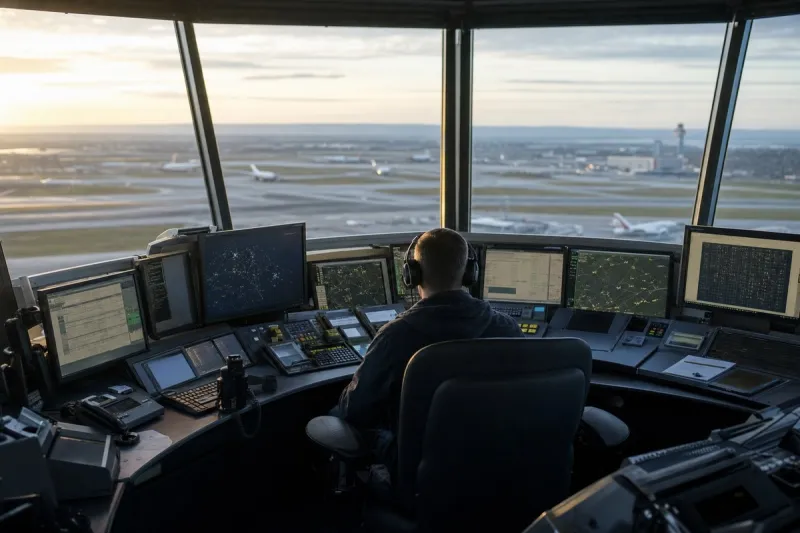
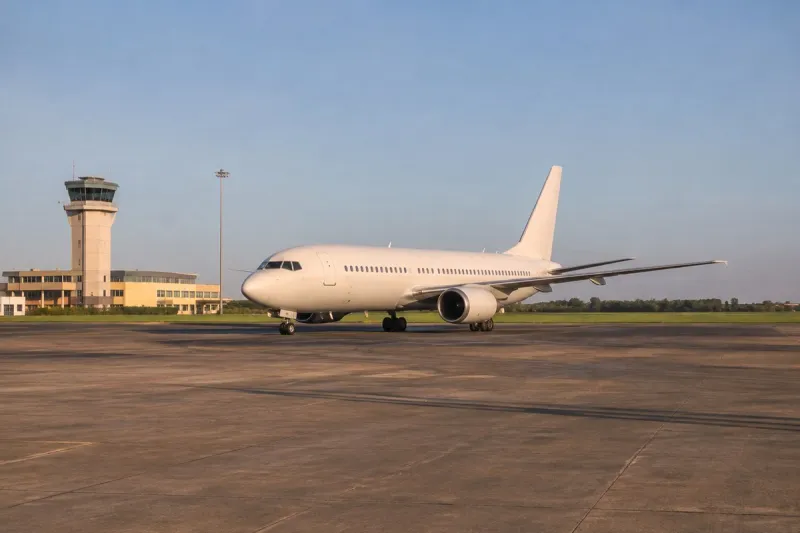
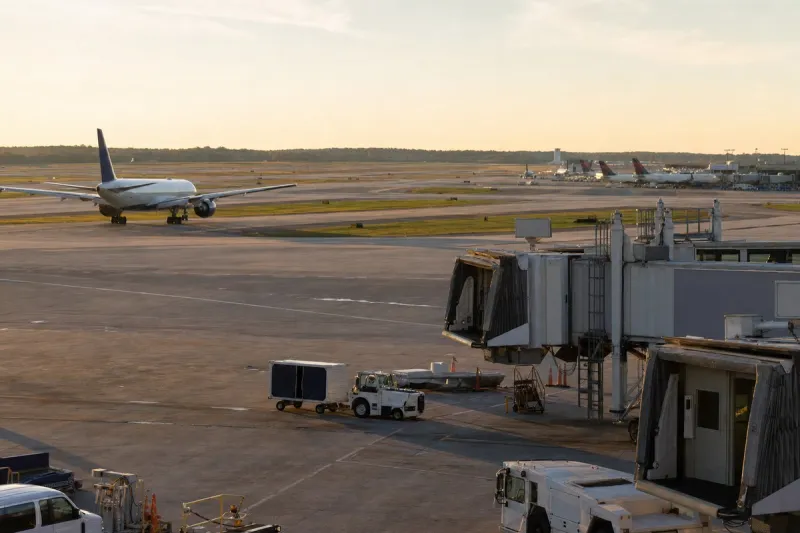
The procedure lets aircraft move into position on the runway while awaiting separate takeoff clearance. The FAA cited concerns about distractions when supervisors juggle multiple roles. To cope with long-running staffing shortages, the agency often combines controller responsibilities, so one person may both direct aircraft and supervise other controllers.
The notice does not identify any specific safety incident that prompted the change, and it is not clear why the rule was introduced during the busy holiday week. The FAA says the change "will not impact airport operations."
Some in the industry expect delays. On Monday, a controller in Albuquerque told a Southwest Airlines pilot that a standalone in-charge controller or supervisor would be required, and the pilot replied that this was "probably going to cause some delays," according to audio recorded by ATC.com. The controllers' union NATCA said its members will continue to perform their duties with the same professionalism and commitment to safety.
Sheldon Jacobson, a computer science professor at the University of Illinois Urbana-Champaign, said the rule should be enforced in a less busy period, such as a non-holiday week. At least 417,775 flights are expected nationwide between Nov. 23 and Dec. 1, a 16-year high. Travelers are also facing other disruptions, including extreme winds delaying flights in San Francisco and a storm forecast to hit the East Coast on Thanksgiving Day.
Industry impact & what to watch
Line Up and Wait exists to shave seconds off each departure by staging the next aircraft on the runway while the previous one clears. Making it conditional on a standalone supervisor turns a technique into a staffing-dependent one. Towers that routinely combine supervisory and control duties are the ones where the option may disappear, so departure rates can diverge between facilities of similar traffic levels depending on how each is staffed on a given shift.
For operators, the practical exposure is at towers with thin rosters during peak banks: if LUAW is unavailable, each departure waits for a clear runway before the next aircraft is cleared to position, and that effect compounds when traffic is heavy. The Albuquerque exchange shows pilots already reading the rule that way, while the FAA's position is that operations will not be affected. Those two statements cannot both hold everywhere, and which one is closer to the mark will show up in departure delays at the towers that lose the procedure.
The next evidence is concrete: delay figures from the Thanksgiving-to-December 1 window, any FAA clarification on which towers qualify as having a dedicated supervisor, and whether the agency revisits the timing or the scope once the holiday peak passes.