US Asks ICAO to Examine Withdrawal of Overflight Permits for Taiwan President Lai's Eswatini Trip
Why It MattersHow FIR administrators handle clearances for politically sensitive flights over international waters is now in front of ICAO, and the council's response could set the terms for such overflight decisions.
What happened
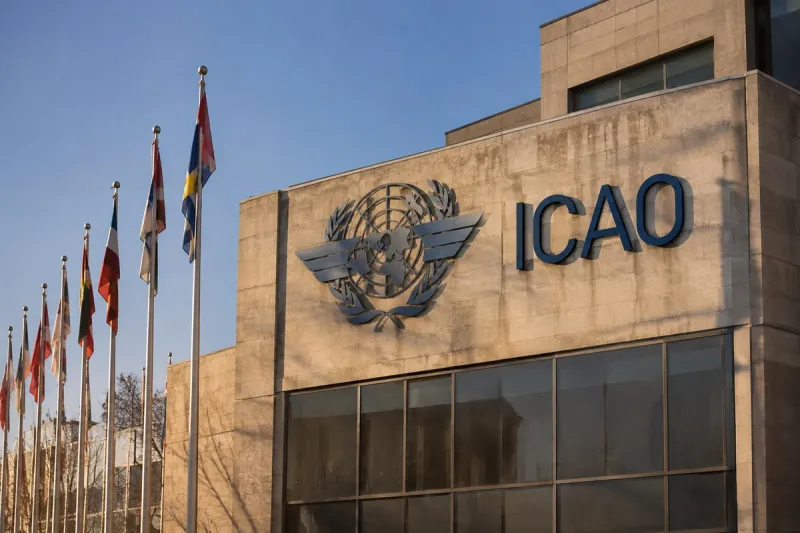
The United States has asked the International Civil Aviation Organization to examine the withdrawal of overflight clearances that disrupted Taiwan President Lai Ching-te's planned April visit to Eswatini. In a working paper submitted to the ICAO's 36-member governing council, Washington challenged the decisions by Mauritius and Seychelles to revoke previously granted clearances for a chartered aircraft carrying Lai. The contents of the paper became public on November 17.
The paper argues that countries responsible for managing air traffic in Flight Information Regions over international waters do not acquire sovereignty over that airspace and cannot use their administrative role for political purposes. It warns that withdrawing clearances without safety or operational justification could set a precedent encouraging similar interference with international flights. The US asked the council to formally express concern over the withdrawals, to request that the ICAO Secretary-General obtain written explanations from both governments, and to examine whether additional regulatory measures or remedies are needed to ensure compliance with international civil aviation rules.
China's Foreign Ministry rejected the move, saying the US document "selectively and one-sidedly cites" principles including freedom of overflight over the high seas, and accusing Washington of politicising the Taiwan issue. Taiwan's Foreign Ministry welcomed the submission and said it would work with supportive countries to show ICAO and the international community that China's actions undermine the international civil aviation order and flight safety.
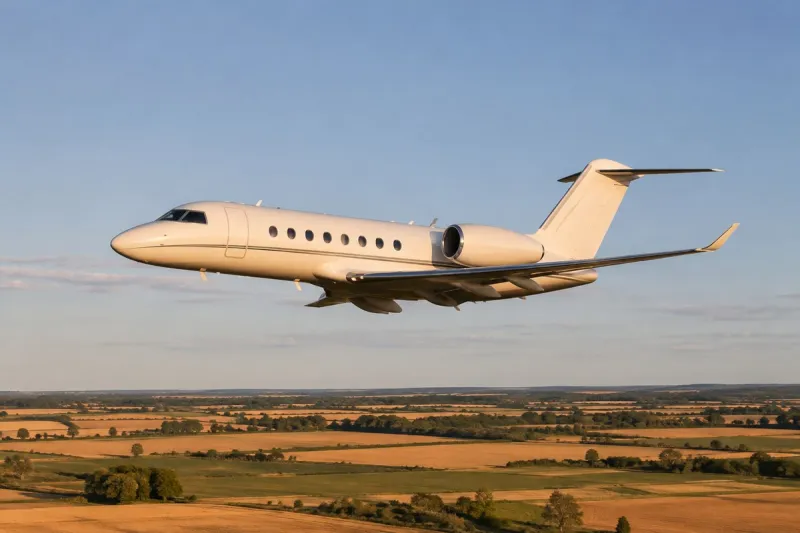
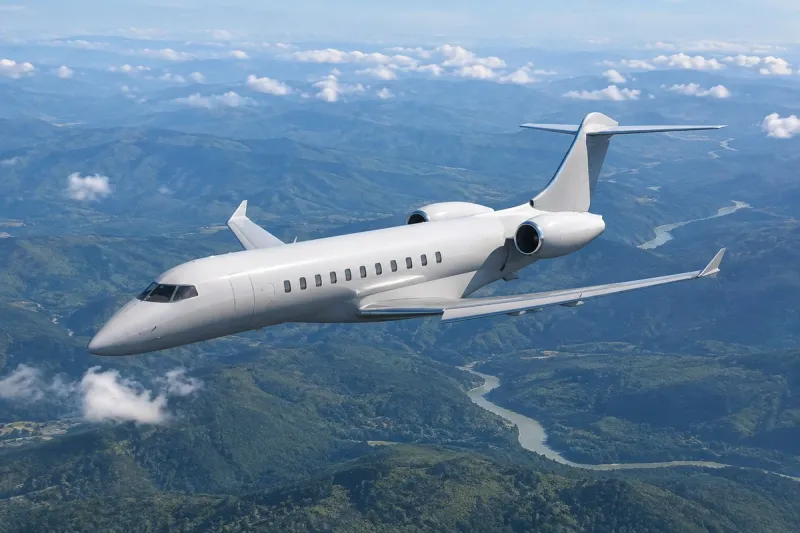
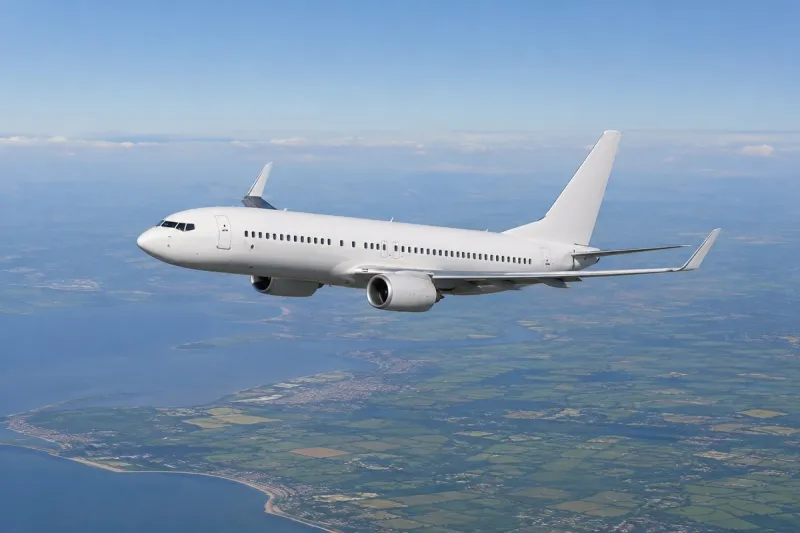
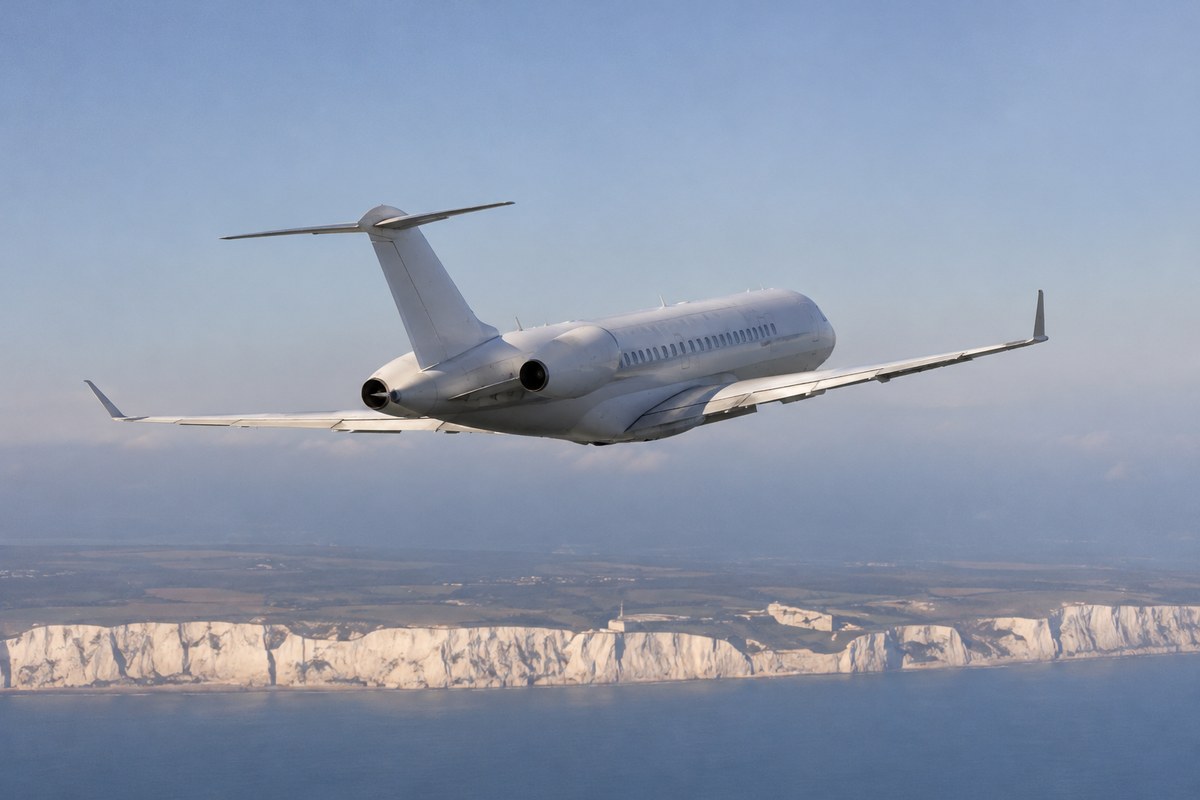
Lai had been scheduled to visit Eswatini on April 22 for celebrations marking the 40th anniversary of King Mswati III's accession and his 58th birthday, but the trip was postponed after Taiwan said Mauritius, Seychelles and Madagascar had withdrawn overflight permissions. Taiwan accused Beijing of using economic pressure on the three countries, which China denied. Lai travelled to Eswatini on May 2 aboard a private aircraft provided by King Mswati III, with his arrival announced only after landing. The US paper names only Mauritius and Seychelles and does not mention Madagascar.
Eswatini's Foreign Affairs and International Cooperation Minister Pholile Shakantu confirmed her country was aware of the US submission, said Eswatini has a direct interest as the intended destination, and said it awaits the outcome of the council's deliberations. She reaffirmed the importance of freedom of overflight over the high seas, subject to applicable international law.
Industry impact & what to watch
Overflight clearances for charter and state-linked flights normally sit in a technical lane: a flight plan is filed, the responsible air traffic authority issues or confirms permission, and the aircraft proceeds. This case tests whether that lane can be closed for reasons unrelated to safety or capacity. The US paper's central point is that administering a Flight Information Region over international waters is a service function, not a grant of sovereignty, and that a clearance withdrawn without operational justification is a different kind of act from a routine denial.
For business-aviation operators the practical lesson is about exposure on routings that cross FIRs managed by states with their own political alignments. A clearance already granted is the basis on which charterers and trip planners build fuel, alternates and timing; if it can be revoked at short notice, the cost lands on the aircraft operator and the client, not on the authority that withdrew it. The planned April trip was postponed and the president eventually flew on a different aircraft provided by the Eswatini king, which shows how much of the workaround depends on which aircraft and which sponsor are available.
The next dated step is the ICAO Council's deliberation on the US request, which Eswatini says it is awaiting. The things that would settle how far this goes are whether the council formally expresses concern, whether the Secretary-General seeks the written explanations from Mauritius and Seychelles, and what those two governments say in reply.