EASA extends Gulf, Iran and Iraq conflict advisories to 31 January 2027; Pakistan's ban on Indian aircraft runs to 24 December
Why It MattersAirspace access in this period is governed by case-by-case assessment, permissions and timing rather than blanket closures, so routing, fuel and schedule risk sit in expiring advisories and bilateral bans.
What happened
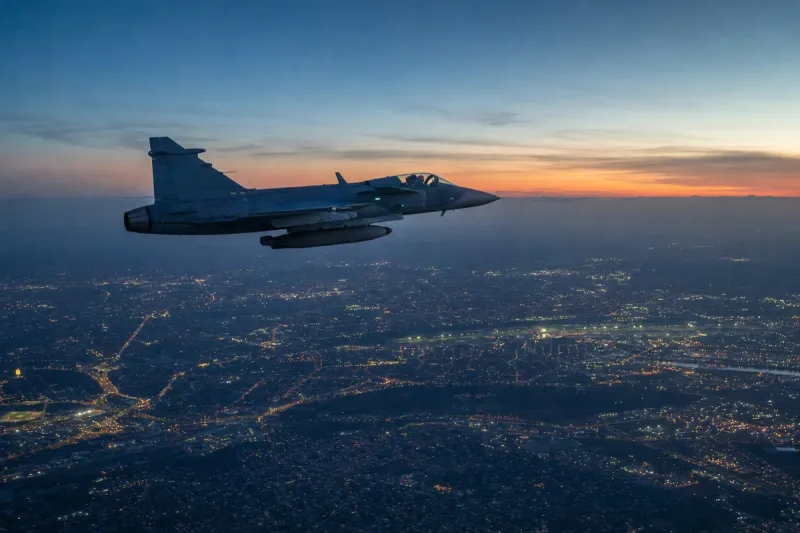
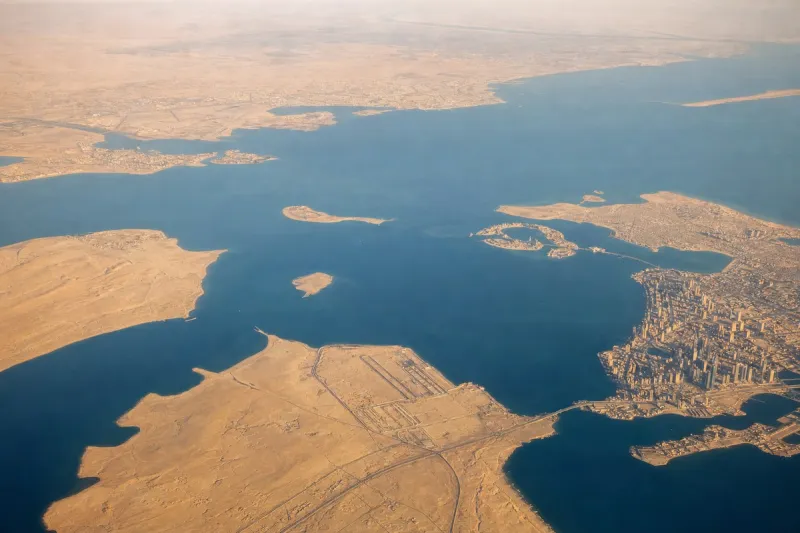
On 16 November the European Union Aviation Safety Agency (EASA) extended its conflict-zone advisories covering the Persian Gulf, the Gulf of Oman and Saudi Arabia to 31 January 2027, with parallel extensions for Iranian and Iraqi airspace to the same date. The Gulf bulletin cites risks from missiles, drones, military aircraft, interception activity and falling debris.

Pakistan has extended its airspace ban on Indian aircraft until 04:59 on 24 December 2026. The ban pushes flights farther south, raises fuel burn and forces some refuelling stops. The Yerevan FIR was reported open as of October and is absorbing additional overflight traffic. Pakistan also briefly banned overflight by Taiwanese airlines, and the United States has challenged Mauritius and Seychelles over the withdrawal of permissions for the Taiwanese president's planned Africa flight and asked the UN aviation agency to examine it; the trip proceeded aboard another state's aircraft.
The conflict behind the Gulf advisories began with US and Israeli strikes on Iran at the end of February and has since settled into lower-intensity exchanges. The United States maintains a maritime blockade of Iranian ports, and Tehran continues to assert control over the Strait of Hormuz. Iran-aligned groups in Lebanon, Yemen and Iraq remain active. This week the Houthis claimed attacks on the financial district of Riyadh and on the Ras Tanura refinery; Saudi air defences were reported to have intercepted three ballistic missiles aimed at Riyadh, and Saudi forces struck Hodeidah.
Airline responses vary. IAG said its airlines suspended services to destinations including Abu Dhabi, Amman, Bahrain, Doha, Dubai and Tel Aviv, and British Airways is reviewing its regional network. Iran Airtour, Caspian Airlines and Karun Airlines remain suspended to and from the UAE, and flydubai's Dubai-Tel Aviv service remains suspended through at least late November, with Emirates codeshares also suspended. Etihad continues direct Abu Dhabi-Tel Aviv flights. US missions have warned of short-notice cancellations and airspace closures.
Elsewhere in Asia-Pacific, the APEC gathering in Shenzhen has brought extensive no-fly zones, including a strict prohibition over the city centre supported by a police drone unit covering more than 600 patrol routes. Philippine police have banned unauthorised drone flights around Clark and Subic for the 49th ASEAN Summit. Separately, the 2026 El Nino is described as unlike any on record, with regional sea surface temperatures more than 3.03 degrees Celsius above the 30-year average in September and a forecast peak of 3.7 degrees above average by January.
Industry impact & what to watch
The pattern in this snapshot is access that is conditional rather than closed. EASA's bulletins are risk assessments, not prohibitions, and restrictions often apply to specific routes, altitudes, geographic blocks or conditions instead of whole countries. For operators, that shifts the work from checking a closure list to assessing each route against current conditions, permissions and timing, with diversions such as those around Pakistan feeding straight into fuel planning and refuelling stops.
The airline decisions show how uneven that assessment is in practice: some carriers have suspended Gulf and Tel Aviv services outright while Etihad continues Abu Dhabi-Tel Aviv flights. Overflight corridors such as the Yerevan FIR absorb the traffic that bilateral bans displace, concentrating demand on whichever routes remain open.
Two dates frame the near term: 24 December, when Pakistan's ban on Indian aircraft is due to expire, and 31 January 2027, when the EASA Gulf, Iranian and Iraqi bulletins lapse unless extended. Analysts warn that a return to open fighting would likely trigger immediate corridor closures rather than advisories, which is the scenario that would turn conditional access into hard closure with little notice.