Luxaviation Group Launches Redesigned App for Charter Clients, Brokers and Aircraft Owners
Why It MattersThe redesign shows operator groups folding charter, brokerage and owner-services workflows into one in-house system, treating the app as the shared access point to their teams and aircraft data.
What happened
Luxaviation Group has introduced a redesigned app for charter clients, brokers and aircraft owners. The update follows three years of customer feedback and was developed by the group's in-house Research and Development department. Since its original launch in June 2023, the app has recorded more than 10,000 downloads across Apple and Android devices.
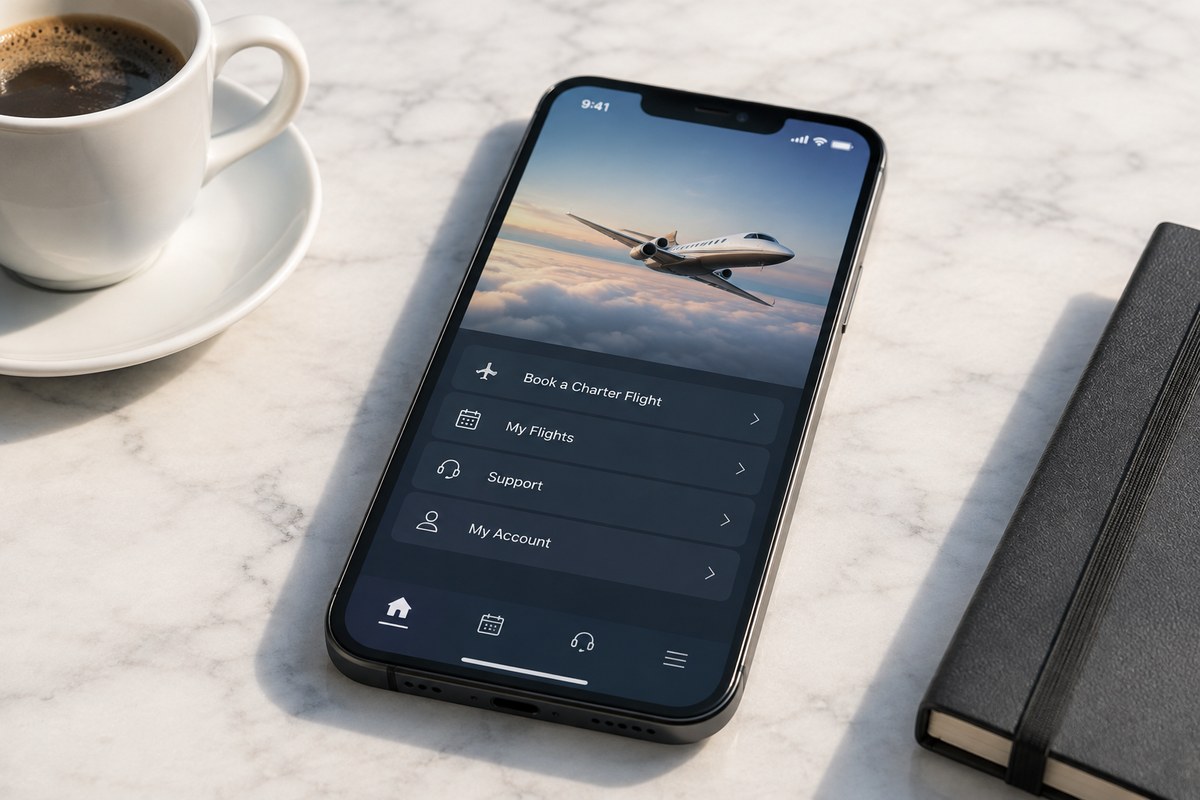
The new version adds functions developed in collaboration with customers and aircraft owners, aimed at improving access to flight information and to Luxaviation's support teams. Charter clients can request flights, track quotations, communicate directly with the team managing their trip, and access empty-leg opportunities and personalised offers. Frequent travellers can also propose their own price for selected flights.
For brokers, the app includes route alerts that identify matching available flights, covering anything from individual airports to entire cities. Aircraft owners can access live aircraft tracking, flight schedules, maintenance records, documents and performance data, along with a crew calendar.
The app is connected to Luxaviation's in-house management system, linking users with the group's charter and owner-services teams and providing access to personalised offers, messages and real-time aircraft updates. Security features include two-factor authentication, and the interface is optimised for phones and tablets. Group CEO Patrick Hansen said the technology is intended to strengthen the personal relationships at the heart of private aviation rather than replace them, and that customer feedback played a central role in shaping the new features.
Industry impact & what to watch
Charter, brokerage and aircraft ownership usually run on separate tools and separate contacts. Putting all three audiences into one app tied to a single management system points to operators treating the digital layer as the shared front end for charter, broker and owner-services teams, with the app carrying the quotation, tracking and messaging steps that used to run through phone and email.
The pricing features say something about how that front end is meant to earn its place. Empty-leg visibility, personalised offers and the option for frequent travellers to propose their own price on selected flights all push demand toward capacity the operator would otherwise fly unsold. Route alerts for brokers work from the opposite side, matching available flights to what a broker is already searching for.
Hansen's framing, that technology supports personal relationships rather than replacing them, reflects how the segment sells: the trip is still managed by a named team, and the app sits alongside that team. The download count since June 2023 is the one adoption figure on the table, and usage by each of the three audiences would be the clearer signal of which features are carrying the product.