Airbus A350's Airspace Cabin Design Centers on Passenger Wellbeing as Fleet Passes 700 Aircraft
Why It MattersPremium cabin design is becoming a competitive lever for long-haul widebody programs, as airlines convert the extra fuselage width of newer aircraft into differentiated first and business products.
What happened
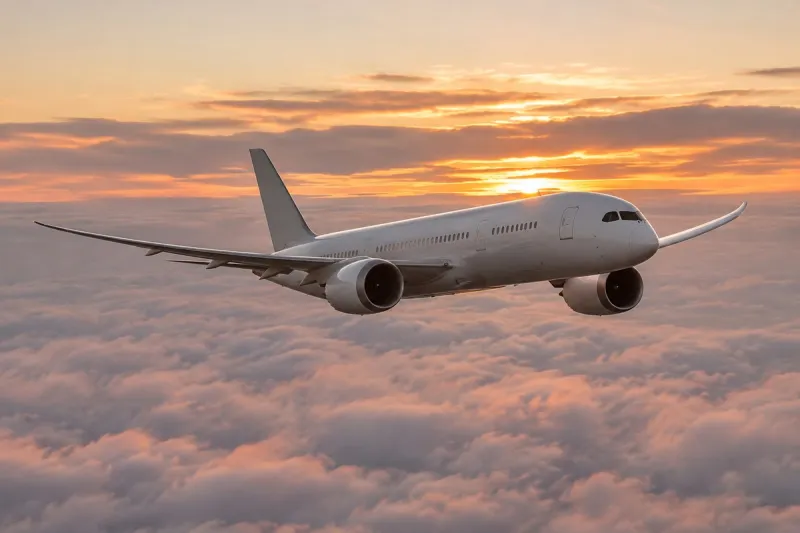
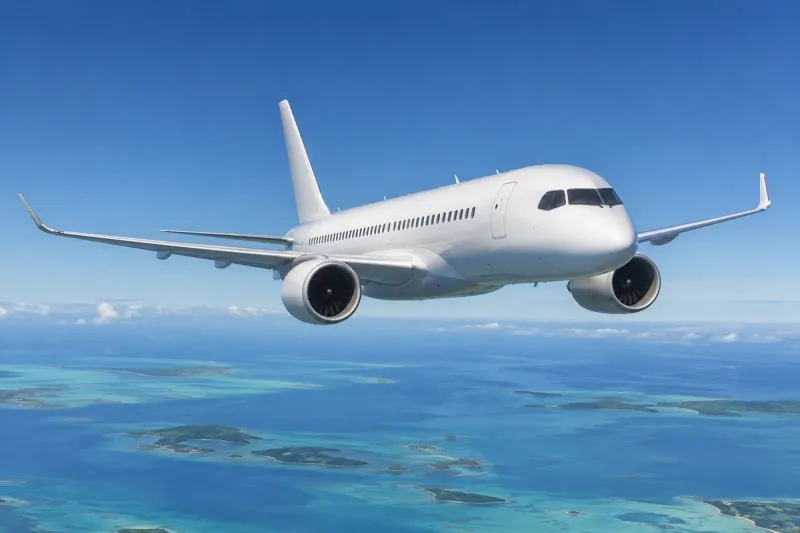
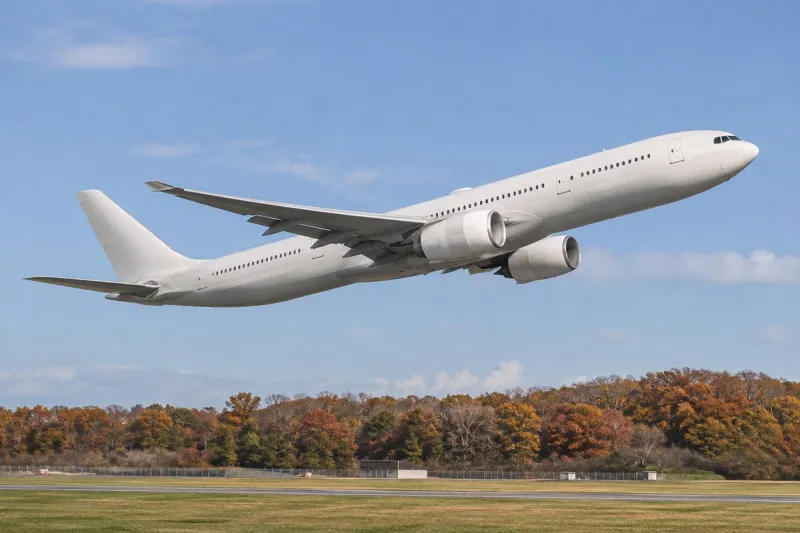
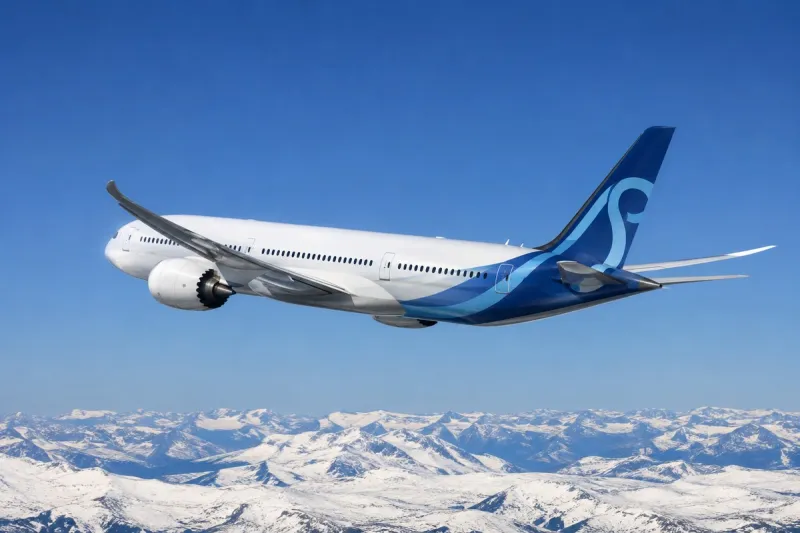
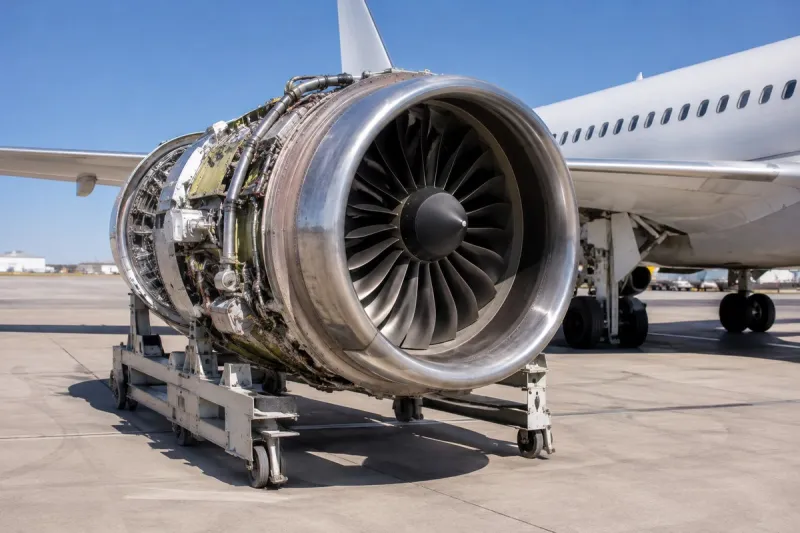
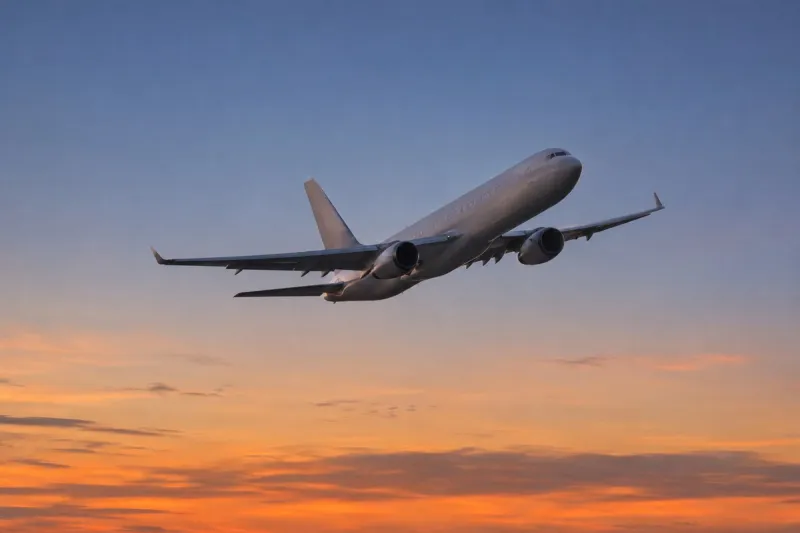
The Airbus A350, launched as the Airbus XWB (eXtra-Wide-Body), was developed as a clean-sheet, long-range twin-engine aircraft to replace earlier four-engine types and compete with the Boeing 787 and 777. It is built largely from carbon-fibre reinforced plastic and uses Rolls-Royce Trent XWB engines. The family includes the A350-900, the ultra-long-range A350-900ULR and the stretched A350-1000, with the A350F freighter and the private ACJ350 forthcoming. Typical three-class layouts seat roughly 300 to 380 passengers, and passenger-variant range exceeds 8,000 miles (12,875 km).
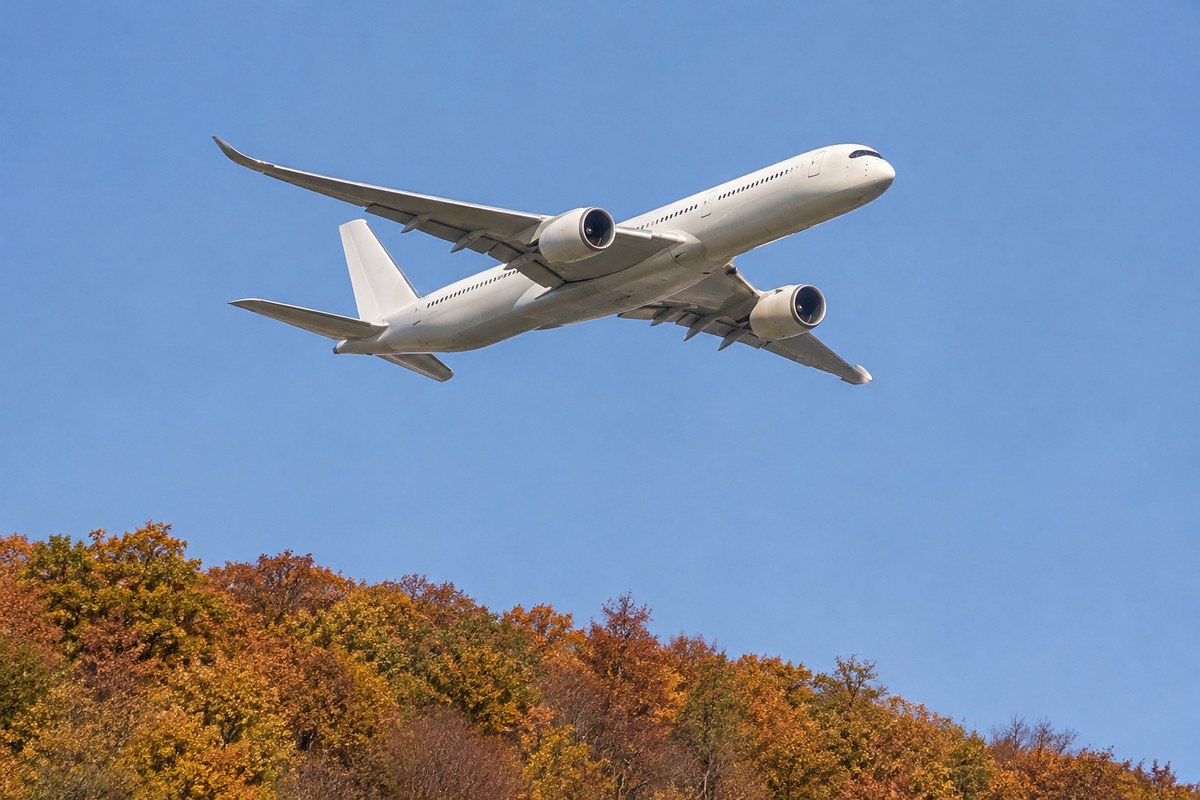
The cabin is built around Airbus's Airspace architecture. The fuselage cross-section maximizes usable width between the sidewalls, and the cabin combines higher ceilings, large pivoting overhead bins, low noise, large windows, higher humidity, a lower effective cabin altitude and tuned lighting, all intended to reduce fatigue and jet lag on long flights. The wide, oval cross-section supports 1-2-1 business-class layouts with direct aisle access at every seat. Airbus's New Production Standard adds roughly four inches of usable cabin width and extra cabin length.
Airlines are using that space for premium products. Qantas plans a customized A350-1000ULR with extra-spacious first and business cabins and a dedicated wellbeing zone for its Project Sunrise ultra-long-haul flights. SWISS has introduced its SWISS Senses four-class concept, including enclosed first-class suites and door-equipped business-class seats; it debuted on the A350-900.
By summer 2026, around 730 A350s were in service with roughly 40 operators. The largest fleets belong to Singapore Airlines, Qatar Airways, Cathay Pacific, Air France and Delta. Other operators include Air China, Sichuan Airlines, Lufthansa, Iberia, Finnair, SAS, Turkish Airlines, Ethiopian Airlines and STARLUX, with IndiGo and Riyadh Air among upcoming customers. Order figures stand above 1,600 in one account and above 1,400 in another. The fleet has flown well over a million sectors on more than a thousand routes, with a strong safety record and dispatch reliability.
Industry impact & what to watch
Cabin architecture has become a selling point in its own right on long-haul widebodies. When a fuselage cross-section yields more usable width, the airline decides how to spend it: more seats, or fewer and better ones. The Qantas and SWISS examples show carriers choosing the second path on their flagship routes, where a premium passenger's willingness to pay is highest and the case for differentiated seats, suites and wellbeing space is strongest.
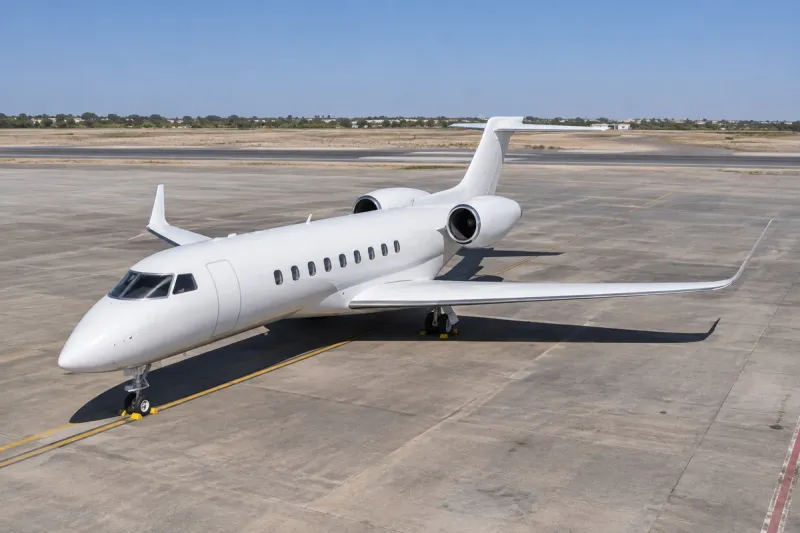
The same logic matters beyond scheduled airlines. A widebody with long range and a comfort-focused interior is the starting point for the forthcoming ACJ350 private variant, and the passenger-experience features that airlines promote on commercial flights set the benchmark that private buyers compare against. For operators, completion centers and cabin suppliers, the commercial fleet's premium products indicate where cabin spending is concentrated.
The next concrete milestones are the ones the program itself names: the arrival of the A350F freighter and the ACJ350, the Qantas A350-1000ULR for Project Sunrise, and first deliveries to upcoming customers IndiGo and Riyadh Air. The order total, cited as above 1,600 in one account and above 1,400 in another, will need a single confirmed figure from Airbus to be quoted reliably.